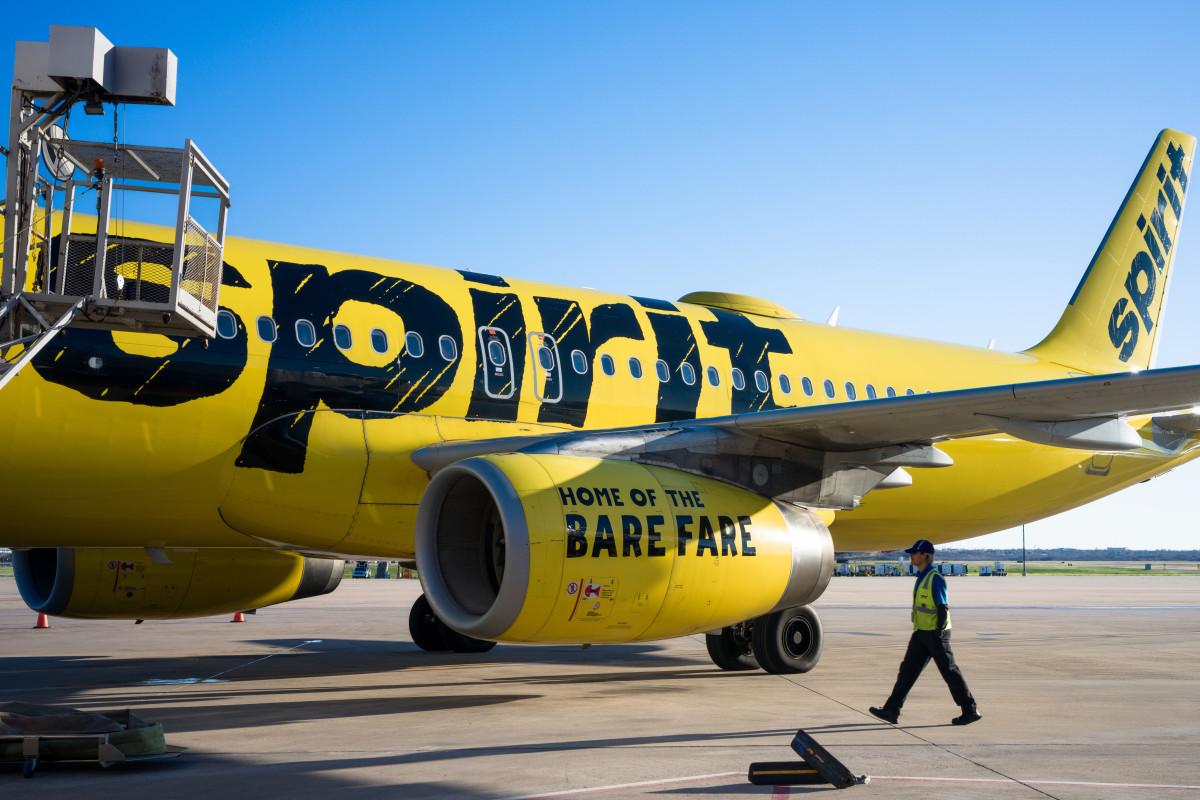
Spirit Airlines on the Brink of Liquidation — What This Means for U.S. Travel Prices and Consumers is quickly becoming one of the most urgent developments in the U.S. aviation industry in 2026. As one of America’s largest ultra-low-cost carriers faces severe financial pressure, the possibility of liquidation is raising serious questions about airfare prices, competition, and the future of budget travel. For millions of travelers who rely on low-cost flights, this situation could reshape how affordable air travel really is in the United States.

The Financial Crisis Facing Spirit Airlines in 2026
Spirit Airlines has long been known for its ultra-low-cost model, offering some of the cheapest base fares in the U.S. market. However, this model depends heavily on high passenger volume, tight cost control, and additional fees for services.
In 2026, rising operational costs—especially jet fuel prices, labor expenses, and debt obligations—have put significant pressure on the airline’s finances. At the same time, increased competition and fluctuating demand have made it harder to maintain profitability.

Reports suggesting that the company could face liquidation reflect how severe these financial challenges have become. While restructuring remains a possibility, the risk of a full shutdown is now being taken seriously by analysts and investors.

Why Spirit Airlines Matters to the U.S. Travel Market
Spirit Airlines plays a crucial role in maintaining price competition in the U.S. airline industry. As a budget carrier, it forces larger airlines to keep fares competitive, especially on popular domestic routes.
Without low-cost carriers like Spirit, airfare prices could rise significantly. Budget airlines help create pricing pressure that benefits consumers, particularly those looking for affordable travel options.


The potential loss of such a major player would reduce competition in the market, giving larger airlines more pricing power. This shift could lead to higher ticket prices across the industry.

How Liquidation Could Impact Flight Prices
If Spirit Airlines were to exit the market, one of the most immediate effects would likely be an increase in airfare prices. With fewer low-cost options available, demand would shift toward other carriers, allowing them to raise prices.


This impact would be especially noticeable on routes where Spirit currently operates, as competition would decrease significantly. Travelers who rely on budget flights could face higher costs or fewer options.
Additionally, reduced competition could lead to less innovation in pricing strategies and fewer promotional fares, further affecting affordability.

Broader Economic Impact on Travel and Tourism
The airline industry is closely linked to the broader travel and tourism sector. Changes in airfare prices can influence travel demand, which in turn affects hotels, restaurants, and local economies.
If flight costs increase, some consumers may reduce travel frequency or choose alternative transportation options. This could slow growth in the tourism industry, particularly in regions that depend heavily on domestic travel.

Business travel could also be affected, as companies adjust budgets in response to higher costs. This would have ripple effects across multiple sectors of the economy.


What This Means for Consumers and Travelers
For consumers, the potential liquidation of Spirit Airlines highlights the importance of planning and flexibility when booking travel. Travelers may need to book earlier, compare prices more carefully, and consider alternative options.
Loyalty programs and travel deals could become more valuable as airlines adjust pricing strategies. Consumers who stay informed and adaptable will be better positioned to find affordable options.
At the same time, this situation underscores how dependent affordable travel is on competition within the airline industry.


What Investors and Industry Experts Are Watching Next
Investors are closely monitoring developments in the airline sector, as changes in market structure could create both risks and opportunities. Airline stocks often react quickly to news about competition, demand, and cost pressures.
Industry experts are also watching how other airlines respond. Increased capacity, pricing adjustments, and potential mergers could reshape the competitive landscape.

The outcome of Spirit’s situation will likely influence future strategies across the industry, including how airlines manage costs and compete for passengers.


A Turning Point for Affordable Air Travel in the U.S.
The potential liquidation of Spirit Airlines represents a turning point for the U.S. travel industry. As one of the key drivers of low-cost travel faces uncertainty, the implications extend far beyond a single company.
For consumers, this could mean higher prices and fewer options. For the industry, it signals a shift toward a more consolidated and potentially less competitive market.
Understanding these changes is essential for travelers, investors, and policymakers alike. As the situation evolves, staying informed will be key to navigating the future of air travel.
Subscribe to trusted news sites like USnewsSphere.com for continuous updates.