Washington’s New Policies Are Quietly Reshaping the US Economy—Here’s What Investors Must Know Now is no longer just a political headline—it is a powerful financial reality impacting markets, businesses, and households across the United States in 2026. From energy regulations and financial reforms to tax adjustments and infrastructure investments, policy decisions coming out of Washington are quietly influencing the direction of the economy in ways many investors are only beginning to understand.
In today’s environment, where interest rates remain uncertain and global competition is intensifying, government policies are playing a larger role than ever before. For investors, understanding these shifts is not optional—it is essential for identifying opportunities, managing risks, and staying ahead of market trends.

The Growing Influence of Government Policy on Economic Direction
Government policy has always played a role in shaping the economy, but in 2026, its influence has become more direct and immediate. Fiscal policies, regulatory changes, and strategic investments are now driving key sectors of the economy.
Recent policy decisions have focused on strengthening domestic industries, improving infrastructure, and enhancing energy independence. These initiatives are designed to support long-term economic growth while reducing reliance on external factors.
However, these changes also create winners and losers. Certain industries benefit from government support, while others face increased regulation and costs. For investors, recognizing these shifts early can provide a significant advantage.
Washington’s New Policies: Energy, Infrastructure, and Industrial Policy Are Leading the Shift
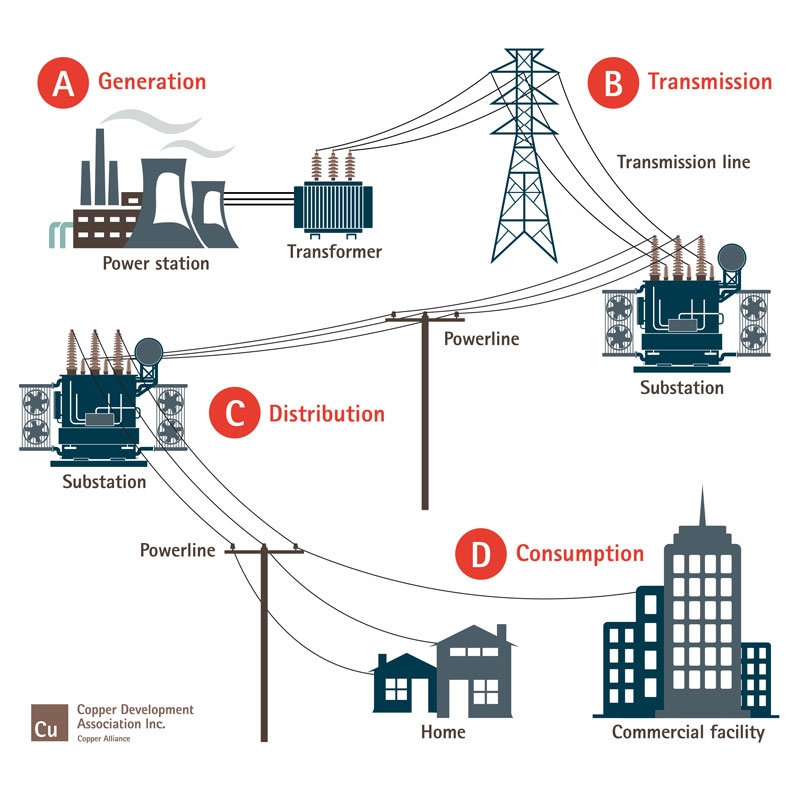
One of the most impactful areas of policy change is energy and infrastructure. The US government is investing heavily in energy production, grid modernization, and transportation networks.

These investments are creating opportunities in sectors such as construction, engineering, and energy. Companies involved in these industries are seeing increased demand and capital inflows.
At the same time, the push toward renewable energy is reshaping the energy sector. Traditional energy companies are adapting to new regulations, while renewable energy firms are gaining momentum.
For investors, this shift highlights the importance of aligning portfolios with long-term policy trends.
Financial Regulations and Market Stability Measures
Another key area of focus is financial regulation. Policymakers are introducing measures to improve transparency, protect consumers, and maintain market stability.


These regulations affect everything from banking practices to investment platforms. While they can increase compliance costs for businesses, they also help build trust in the financial system.
In 2026, regulatory changes are particularly relevant for fintech companies and digital financial services. As these sectors grow, governments are working to ensure that innovation is balanced with security and accountability.

For investors, understanding regulatory trends is crucial for evaluating risk and identifying stable investment opportunities.
Tax Policies and Their Impact on Investment Decisions
Tax policy is another critical factor shaping the economic landscape. Changes in corporate taxes, capital gains taxes, and incentives can significantly influence investment behavior.
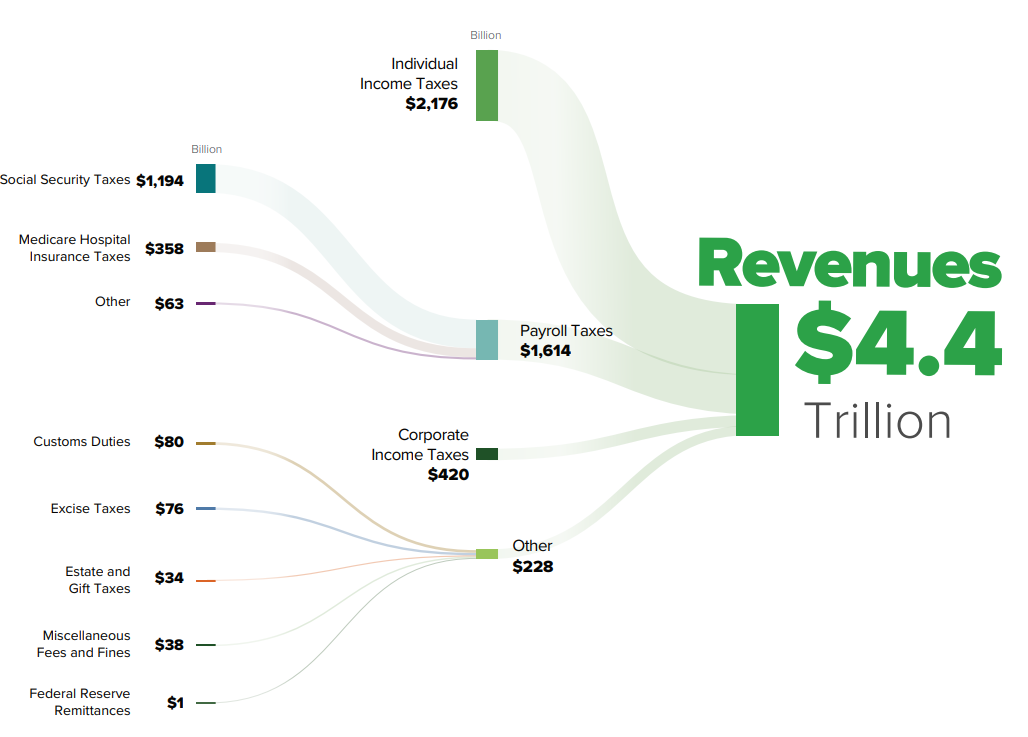
In recent years, policymakers have introduced incentives to encourage investment in specific sectors, such as clean energy and technology. These incentives can boost returns for investors who position themselves strategically.
At the same time, potential tax increases or adjustments can impact profitability and market sentiment. Investors must stay informed about these changes to make effective decisions.
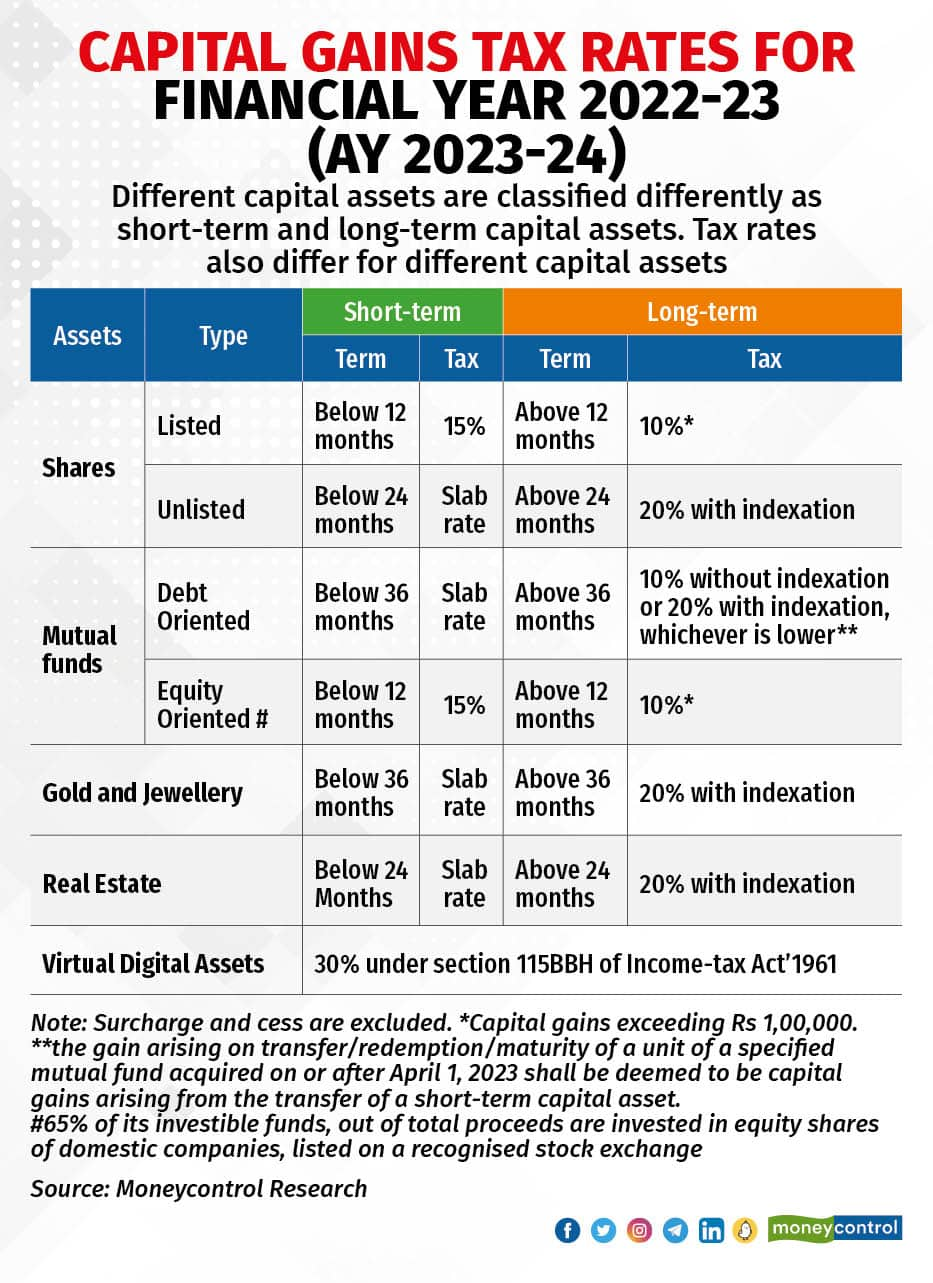
Tax efficiency is becoming an increasingly important part of investment strategy, especially for long-term wealth building.
Market Reactions: Volatility, Sector Rotation, and Opportunities
Markets are highly sensitive to policy changes, often reacting quickly to new announcements and developments.


In 2026, investors are witnessing increased volatility as markets adjust to changing policies. Sector rotation is becoming more pronounced, with capital flowing into industries that benefit from government initiatives.
For example, infrastructure and energy stocks may outperform during periods of increased government spending, while heavily regulated sectors may face challenges.
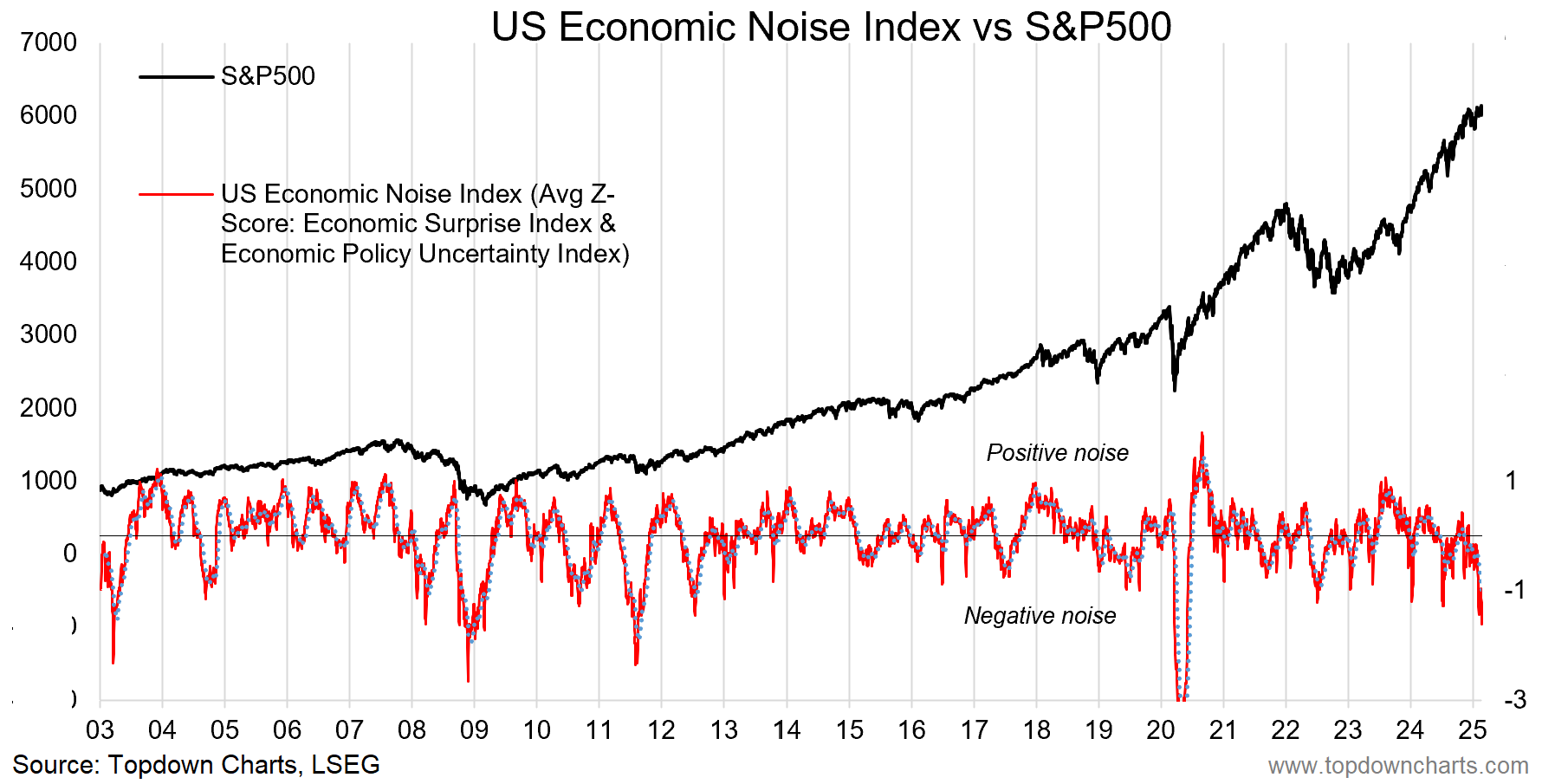
Understanding these patterns allows investors to anticipate market movements and adjust their strategies accordingly.
What Investors Should Do Now: Strategies for a Policy-Driven Economy
In a policy-driven economy, investors must adopt a proactive approach to managing their portfolios.


Diversification remains essential. By spreading investments across different sectors and asset classes, investors can reduce risk and capitalize on opportunities.
Staying informed is equally important. Monitoring policy developments, economic indicators, and market trends can provide valuable insights into future movements.
Long-term thinking is key. While short-term volatility may create uncertainty, investors who focus on structural trends and maintain discipline are more likely to achieve consistent returns.
A New Era of Policy-Driven Markets
Washington’s evolving policies are shaping a new era for the US economy, one where government decisions play a central role in determining market outcomes. For investors, this environment presents both challenges and opportunities.
By understanding the impact of policy changes, aligning investments with long-term trends, and maintaining a disciplined approach, it is possible to navigate this complex landscape successfully.
The investors who thrive in 2026 will be those who stay informed, adapt quickly, and leverage data-driven strategies to make smarter decisions.
Subscribe to trusted news sites like USnewsSphere.com for continuous updates.