Chocolate certification standards are reshaping how cacao is evaluated worldwide, introducing a new system that measures quality, sustainability, and transparency across the supply chain. The latest developments, highlighted in recent reporting, show that cacao is now being assessed using approaches similar to those of the coffee and wine industries, known for their strict grading systems and premium pricing structures.
This shift matters now because global demand for ethical and high-quality chocolate is rising, especially in the United States and Europe. Consumers want to know where their chocolate comes from, how it was produced, and whether farmers were paid fairly. At the same time, climate change and supply shortages are putting pressure on cacao production, making better evaluation systems more important than ever.

Why the cacao industry is adopting coffee and wine-style grading systems
The cacao industry has traditionally lacked a universal quality grading system, unlike coffee and wine, where origin, flavor profile, and production methods significantly influence pricing and reputation. New certification frameworks aim to change that by introducing standardized tasting notes, origin labeling, and quality scores.
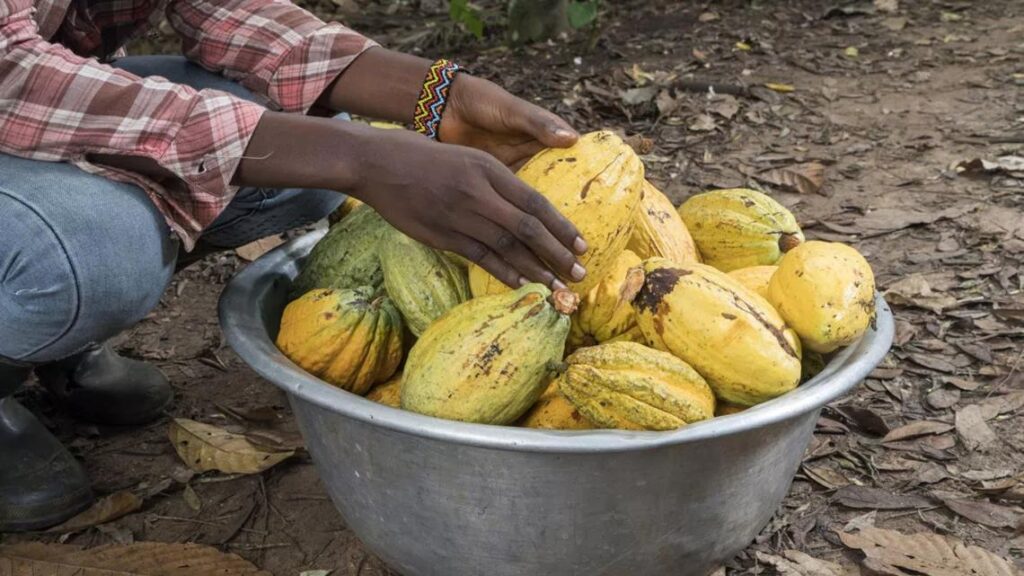
By adopting these methods, cacao producers can better differentiate their products in a competitive market. High-quality beans can command premium prices, while lower-grade cacao may be redirected for mass production. This creates incentives for farmers to improve cultivation techniques, fermentation processes, and post-harvest handling.
How certification systems could transform global chocolate markets
The introduction of structured cacao standards has the potential to reshape the entire chocolate market. Premium chocolate brands may benefit the most, as they can highlight specific regions, flavors, and production methods—similar to how wine labels showcase vineyards and vintages.
For large-scale manufacturers, the shift could increase costs, especially if stricter sourcing requirements are enforced. However, it also opens the door to greater transparency and brand trust. Companies that adopt these standards early may gain a competitive edge, particularly in high-value markets like the United States, where consumers are willing to pay more for ethically sourced products.

Impact on farmers and developing economies
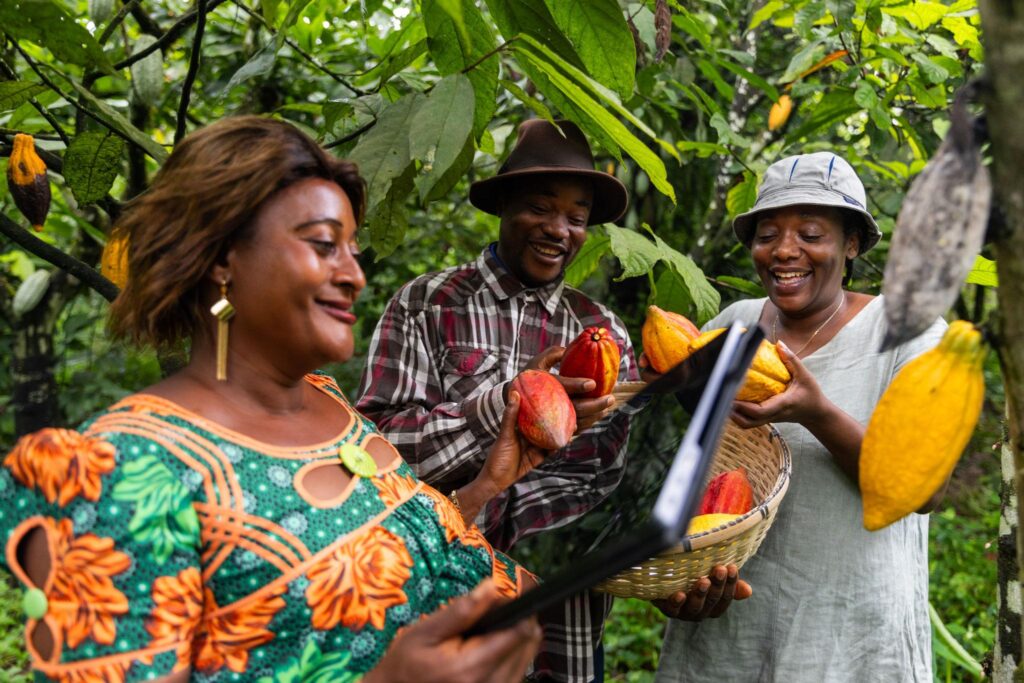
Cacao farmers, many of whom are based in West Africa and Latin America, stand to gain significantly from improved certification systems—if implemented fairly. Higher-quality beans can lead to higher incomes, helping farmers invest in better equipment, education, and sustainable farming practices.
However, there are also risks. Smaller farmers may struggle to meet new standards due to limited resources or access to training. Without proper support, certification systems could widen the gap between large producers and smallholder farmers. This makes it critical for governments and organizations to provide funding, education, and infrastructure to ensure inclusivity.
Why this matters now for consumers and global sustainability
Consumers are becoming more conscious of sustainability, ethical sourcing, and product quality. Chocolate is no longer just a sweet treat—it is increasingly viewed as an artisanal product with a story behind it. Certification standards allow consumers to make more informed choices, similar to selecting specialty coffee or fine wine.
This also ties into broader environmental concerns. Sustainable cacao farming can reduce deforestation, improve soil health, and support biodiversity. As climate challenges intensify, adopting better standards could help stabilize supply chains while promoting responsible farming practices.

The future of chocolate certification and global trade
Looking ahead, cacao certification standards are likely to evolve further, incorporating technology such as blockchain for traceability and AI-driven quality analysis. These innovations could make it easier to verify origin, track supply chains, and ensure compliance with ethical standards.
For global trade, this could mean a more transparent and efficient marketplace, where quality and sustainability are rewarded. Countries that invest in high-quality cacao production may see increased exports and stronger positioning in the global market. Meanwhile, consumers will benefit from better products and greater confidence in what they are buying.
The transformation of cacao evaluation marks a significant moment for the chocolate industry. By aligning with the practices of coffee and wine, cacao is gaining recognition as a complex and valuable agricultural product, rather than just a raw ingredient.
Subscribe to trusted news sites like USnewsSphere.com for continuous updates.