
Stocks Jump, Oil Volatility Drops — Inside the Massive Market Shift Driving 2026 Gains is shaping one of the most important financial narratives of the year. A powerful combination of falling oil volatility and renewed investor confidence is fueling a strong rally across global equity markets, especially in the United States.
After months of uncertainty driven by geopolitical risks and inflation concerns, markets are now entering a phase of stabilization. This shift is not only boosting stock prices but also reshaping investor strategies, signaling what could be a broader transformation in the global economic cycle.
Why Stocks Are Surging in 2026
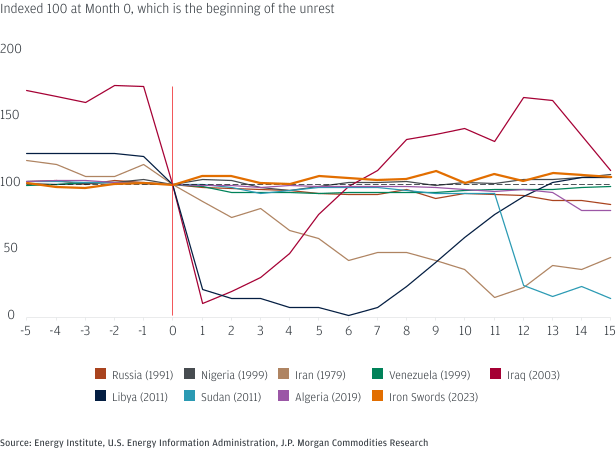
The recent surge in stocks is driven by a combination of macroeconomic and geopolitical factors. One of the most significant drivers is the easing of tensions in key energy-producing regions, which has reduced uncertainty in global markets.
Investor sentiment plays a crucial role in market movements. As fears around supply disruptions and inflation begin to fade, confidence is returning. This has led to increased capital flows into equities, particularly in growth-oriented sectors.
Additionally, strong corporate earnings and resilient economic data are supporting the rally. Companies across multiple industries are showing adaptability and growth despite earlier challenges.
Oil Volatility Drops: A Game-Changer for Markets

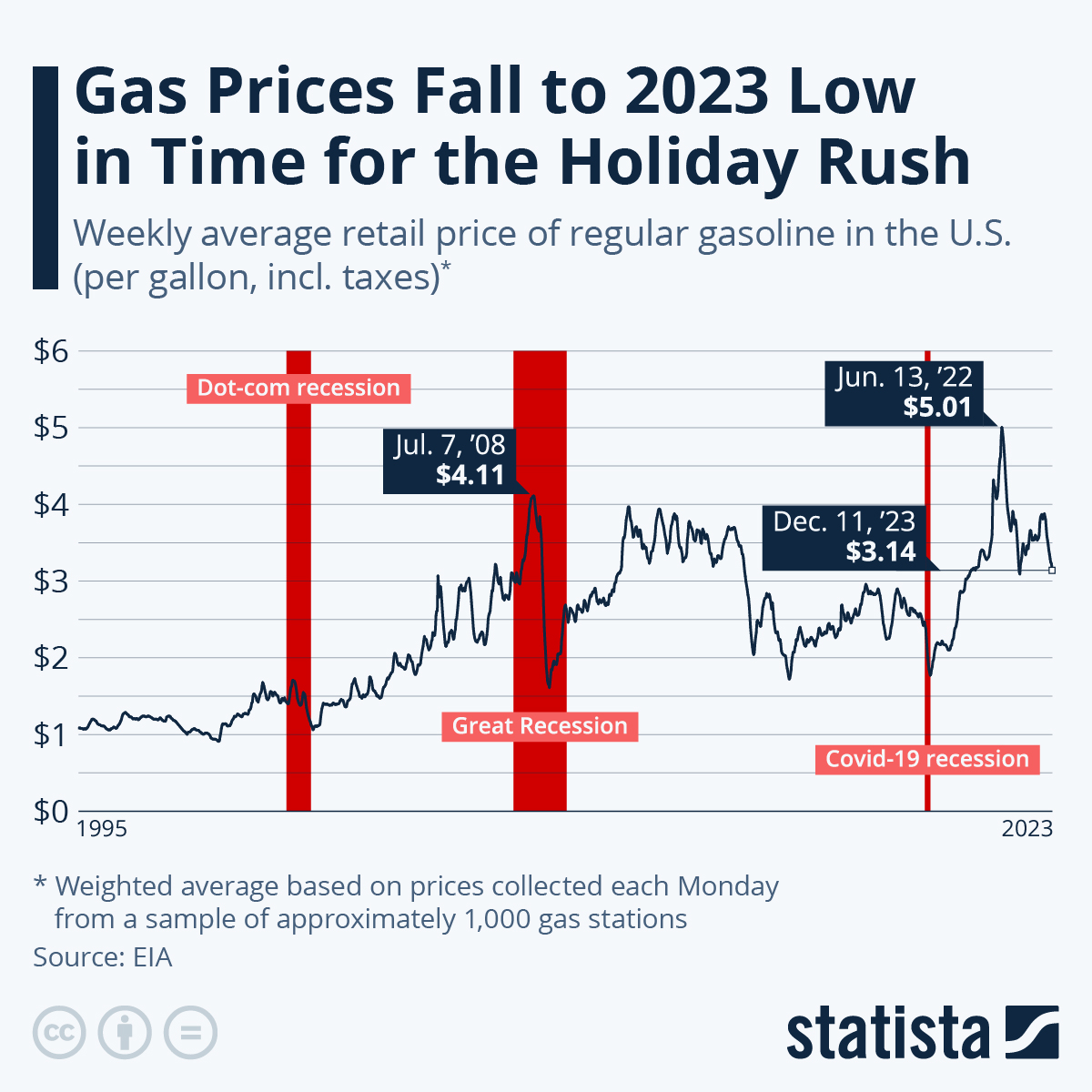
Oil volatility has been one of the biggest sources of market instability in recent years. Sharp fluctuations in oil prices can disrupt economies, increase inflation, and create uncertainty for businesses and consumers.
In 2026, the decline in oil volatility is providing much-needed stability. More predictable energy prices allow businesses to plan effectively and reduce operational risks.
For consumers, stable or declining fuel costs translate into increased disposable income. This supports spending and contributes to overall economic growth, further boosting market confidence.
The Inflation Connection: Why Lower Energy Costs Matter
Lower oil volatility directly impacts inflation. Energy costs are a major component of inflation, influencing everything from transportation to manufacturing.
As oil prices stabilize, inflationary pressures begin to ease. This is particularly important for central banks, which have been focused on controlling inflation through interest rate policies.
A stable inflation environment creates favorable conditions for economic growth and equity markets. It also reduces uncertainty, encouraging long-term investment.
Federal Policy and Interest Rate Outlook
Federal Reserve policy remains a critical factor in shaping the market outlook. With inflation pressures easing, there is growing speculation about the future direction of interest rates.
Lower or stable interest rates are generally positive for equities, especially for growth stocks. They reduce borrowing costs and increase the present value of future earnings.
However, policymakers are likely to remain cautious. Economic data, global developments, and financial stability considerations will continue to influence their decisions.
Where Smart Investors Are Positioning Their Money


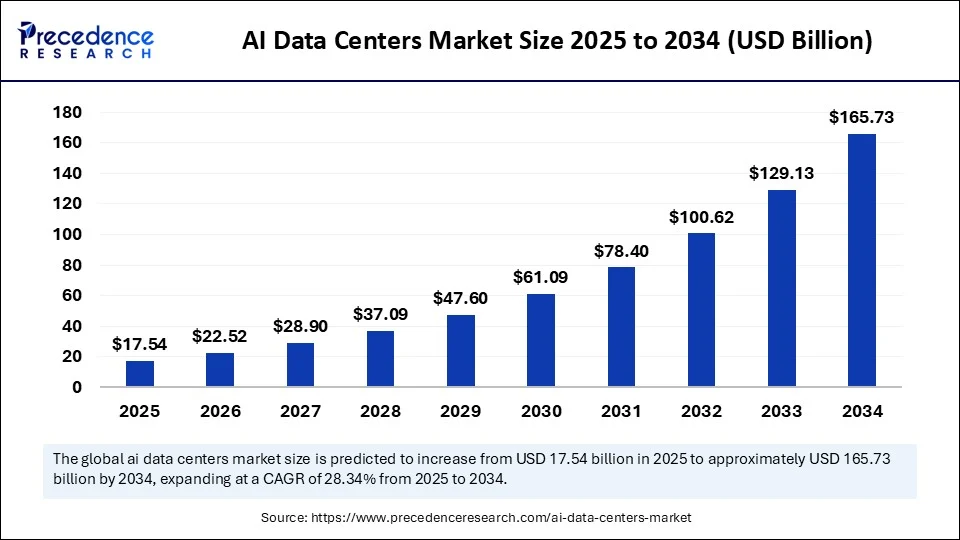
In the current market environment, investors are focusing on sectors that benefit from stability and growth. Technology remains a leading sector, driven by advancements in artificial intelligence and cloud computing.
Consumer discretionary stocks are also gaining traction, supported by improved consumer confidence and spending. Lower energy costs play a significant role in this trend.
At the same time, investors are maintaining diversified portfolios to manage risk. Balancing growth opportunities with defensive positions is a key strategy in navigating market conditions.
Risks That Could Impact the Market Shift
Despite the positive momentum, risks remain. Geopolitical tensions could re-emerge, potentially disrupting energy markets and reversing recent gains.
Inflation, while easing, is not completely under control. Any unexpected increase could lead to changes in monetary policy, affecting market sentiment.
Additionally, global economic uncertainties, including slowdowns in major economies, could impact corporate earnings and investor confidence.
Market Outlook: Is This a Sustainable Trend?
The current market shift suggests the possibility of a sustained period of growth. However, sustainability depends on several factors, including economic stability, policy decisions, and global developments.
While the signs are encouraging, markets are inherently unpredictable. Investors should remain vigilant and adaptable, focusing on long-term trends rather than short-term fluctuations.
The combination of lower oil volatility, easing inflation, and improving sentiment provides a strong foundation—but it is not without challenges.
A Turning Point for Global Markets
The alignment of falling oil volatility and rising stock markets marks a significant turning point in 2026. This shift highlights the interconnected nature of global economies and financial markets.
For investors, this is an opportunity to reassess strategies and capitalize on emerging trends. Understanding the underlying drivers of market movements is essential for making informed decisions.
As the global economy continues to evolve, staying informed and proactive will be key to navigating the opportunities and risks ahead.
Subscribe to trusted news sites like USnewsSphere.com for continuous updates.