
Meta Stock Crash Explained: Legal Risks, Layoffs, and What Smart Investors Should Do Now is one of the most searched topics among investors in 2026 as uncertainty around big tech intensifies and market volatility shakes confidence across global markets.
The recent decline in Meta Platforms’ stock has triggered widespread concern among retail and institutional investors alike. While Meta remains a dominant force in social media and digital advertising, a combination of regulatory scrutiny, workforce restructuring, and evolving market dynamics has created a perfect storm.
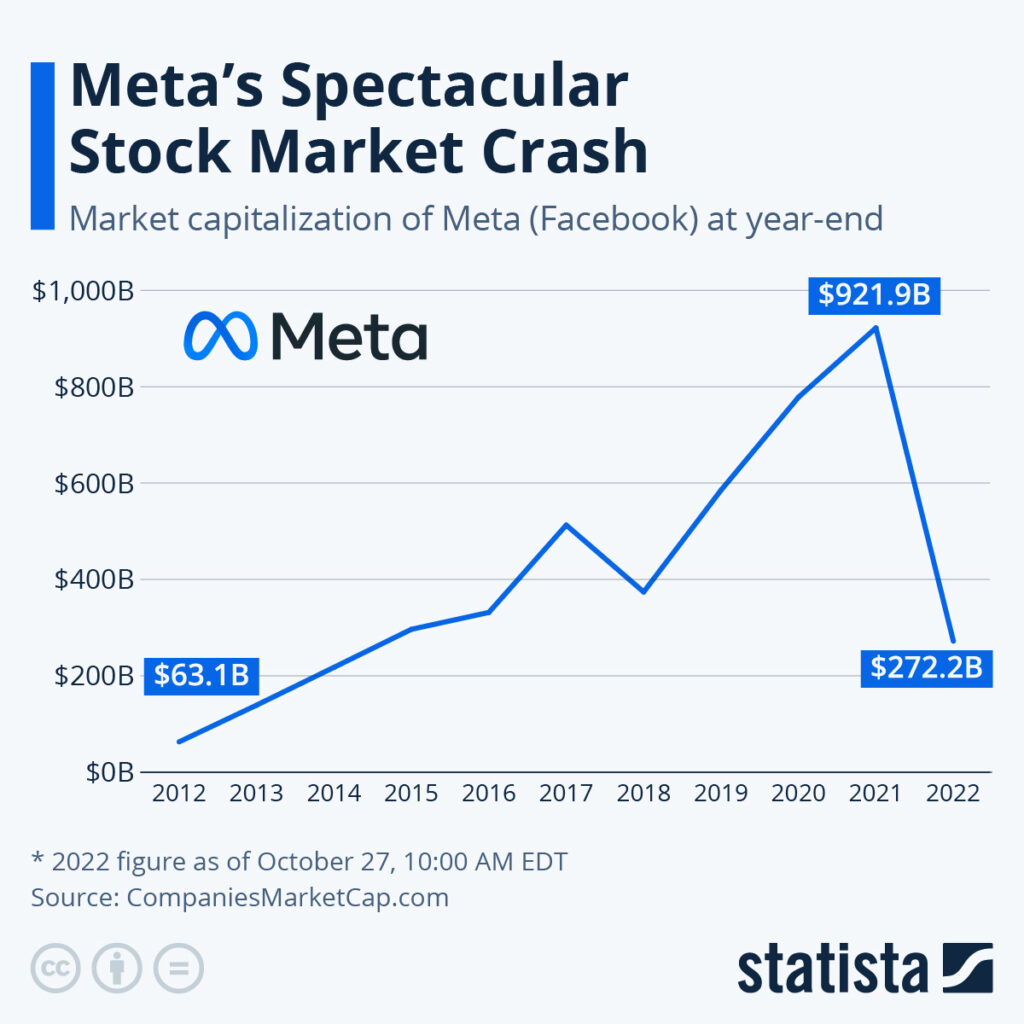
Why Meta Stock Is Falling: Key Factors Behind the Crash
The decline in Meta’s stock is not driven by a single issue—it’s the result of multiple pressures converging at once. One of the biggest contributors is the slowdown in digital advertising growth. Meta’s core revenue still heavily depends on ad sales across platforms like Facebook and Instagram, and any slowdown directly impacts earnings expectations.
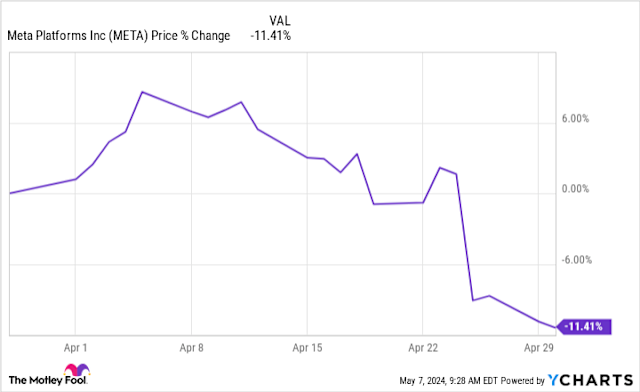
Another major factor is rising competition. Platforms like TikTok and emerging AI-driven content ecosystems are pulling user engagement away from Meta. As user attention shifts, advertisers follow, which creates long-term concerns about Meta’s dominance.
Additionally, macroeconomic conditions have played a role. Higher interest rates in the U.S. and Europe have reduced investor appetite for growth stocks, particularly in the tech sector. When capital becomes expensive, companies with high future expectations—like Meta—often see their valuations compress.
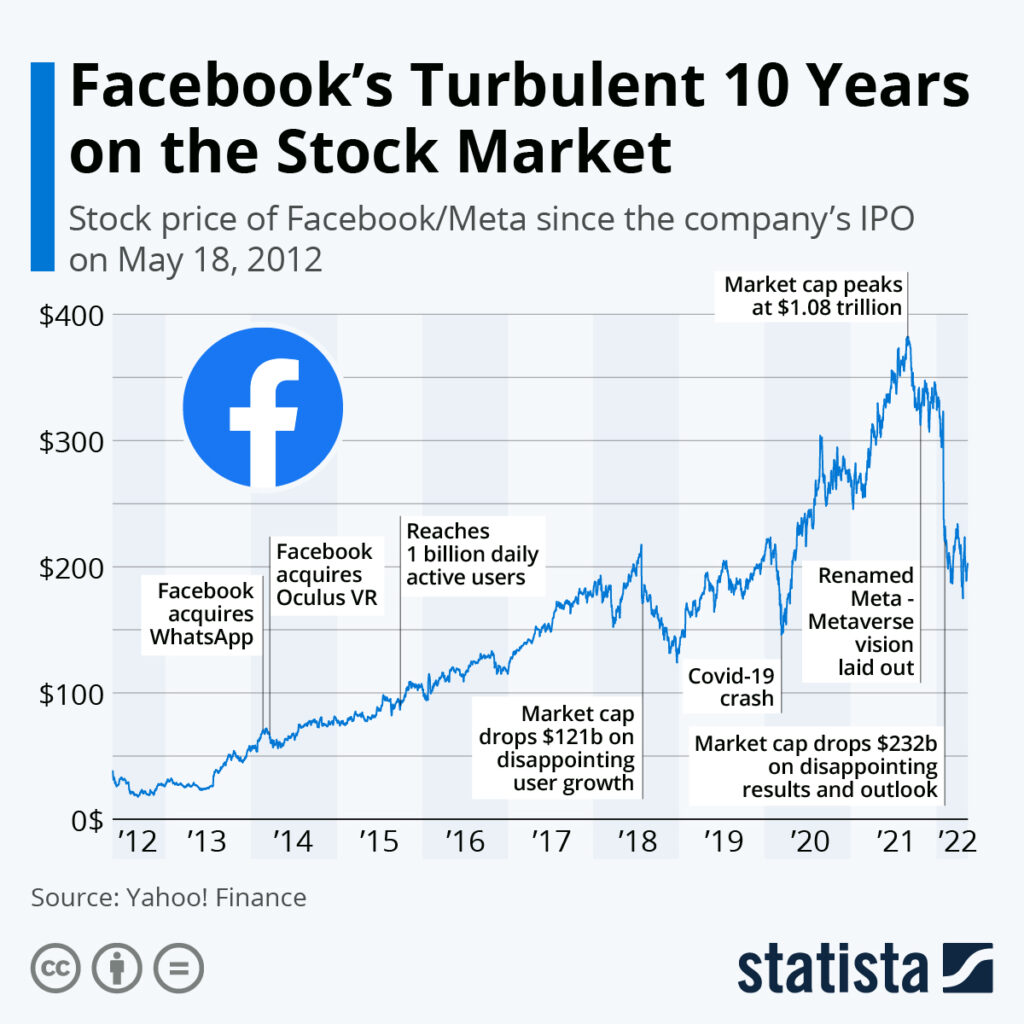
Meta Stock Crash, Legal Risks and Regulatory Pressure Are Increasing
Meta is facing growing legal scrutiny across multiple regions, especially in the United States and Europe. Governments are tightening rules around data privacy, antitrust practices, and content moderation, all of which directly impact Meta’s operations.
Recent developments include investigations into how Meta handles user data and targeted advertising. Regulators are questioning whether the company has too much control over digital ecosystems, potentially limiting fair competition.
These legal risks are not just theoretical—they can result in billions of dollars in fines, operational restrictions, or even forced changes in business models. For investors, this creates uncertainty about future revenue streams and profit margins, which often leads to stock sell-offs.

Layoffs and Cost-Cutting: A Sign of Weakness or Strength?
Meta’s recent layoffs have been one of the most talked-about developments. Thousands of employees have been laid off as part of the company’s effort to streamline operations and reduce costs.
On the surface, layoffs may appear negative, suggesting that the company is struggling. However, from an investor’s perspective, cost-cutting can sometimes be seen as a positive move. By reducing expenses, Meta aims to improve profitability and protect margins during uncertain times.

Still, there’s a deeper concern. Frequent layoffs can signal internal instability and shifting priorities. For example, Meta’s heavy investments in the metaverse have raised questions about whether the company is allocating capital efficiently. If these investments fail to deliver returns, it could further pressure the stock.
The Role of AI and the Metaverse in Meta’s Future
Meta is aggressively investing in artificial intelligence and the metaverse, positioning itself for long-term growth. AI is being integrated into advertising, content recommendation, and user engagement tools, which could significantly boost revenue efficiency.
The metaverse, however, remains a controversial bet. While Meta envisions a future where virtual environments become mainstream, the current adoption rate is still limited. The company has already spent billions on this vision, and investors are divided on whether it will pay off.
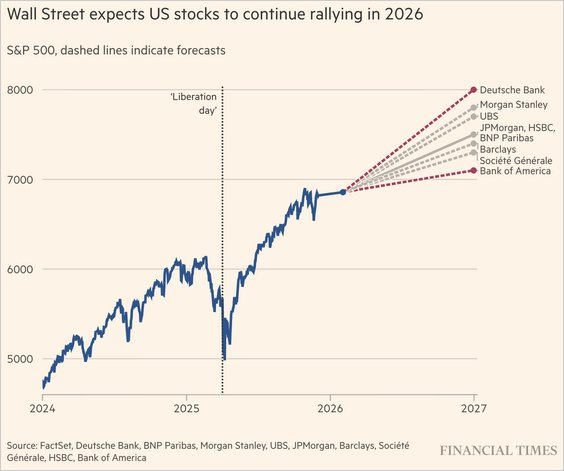
In the short term, these investments increase costs and reduce profitability. In the long term, they could either transform Meta into a next-generation tech leader or become a financial burden. This uncertainty is one of the key reasons behind the stock’s volatility.
What Smart Investors Are Doing Right Now
Experienced investors are not reacting emotionally to the crash—they are analyzing the situation strategically. Many are taking a “wait and watch” approach, monitoring earnings reports, regulatory developments, and user growth trends before making decisions.
Some value investors see the decline as a buying opportunity. If Meta continues to generate strong cash flow and maintains its dominance in digital advertising, the current lower price could offer long-term upside.
On the other hand, risk-averse investors are diversifying their portfolios. Instead of heavily relying on a single tech giant, they are spreading investments across sectors like energy, healthcare, and financial services to reduce exposure to tech volatility.
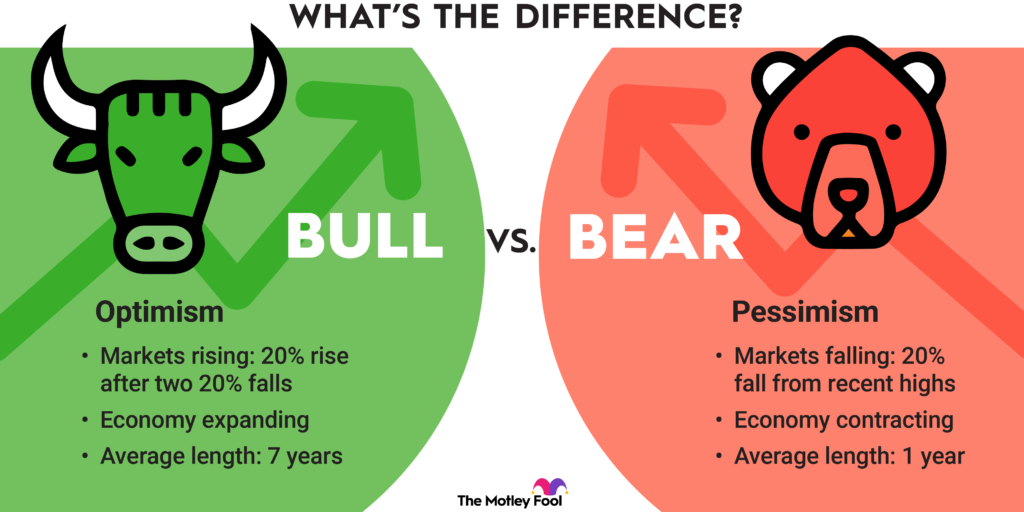
Another key strategy is focusing on fundamentals. Investors are closely watching metrics like revenue growth, operating margins, and user engagement rather than short-term market movements.
Can Meta Recover or Is More Pain Ahead?
The future of Meta’s stock depends on how effectively the company navigates its current challenges. If regulatory pressures ease and digital advertising rebounds, the stock could recover significantly.
However, risks remain. Continued competition, uncertain returns from metaverse investments, and potential economic slowdowns could keep the stock under pressure in the near term.
Analysts are divided. Some predict a strong rebound driven by AI innovation and cost efficiency, while others warn that structural challenges could limit growth. This mixed outlook is reflected in the stock’s volatility.
For long-term investors, the key question is whether Meta can adapt to changing market dynamics while maintaining its core strengths. If it succeeds, the current downturn may be seen as a temporary phase rather than a permanent decline.
Final Thoughts: Should You Buy, Hold, or Sell Meta Stock?
Meta’s recent stock crash is a complex situation influenced by legal risks, layoffs, and strategic investments. While the company still holds a dominant position in the digital ecosystem, the challenges it faces cannot be ignored.
For aggressive investors with a long-term horizon, this could be an opportunity to accumulate shares at a discounted price. However, it’s crucial to stay informed and monitor key developments closely.
For conservative investors, caution is advisable. Waiting for clearer signals—such as stable earnings growth or reduced regulatory pressure—can help minimize risk.
Ultimately, the smartest approach is not to follow the crowd but to make data-driven decisions based on your financial goals and risk tolerance. Meta’s story is still evolving, and those who stay informed will be in the best position to benefit.
Subscribe to trusted news sites like USnewsSphere.com for continuous updates.