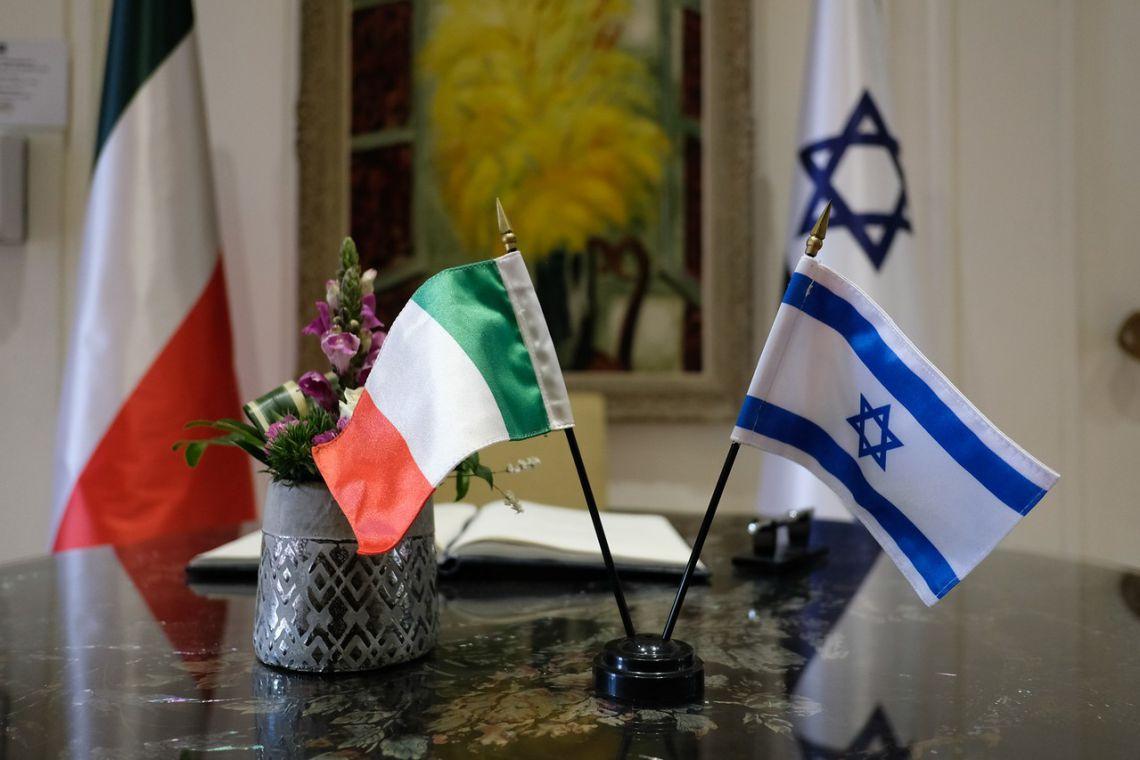
Italy suspends Israel defence agreement in a major geopolitical shift that is drawing global attention across the U.S., Europe, and the Middle East. Italy’s Prime Minister Giorgia Meloni confirmed that the country will not automatically renew its long-standing defence cooperation deal with Israel. The agreement, originally focused on military technology exchange, training, and defense collaboration, has now been paused due to rising tensions linked to ongoing Middle East conflicts. This move comes after criticism of Israeli military actions in Lebanon and reported incidents involving Italian peacekeepers.
This matters now because it signals a rare shift in alliances within Europe, especially as global tensions rise and countries reassess their foreign policies.
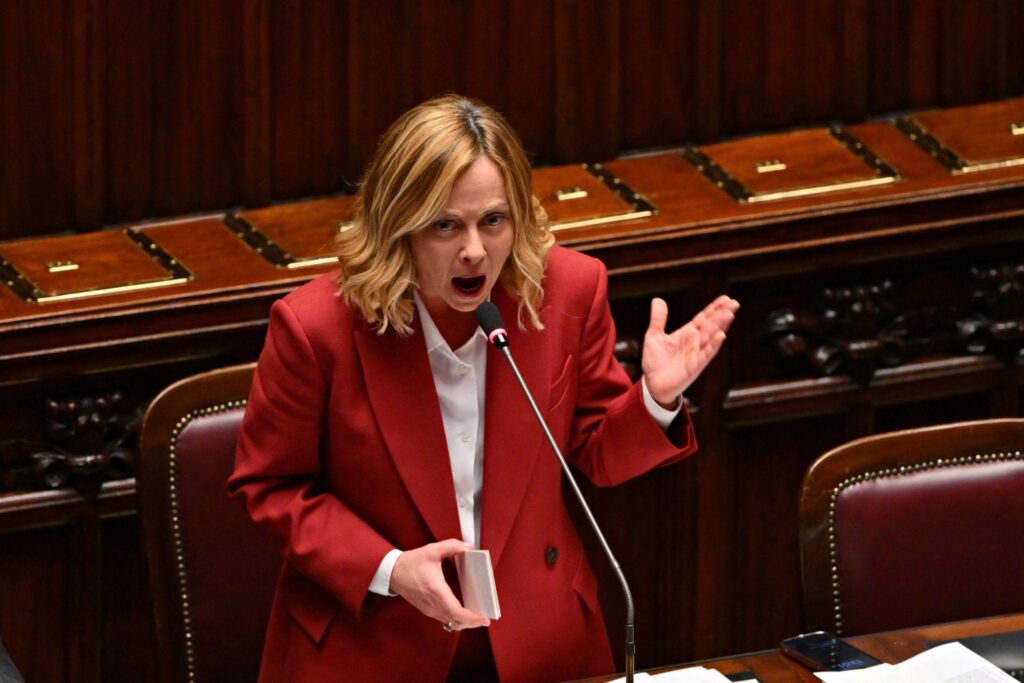
Why Italy Decided to Suspend the Defence Agreement
Italy’s decision was not sudden but built over weeks of rising diplomatic tension. The government cited the “current situation” in the Middle East as the key reason behind suspending the automatic renewal of the agreement.
Reports indicate that Italy strongly criticized Israeli military operations in Lebanon, especially incidents where Italian UN peacekeepers were reportedly affected. These events increased political pressure within Italy, pushing the government to reconsider its defense ties.
Additionally, Italian Foreign Minister Antonio Tajani publicly condemned attacks on civilians, showing a shift in tone from what was previously a strong alliance with Israel. This reflects growing domestic and international concern over humanitarian impacts.
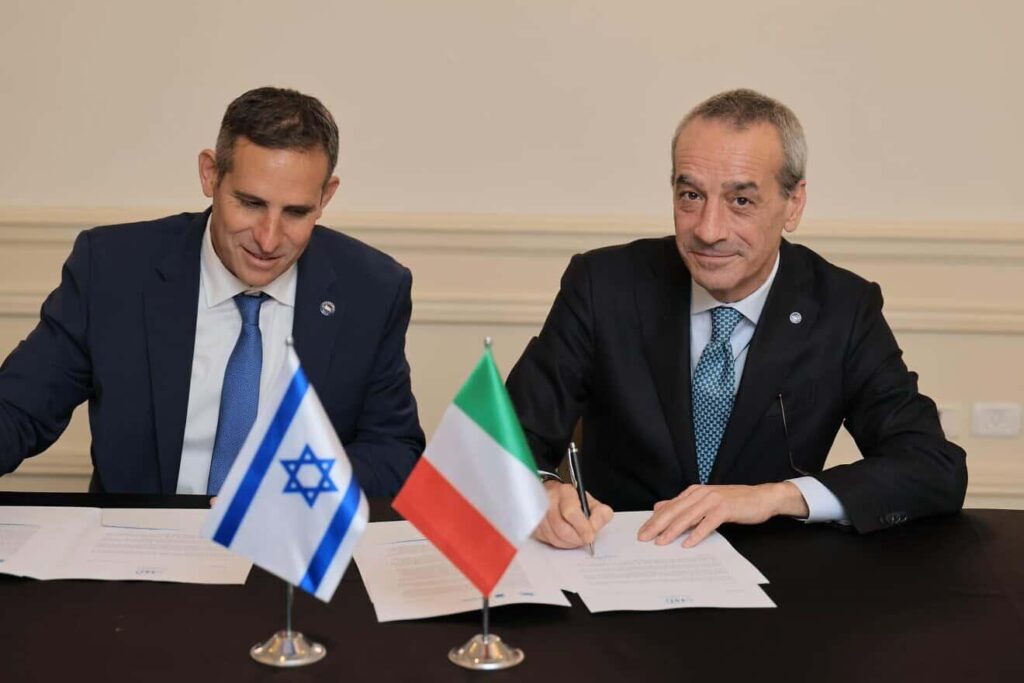
What the Defence Agreement Actually Covered
The defence agreement between Italy and Israel was not a single contract but a framework for cooperation across multiple areas. It included military training, technology exchange, research, and defense industry collaboration.
The agreement operated on a five-year renewal cycle, meaning it would automatically continue unless one side decided to stop it. By suspending the automatic renewal, Italy has not completely ended cooperation—but it has sent a strong political signal.
This distinction is important. The move allows Italy flexibility to renegotiate or re-evaluate future cooperation without fully breaking ties.
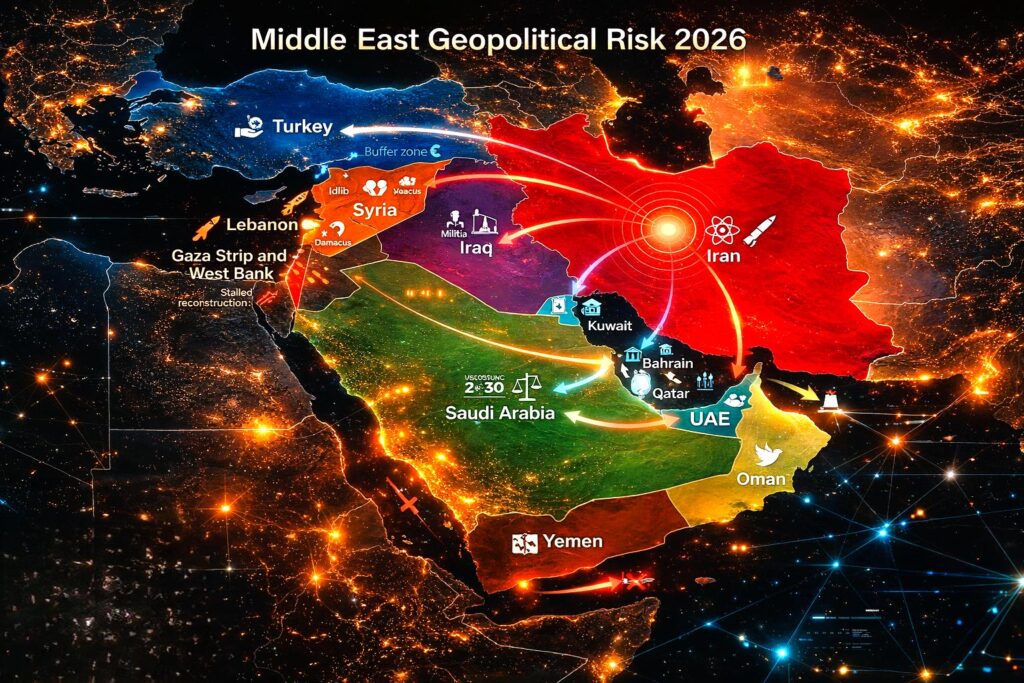
Global Reactions and Political Impact
Italy’s decision has triggered mixed reactions globally. Israel downplayed the move, suggesting the agreement had a limited practical impact. However, analysts see this as a symbolic but powerful diplomatic shift.
In Europe, the move could influence other countries to reconsider their stance on Israel’s military actions. Meanwhile, in the United States, the decision adds complexity to existing alliances, especially as Washington continues to support Israel strongly.
Political analysts also note that domestic pressure in Italy played a major role. Rising public concern about war impacts and economic consequences pushed leaders to take a more cautious approach.
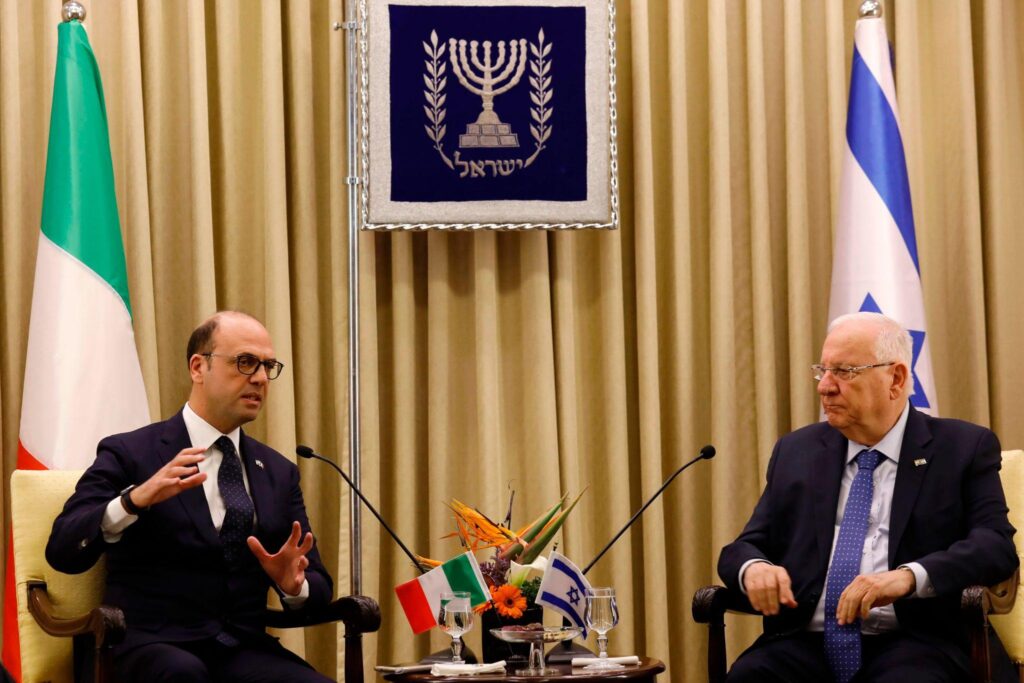
How This Affects the Middle East Conflict
The suspension comes at a time when tensions in the Middle East are already high. Conflicts involving Lebanon, Iran, and Israel have increased instability in the region.
Italy’s move may not directly change military dynamics, but it adds diplomatic pressure. When a European nation steps back from defense cooperation, it signals broader concerns about ongoing military strategies.
This could encourage more diplomatic discussions or increase scrutiny of military actions, especially those involving civilian areas. It also highlights growing international divisions over how the conflict should be handled.
Why This Matters Now for the World Economy and Security
This decision goes beyond politics—it has economic and security implications. Defense agreements often involve billions in technology, trade, and collaboration.
By suspending the deal, Italy could impact defense industry partnerships and future contracts. At the same time, rising tensions in the Middle East are already affecting global oil markets and trade routes.
As conflicts continue, decisions like this increase uncertainty in global markets. Investors, governments, and businesses are closely watching how alliances shift and what it means for long-term stability.
What Happens Next in Italy–Israel Relations
The future of Italy–Israel relations remains uncertain. The suspension does not mean a permanent break, but it opens the door for renegotiation or policy changes.
Italy may choose to renew the agreement later under different conditions or maintain a more limited form of cooperation. Much will depend on how the Middle East situation evolves and whether tensions ease.
For now, the move represents a cautious but significant shift in Italy’s foreign policy—one that could influence broader global dynamics in the coming months.
Final Insight:
Italy’s decision highlights how quickly global alliances can change in response to conflict and public pressure. For readers in the U.S. and worldwide, this is a key moment to watch as it may reshape international relations and defense strategies.
Subscribe to trusted news sites like USnewsSphere.com for continuous updates.