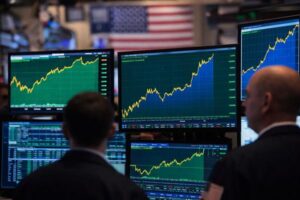
From Space Failures to AI Boom: How Blue Origin, Big Tech, and Global Markets Are Shaping the Future of Investing is more than just a headline—it reflects a powerful shift happening across industries that is directly impacting where smart money is flowing in 2026. Investors in the United States and across global markets are watching two contrasting forces unfold at the same time: setbacks in the private space race and explosive growth in artificial intelligence infrastructure. This intersection is creating new risks, new opportunities, and a completely different investment landscape.
In recent days, developments around Blue Origin’s New Glenn rocket, combined with rapid momentum in AI-driven semiconductor companies like Marvell and Broadcom, have captured the attention of Wall Street. At the same time, macroeconomic signals—falling oil prices, mixed tech earnings, and ongoing Federal Reserve uncertainty—are shaping investor sentiment in real time. This article breaks down the full picture so you can understand not just what is happening, but what it means for your portfolio and long-term wealth strategy.

Space Industry Setbacks Are Shaking Investor Confidence
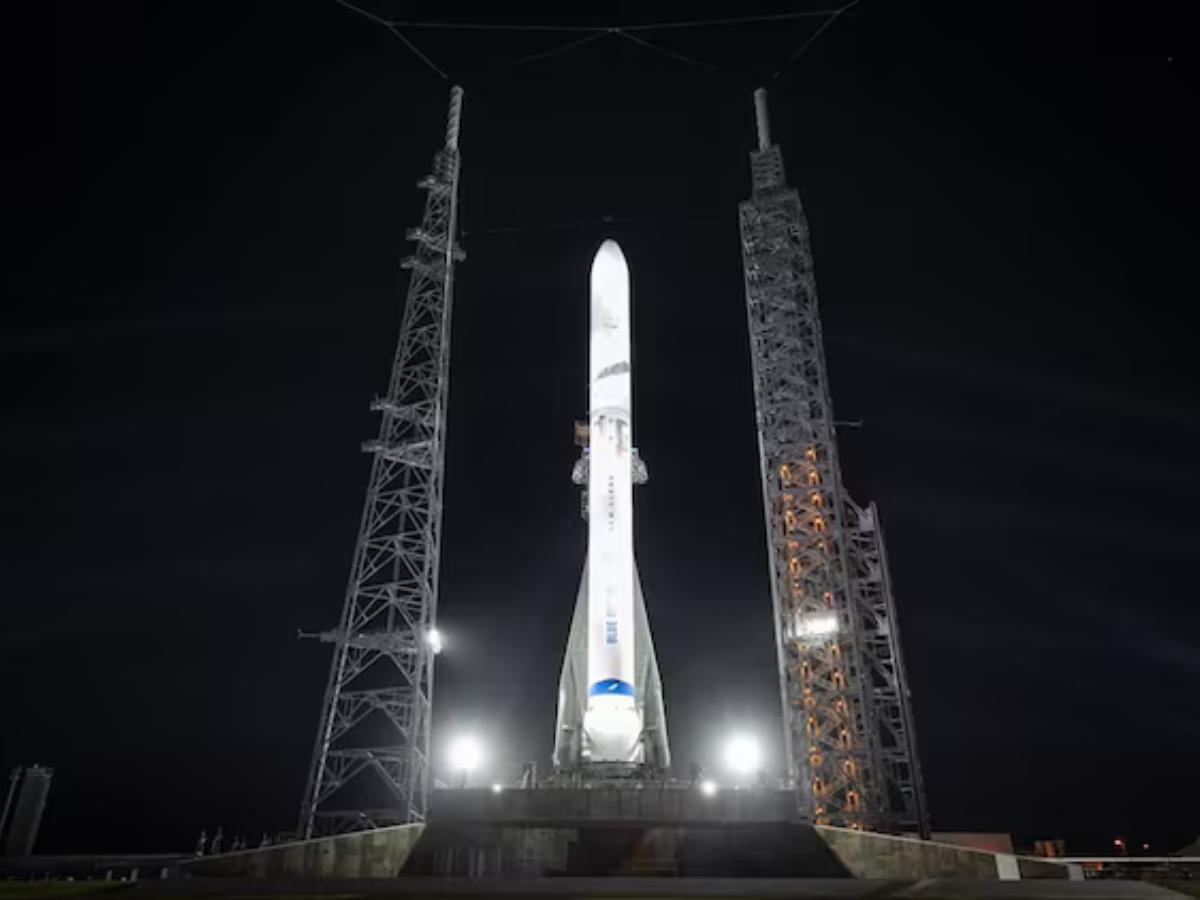
The private space race has been one of the most exciting investment themes over the last decade, driven by companies aiming to commercialize satellite launches, moon missions, and space infrastructure. However, recent events involving Blue Origin’s New Glenn rocket have highlighted the risks involved in this sector.
A mission mishap that reportedly destroyed a customer satellite led regulators to ground the rocket, triggering immediate concerns among investors. These developments are not just technical issues—they directly affect revenue timelines, customer trust, and future contracts. When a launch fails, it can delay billions of dollars in expected growth.
For investors, this serves as a reminder that space stocks remain highly speculative. While the long-term vision—moon missions, satellite internet, and space tourism—is compelling, the path is unpredictable. This volatility often leads to sharp price swings, making it critical to balance exposure with more stable sectors.
At the same time, NASA’s continued push toward lunar exploration keeps the long-term narrative alive. Government contracts and partnerships still provide a strong foundation, but private companies must prove reliability to sustain investor confidence.

AI Boom Is Dominating Wall Street and Driving New Wealth Opportunities
While space companies are facing short-term challenges, artificial intelligence is experiencing one of the strongest growth cycles in modern market history. AI is no longer just a trend—it is becoming the backbone of the global economy.
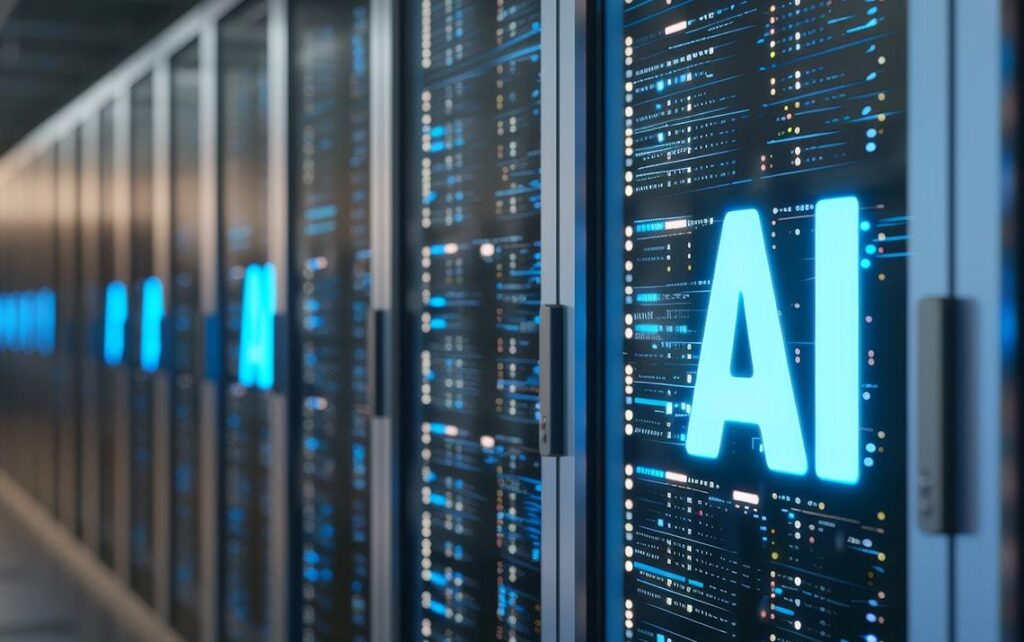
Companies involved in AI infrastructure—especially chipmakers and data transfer technology firms—are seeing massive demand. Businesses need faster processors, more efficient data centers, and advanced networking capabilities to support AI models. This has pushed stocks in this sector significantly higher.
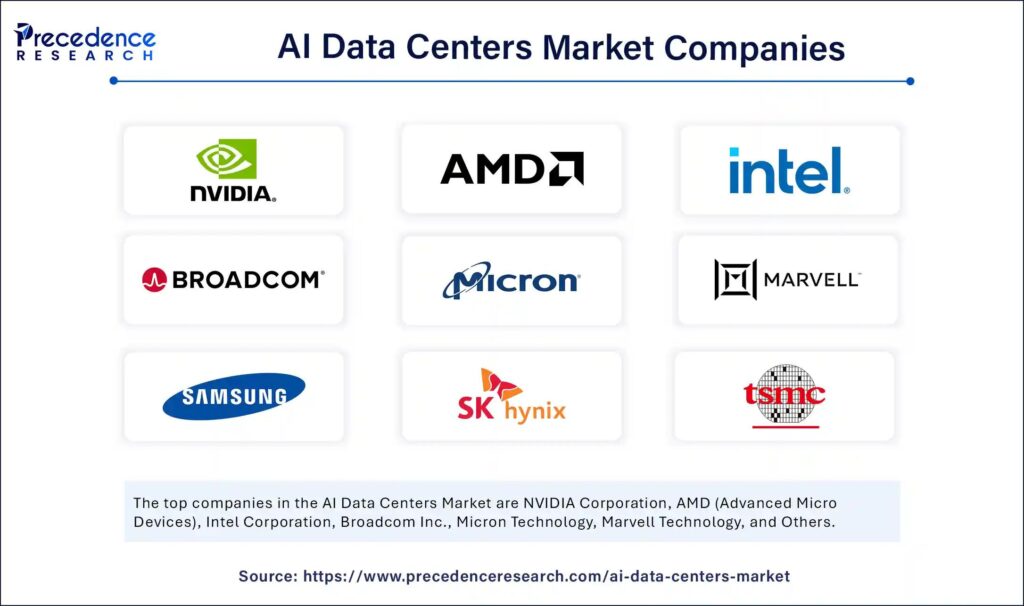
Marvell Technology and Broadcom are emerging as key players in solving one of AI’s biggest bottlenecks: data movement. As AI models grow larger, the ability to transfer data quickly becomes just as important as processing power. This is where these companies are gaining a competitive edge.
At the same time, discussions around custom AI chips, such as Google’s TPU development, signal a shift toward specialized hardware. This trend is expected to reshape the semiconductor industry and create new leaders over the next decade.
For investors, the takeaway is clear: AI is not a short-term trade—it is a long-term structural shift. The companies building the infrastructure behind AI are likely to dominate market returns for years.
Global Markets React to Energy Shifts and Tech Volatility
The broader market environment is playing a crucial role in shaping investment outcomes. One of the most significant recent developments is the sharp drop in oil prices following geopolitical changes affecting supply routes. Lower energy costs can act as a tailwind for equities, particularly in sectors like transportation and manufacturing.
However, the technology sector is showing mixed signals. While AI-related stocks are surging, some major companies like Microsoft and Intel have experienced volatility due to cautious outlooks and investor expectations. This divergence within the tech sector is creating both opportunities and risks.
Global stock markets are also responding to macroeconomic uncertainty. Investors are closely watching inflation trends, interest rate expectations, and corporate earnings. These factors influence everything from consumer spending to business investment decisions.
For US investors, this means staying informed is more important than ever. Market movements are no longer driven by a single factor—they are the result of multiple interconnected trends happening simultaneously.
Federal Policy and Regulation Are Becoming Key Market Drivers
Another critical factor shaping the investment landscape is government policy. Antitrust efforts, particularly those led by influential regulators, are targeting large technology companies. These actions could reshape competition and limit the dominance of major players.
At the same time, bipartisan concerns over potential airline mergers highlight increasing regulatory scrutiny across industries. Governments are becoming more active in preventing market concentration, which can impact corporate strategies and stock performance.
Trade policies are also evolving. Recent deals involving rare earth minerals signal a strategic shift as the United States aims to reduce dependence on foreign supply chains. This has major implications for industries like electronics, defense, and renewable energy.
For investors, policy changes can create both risks and opportunities. Companies that adapt quickly to regulatory environments often outperform those that struggle to adjust.
What Smart Investors Are Doing Right Now
In this rapidly changing environment, successful investors are focusing on a few key strategies. Diversification remains essential, but the definition of diversification is evolving. It is no longer just about spreading investments across sectors—it is about balancing growth themes with stability.
Many investors are increasing exposure to AI-related companies while reducing risk in more volatile sectors like speculative space stocks. At the same time, they are keeping a close eye on macroeconomic indicators to adjust their strategies accordingly.
Another important trend is the focus on long-term value rather than short-term hype. While it can be tempting to chase fast-moving stocks, sustainable wealth is built by investing in companies with strong fundamentals and clear growth paths.
Investors are also paying more attention to global trends. The interconnected nature of today’s economy means that developments in one region can quickly impact markets worldwide.
Market Outlook, Risks, and Future Opportunities
Looking ahead, the investment landscape is expected to remain dynamic. AI will likely continue to drive market growth, but valuations could become a concern if prices rise too quickly. At the same time, the space industry may recover as companies address technical challenges and improve reliability.
Key risks include economic slowdown, higher-than-expected interest rates, and geopolitical tensions. These factors can create volatility and impact investor confidence.
However, opportunities remain abundant. The transition to AI-driven economies, advancements in technology, and evolving global trade dynamics are creating new avenues for growth. Investors who stay informed and adaptable will be best positioned to benefit.
Final Thoughts: Navigating the New Era of Investing
The contrast between space industry setbacks and the AI boom highlights a broader truth about modern investing: markets are constantly evolving, and success depends on understanding these shifts. While some sectors face challenges, others are unlocking unprecedented opportunities.
For US investors, the key is to stay ahead of trends, focus on long-term value, and remain flexible in the face of change. The future of investing will not be defined by a single industry—it will be shaped by the interaction of technology, policy, and global economic forces.
Those who can connect these dots will not only protect their wealth but also position themselves for significant growth in the years ahead.
Subscribe to trusted news sites like USnewsSphere.com for continuous updates.