US Stocks Slide as Iran War Fears Spike Oil Prices — Is This the Start of a Bigger Market Crash? Global markets were shaken this week as geopolitical tensions involving Iran triggered a sharp surge in oil prices, sending U.S. stocks into a noticeable decline and raising fears of a broader financial downturn. Investors across Wall Street are now questioning whether this is just a temporary reaction or the early stages of a larger market correction—or even a crash.
The sudden shift in sentiment comes at a time when markets were already fragile due to high interest rates, inflation concerns, and slowing global growth. The added uncertainty from rising Middle East tensions has amplified volatility, pushing traders into defensive positions and safe-haven assets like gold and government bonds.
US Stocks Slide as Iran War: Oil Prices Surge as Geopolitical Tensions Escalate
The primary catalyst behind the recent stock market decline is the sharp increase in oil prices. Reports of escalating tensions involving Iran have led to fears of supply disruptions in the Middle East, a region responsible for a significant portion of global oil production.
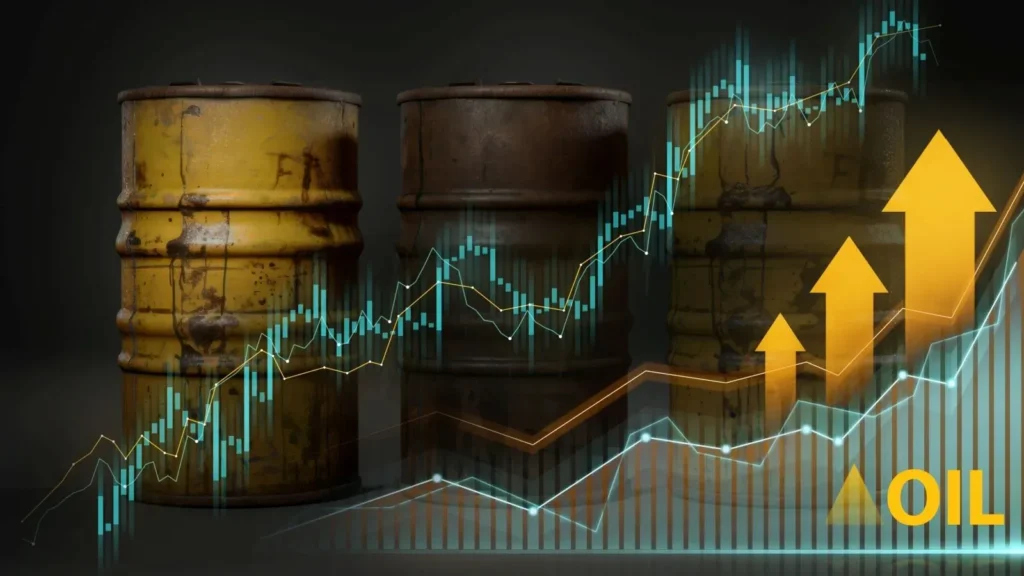
Crude oil prices surged by over 5–8% within days, with Brent crude crossing key resistance levels and approaching highs not seen in months. Historically, geopolitical conflicts in oil-producing regions tend to create immediate supply fears—even before actual disruptions occur. Traders price in risk quickly, which is exactly what we are witnessing now.
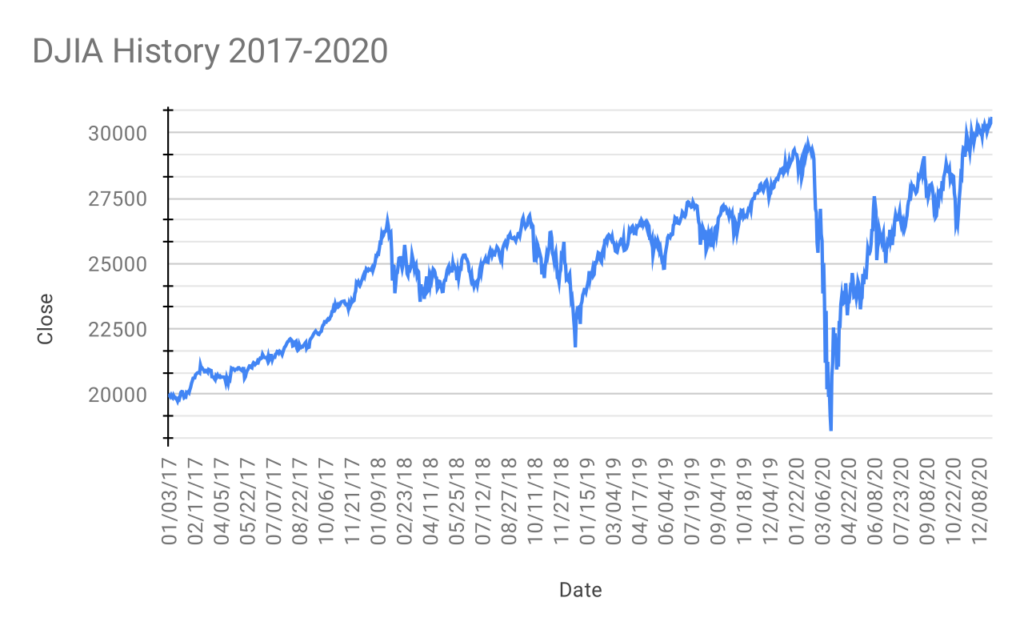
Higher oil prices directly impact the global economy. Energy costs influence everything—from transportation and manufacturing to consumer goods. When oil rises rapidly, it acts as a hidden tax on businesses and consumers, reducing spending power and slowing economic activity.
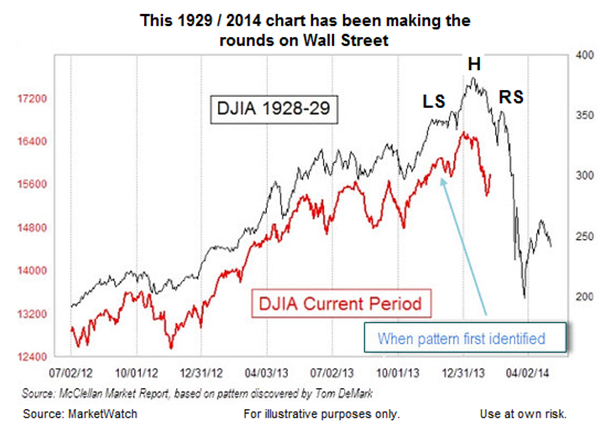
Why U.S. Stocks Are Falling Right Now
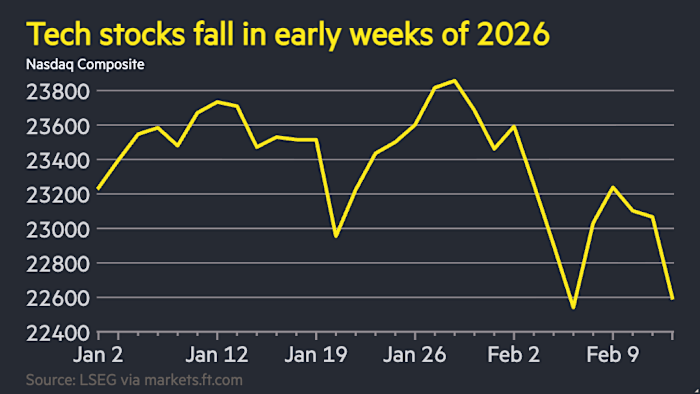
U.S. stock markets reacted sharply to the spike in oil prices and geopolitical risk. Major indices such as the S&P 500, Nasdaq, and Dow Jones Industrial Average recorded notable declines, with technology and consumer sectors leading the losses.
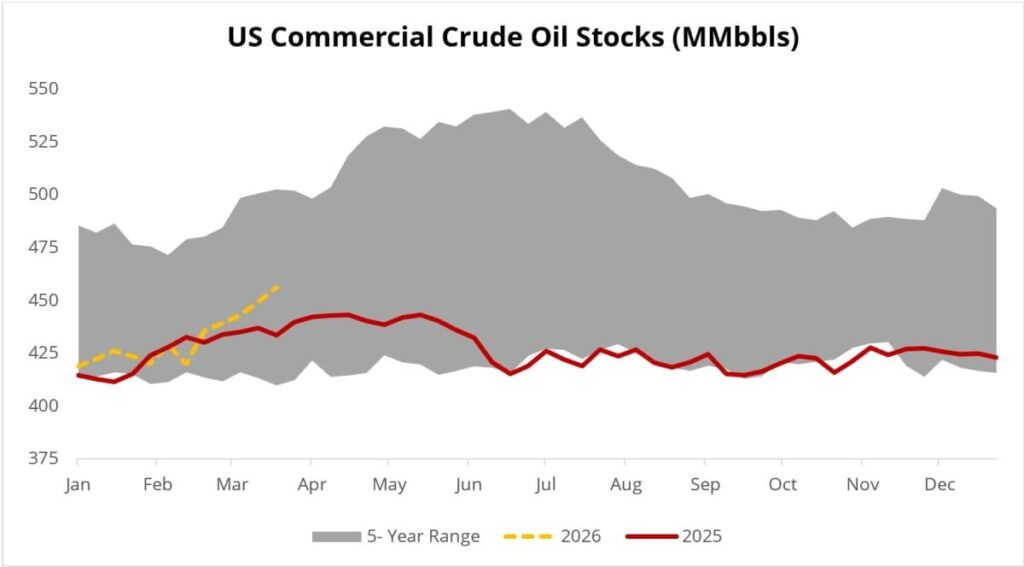
There are three key reasons behind this sell-off. First, rising oil prices increase inflation expectations. The Federal Reserve has been aggressively fighting inflation, and any sign of it returning could delay interest rate cuts. This is negative for equities, especially growth stocks.
Second, geopolitical uncertainty increases risk aversion. Investors tend to move away from equities during uncertain times and shift towards safer assets like U.S. Treasuries, gold, or even cash.
Third, corporate earnings outlooks become weaker. Higher energy costs reduce profit margins for many companies, particularly in industries like airlines, logistics, and manufacturing.
Historical Patterns: Do Oil Spikes Lead to Market Crashes?
Looking at history, sharp increases in oil prices have often preceded economic slowdowns or market corrections—but not always full-scale crashes.
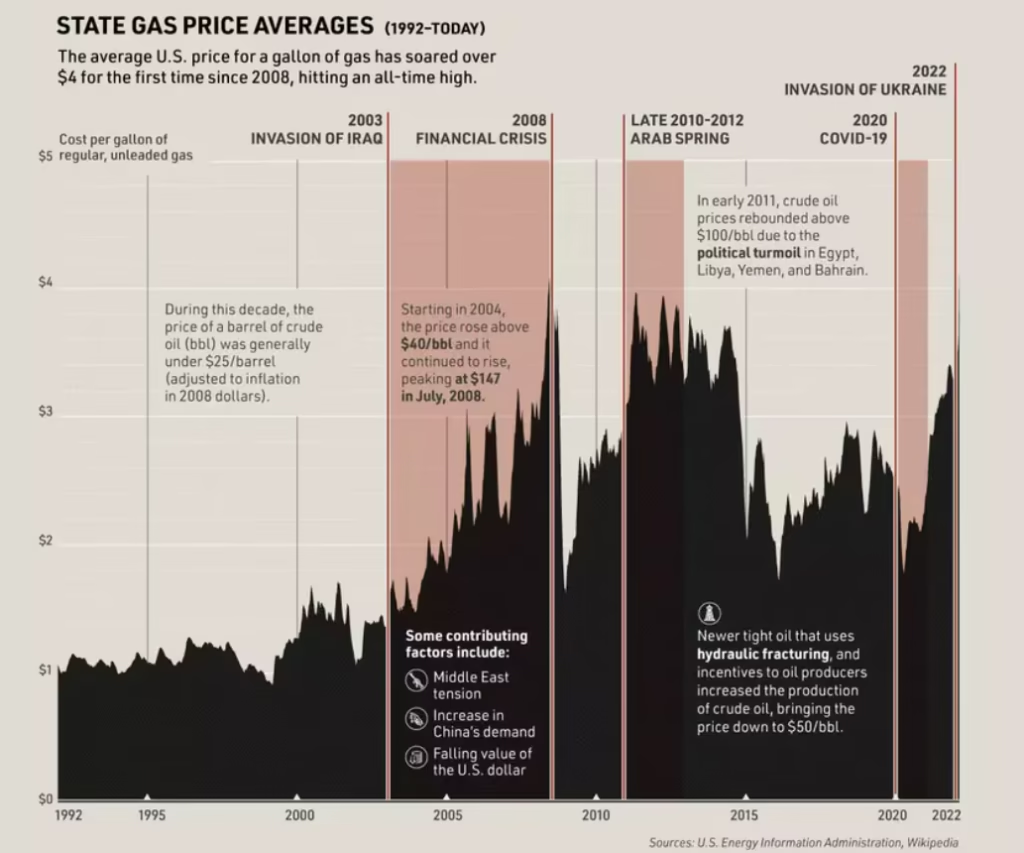
For example, during the 2008 financial crisis, oil prices surged to record highs before collapsing alongside global markets. Similarly, in 2022, the Russia-Ukraine conflict pushed oil prices above $120 per barrel, contributing to inflation spikes and market volatility.
However, not every oil-driven sell-off leads to a prolonged bear market. In many cases, markets recover once geopolitical tensions ease or supply stabilizes. The key difference lies in how long the crisis lasts and whether it impacts global economic growth significantly.
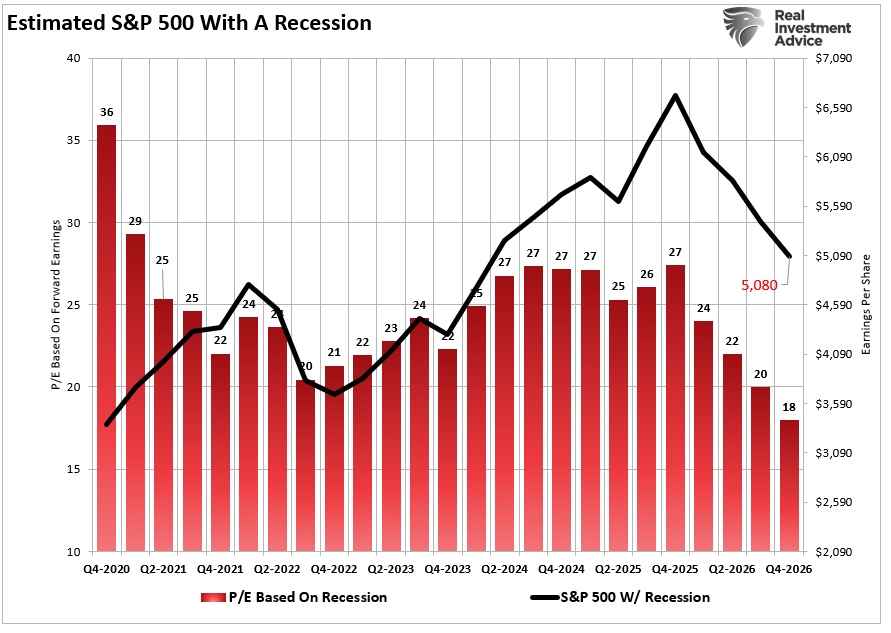
Currently, analysts believe we are in a “risk-driven correction phase” rather than a confirmed crash scenario—but that could change quickly depending on developments.
Expert Opinions: What Analysts Are Saying
Market experts and analysts are divided on whether this situation will escalate into a major crash.
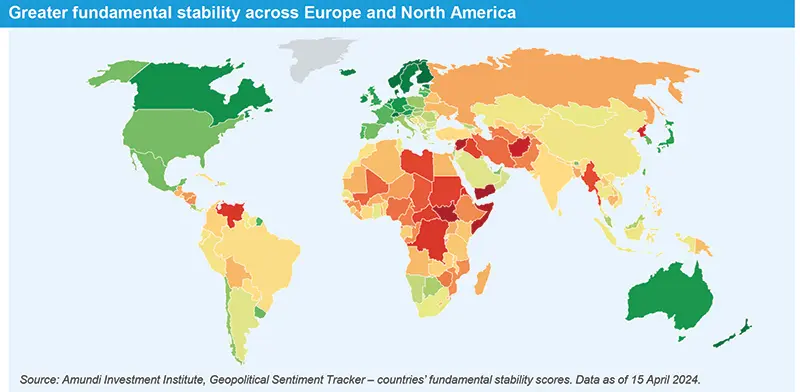
Some analysts warn that if tensions involving Iran escalate into a broader regional conflict, oil prices could spike above $100 per barrel. This would likely trigger another wave of inflation, forcing central banks to maintain or even increase interest rates—putting further pressure on equities.
Others believe the market reaction is somewhat exaggerated and driven by short-term panic. They argue that global oil supply remains relatively stable, with countries like the United States increasing production to offset potential disruptions.
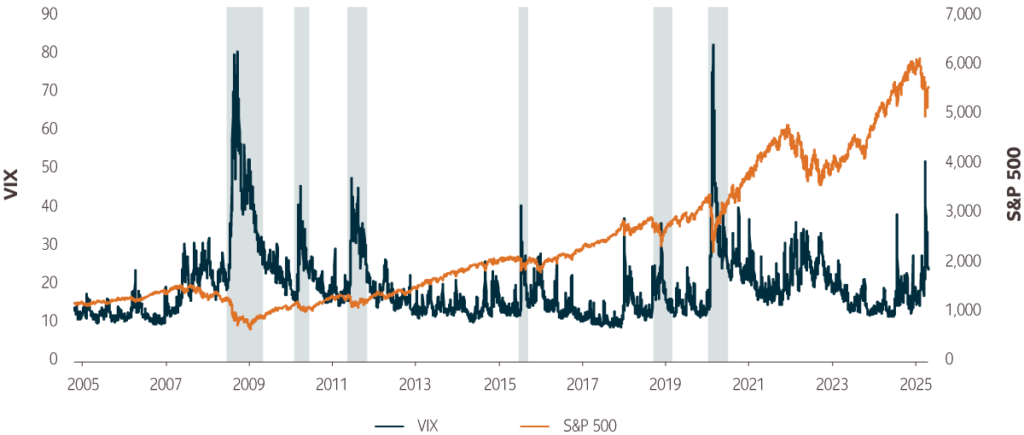
Investment strategists also point out that corporate earnings have remained resilient so far, and consumer spending has not collapsed—both of which are key indicators that the economy is not yet heading into a deep recession.
Market Outlook: Correction or Beginning of a Crash?
The big question investors are asking is whether this is just a correction or the start of a larger downturn.
In the short term, markets are likely to remain volatile. News headlines related to Iran and Middle East developments will continue to drive sentiment. Any escalation could lead to further sell-offs, while signs of de-escalation could trigger sharp rebounds.
In the medium term, the direction of the market will depend on three major factors: oil price stability, central bank policy, and corporate earnings. If oil prices stabilize below critical levels and inflation remains under control, markets could recover.
However, if oil continues rising and inflation resurges, it could create a perfect storm—high interest rates, slowing growth, and declining earnings—conditions that historically lead to bear markets.
Key Risks Investors Should Watch Closely
Several critical risks could determine whether this situation worsens or stabilizes.
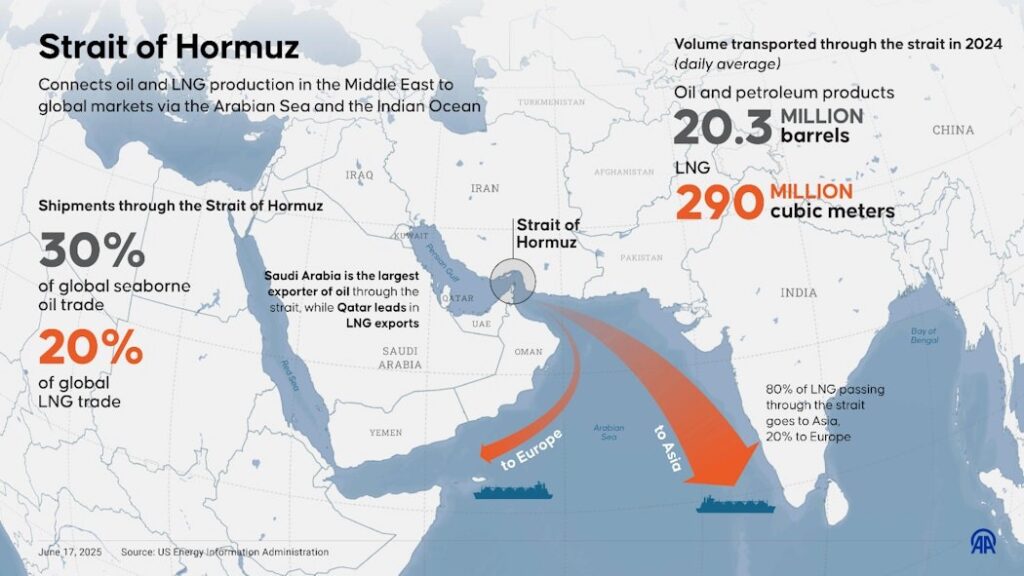
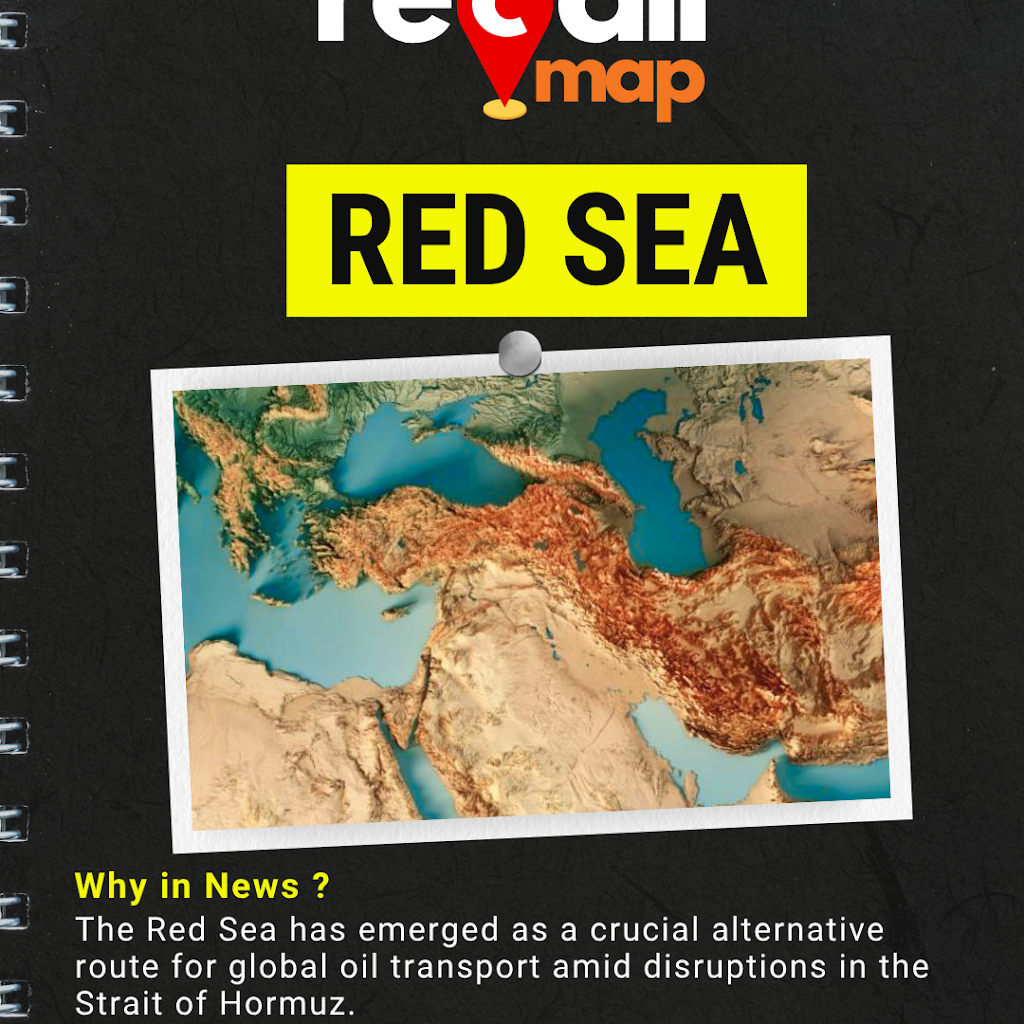
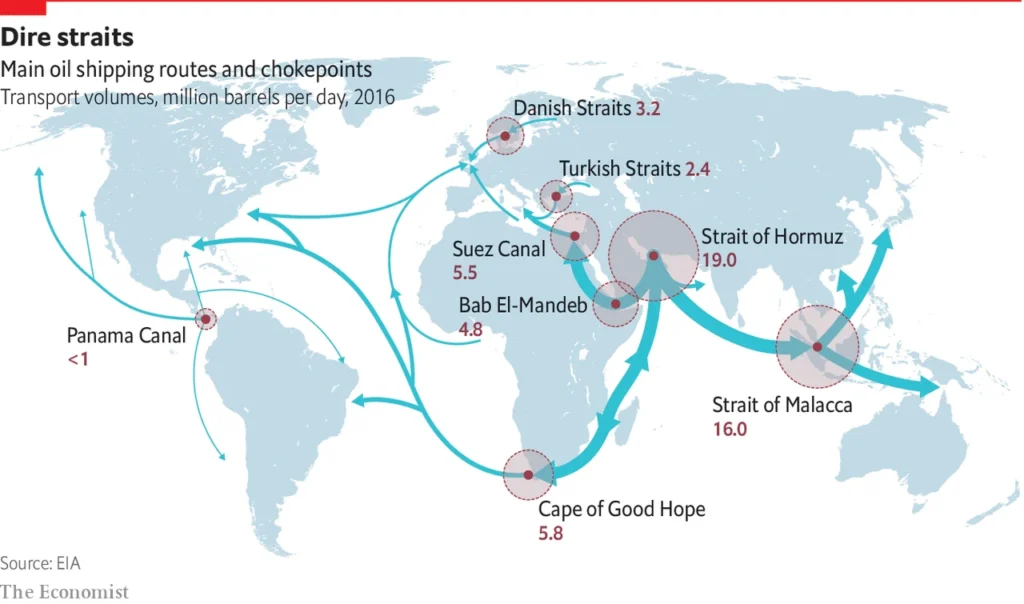
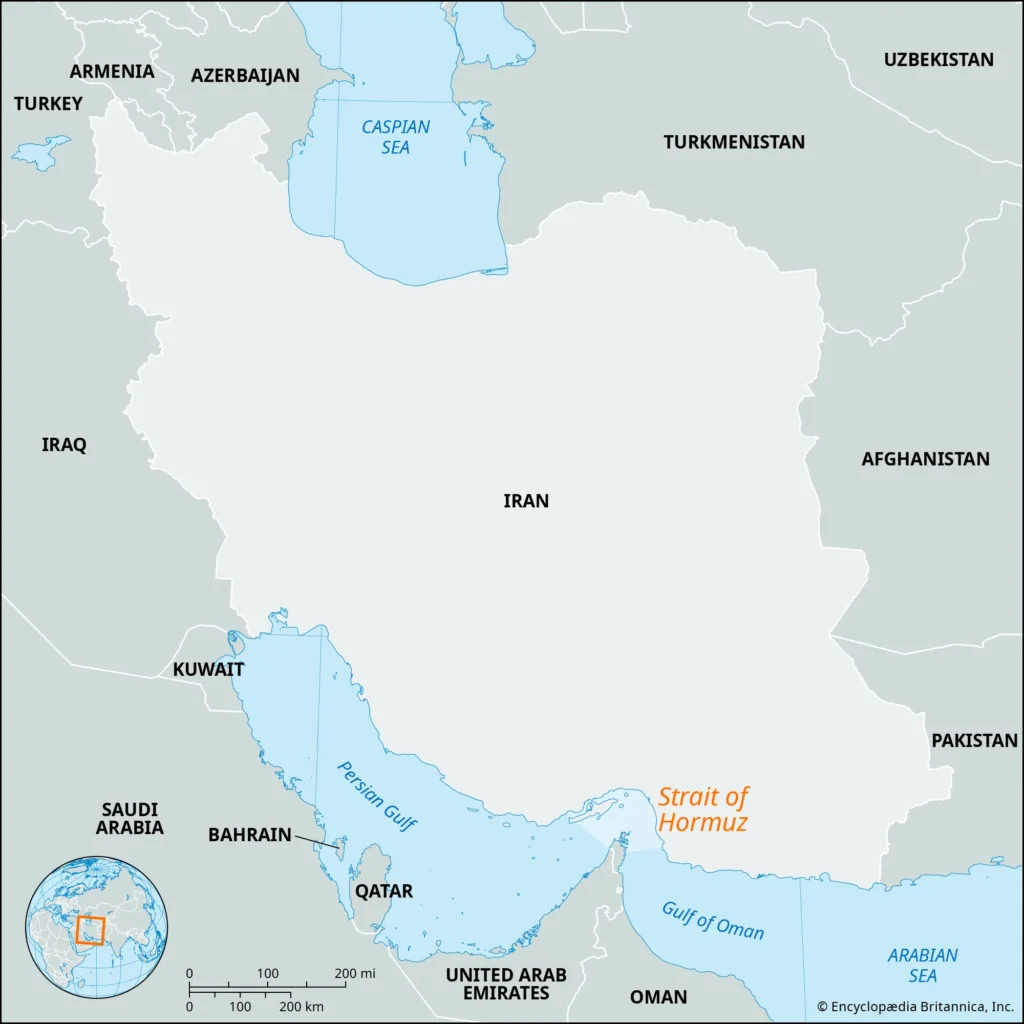
The first is escalation risk. Any military conflict involving Iran that disrupts oil supply routes, such as the Strait of Hormuz, could send shockwaves across global markets.
The second is inflation risk. Rising energy prices could reverse the progress made in controlling inflation, forcing central banks to maintain tight monetary policies for longer than expected.
The third is liquidity risk. If investors begin pulling money out of equities at a faster pace, it could accelerate market declines and trigger broader financial instability.
Finally, there is the psychological factor. Markets are heavily influenced by sentiment, and fear-driven selling can sometimes create self-fulfilling downturns—even when fundamentals are not severely damaged.
Final Analysis: Panic or Real Warning Signal?
At this stage, the decline in U.S. stocks appears to be a reaction to rising geopolitical risk rather than a confirmed start of a market crash. However, it should not be ignored.
Markets are entering a sensitive phase where multiple risk factors—geopolitics, inflation, interest rates, and economic growth—are aligning. While this does not guarantee a crash, it significantly increases the probability of continued volatility and potential downside.
For investors, this is a time for caution, not panic. Diversification, risk management, and staying informed will be crucial in navigating the coming weeks. Opportunities may arise, but so will risks—and the ability to adapt quickly will define success.
The next few weeks will be critical. If tensions ease, markets could stabilize and recover. But if the situation escalates, this could indeed be the early warning sign of a larger market downturn.
Subscribe to trusted news sites like USnewsSphere.com for continuous updates.