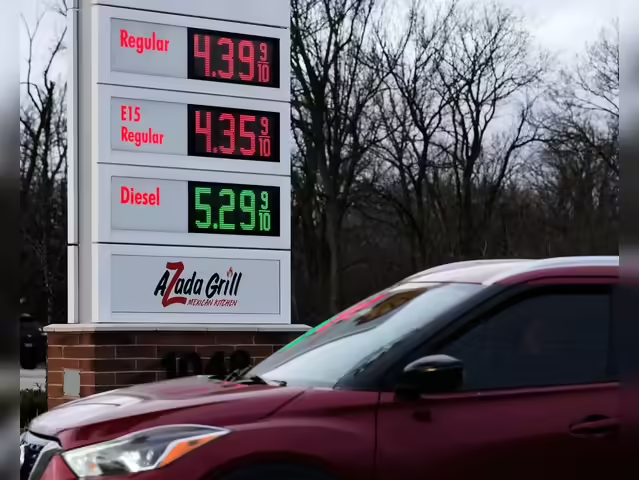
US Economy Warning: Falling Consumer Sentiment and Rising Gas Prices Signal Trouble Ahead is quickly becoming one of the most discussed topics across financial markets, policy circles, and mainstream media in 2026. Recent economic data shows a clear shift in consumer confidence at the same time fuel costs are climbing again—two signals that historically precede broader economic slowdowns. As households feel the pressure of higher everyday expenses, economists are beginning to question whether the U.S. economy is entering a fragile phase.
American consumers are becoming more cautious. With inflation still sticky in key categories and energy prices rebounding, the foundation of economic growth—consumer spending—is showing early cracks. This article breaks down the latest data, explains why it matters now, and analyzes what could come next for the U.S. economy.
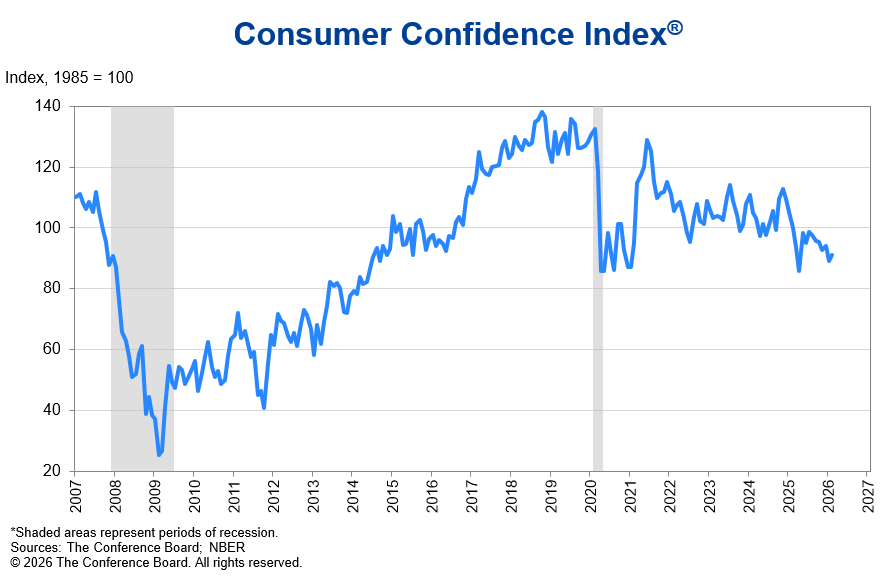
US Economy Warning: Consumer Sentiment Drops to Concerning Levels
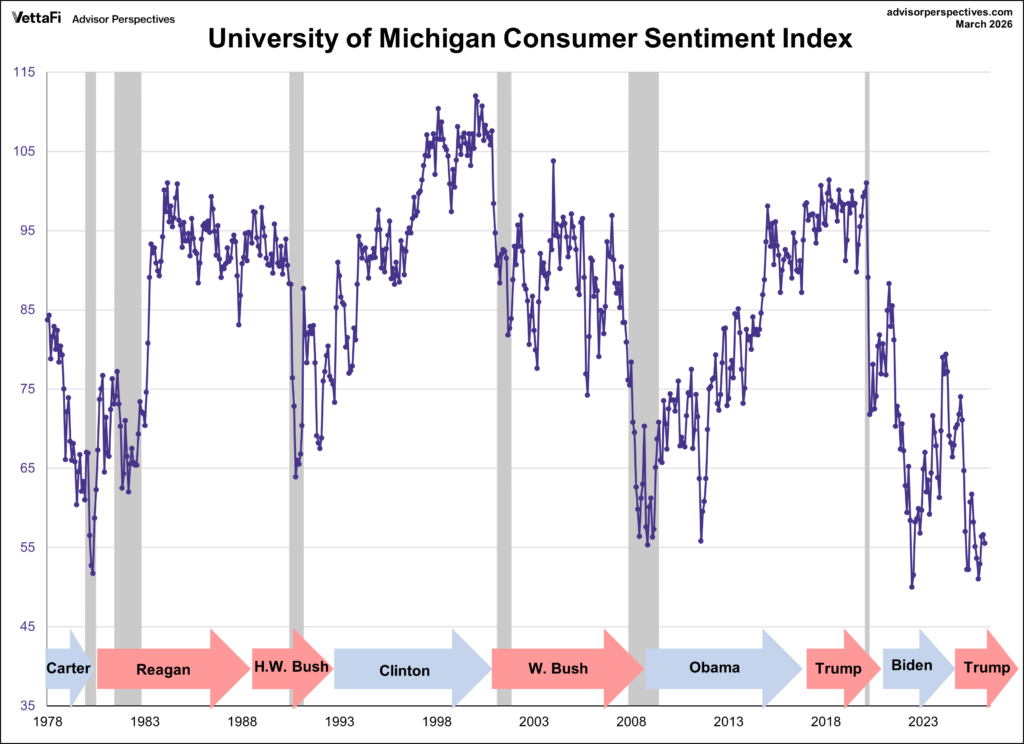
Recent data from widely tracked consumer surveys shows a noticeable decline in how Americans feel about the economy. Consumer sentiment indexes, which measure confidence in personal finances and economic conditions, have dropped compared to earlier expectations this year.
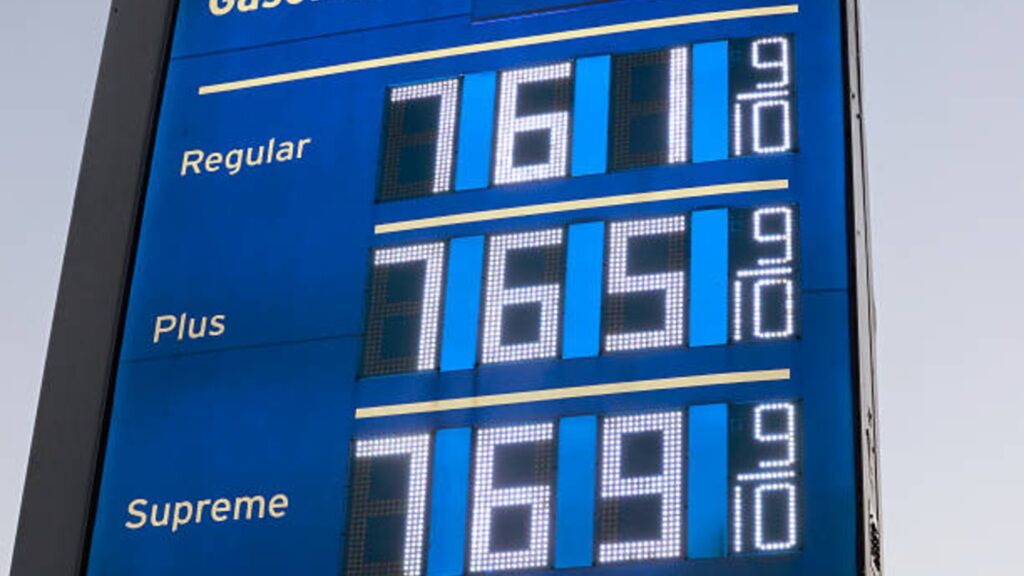
The decline is not just a statistical fluctuation—it reflects real concerns among households. Many Americans report feeling uncertain about job stability, income growth, and the rising cost of living. Even though unemployment remains relatively low, sentiment is being shaped more by purchasing power than employment status.
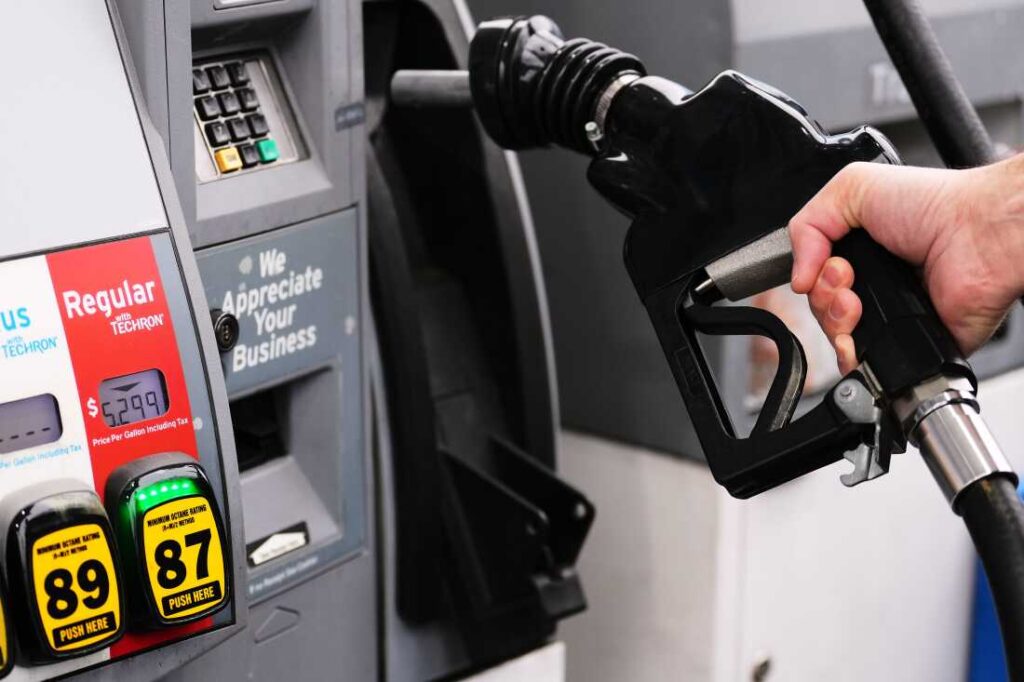
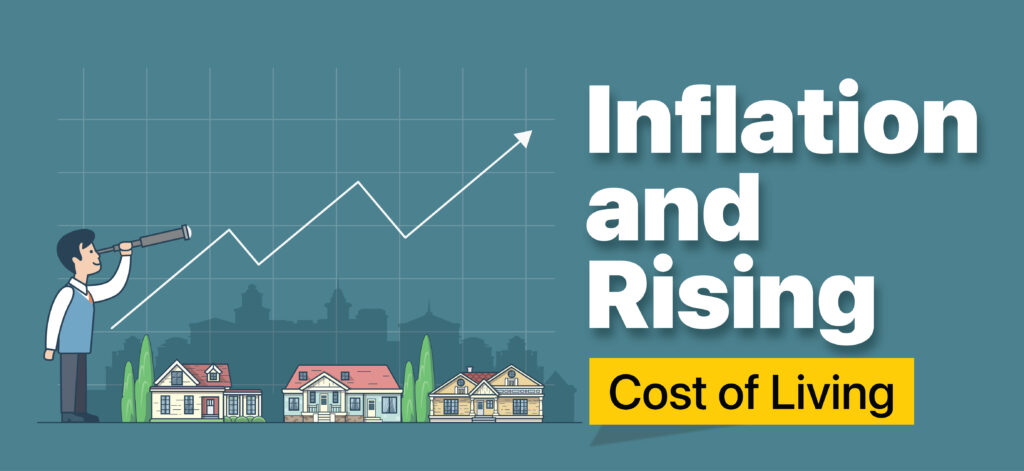
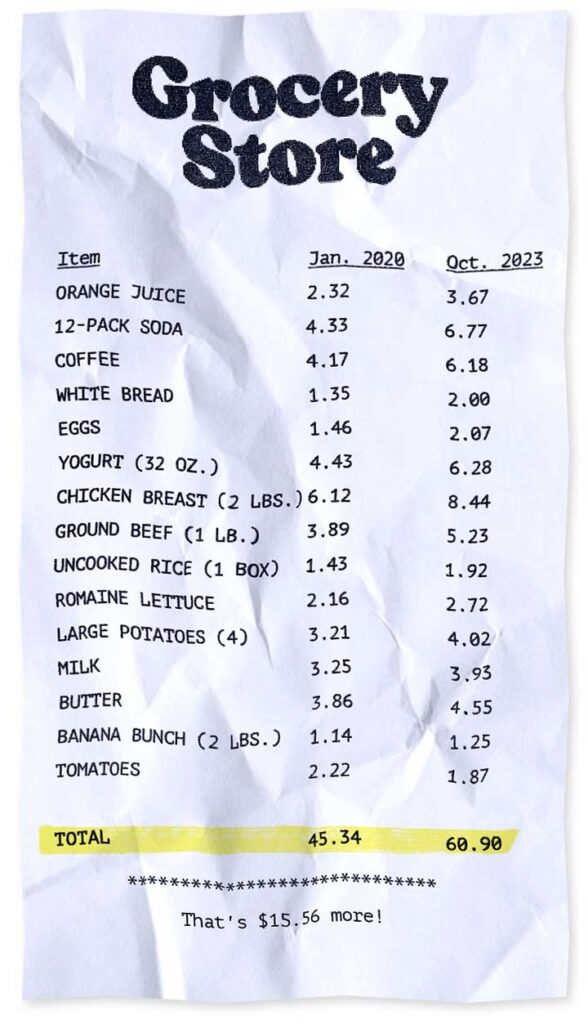
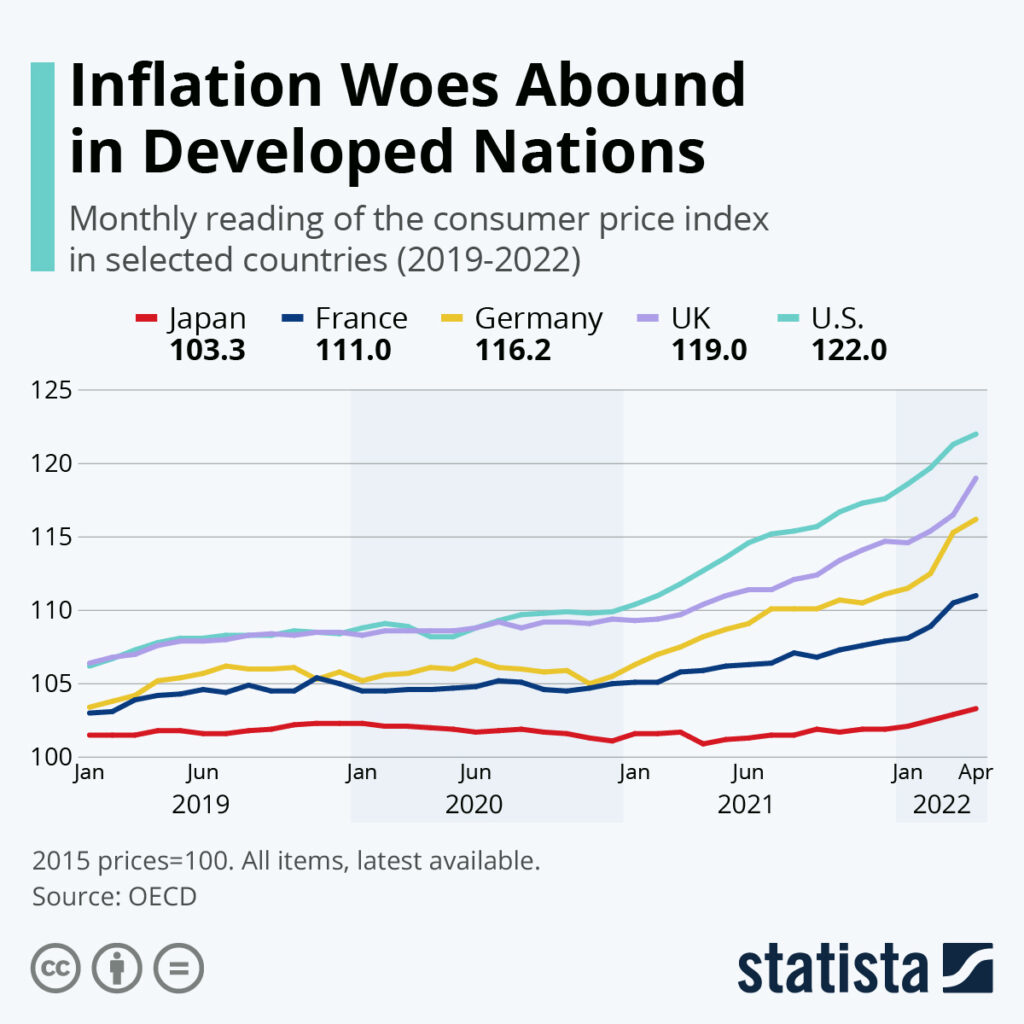
One key factor driving this shift is inflation fatigue. While headline inflation has cooled compared to its peak, essential expenses such as groceries, rent, insurance, and healthcare continue to strain budgets. As a result, consumers are becoming more selective with spending, delaying big purchases, and prioritizing savings.
This shift in behavior is critical because consumer spending accounts for nearly 70% of U.S. GDP. When confidence drops, spending typically follows—and that can slow overall economic growth faster than expected.
Rising Gas Prices Add Pressure to Household Budgets
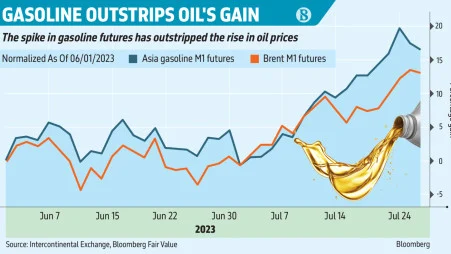
At the same time, consumer sentiment is falling, and gas prices are climbing again across the United States. This combination is particularly concerning because fuel costs have a direct and immediate impact on daily life.
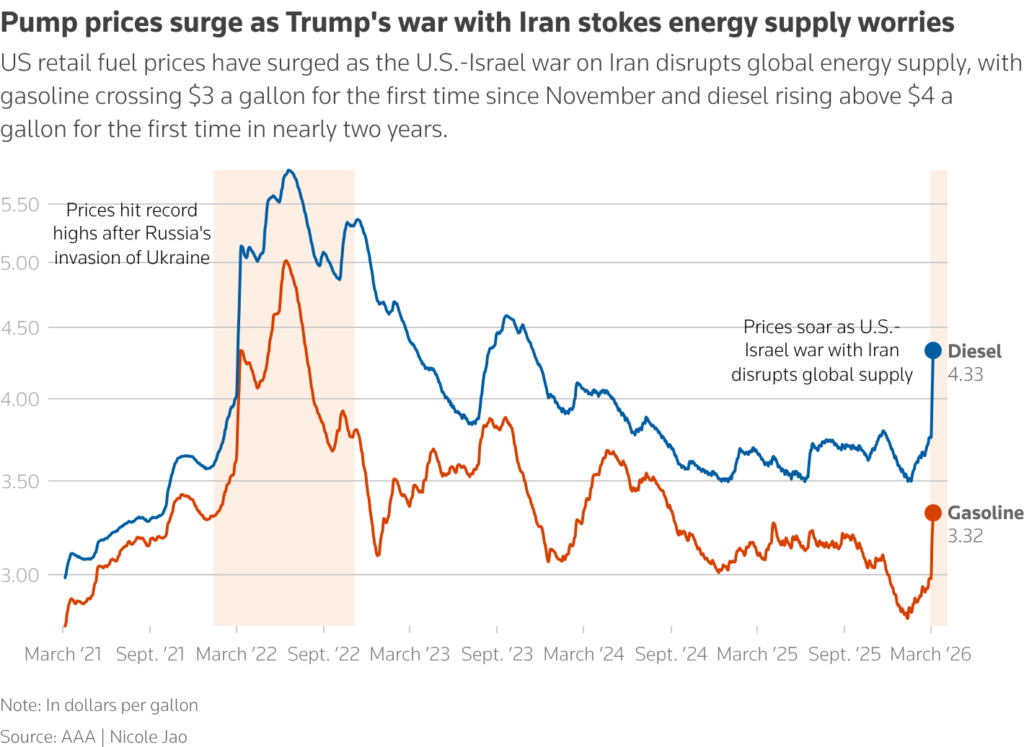
Recent data shows gasoline prices rising due to multiple factors, including tightening global oil supply, geopolitical tensions, and refinery constraints. Even a modest increase in gas prices can significantly affect household budgets, especially for middle- and lower-income families.
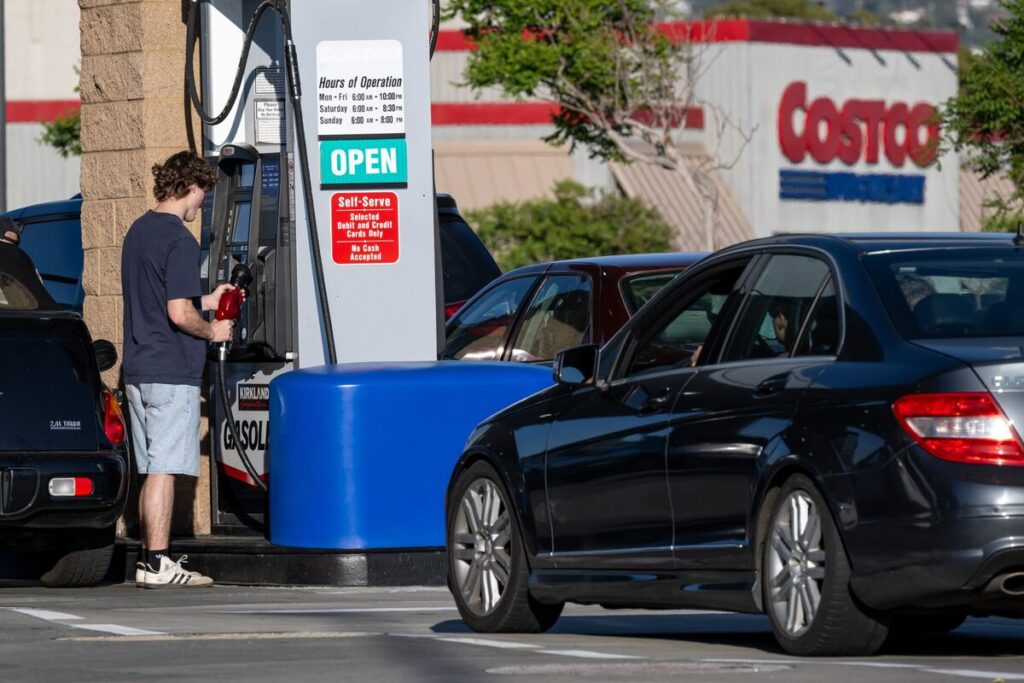
Higher gas prices act like a hidden tax on consumers. When people spend more on fuel, they have less money available for discretionary purchases such as dining out, travel, or retail shopping. This reduces demand across multiple sectors of the economy.
Additionally, rising energy costs can feed back into inflation. Transportation expenses increase for businesses, which can lead to higher prices for goods and services. This creates a cycle where consumers face both direct and indirect cost pressures.
Why This Combination Is a Warning Signal
The combination of falling consumer sentiment and rising gas prices has historically been a strong warning signal for economic slowdown. When these two indicators move in opposite negative directions, it often reflects deeper structural stress within the economy.
Consumer sentiment represents expectations about the future, while gas prices represent current financial pressure. When both are unfavorable, households tend to shift from spending to saving, which slows economic activity.
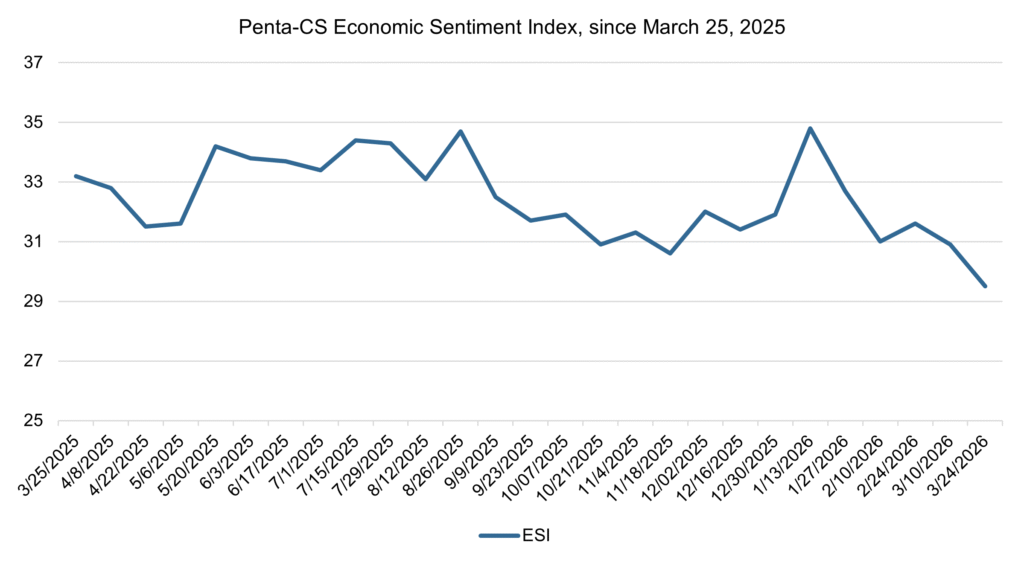
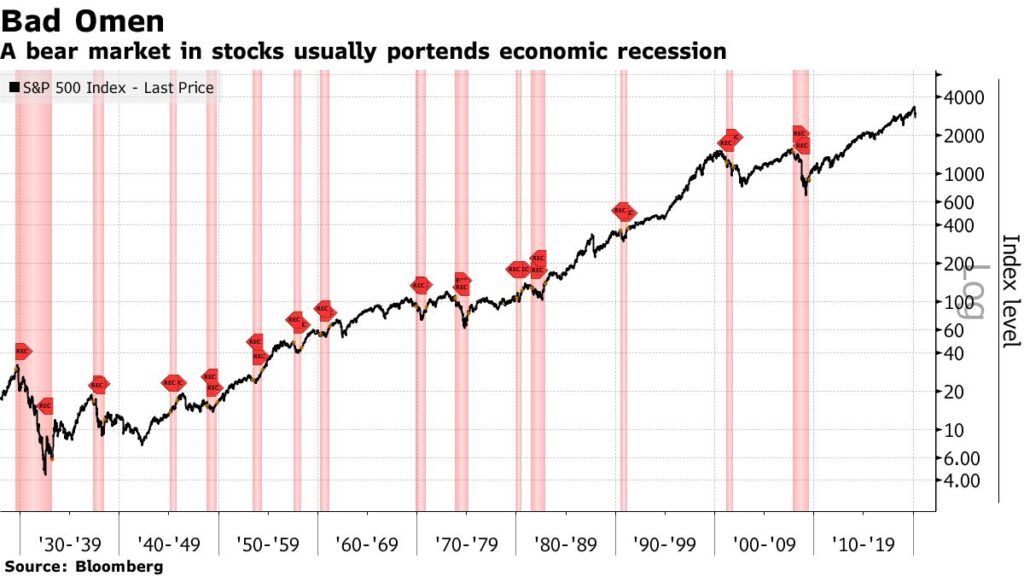
Historically, similar patterns were observed before previous slowdowns. For example, in past economic cycles, rising energy costs coupled with declining confidence often led to reduced retail sales, weaker housing demand, and slower job growth.
Economists are particularly concerned because this trend is emerging at a time when interest rates remain elevated. Higher borrowing costs already make it more expensive for consumers to finance homes, cars, and credit purchases. Adding fuel cost pressure on top of that creates a more challenging financial environment.
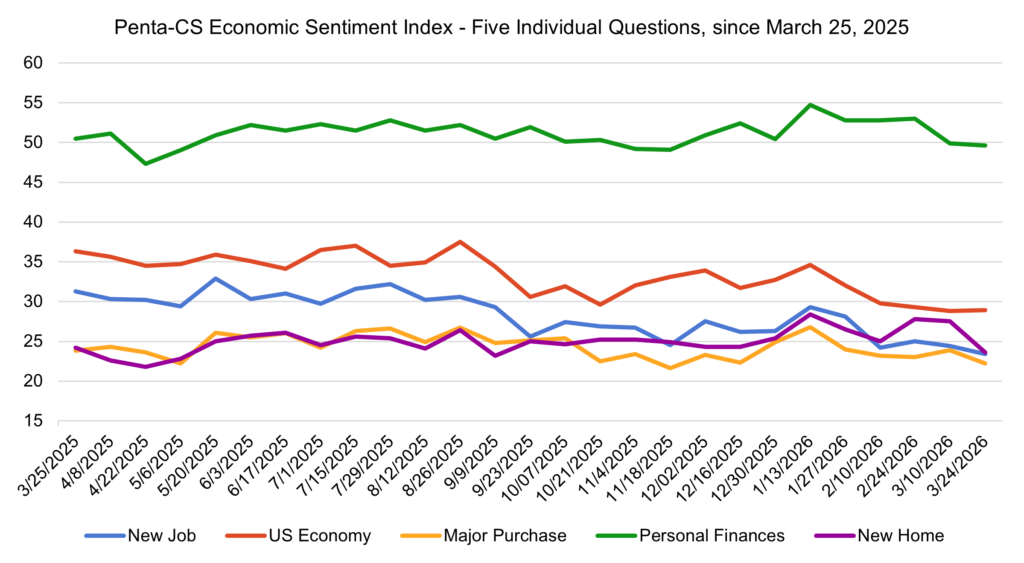
Impact on Markets, Businesses, and Investment Trends
Financial markets are already reacting to these signals. Investors are closely monitoring consumer data and energy prices because they provide early clues about economic direction.
Stock markets tend to become more volatile when consumer sentiment weakens. Sectors that rely heavily on discretionary spending—such as retail, travel, and entertainment—are often the first to feel the impact. Companies may see slower revenue growth, leading to cautious earnings forecasts.
On the other hand, energy companies may benefit from rising oil prices, creating a divergence in market performance. This imbalance often signals uncertainty rather than strength in the broader economy.
Businesses are also adjusting their strategies. Many companies are becoming more conservative with hiring, inventory management, and expansion plans. This cautious approach can further slow economic momentum if it spreads across industries.
From an investment perspective, investors are shifting focus toward defensive assets such as utilities, healthcare, and dividend-paying stocks. These sectors tend to perform better during periods of economic uncertainty.
Expert Insights and Economic Outlook for 2026
Economic experts and analysts are increasingly warning that the current trend could evolve into a broader slowdown if conditions persist. While a recession is not guaranteed, the risk has clearly increased.
Some economists argue that the Federal Reserve faces a difficult balancing act. If inflation remains stubborn due to rising energy costs, policymakers may hesitate to cut interest rates. However, keeping rates high for too long could further weaken consumer confidence and spending.
Other experts believe that the situation could stabilize if energy prices ease and wage growth improves. Strong labor markets still provide a buffer, but that support may weaken if businesses begin cutting costs.
Looking ahead, key indicators to watch include retail sales data, inflation trends, employment figures, and energy prices. Any continued decline in consumer sentiment, combined with sustained high fuel costs, would increase the likelihood of an economic slowdown.
Risks and What It Means for Everyday Americans
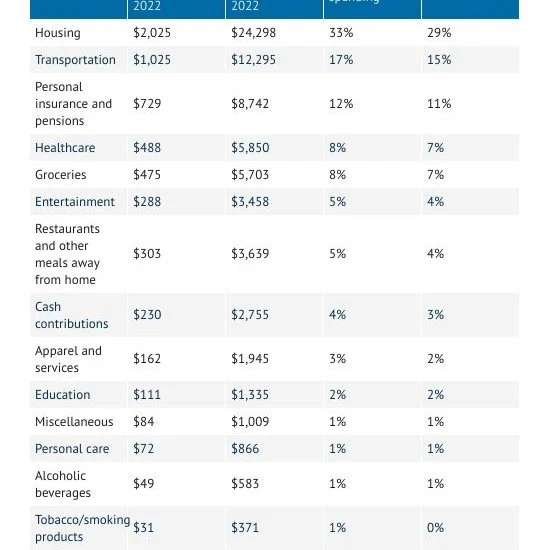
For everyday Americans, this economic shift has real-world implications. Rising gas prices and declining confidence affect daily decisions—from commuting and grocery shopping to long-term financial planning.
Households may begin to reduce discretionary spending, delay major purchases, and increase savings as a precaution. This behavior, while rational on an individual level, can collectively slow the economy.
There is also a risk of a feedback loop. As spending declines, businesses may reduce hiring or investment, which could impact job growth and income stability. This, in turn, further weakens consumer sentiment.
However, there are also opportunities. Periods of economic uncertainty often encourage smarter financial habits, such as budgeting, saving, and investing more strategically. Consumers who adapt early can better navigate changing conditions.
A Critical Moment for the U.S. Economy
The current trend of falling consumer sentiment combined with rising gas prices represents a critical moment for the U.S. economy. While the situation is not yet a crisis, it is a clear warning sign that should not be ignored.
Economic strength depends heavily on confident consumers and stable costs of living. When both are under pressure, the risk of slowdown increases significantly. Policymakers, businesses, and individuals all have a role to play in navigating this period.
As we move further into 2026, the direction of consumer confidence and energy prices will be key indicators shaping the future of the economy. Whether this trend stabilizes or worsens will determine if the U.S. economy can maintain growth or faces a more challenging road ahead.
Subscribe to trusted news sites like USnewsSphere.com for continuous updates.