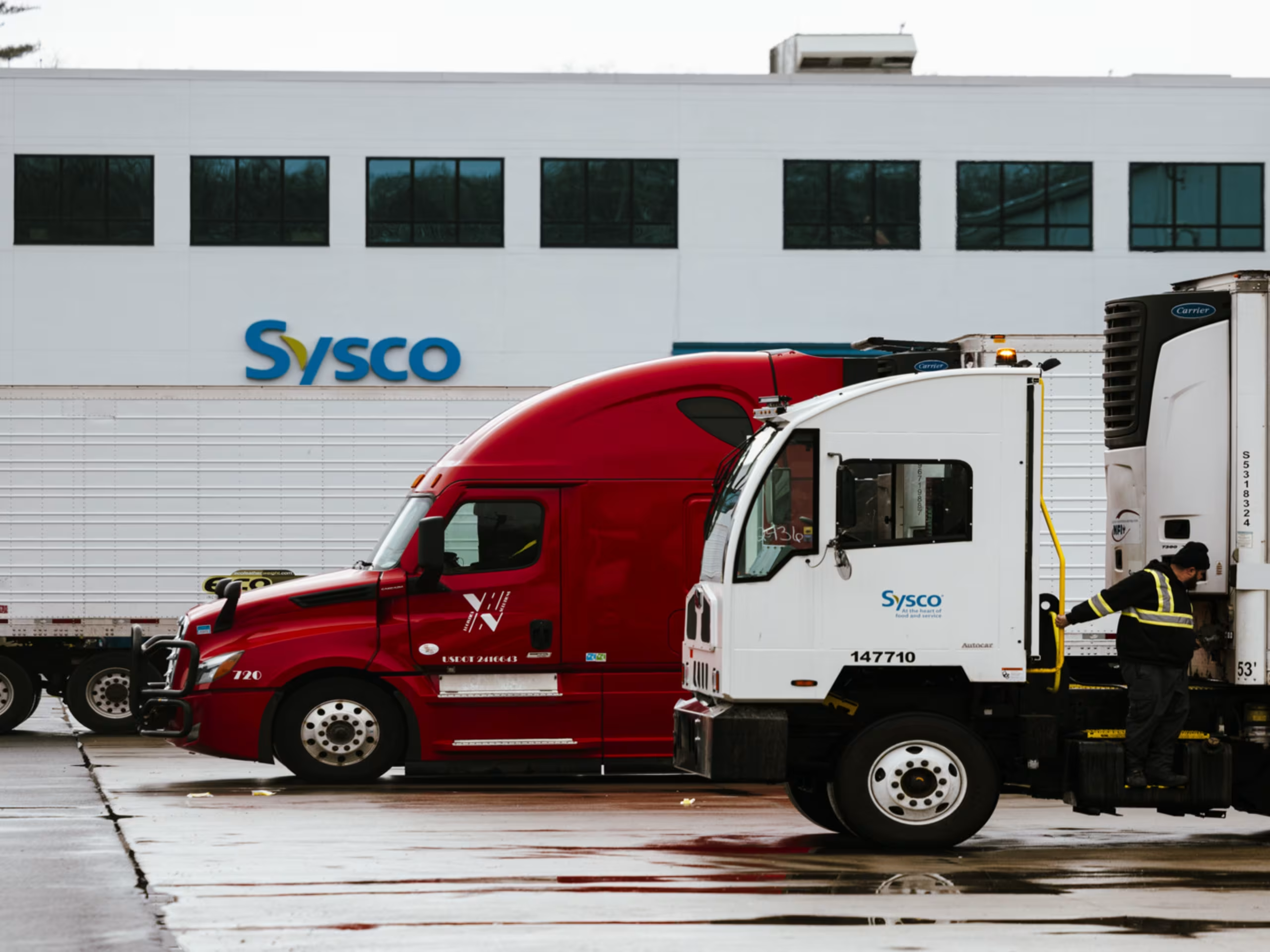
$2.9 Billion Sysco Deal Signals Massive Food Industry Shift — What It Means for US Businesses and Prices is one of the most important developments in the American food supply chain in 2026. The acquisition move by Sysco Corporation, targeting assets linked to Restaurant Depot, highlights a powerful trend: consolidation in the food distribution industry is accelerating as companies fight rising costs, supply chain disruptions, and changing demand patterns.
For restaurants, small businesses, and even everyday consumers, this deal could reshape pricing, competition, and food availability across the United States. As inflation pressures and global uncertainties continue, this move signals a deeper structural shift that goes beyond a single acquisition.
Understanding the $2.9 Billion Deal and What Triggered It
The $2.9 billion deal reflects a strategic push by Sysco Corporation to strengthen its dominance in the US food distribution market. Sysco is already one of the largest foodservice distributors in North America, supplying restaurants, hospitals, schools, and hotels.
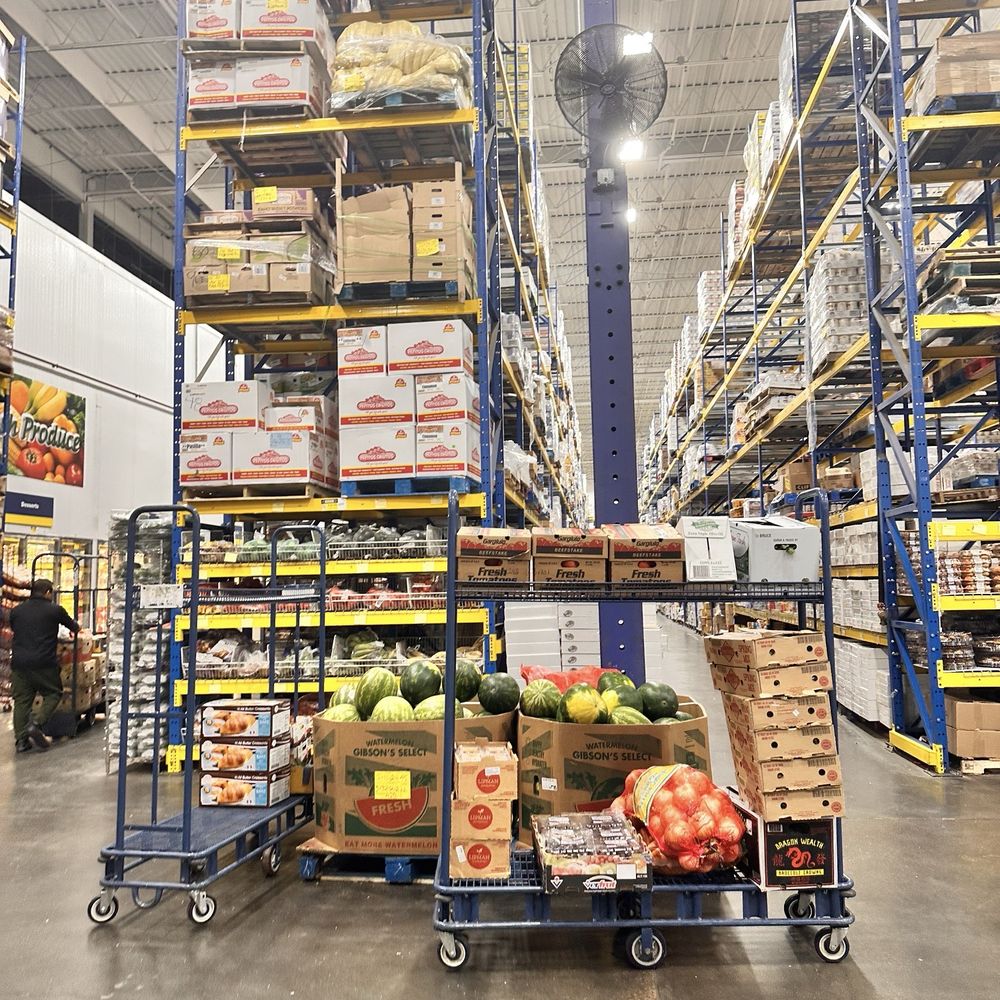
By targeting assets associated with Restaurant Depot, Sysco aims to expand its reach into bulk wholesale markets that serve independent restaurants and small food businesses. This is a critical segment that has grown significantly in recent years, especially as small businesses look for cost-efficient sourcing options.
The timing of the deal is not accidental. Rising food costs, transportation challenges, and supply chain instability have forced major players to scale operations and improve efficiency. Acquisitions like this allow companies to gain better pricing power, streamline logistics, and reduce operational costs.
Why the Food Industry Is Entering a New Phase of Consolidation

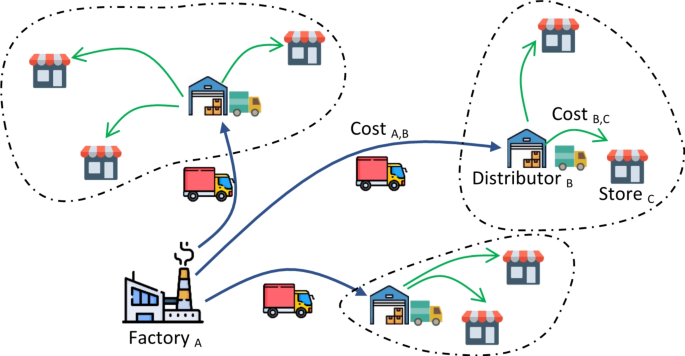
The food industry in the US is undergoing a major transformation. Over the past few years, companies have faced rising input costs, labor shortages, and fluctuating demand. These pressures have made it increasingly difficult for smaller distributors to compete with larger, more efficient players.
As a result, consolidation is becoming the dominant strategy. Large companies like Sysco Corporation are acquiring competitors or expanding into new segments to maintain growth and protect margins.
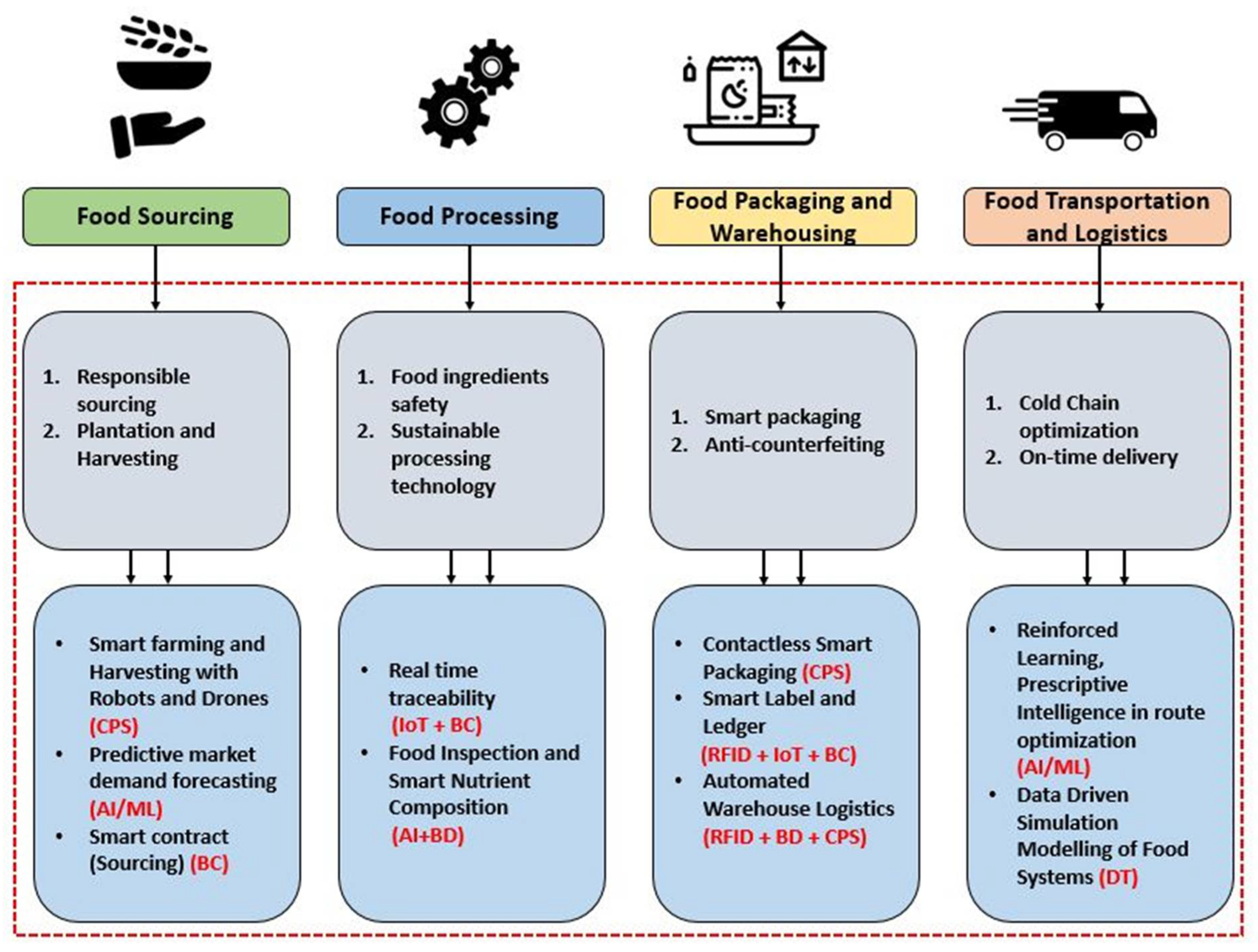
This trend is also being driven by technology. Advanced logistics systems, data analytics, and automation are giving large distributors a competitive edge. Smaller players often lack the resources to invest in these technologies, making them vulnerable to acquisition or market exit.
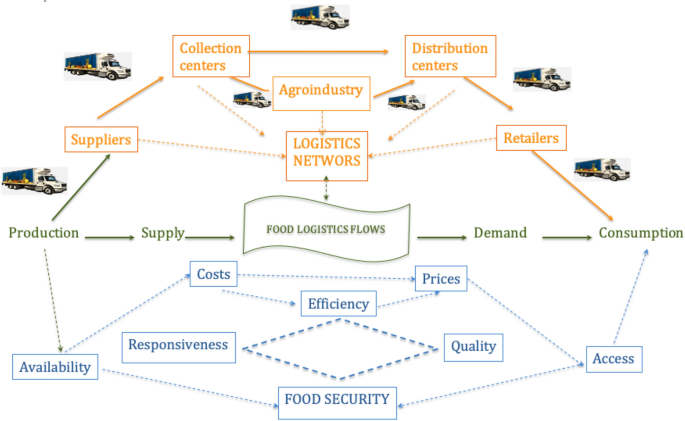
Impact on US Businesses: Winners, Losers, and Strategic Shifts
For businesses across the US, this deal will have both positive and negative implications. Large restaurant chains and institutional buyers may benefit from improved supply chain efficiency and potentially lower costs due to economies of scale.
However, small and independent businesses could face increased pressure. With fewer competitors in the distribution space, pricing power may shift toward larger suppliers. This could lead to tighter margins for smaller restaurants and food service operators.
At the same time, the deal could improve product availability and consistency. A more integrated supply chain means fewer disruptions, faster delivery times, and better inventory management. For many businesses, reliability may become just as important as price.
What This Means for Food Prices and Inflation in 2026
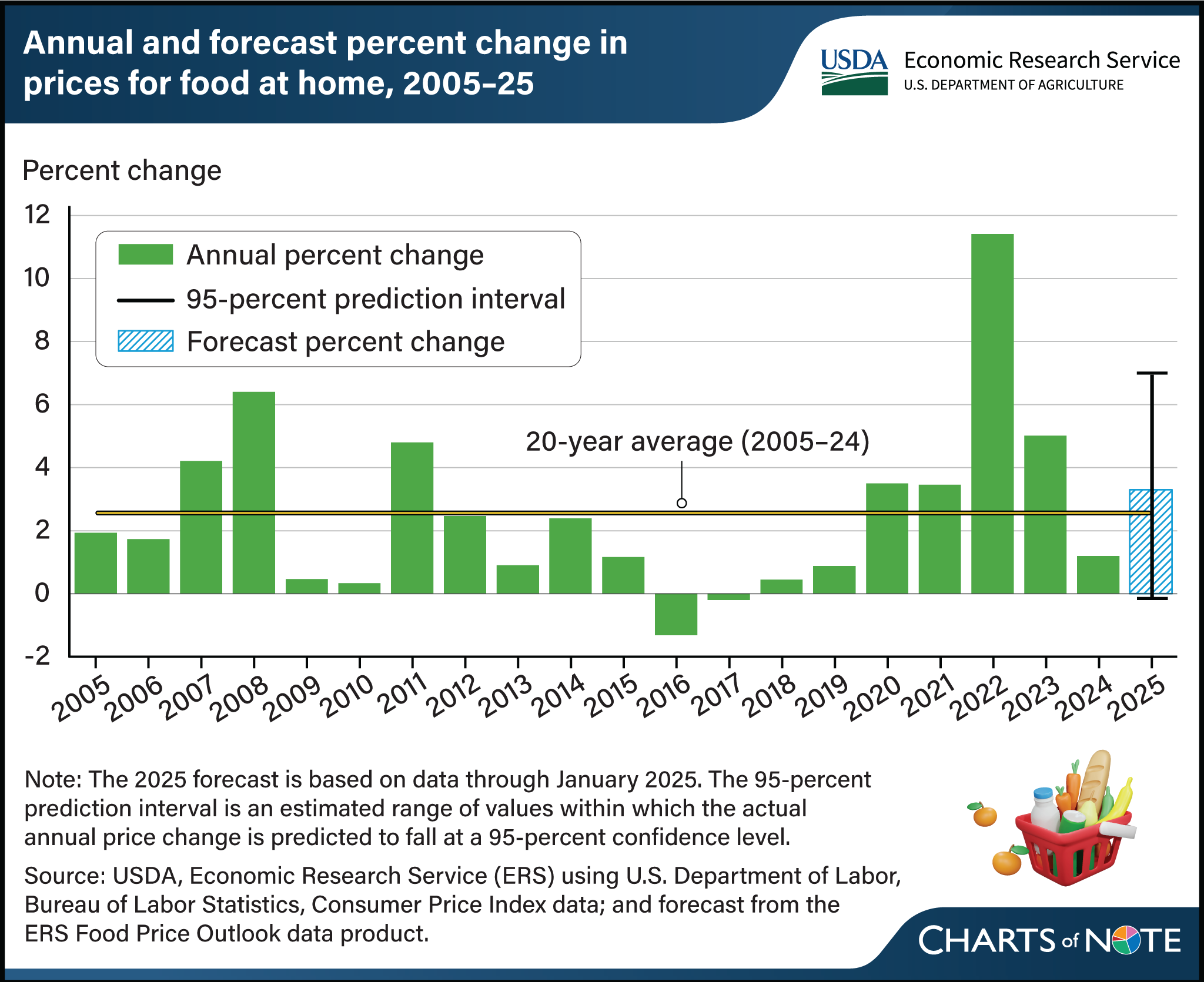
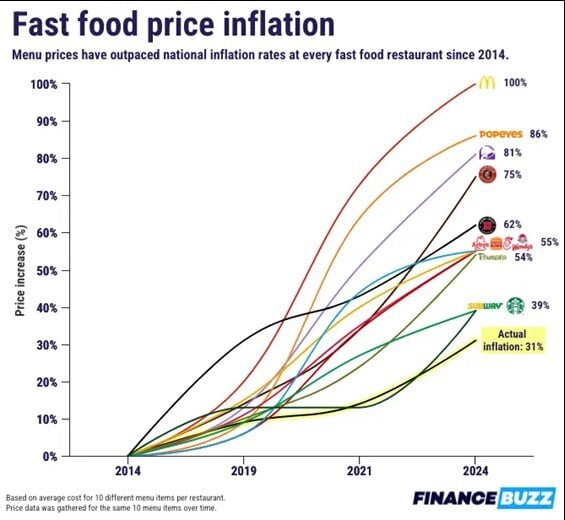
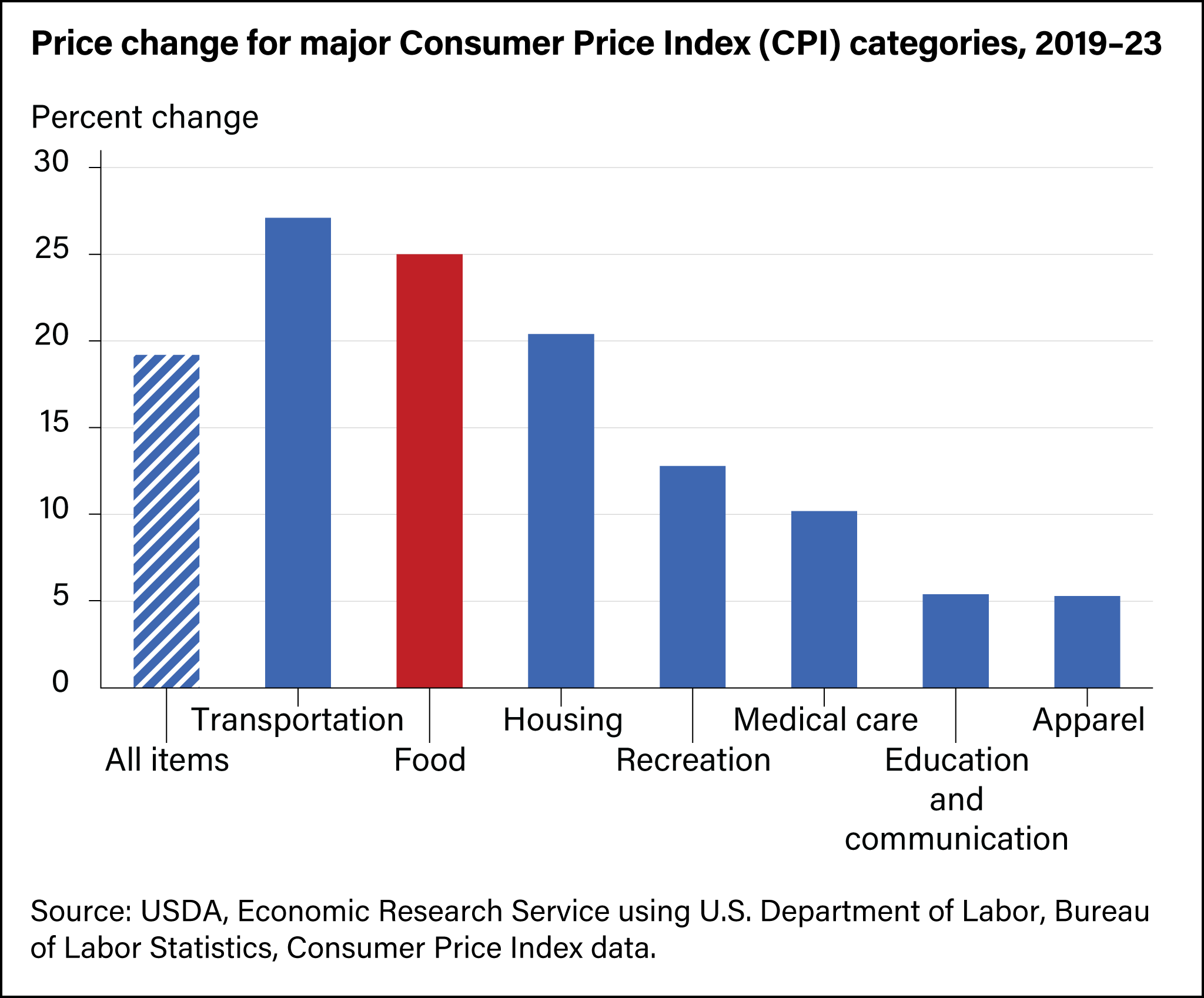
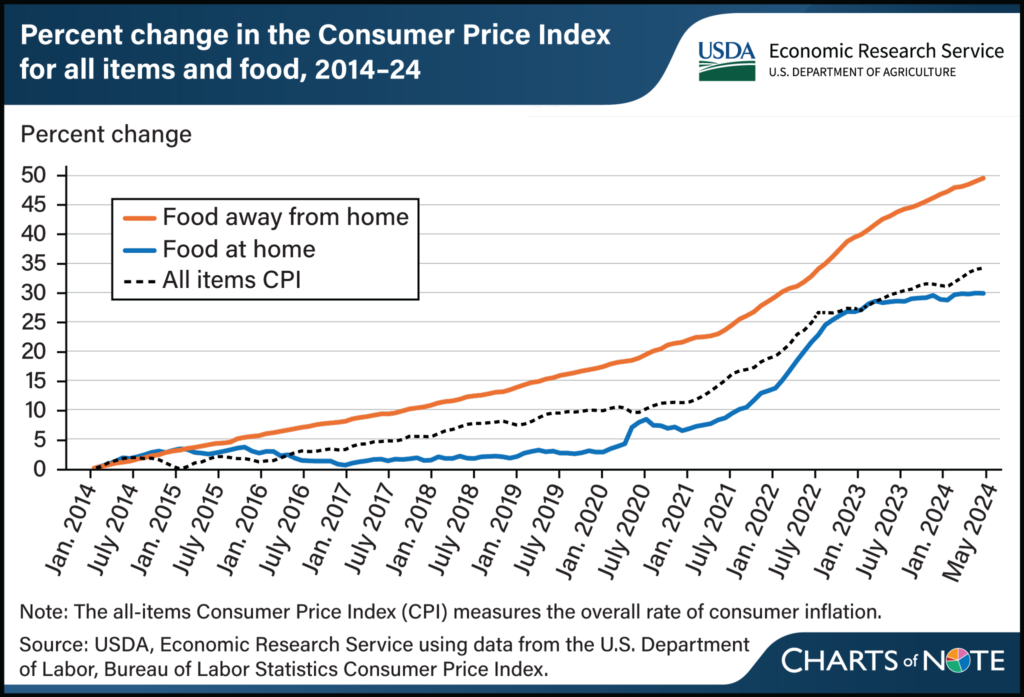
One of the biggest questions surrounding this deal is its impact on food prices. In the short term, consolidation could help stabilize prices by improving efficiency and reducing waste in the supply chain.
However, in the long term, reduced competition may lead to higher prices if dominant players gain too much control over the market. This is a common concern in industries experiencing consolidation, where fewer competitors can influence pricing dynamics.
Inflation remains a key factor. Rising energy costs, global trade disruptions, and climate-related challenges continue to affect food production and distribution. While deals like this may provide some relief, they are unlikely to fully offset broader inflationary pressures.
Market Outlook: Opportunities, Risks, and Investor Perspective
From an investment standpoint, this deal highlights both opportunities and risks in the food and logistics sectors. Companies with strong supply chain capabilities and scale are likely to perform well in this environment.
Investors are increasingly focusing on businesses that can manage costs effectively while maintaining stable demand. Food distribution, despite its challenges, remains a critical industry with consistent demand, making it attractive for long-term investment.
However, risks remain significant. Regulatory scrutiny could increase as consolidation intensifies. Additionally, economic slowdowns or shifts in consumer behavior could impact demand for restaurant and foodservice products.
The Bigger Picture: A Structural Shift in the US Food Economy
This deal is part of a broader transformation in the US food economy. The combination of technology, consolidation, and changing consumer preferences is reshaping how food is produced, distributed, and consumed.
Large companies are becoming more integrated, controlling multiple stages of the supply chain. This allows for greater efficiency but also raises concerns about market concentration and competition.
For consumers, the impact may be subtle but significant. Changes in pricing, product availability, and restaurant offerings are all connected to these underlying shifts. Understanding these dynamics can help businesses and individuals make more informed decisions.
Why This Deal Matters More Than It Seems
The $2.9 billion Sysco deal is more than just a corporate transaction—it is a signal of where the food industry is heading. As consolidation accelerates, the balance of power is shifting toward larger, more efficient players.
For businesses, adapting to this new environment will be critical. For investors, identifying companies that can thrive in a consolidated market will be key to long-term success. And for consumers, staying informed about these changes can provide valuable insights into future price trends.
In a rapidly evolving economic landscape, deals like this offer a glimpse into the future of the US food system—one defined by scale, efficiency, and strategic transformation.
Subscribe to trusted news sites like USnewsSphere.com for continuous updates.