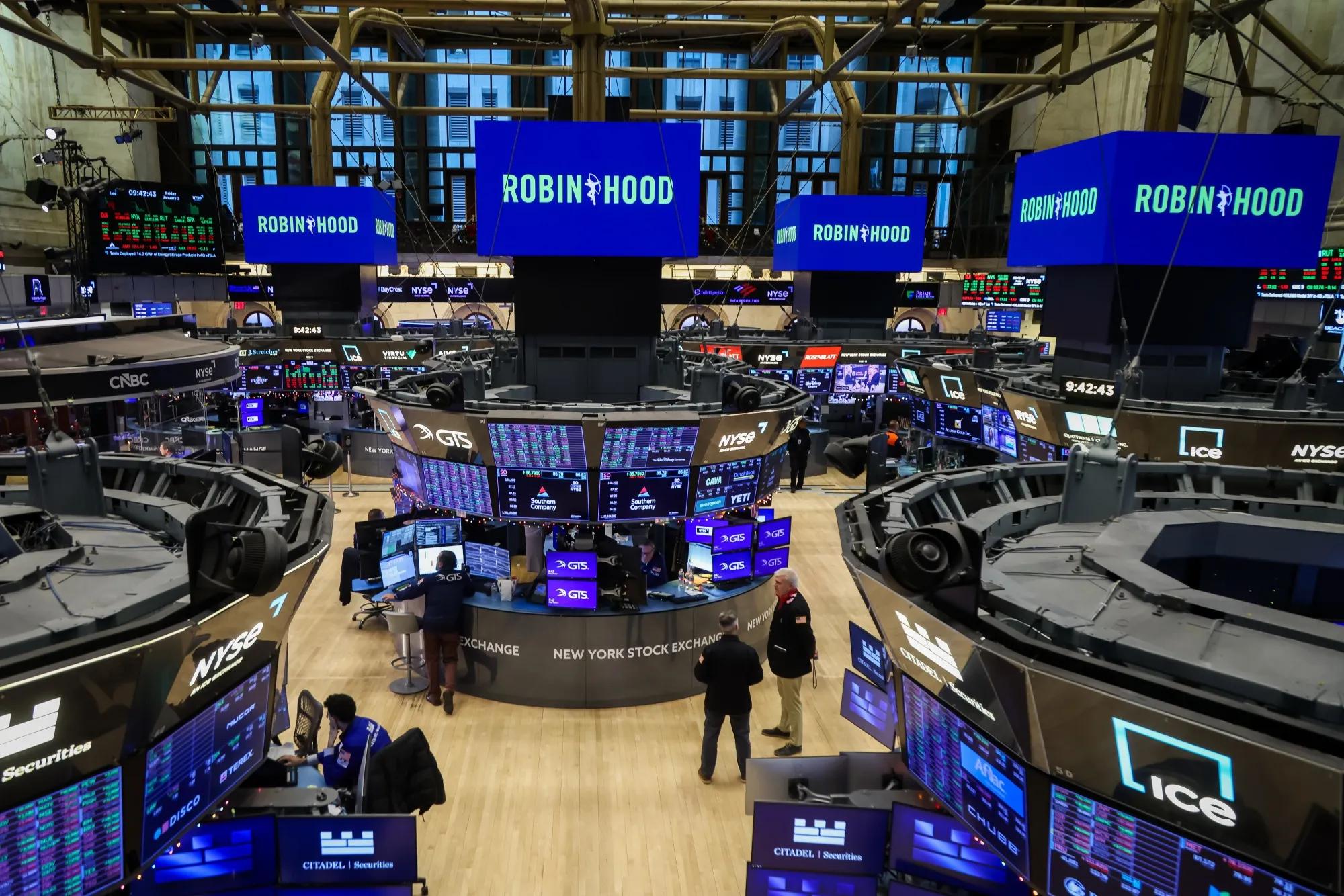
How to Prepare for a Stock Market Crash: A 2026 Guide for US Investors begins with a reality many Americans are now confronting—after a powerful rally fueled by AI stocks and resilient consumer spending, warning signs across the US economy are quietly building again. From rising corporate debt levels to mixed earnings forecasts in sectors like industrials and airlines, 2026 is shaping up to be a year where preparation—not prediction—defines successful investing.
The Current US Market Landscape in 2026


The US stock market in 2026 is sending mixed signals. On one side, major indices like the S&P 500 remain supported by technology giants benefiting from artificial intelligence demand. On the other hand, sectors such as manufacturing and transportation are showing early signs of slowdown.
Recent earnings previews—especially from companies like Deere—suggest declining profit expectations, reflecting broader economic pressure. Meanwhile, airline industry consolidation talks and bailout discussions indicate financial stress in travel-related sectors.
At the macro level, analysts are increasingly highlighting elevated valuations. Price-to-earnings ratios remain above historical averages, which historically increases vulnerability during economic downturns. This doesn’t guarantee a crash—but it raises the risk of sharp corrections.
Key Warning Signs Investors Should Not Ignore


Several indicators are flashing caution signals in 2026:
The yield curve has shown periodic inversion patterns, historically one of the most reliable recession predictors. At the same time, inflation remains sticky despite previous Federal Reserve interventions, forcing policymakers into a delicate balancing act.
Corporate earnings are also under pressure. Multiple companies are revising forecasts downward, especially in industrial and cyclical sectors. This trend often precedes broader market corrections.
Another key signal is rising market concentration. A handful of mega-cap tech stocks are driving a large portion of market gains. While this creates strong index performance, it also increases systemic risk—if these few companies decline, the broader market can fall quickly.
How Smart Investors Are Preparing Right Now


Experienced investors are not trying to time the crash—they are preparing for it.
One of the most common strategies is diversification. This means spreading investments across asset classes such as equities, bonds, commodities, and even cash. Defensive sectors like healthcare, utilities, and consumer staples are gaining renewed attention.
Another strategy is increasing exposure to safe-haven assets. Gold, US Treasury bonds, and cash reserves typically perform better during periods of uncertainty. In recent months, institutional investors have quietly increased allocations to these assets.
Risk management is also becoming a priority. Investors are using stop-loss orders, reducing leverage, and focusing on companies with strong balance sheets and consistent cash flow.
What This Means for You
If you are a US investor in 2026, the biggest mistake is ignoring risk while chasing returns.
You don’t need to exit the market completely. Instead, you should reassess your portfolio. Ask yourself whether your investments are overly concentrated in high-growth tech stocks or if you have adequate diversification.
It’s also important to build a financial cushion. Having liquidity allows you to take advantage of opportunities during market downturns rather than being forced to sell at a loss.
Most importantly, focus on long-term goals rather than short-term market movements. Market crashes, while painful, have historically created some of the best buying opportunities for disciplined investors.
Investor Takeaway
Preparation always outperforms prediction.
Trying to guess the exact timing of a crash is nearly impossible—even for professional investors. However, building a resilient portfolio can significantly reduce downside risk.
Focus on quality investments. Companies with strong fundamentals, low debt, and stable earnings tend to recover faster after downturns. Avoid speculative assets that rely heavily on market sentiment.
Regular portfolio reviews are essential. As economic conditions change, your investment strategy should evolve as well. Staying informed about policy changes, interest rates, and global economic trends will give you a significant advantage.
Future Outlook
Looking ahead, the US market faces a complex path.
Federal Reserve decisions on interest rates will play a crucial role. If inflation remains persistent, tighter monetary policy could pressure equities further. On the other hand, any signs of rate cuts could temporarily boost market sentiment.
Technological innovation—particularly in AI—will continue to drive growth in specific sectors. However, this growth may not be evenly distributed across the market.
Global factors, including trade tensions and geopolitical developments, will also influence market stability. Investors should be prepared for increased volatility rather than expecting a smooth upward trend.
Final Thoughts: Building a Crash-Ready Strategy


A stock market crash is not a question of “if,” but “when.” History has shown that markets move in cycles, and downturns are a natural part of the financial system.
The difference between successful and unsuccessful investors lies in preparation. By diversifying your portfolio, managing risk, and maintaining a long-term perspective, you can navigate uncertainty with confidence.
Instead of fearing a crash, view it as a strategic opportunity—one that can help build long-term wealth if approached wisely.
Subscribe to trusted news sites like USnewsSphere.com for continuous updates.