Global Tensions Hit Gold and Trade Is Driving Market Volatility
Global tensions hit gold and trade in a dramatic way as the escalating Iran conflict sends shockwaves through financial markets, energy supply chains, and investor sentiment worldwide. Over the past weeks, rising geopolitical uncertainty in the Middle East has triggered a sharp surge in gold prices, increased oil volatility, and disrupted global trade flows—especially across critical shipping routes.
Investors are increasingly shifting toward safe-haven assets, while governments and multinational corporations are recalibrating strategies to manage supply chain risks. With global markets already sensitive due to inflation concerns, interest rate uncertainty, and slowing economic growth in key regions like the United States and Europe, the Iran conflict has added a new layer of instability.
This article provides a deep, data-driven breakdown of how the situation is affecting gold, oil, global trade, and financial markets—and what it means for investors going forward.
Rising Geopolitical Risk Is Fueling Gold Prices Worldwide
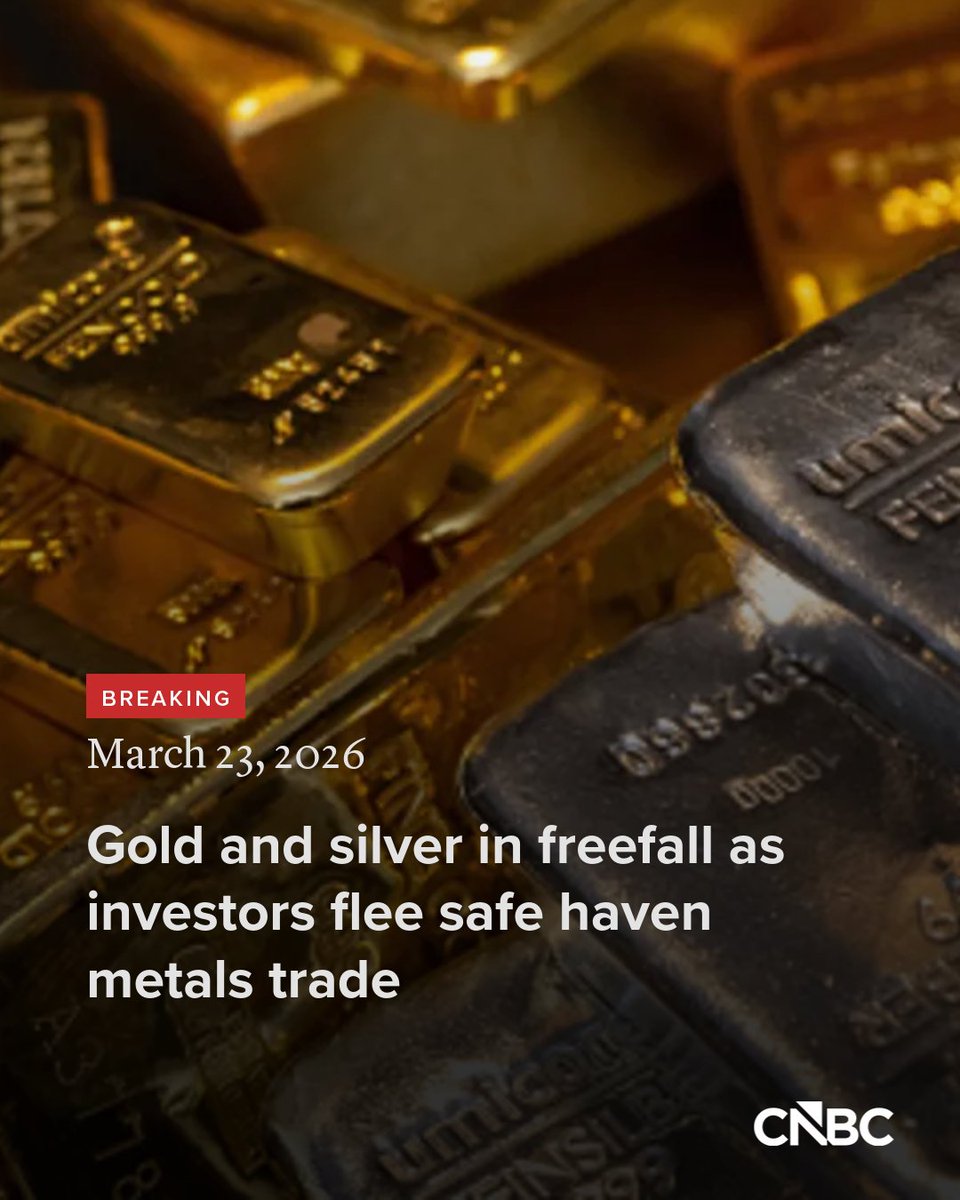
Gold has always been the ultimate safe-haven asset during geopolitical crises, and the current Iran tensions are no exception. As uncertainty rises, investors move capital away from riskier assets like equities and into gold.
Recent data shows gold prices climbing above $2,200 per ounce in early 2026, marking one of the strongest rallies in recent years. This surge is driven by multiple factors: geopolitical instability, weakening confidence in fiat currencies, and strong central bank demand.
Central banks, especially in emerging economies, have accelerated gold purchases. According to global financial reports, countries are increasing reserves to hedge against potential currency disruptions and sanctions-related risks.
Retail and institutional investors are also increasing exposure to gold ETFs and physical gold, further tightening supply and pushing prices higher.
Oil Supply Risks Are Disrupting Global Trade Routes
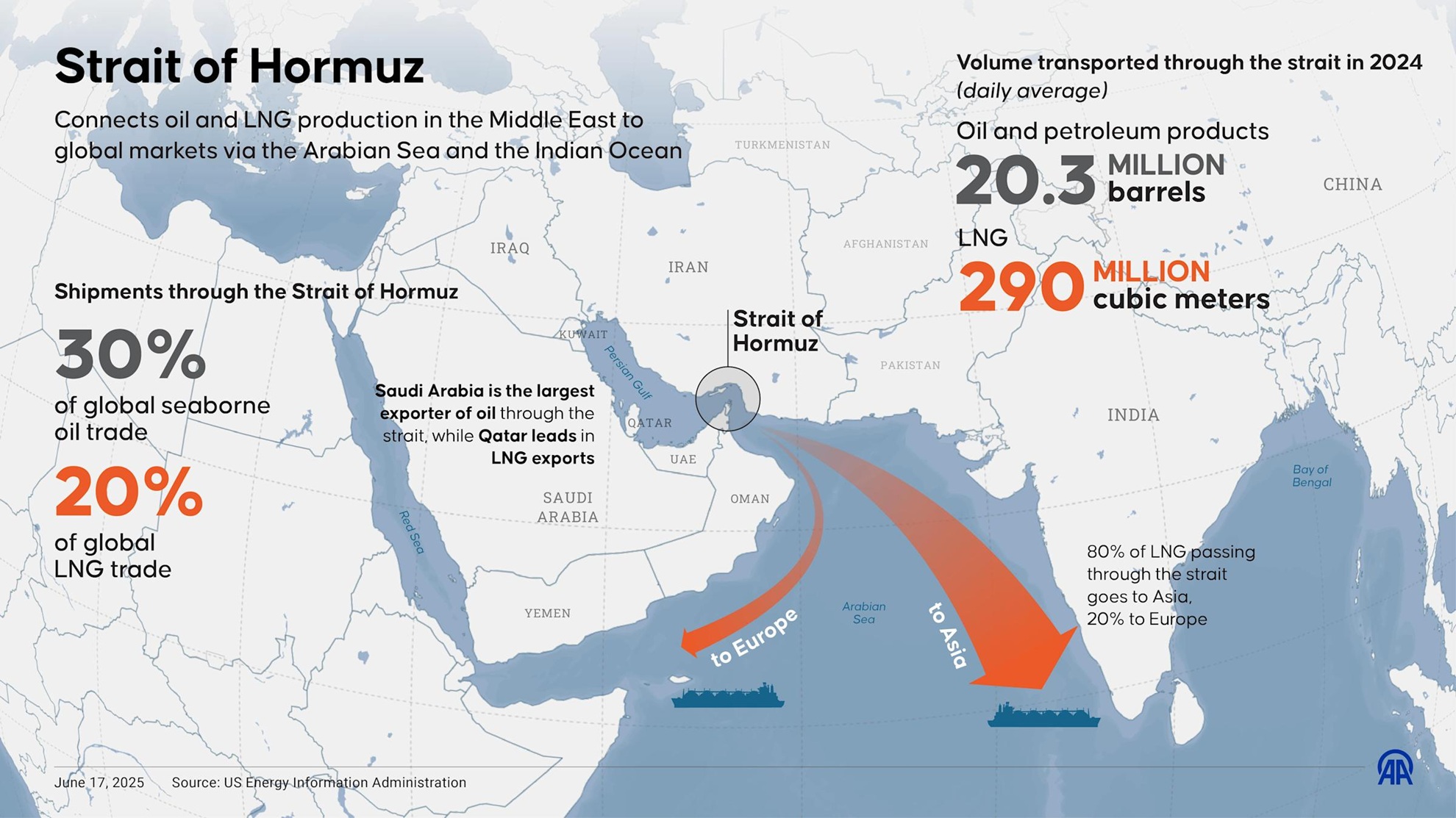
The Iran conflict directly impacts one of the most critical energy chokepoints in the world—the Strait of Hormuz. Nearly 20% of the global oil supply passes through this narrow corridor, making it extremely vulnerable to disruptions.
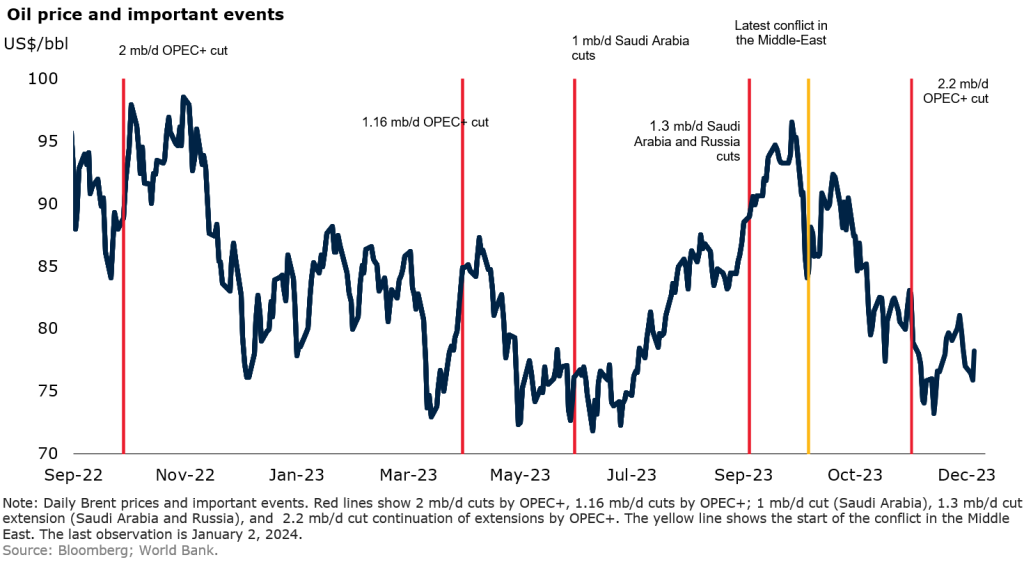
Recent tensions have led to fears of shipping blockades or attacks on oil tankers, causing oil prices to spike above $90–$100 per barrel in volatile trading sessions.
Shipping companies are already rerouting vessels or increasing insurance premiums, which raises transportation costs globally. This has a cascading effect on supply chains, increasing the cost of goods across industries—from manufacturing to retail.
Trade disruptions are not limited to oil. Broader shipping instability in the region is slowing down cargo movement between Asia, Europe, and the United States, contributing to delays and inflationary pressure.
Stock Markets React With Increased Volatility


Global equity markets have reacted sharply to the Iran conflict, with increased volatility across major indices. U.S. markets, including the S&P 500 and Nasdaq, have experienced sudden swings as investors weigh geopolitical risks against economic fundamentals.
Energy stocks have seen gains due to rising oil prices, while sectors like airlines, manufacturing, and logistics have faced pressure due to higher fuel costs and supply chain disruptions.
European markets are particularly sensitive, given their reliance on imported energy. Asian markets have also shown mixed reactions, with export-driven economies facing uncertainty due to disrupted trade flows.
Investor sentiment remains fragile, and any escalation in the conflict could trigger broader market corrections.
Currency Markets and Inflation Pressures Intensify
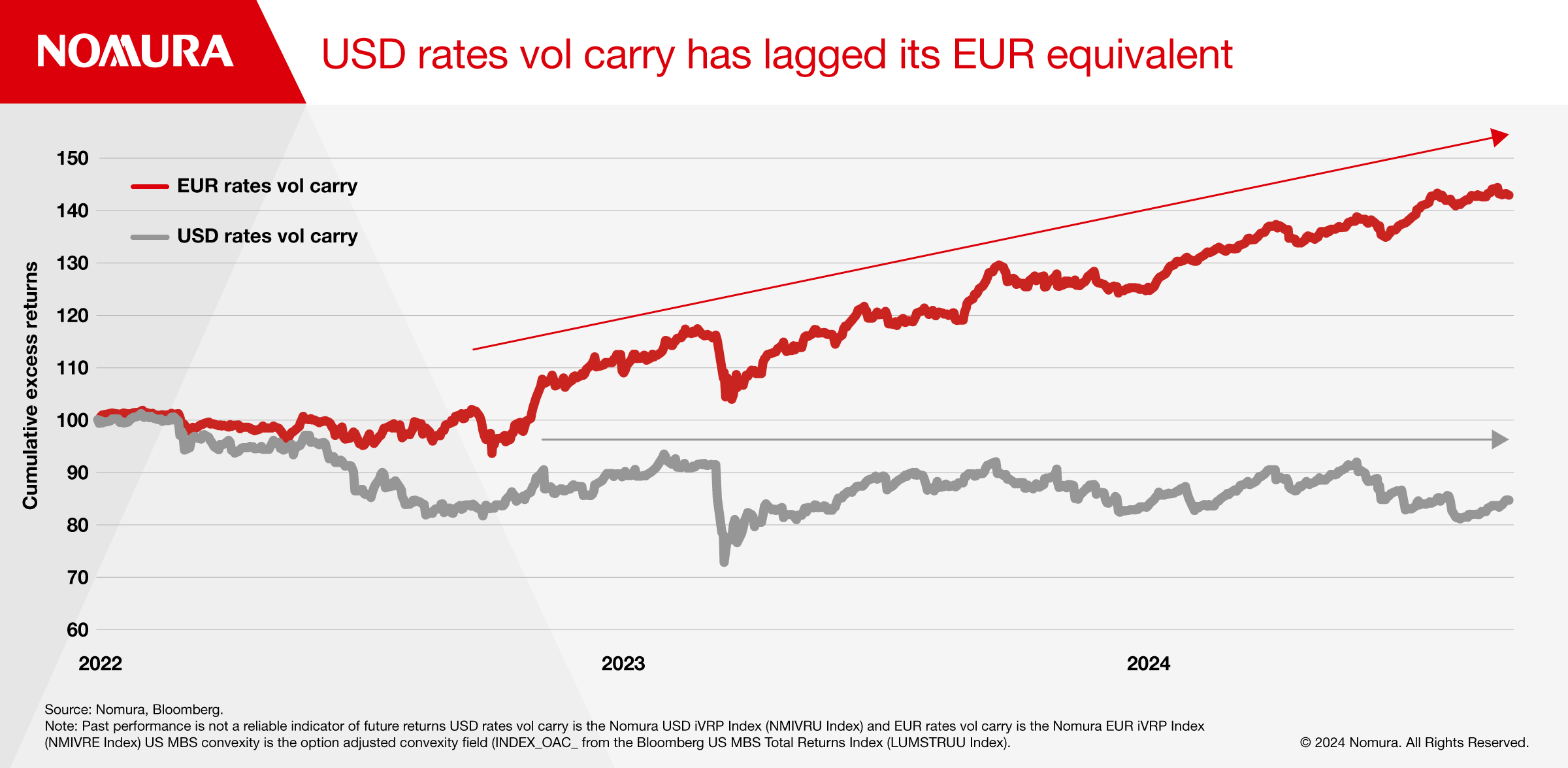

The Iran conflict is also influencing global currency markets. Safe-haven currencies such as the U.S. dollar, Swiss franc, and Japanese yen are strengthening as investors seek stability.
At the same time, emerging market currencies are under pressure due to capital outflows and increased risk perception.
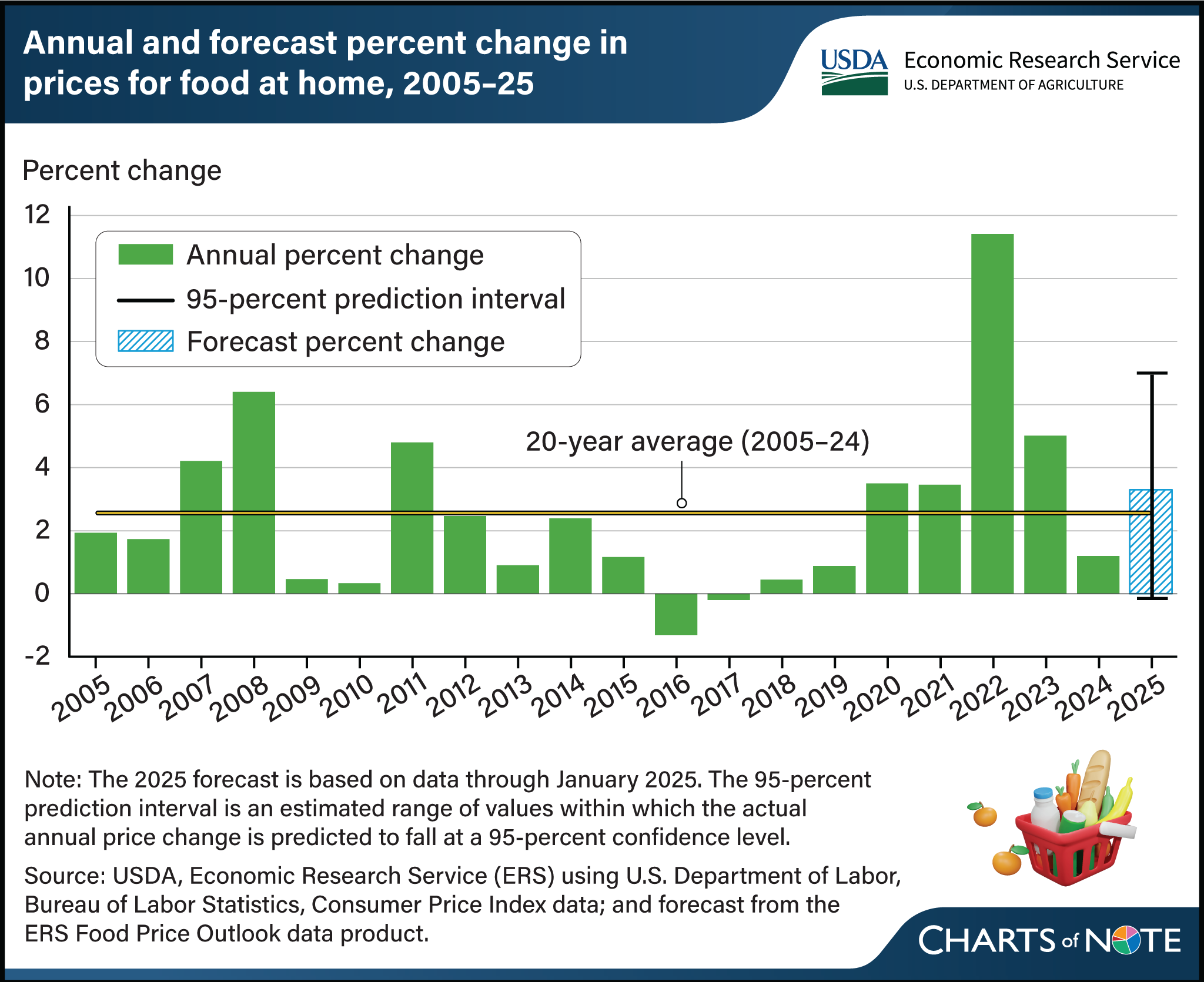
One of the biggest concerns is inflation. Rising oil prices directly increase transportation and production costs, which are passed on to consumers. This could reverse recent progress made by central banks in controlling inflation.
Higher inflation may force central banks, including the Federal Reserve, to maintain or even increase interest rates—adding further pressure on economic growth.
Global Trade and Supply Chains Face Structural Challenges

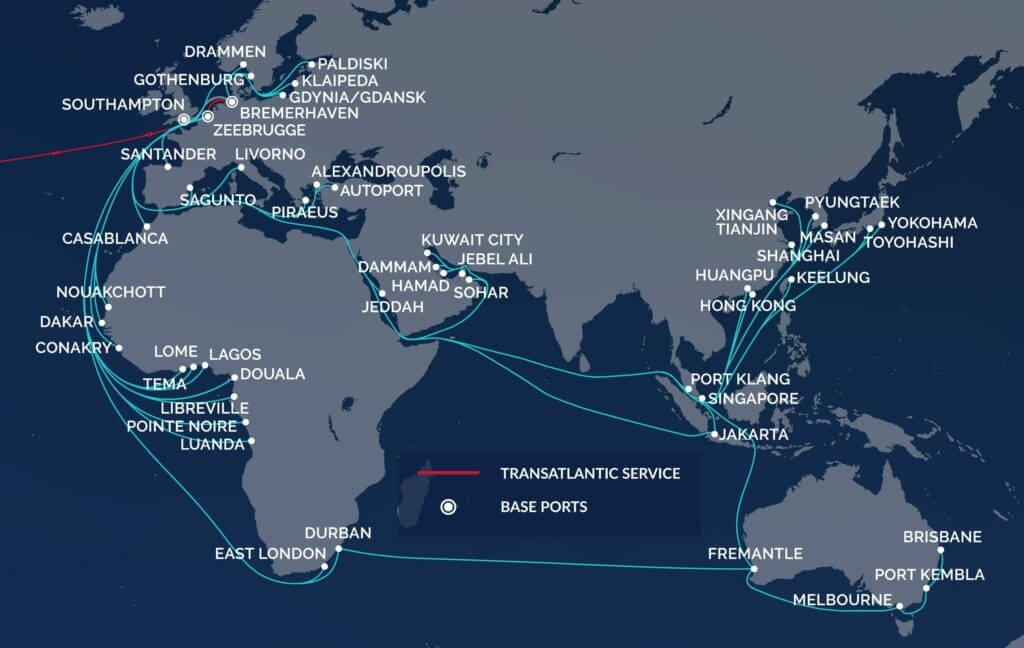

The Iran conflict is exposing vulnerabilities in global trade systems that were already strained post-pandemic. Supply chains that rely on just-in-time delivery models are particularly affected by disruptions in shipping routes.
Industries such as automotive, electronics, and consumer goods are experiencing delays and rising input costs. Companies are now reconsidering their supply chain strategies, shifting toward diversification and regional sourcing.
Trade tensions are also influencing government policies. Some countries are increasing strategic reserves of essential commodities, while others are implementing trade restrictions to protect domestic markets.
These structural changes could reshape global trade patterns in the long term, leading to a more fragmented and regionalized economic system.
Market Outlook: Risks, Opportunities, and What Investors Should Watch

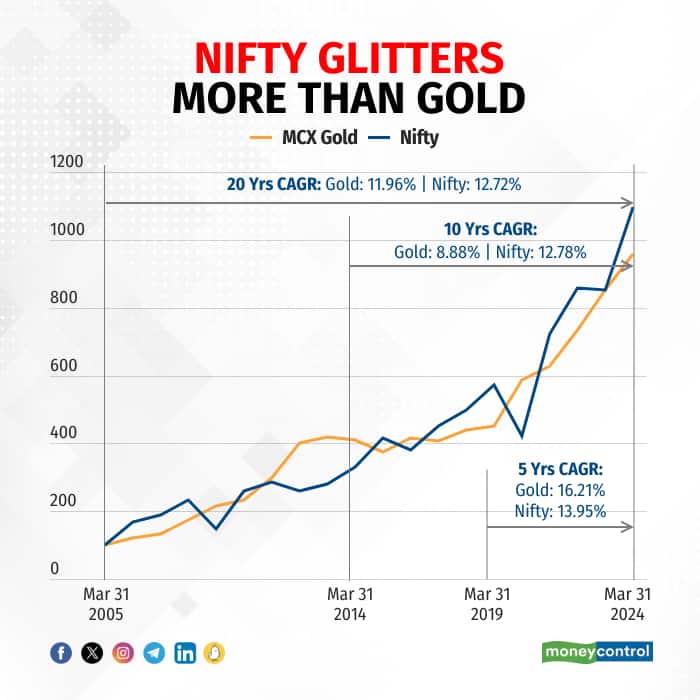
Looking ahead, the market outlook remains highly dependent on geopolitical developments. If tensions escalate further, we could see:
- Gold prices continue to rise toward new all-time highs
- Oil prices exceeding $110 per barrel
- Increased volatility in global stock markets
- Rising inflation and tighter monetary policies
However, there are also opportunities. Energy companies and commodities are benefiting from higher prices, while defensive sectors such as healthcare and utilities remain relatively stable.
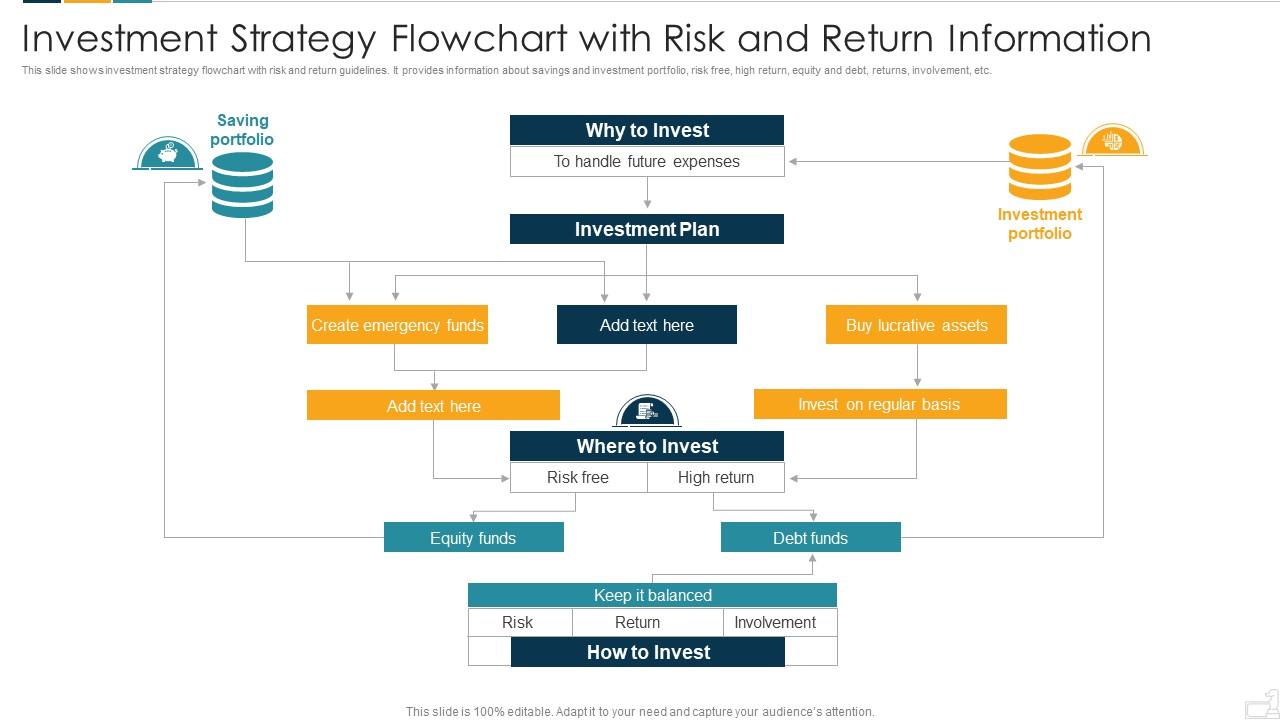
Investors should focus on diversification, risk management, and staying informed about geopolitical developments. Monitoring key indicators such as oil prices, shipping disruptions, and central bank policies will be crucial.
Expert analysts suggest maintaining exposure to safe-haven assets while selectively investing in sectors that can benefit from current trends.
A Defining Moment for Global Markets
The Iran conflict is proving to be a defining moment for global markets, highlighting the deep interconnection between geopolitics, trade, and financial systems. From surging gold prices to disrupted shipping routes and volatile stock markets, the impact is widespread and complex.
As uncertainty continues, both governments and investors must adapt to a rapidly changing environment. The ability to respond strategically to these disruptions will determine economic resilience in the coming months.
Subscribe to trusted news sites like USnewsSphere.com for continuous updates.