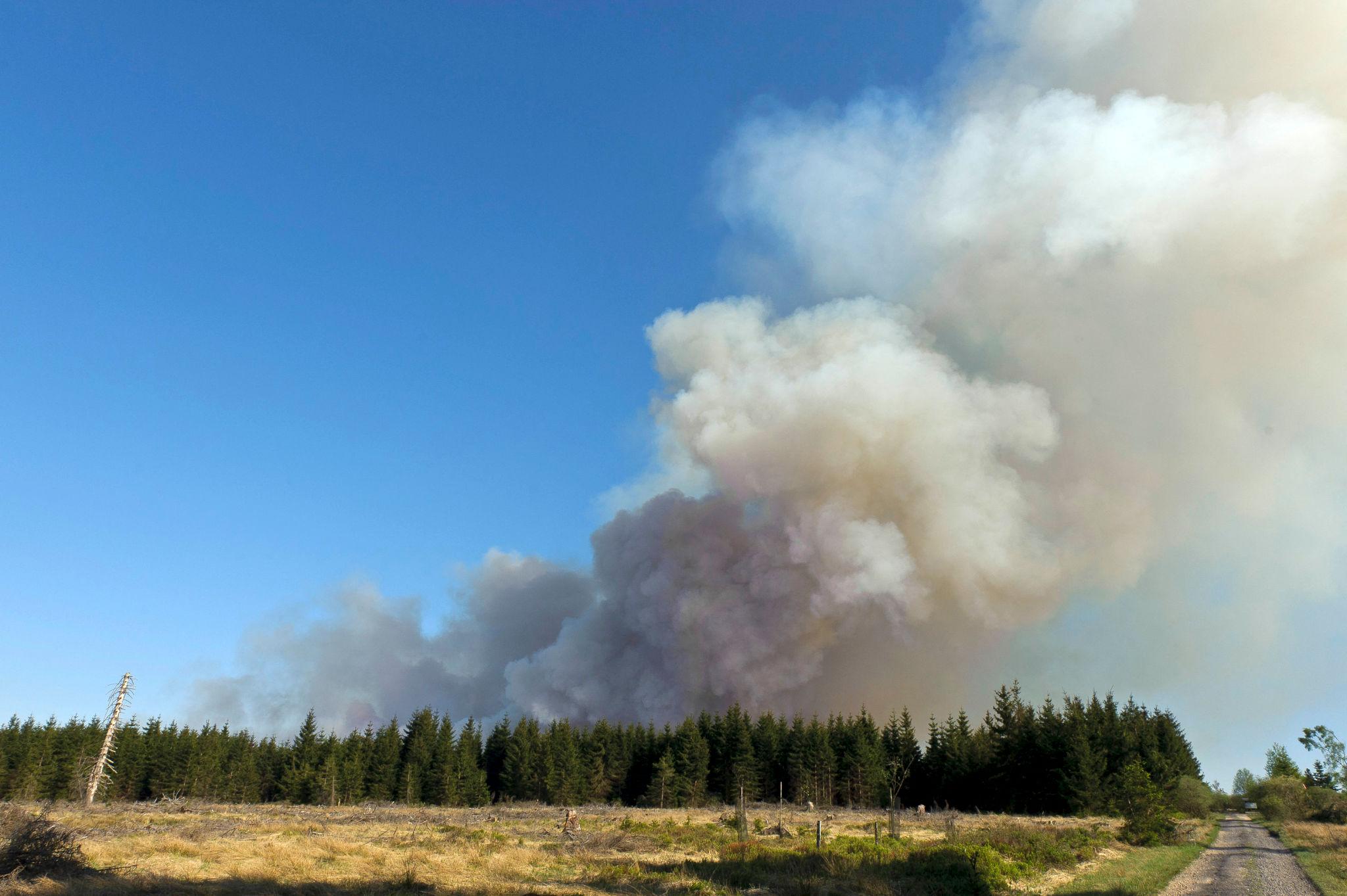
Belgium wildfire has become the country’s largest on record, with flames sweeping across roughly 3,000 hectares of the High Fens nature reserve and pushing toward the German border. The fast-moving blaze began Friday and has forced evacuations in parts of eastern Belgium while firefighters from Belgium, Germany and Luxembourg work together to contain it. Germany has also prepared for possible evacuations and warned residents near Monschau about heavy smoke. No homes had been directly damaged as of Sunday, but authorities remain concerned about the fire’s proximity to populated areas.
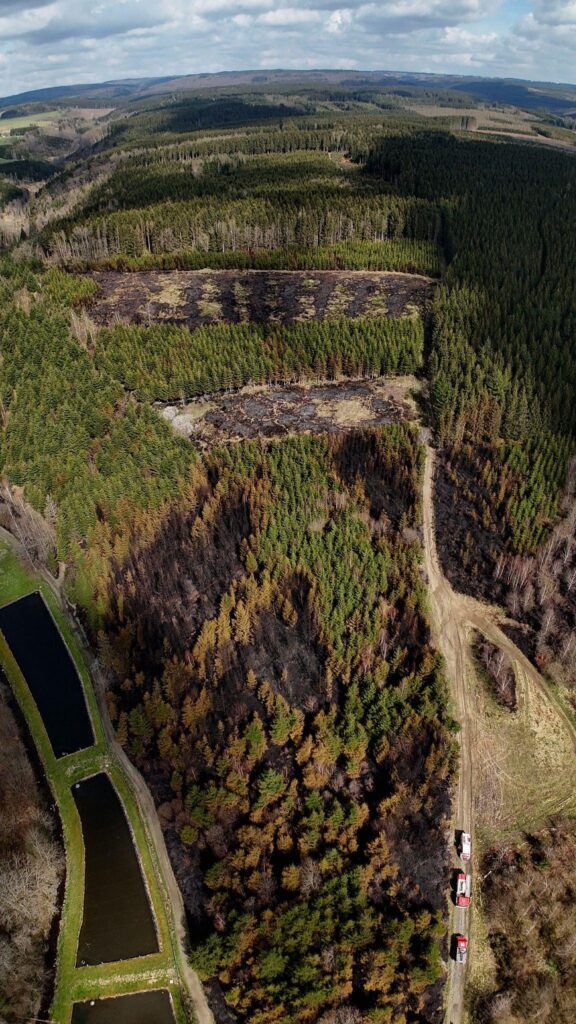
The emergency comes during an exceptionally hot and dry summer across Europe. Belgium is experiencing its fifth heatwave of the season, creating conditions in which vegetation can ignite and fires can spread rapidly. The European Union has responded after Belgium requested assistance, sending additional firefighting resources to help battle the expanding blaze.
Why the High Fens Fire Is So Serious
The fire is burning in the High Fens, a protected upland landscape in eastern Belgium that extends toward Germany. The area is known for its peatlands, heathland and unusual ecosystems. The protected High Fens landscape covers roughly 5,000 hectares and has been conserved since 1957.
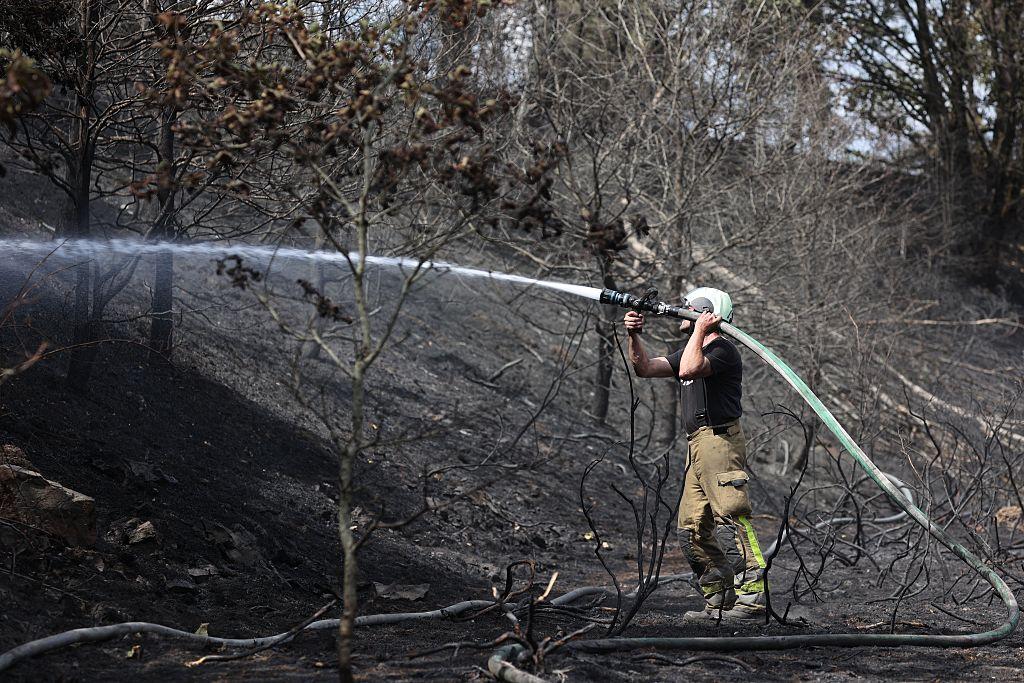
The terrain also creates special challenges for firefighters. Peat and dry heath vegetation can continue smoldering even when flames are not immediately visible, while wind can quickly change the direction of a fire. The combination of dry vegetation, heat and difficult terrain has made the operation particularly demanding. The current burned area is already more than twice the size of Belgium’s major 2011 wildfire, which affected about 1,400 hectares.
Firefighters Race to Stop the Flames Before They Reach Germany
Fire crews from several countries have been working together as the fire approaches the border. Belgian firefighters have been supported by German and Luxembourg teams, while military personnel and local farmers have also contributed to the response. Aircraft and helicopters are being used to attack difficult sections of the blaze from above.
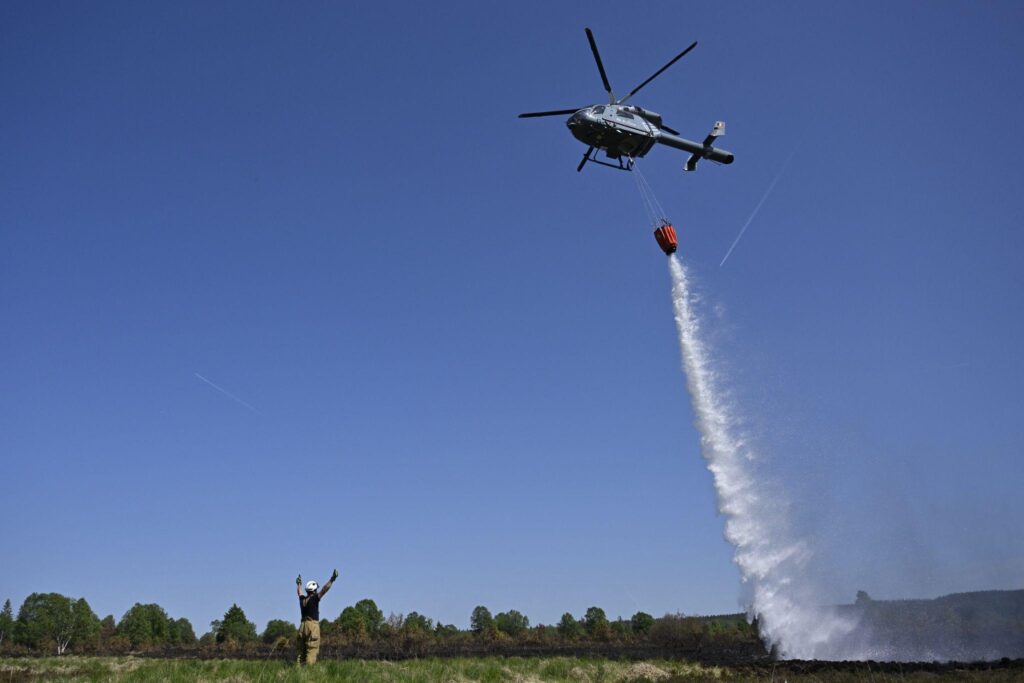
Belgium activated the European Union’s civil protection system after requesting additional help. The international response includes firefighting aircraft and other emergency resources, showing how quickly a national wildfire can become a cross-border emergency. AP reported that more than 250 personnel were involved in the wider operation, including firefighters, military, police and civil protection workers.
Germany Prepares as Smoke and Fire Move Closer
The immediate concern for Germany is the border region around Monschau in North Rhine-Westphalia. The Belgian fire has not crossed into Germany, but the advancing fire front and thick smoke have prompted German authorities to prepare precautionary measures. Some nearby communities were advised to consider leaving temporarily because of potential smoke exposure.
German firefighters have also taken preventive steps around vulnerable areas. Reports from Monschau said emergency crews were closely watching the situation and preparing for the possibility that conditions could deteriorate. Later assessments indicated that the immediate situation around Monschau had become calmer, although authorities continued monitoring the border area because the fire remained active on the Belgian side.
Hundreds Evacuated as Authorities Protect Communities
The wildfire has already disrupted communities in eastern Belgium. AP reported that approximately 600 residents from the municipalities of Waimes and Bütgenbach were evacuated as the fire moved through the High Fens. Authorities have also urged people to stay away from the affected region while firefighting operations continue.
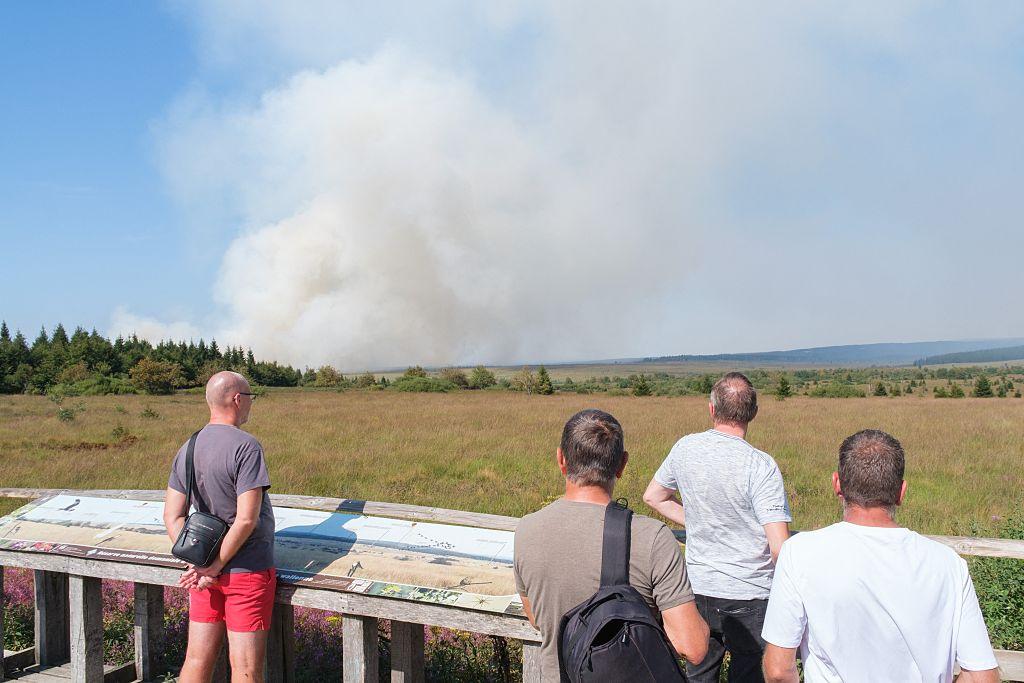
So far, the most significant immediate threat has been to people, infrastructure and air quality rather than widespread destruction of homes. Reuters reported that defensive lines were being maintained around evacuated villages and that no homes had been affected at the time of its latest report. Cooler and more humid weather was expected to give firefighters a better opportunity to strengthen containment lines.
Why This Wildfire Matters Now
The Belgium wildfire is part of a wider European pattern of severe summer fires. France, Spain, Greece, Croatia, Germany and other parts of Europe have also faced major wildfire emergencies during a period of extreme heat and dry conditions. The scale of the Belgian blaze is especially notable because Belgium is not normally associated with the type of enormous wildfires frequently seen in southern Europe.
Climate scientists have increasingly connected hotter conditions with greater wildfire risk, although the cause of any individual fire must be assessed separately. For Belgium, the current disaster highlights how prolonged heat and dryness can turn landscapes that historically faced lower wildfire risks into dangerous fire zones. The coming days will be critical because wind, humidity and rainfall can determine whether containment lines hold or the fire expands further.
What Happens Next
Firefighters are expected to concentrate on holding the existing fire perimeter, protecting communities and preventing the flames from crossing into Germany. International assistance gives Belgium additional aircraft, personnel and equipment, but weather conditions will remain one of the biggest factors affecting the operation. A shift toward cooler, more humid weather could make containment easier, while renewed heat or stronger winds could quickly increase the danger.
The High Fens wildfire is also a warning about the changing nature of wildfire risk across Europe. Beyond the immediate emergency, authorities will have to assess ecological damage to one of Belgium’s most important protected landscapes and consider how future fire prevention can be strengthened. For residents and travelers near the Belgium-Germany border, official emergency warnings remain the most important source of information as the situation develops.
Subscribe to trusted news sites like USnewsSphere.com for continuous updates.