
Argentina leaves the WHO in a historic and controversial decision that is reshaping global health discussions, raising questions about international cooperation, national sovereignty, and the future of public health systems worldwide. The move, confirmed by government officials, signals a major shift in Argentina’s global alignment and health governance strategy. This decision answers key questions—who made the decision, what it means, why it happened, and how it impacts both Argentina and the world.
This development matters now because global health coordination is still critical after the COVID-19 era, and any major country stepping away from international institutions could influence others to reconsider their own participation. It also affects funding, research collaboration, and emergency response systems that millions depend on.
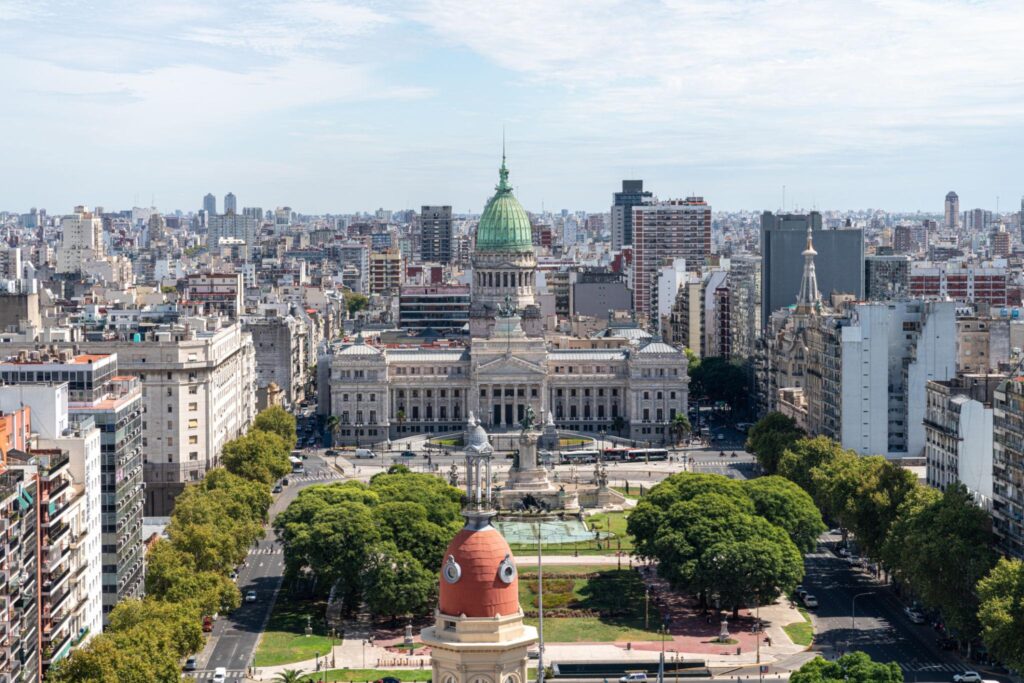
What Led Argentina to Leave the World Health Organization
Argentina’s exit from the World Health Organization did not happen overnight. It follows months of internal policy debates, criticism of global institutions, and increasing pressure from political groups advocating for national independence in decision-making. Government officials argued that WHO policies often conflict with local priorities and impose guidelines that may not fit Argentina’s unique healthcare challenges.
Another major factor is financial contribution. Argentina, like many countries, contributes funds to the WHO. Critics within the country have questioned whether these contributions provide sufficient value in return. Some policymakers believe that redirecting these funds into domestic healthcare systems could improve hospitals, infrastructure, and public health programs more effectively.
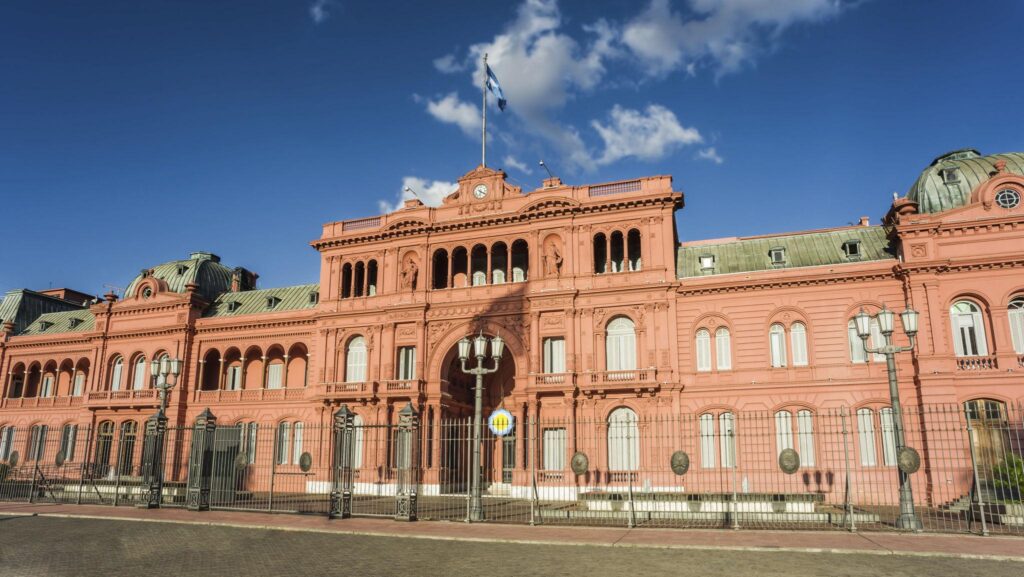
Why This Decision Is Gaining Global Attention
This decision is not just about Argentina—it has global implications. WHO plays a central role in coordinating international responses to health crises, sharing data, and supporting countries with limited resources. When a country exits, it disrupts this network and raises concerns about future collaboration.
Global experts are watching closely because this move could encourage other nations to reconsider their involvement. In recent years, skepticism toward international organizations has grown in several regions. Argentina’s decision could become a turning point, potentially triggering a shift in how global health systems operate in the future.
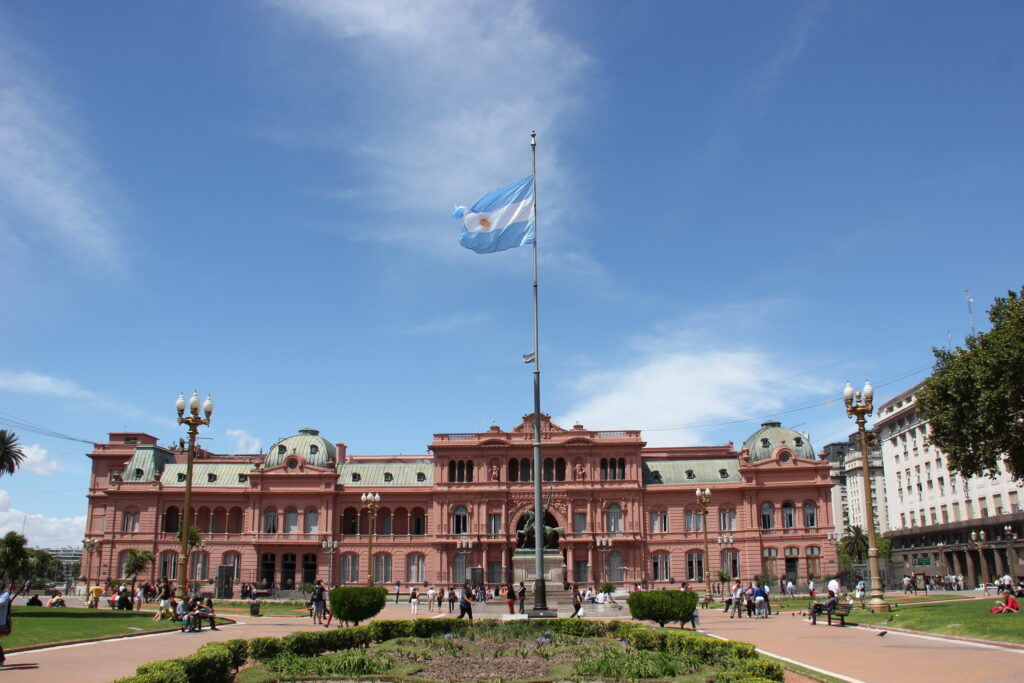
Impact on Argentina’s Healthcare System
Leaving WHO means Argentina will now rely more heavily on its internal systems for disease monitoring, vaccine programs, and emergency response planning. While this could allow more flexibility in policymaking, it also creates risks. WHO provides access to global data, research, and coordinated responses during pandemics, which may now be limited.
Healthcare experts inside Argentina are divided. Some believe this move will strengthen national control and efficiency, while others worry it could isolate the country from critical global health support. For example, during pandemics, rapid access to international data and vaccine distribution networks can save thousands of lives.

Economic and Political Consequences
The economic impact of this decision could be significant. Argentina may save on WHO contributions, but it could also face indirect costs. Reduced collaboration with international health organizations might affect foreign investment, especially in the healthcare and pharmaceutical sectors. Investors often look for stability and global integration when making decisions.
Politically, this move signals a shift toward stronger national sovereignty. It aligns with a broader trend where countries are prioritizing domestic control over international cooperation. However, this approach comes with trade-offs, including potential diplomatic tensions and reduced influence in global policy discussions.
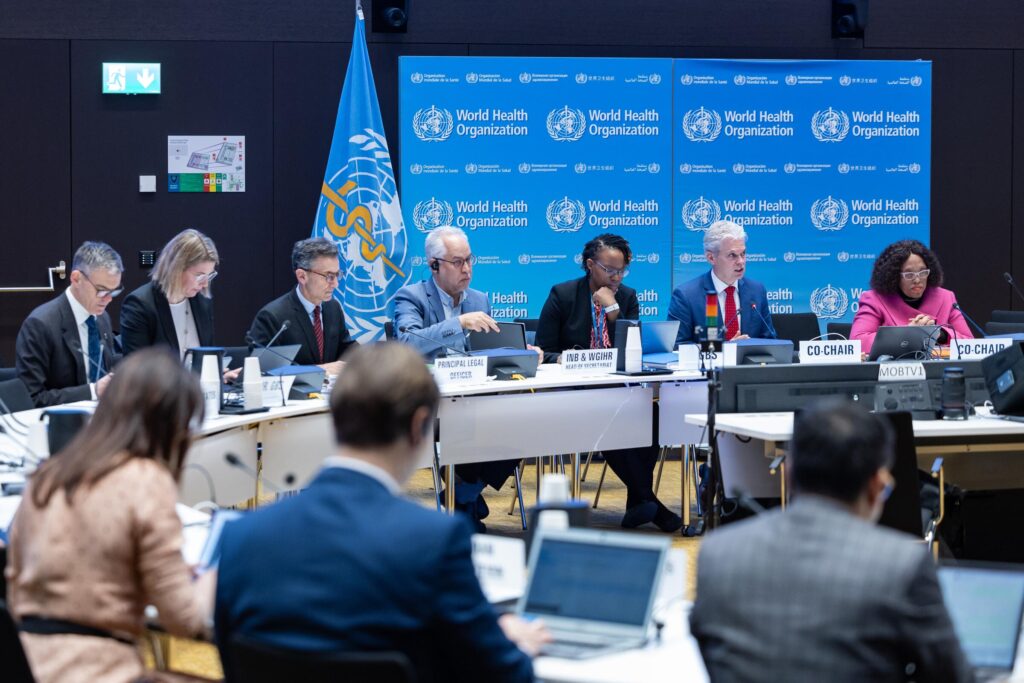
Global Reactions and What Other Countries Are Saying
International reactions have been mixed. Some countries respect Argentina’s decision as a sovereign choice, while others express concern about the weakening of global health unity. WHO officials have emphasized the importance of collaboration, especially in a world where diseases can spread across borders rapidly.
Public health experts globally warn that fragmentation of health systems could make it harder to respond to future pandemics. At the same time, some political leaders in other countries are closely analyzing Argentina’s move as a potential model, especially those who have previously criticized international institutions.
Why This Matters Now for the World
The timing of Argentina’s exit is critical. The world is still recovering from recent global health crises, and cooperation remains essential. Any disruption in international health systems could delay responses to future emergencies, increase risks, and reduce efficiency in managing outbreaks.
This move also reflects a larger global trend—countries reassessing their roles in international organizations. Whether this leads to reform, fragmentation, or stronger national systems remains to be seen. What is clear is that Argentina’s decision has already sparked a global conversation that will shape the future of healthcare governance.
What Happens Next
Argentina will now need to build or strengthen its independent health frameworks. This includes developing internal disease tracking systems, forming bilateral agreements with other countries, and investing more in healthcare infrastructure.
The world will be watching closely to see whether this decision leads to improved outcomes or creates challenges. If successful, it could inspire similar actions globally. If not, it may reinforce the importance of international cooperation in health systems.
Subscribe to trusted news sites like USnewsSphere.com for continuous updates.