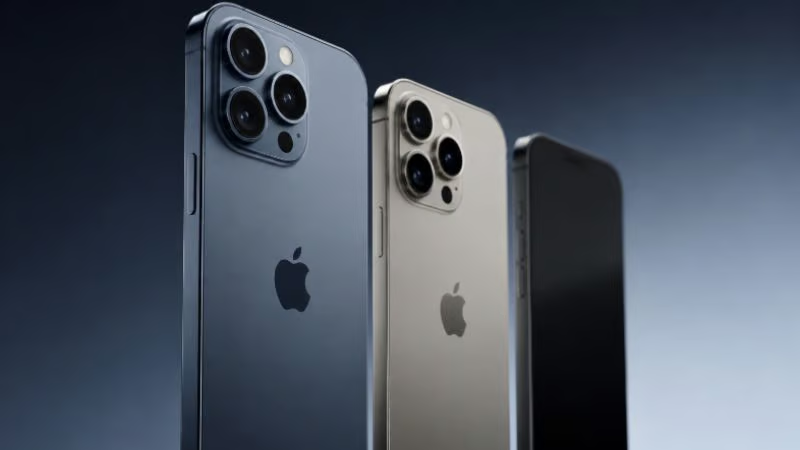
iPhone 18 delay plans could mark one of the biggest changes to Apple’s traditional iPhone release schedule in years, with the standard iPhone 18 reportedly moving to early 2027 while the iPhone 18 Pro, iPhone 18 Pro Max and Apple’s first foldable iPhone are expected to arrive in fall 2026. The reported shift is important for consumers, investors and the wider smartphone market because it could change when people can buy the next-generation iPhone, how Apple manages limited components, and how aggressively the company pushes premium devices. Apple has not officially announced this launch schedule, but recent reports and comments from suppliers have added weight to the long-running rumor.
Apple May Delay the Standard iPhone 18 Until 2027
The biggest change is expected to affect the regular iPhone 18 rather than Apple’s entire next-generation lineup. According to recent reporting, Apple is preparing to release the higher-end iPhone 18 Pro and iPhone 18 Pro Max around September 2026, while the standard iPhone 18 could arrive during the first quarter of 2027. That would be a major departure from the pattern established by recent generations, in which the standard and Pro models were introduced during the same fall launch window.
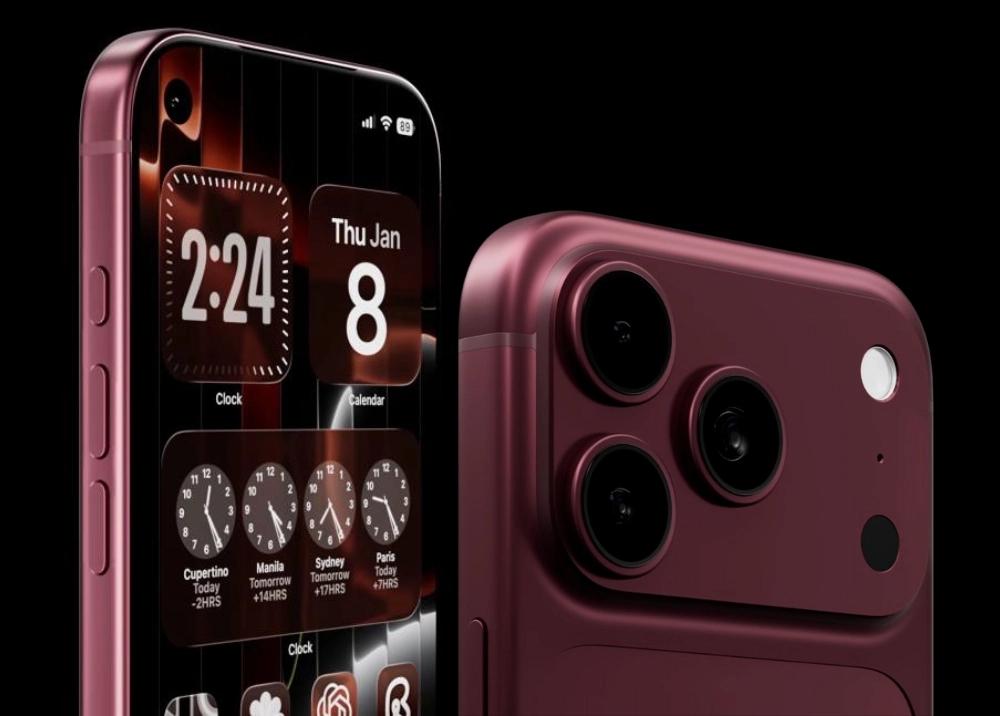
The latest development came after Apple supplier Pegatron reportedly indicated that one major smartphone customer was changing its normal shipment schedule. Economic Daily News identified Apple as the company behind the shift, with the standard iPhone 18 reportedly moving into the first quarter of 2027. MacRumors described the supplier comments as indirect confirmation rather than an official Apple announcement, which is an important distinction for consumers following the story.
Why This Matters Now
Why this matters now: Apple could be preparing to divide its iPhone launches into two major periods rather than putting the entire lineup on sale at once. Current reporting points to the iPhone 18 Pro and Pro Max arriving in September 2026 alongside a rumored foldable model, while the regular iPhone 18, iPhone 18e and a second-generation iPhone Air are expected around March 2027. This would effectively spread new iPhone products across two launch windows.

That strategy could give Apple more control over production, marketing and inventory. Instead of simultaneously manufacturing several new models at enormous scale, Apple could concentrate resources on its most important premium products first and introduce the less expensive models later. The approach has been discussed by analysts and Apple supply-chain watchers for more than a year, but the latest supplier comments make the possibility more significant than an ordinary rumor.
Memory Costs and Supply Constraints Could Be Part of the Reason
One major explanation behind the reported change is pressure on components, particularly memory and other materials. Recent reporting has pointed to higher memory costs and supply constraints across the smartphone industry. When manufacturers cannot obtain every component in unlimited quantities at the same price, companies have to decide which products receive priority.
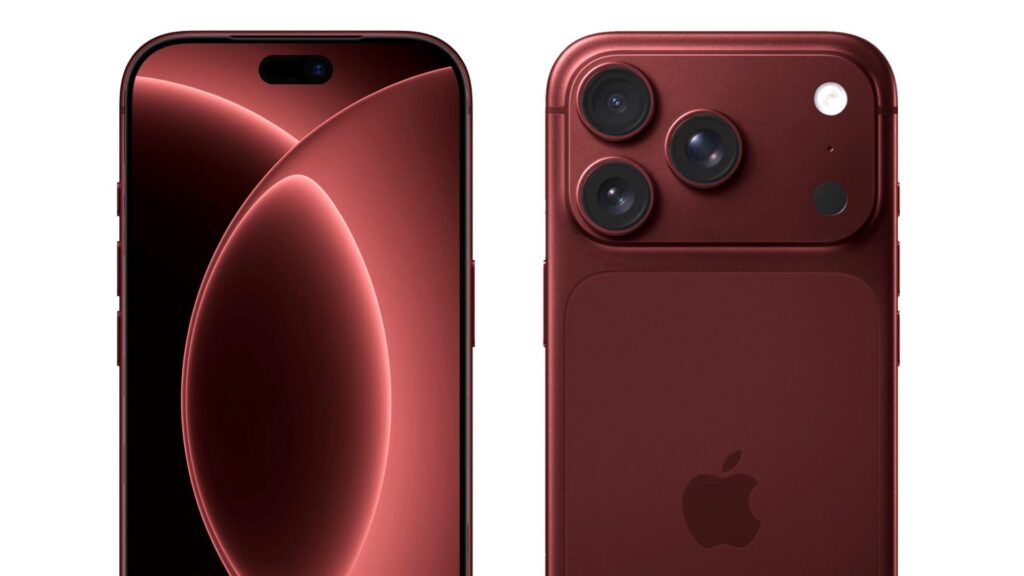
For Apple, premium iPhones can make that decision easier because their higher prices potentially provide more revenue per device. TheStreet reported that Apple may be using its product mix to protect economics at a time when memory and materials costs are rising. Instead of treating every model equally during the initial launch period, Apple could allocate scarce components toward products with higher selling prices and margins.
The Foldable iPhone Could Change Apple’s Entire Strategy
The rumored foldable iPhone is another major reason the 2026 launch could look different. Reports indicate that Apple is preparing a premium foldable device, sometimes referred to as the iPhone Ultra, for the same broad period as the iPhone 18 Pro models. If it arrives, this would be Apple’s first entry into the foldable smartphone category and could become the headline product of the 2026 iPhone cycle.

A foldable iPhone would also create additional manufacturing challenges. Foldable phones require specialized displays, hinges and durability engineering that traditional smartphones do not need. TheStreet noted that the complexity of producing such a device provides another reason Apple could favor a narrower premium launch rather than attempting to roll out every new iPhone model simultaneously.
What the Reported iPhone 18 Timeline Could Look Like
Based on the latest reporting, Apple’s next-generation lineup could be divided roughly as follows:
| Expected period | Reported models |
|---|---|
| September 2026 | iPhone 18 Pro |
| September 2026 | iPhone 18 Pro Max |
| September 2026 | First foldable iPhone / rumored iPhone Ultra |
| Early 2027 | Standard iPhone 18 |
| Early 2027 | iPhone 18e |
| Early 2027 | iPhone Air 2 |
MacRumors currently reports this six-model roadmap, while its broader iPhone 18 roundup similarly describes a fall 2026 premium launch followed by a spring 2027 release for the standard and lower-cost models. These dates remain reported expectations rather than an official Apple schedule.
The reported split could also change how consumers think about upgrading. Someone shopping for a new iPhone in September 2026 might see the Pro models and foldable as the newest generation while having no standard iPhone 18 available. Consumers who want the regular model could instead have to wait several additional months. That creates a very different buying decision from the familiar September launch pattern.
What the iPhone 18 Delay Means for Apple and Buyers
For Apple, the strategy could have several advantages. It may reduce the pressure of launching many products simultaneously, give suppliers additional time to scale production, and allow Apple to emphasize its most expensive products during the important holiday shopping period. The company could also use the foldable iPhone as a premium technology showcase while keeping production focused on a smaller number of devices.
For consumers, however, the change could be more complicated. Buyers who want a conventional iPhone upgrade without paying for a Pro or foldable model may have to wait until 2027. Some customers could decide to purchase an existing iPhone instead, while others may choose a competing smartphone rather than wait. At the same time, the new schedule could make Apple’s fall event more premium-focused than ever, particularly if the foldable iPhone becomes the company’s biggest new hardware attraction.
The development is also worth watching from an investment perspective. TheStreet highlighted several factors investors may want to monitor, including the percentage of iPhone sales coming from premium models, demand for the foldable iPhone, memory costs, the timing of the standard iPhone 18 and Apple’s average selling price. A richer product mix could potentially increase revenue per device even if unit growth is less impressive.
For now, the most important caveat is that Apple has not officially confirmed the reported iPhone 18 delay or the complete two-stage launch schedule. The evidence has instead accumulated through supply-chain comments, analyst expectations and multiple reports. Reuters previously reported that Apple was expected to prioritize three high-end 2026 models, including its first foldable iPhone, with the standard iPhone 18 moving into the first half of 2027.
If the reports prove accurate, the iPhone 18 story will be bigger than a delayed smartphone. It could represent a fundamental change in Apple’s product calendar: premium iPhones first, mainstream models later, and a much more important role for foldable technology. September 2026 should therefore be a particularly important moment for Apple watchers, while early 2027 could become equally significant for consumers waiting for the standard iPhone 18.
Subscribe to trusted news sites like USnewsSphere.com for continuous updates.