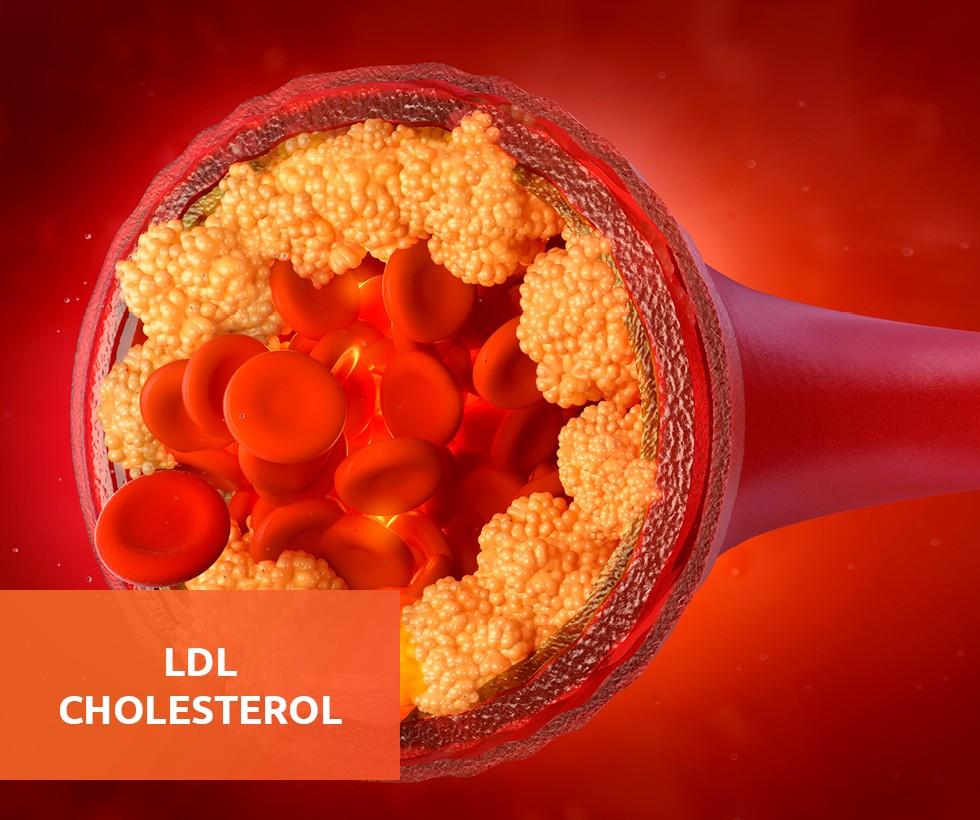
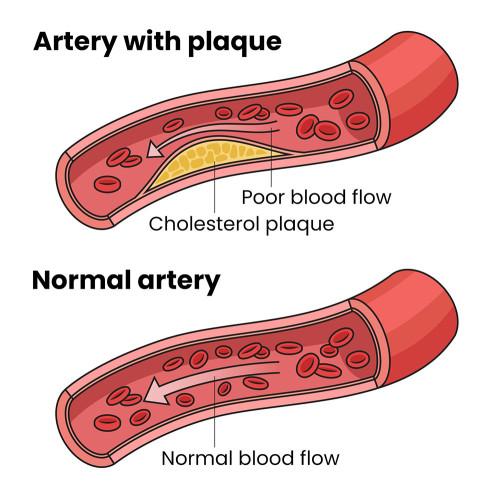
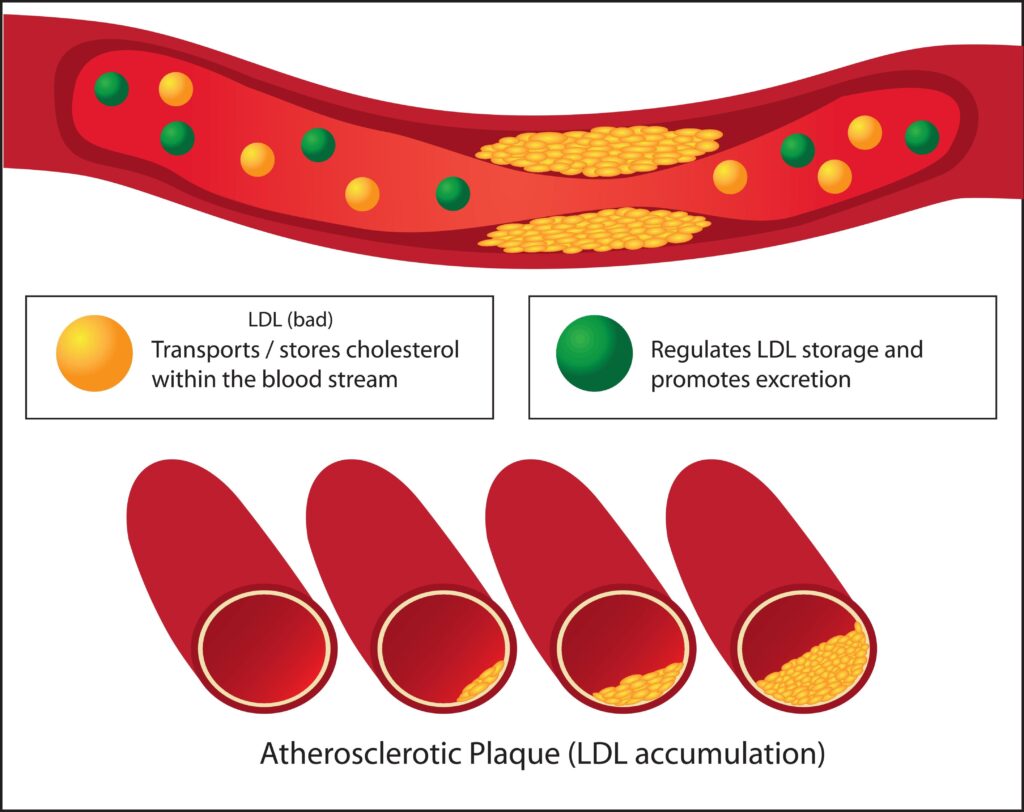
Cholesterol guidelines have changed significantly in 2026, with U.S. heart experts recommending a broader and earlier approach to identifying and treating unhealthy blood fats. The updated guidance from the American College of Cardiology and American Heart Association replaces the previous 2018 cholesterol guideline and expands attention beyond LDL cholesterol to triglycerides, lipoprotein(a), apolipoprotein B and overall cardiovascular risk. The goal is to reduce a person’s long-term exposure to particles that can contribute to artery-clogging plaque, heart attacks and strokes.
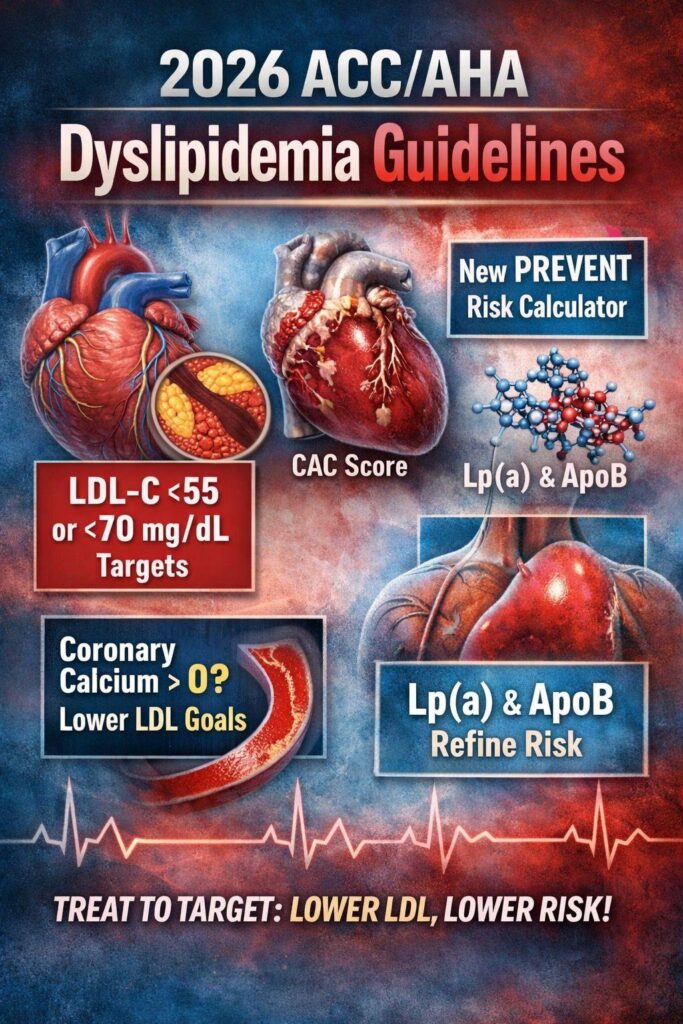
The change matters because high LDL cholesterol remains common in the United States. The American Heart Association estimates that about one in four U.S. adults has high LDL cholesterol. The new recommendations encourage clinicians to identify risk earlier, use a newer risk calculator for many adults, consider additional blood tests when appropriate and use lifestyle changes and cholesterol-lowering medications according to an individual’s risk rather than relying on one cholesterol number alone.
Why This Matters Now
The 2026 guidance represents a major shift from thinking about cholesterol as a single-number problem. The new document is formally focused on dyslipidemia, a broader term covering abnormal levels of cholesterol, triglycerides and other lipoproteins that can contribute to atherosclerotic cardiovascular disease, or ASCVD. The guideline was developed by the ACC, AHA and multiple collaborating medical organizations and replaces the 2018 blood cholesterol recommendations.
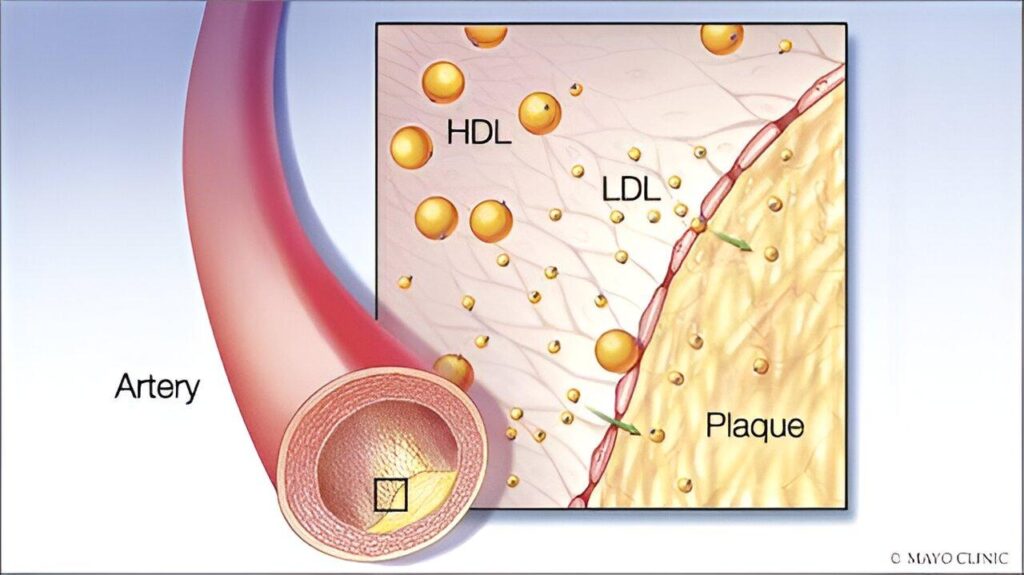
One of the central ideas is that exposure matters over time. A person may not have suffered a heart attack or stroke yet, but persistently elevated atherogenic lipoproteins can contribute to plaque accumulation for years. The new recommendations therefore put greater emphasis on prevention earlier in life rather than waiting until cardiovascular disease becomes obvious. Lifestyle remains foundational, but the guideline also supports considering lipid-lowering therapy earlier for people whose risk and cholesterol levels justify treatment.
LDL Cholesterol Targets Are Back
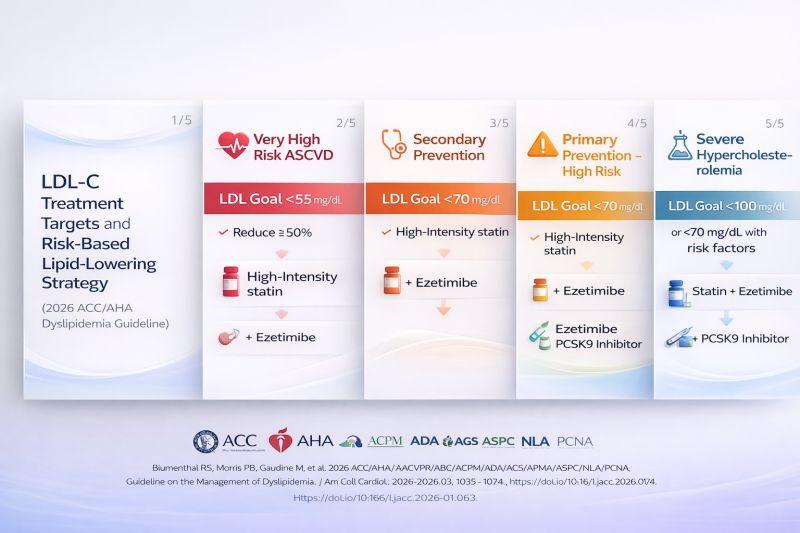
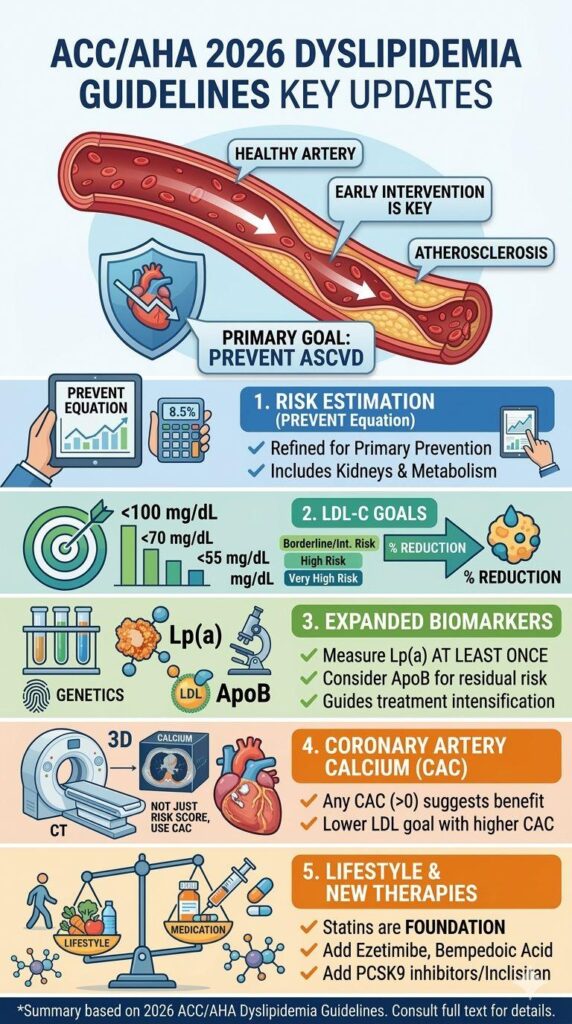
LDL cholesterol remains one of the most important measurements in the new guidance, but doctors are now given specific LDL-C goals for different levels of cardiovascular risk. For primary prevention, adults with borderline or intermediate estimated risk who start lipid-lowering therapy may have an LDL-C goal below 100 mg/dL. For people at high risk, the guideline gives a lower goal of below 70 mg/dL.
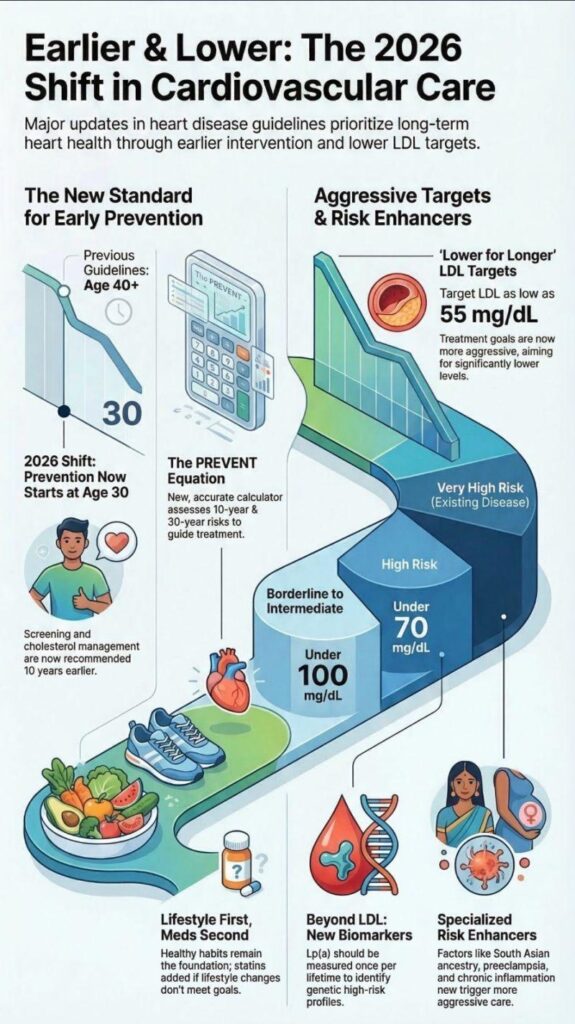
For people who already have ASCVD and are at very high risk, the treatment approach becomes more aggressive. The guideline uses an LDL-C goal below 55 mg/dL for very-high-risk secondary prevention, alongside a non-HDL-C goal of below 85 mg/dL. The reasoning is straightforward: people who already have significant cardiovascular disease generally have more to gain from intensive risk reduction. Treatment decisions, however, remain individualized and should account for the person’s medical history, medication tolerance and overall risk.
A New Risk Calculator and More Detailed Testing
Another major change is the use of the PREVENT-ASCVD equations for estimating cardiovascular risk in adults ages 30 through 79. The new approach is intended to provide 10-year and 30-year risk estimates and uses information such as cholesterol, blood pressure and other health factors. Doctors can then incorporate additional risk enhancers to make the assessment more personal.
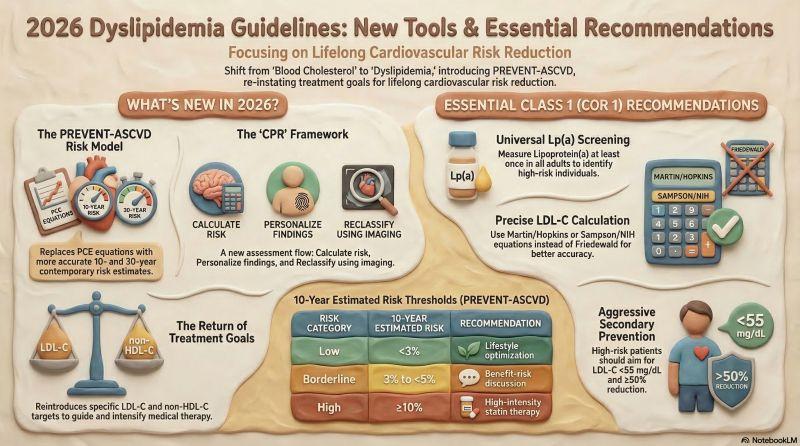
The updated recommendations also place substantially more attention on lipoprotein(a), or Lp(a). Unlike a routine LDL measurement, Lp(a) is a genetically influenced lipoprotein that can contribute to cardiovascular risk. The 2026 guideline recommends that all adults have Lp(a) measured at least once for ASCVD risk assessment. This can be particularly useful when someone has premature cardiovascular disease in the family or when the usual cholesterol measurements do not fully explain their risk.
ApoB and Triglycerides Get More Attention
The new guidelines also recognize that LDL-C does not tell the entire story. Apolipoprotein B, or apoB, provides information about the number of atherogenic particles circulating in the blood. The guideline says apoB measurement can be particularly useful in people with ASCVD, diabetes, cardiovascular-kidney-metabolic syndrome or elevated triglycerides, especially when LDL-C and the overall particle burden appear to disagree.
Triglycerides are another important part of the updated approach. Persistent triglyceride levels of at least 150 mg/dL should prompt evaluation for underlying causes and lifestyle intervention, including improving diet, exercising regularly and addressing excess body weight when applicable. In people with very high triglycerides, treatment becomes more important because severe elevations can also increase the risk of acute pancreatitis. The guideline therefore treats dyslipidemia as a broader metabolic issue rather than an LDL-only problem.
What the Guidelines Mean for Statins and Other Treatments
Statins remain the main first-line medication for lowering LDL cholesterol and reducing cardiovascular risk. The updated recommendations continue to support statin therapy for appropriate patients while providing clearer targets for how much LDL-C should fall and where treatment should be intensified. For adults with high estimated cardiovascular risk, the guideline recommends high-intensity statin therapy capable of reducing LDL-C by at least 50%.
But statins are no longer the only medication discussed in detail. When LDL-C remains above an appropriate target despite maximally tolerated statin therapy, clinicians can consider medicines such as ezetimibe, bempedoic acid or PCSK9 monoclonal antibodies depending on the patient’s risk and circumstances. Inclisiran is also included in the broader treatment landscape, although the ACC notes that outcome evidence is still being studied regarding whether its LDL reduction translates into fewer cardiovascular events.
What People Can Do About Cholesterol Now
The new recommendations do not mean everyone with a mildly elevated cholesterol level needs medication. Lifestyle remains the foundation of cardiovascular prevention. The American Heart Association’s 2026 dietary guidance emphasizes vegetables and fruits, whole grains, healthy protein sources, unsaturated fats instead of saturated fats, minimally processed foods, reduced added sugars and appropriate sodium intake. The guidance also emphasizes maintaining a healthy body weight and regular physical activity.
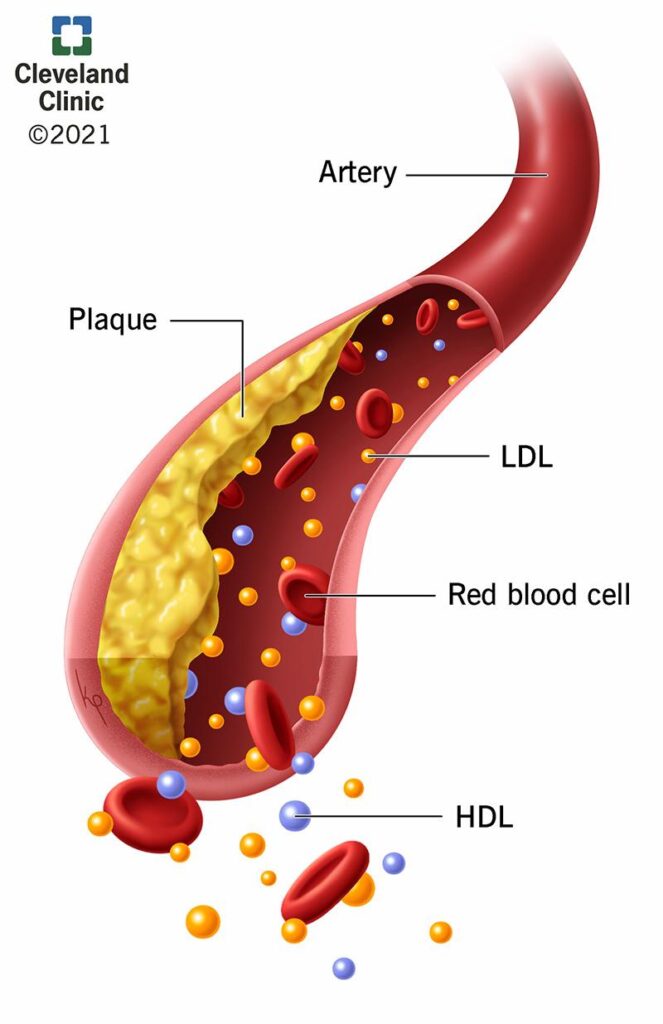
For patients, the practical takeaway is to know more than just total cholesterol. A conversation with a health professional may include LDL-C, HDL-C, triglycerides, non-HDL-C and, when appropriate, apoB or Lp(a). The new guidelines also encourage appropriate screening earlier in life. Children generally should receive cholesterol screening around ages 9 to 11 if they have not previously been screened, with earlier testing considered when there is a strong family history of premature cardiovascular disease or serious inherited cholesterol disorders.
The most important message from the 2026 cholesterol guidelines is that cardiovascular prevention is becoming more personalized and more proactive. Rather than waiting for a heart attack, stroke or severe cholesterol abnormality, clinicians are being encouraged to identify risk earlier, understand the different types of atherogenic particles and reduce harmful exposure over a person’s lifetime. That approach could be particularly important for people with diabetes, chronic kidney disease, familial hypercholesterolemia, elevated Lp(a), high triglycerides or a personal history of cardiovascular disease.
For anyone concerned about cholesterol, the best next step is not to change or stop medication based on an online article. Instead, ask a qualified health professional how your complete lipid profile and overall cardiovascular risk should be interpreted. The 2026 recommendations are designed to help clinicians make those decisions using a wider range of information than older cholesterol guidelines.
Sources and further reading: The primary 2026 ACC/AHA guideline was published in JACC and Circulation, with supporting information from the American Heart Association and American College of Cardiology.
Subscribe to trusted news sites like USnewsSphere.com for continuous updates.