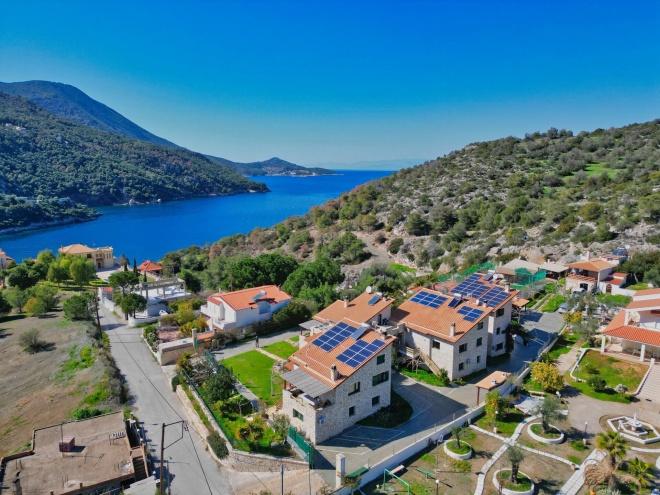
Greece opens a new chapter for rooftop solar users
Greece allows households and businesses to sell excess solar power in one of the country’s most significant renewable energy policy changes in recent years. The decision gives property owners a greater role in the electricity market by allowing them to earn income from surplus electricity generated by rooftop solar systems instead of letting that unused energy go to waste.
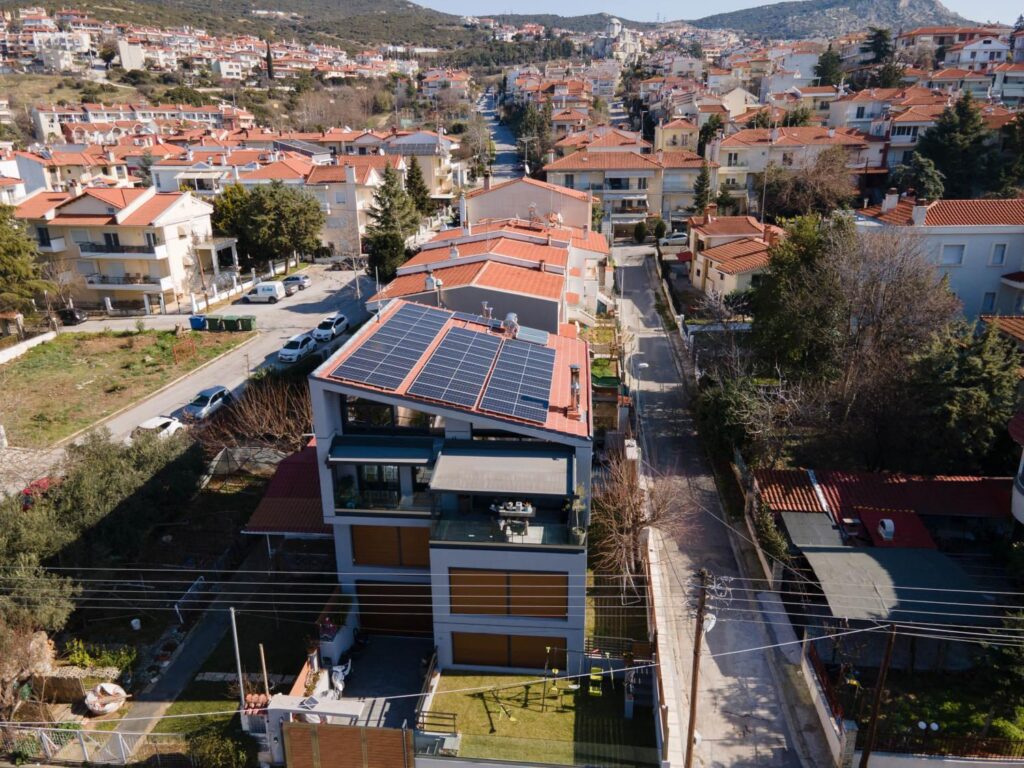
Who: Greek households, businesses, and energy authorities. What: A new system allowing excess solar electricity to be sold back into the electricity market. Why: To encourage renewable energy investment, modernize the electricity grid, and support Greece’s climate goals. Impact: Consumers may lower electricity costs while helping increase clean energy production across the country.
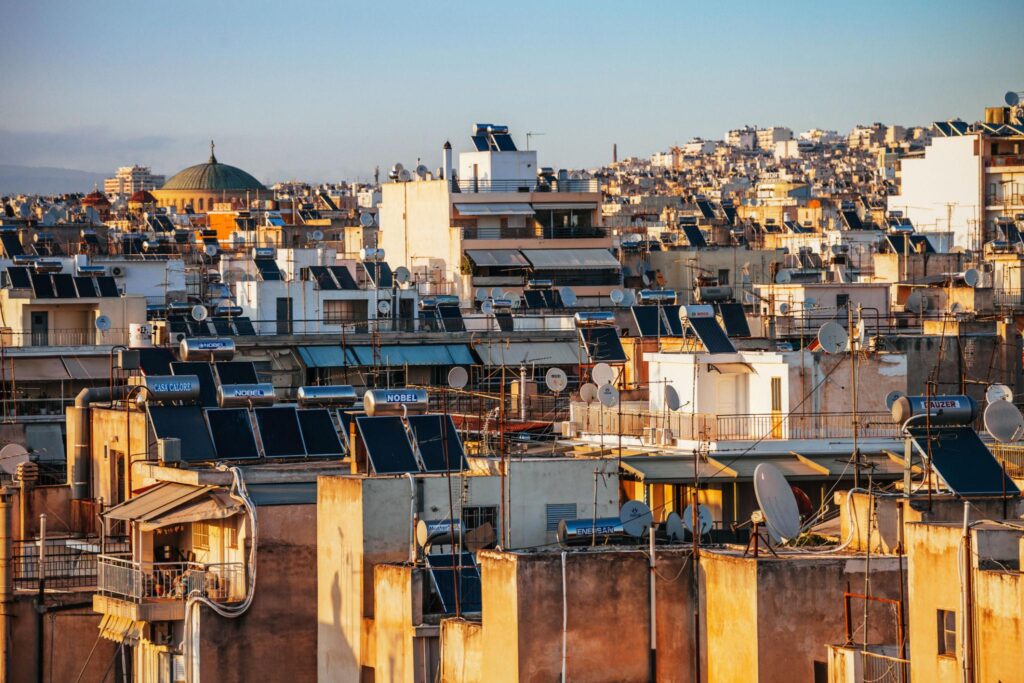
Why this matters now
The announcement comes as Europe continues accelerating its transition toward cleaner energy sources. Rising electricity demand, energy security concerns, and ambitious European Union climate targets have encouraged governments to make renewable energy investments more attractive for homeowners and businesses alike. Greece’s latest move fits within that broader strategy to expand distributed renewable energy while improving the resilience of the national electricity system.
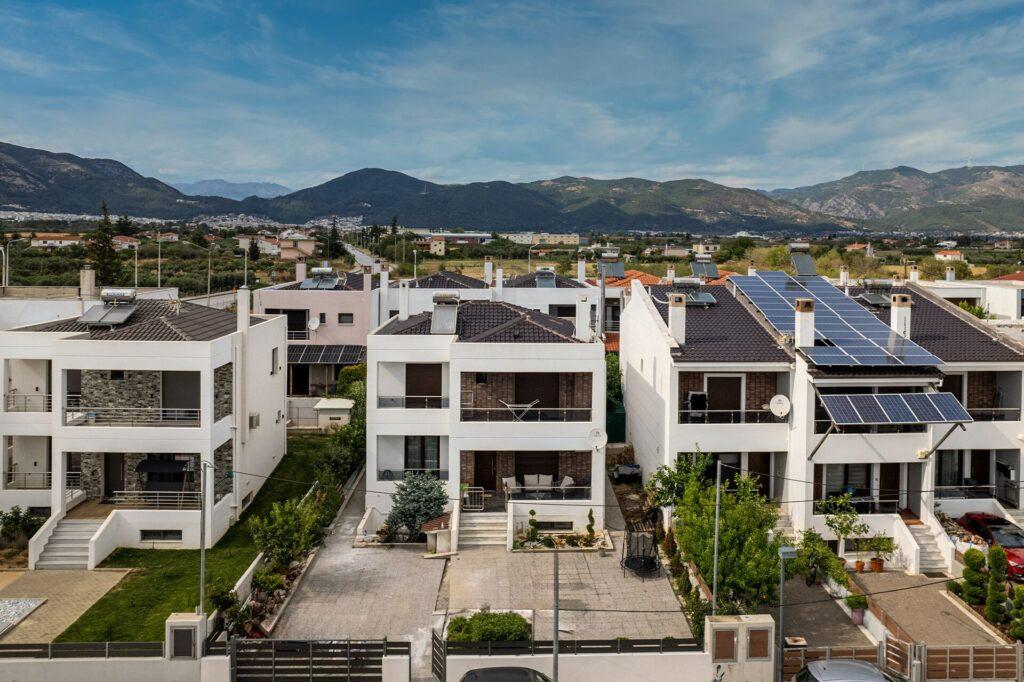
Rather than relying solely on large utility-scale solar farms, policymakers increasingly recognize that thousands of small rooftop installations can collectively contribute meaningful amounts of electricity while reducing pressure on traditional power plants.
How the new system works for homeowners and businesses
Under Greece’s updated framework, households and businesses with rooftop photovoltaic systems can export unused electricity to the grid and receive compensation through the country’s net billing mechanism. Unlike older net-metering systems, payments are linked more closely to market electricity prices, creating incentives to generate power when demand is highest.
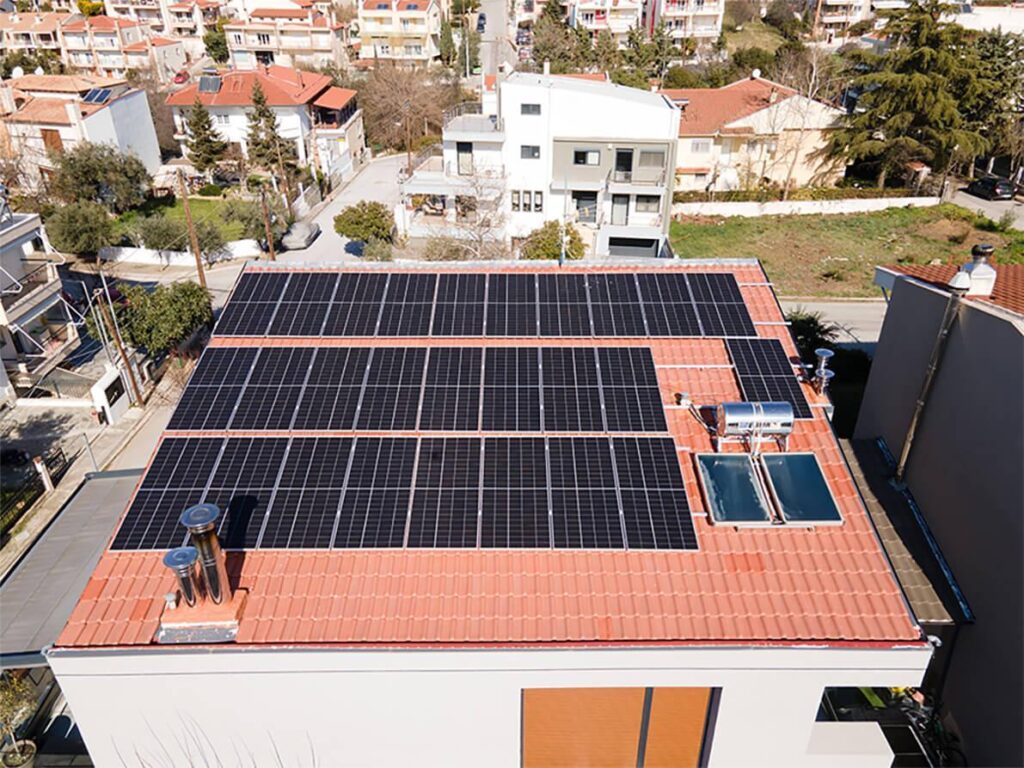
The program also supports “prosumers”—people or organizations that both consume and produce electricity. This model gives consumers greater control over their energy costs while encouraging investments in rooftop solar technology and, potentially, battery storage systems that help balance electricity demand throughout the day.
For many homeowners, the financial appeal extends beyond lower monthly electricity bills. Selling excess electricity can improve the long-term return on investment for solar installations, making renewable energy more attractive to families considering rooftop panels for the first time.
Greece continues expanding its renewable energy ambitions
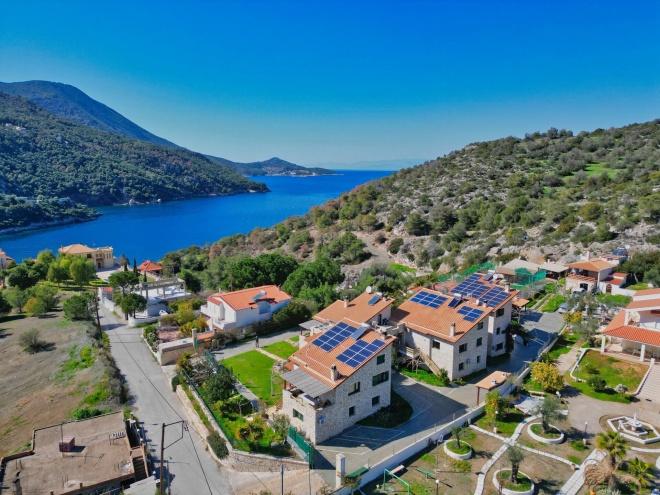
Greece has rapidly increased renewable electricity production during the past several years. Solar, wind, and hydropower now account for a growing share of the country’s electricity mix, reflecting substantial investments in renewable infrastructure and grid modernization.

Government plans aim to continue expanding renewable capacity while reducing dependence on fossil fuels. Investments in transmission infrastructure, digital grid technologies, and additional renewable projects are expected to support higher levels of clean electricity generation across the country.
Officials also view decentralized rooftop solar as an important complement to large renewable energy projects because locally generated electricity can reduce transmission losses and strengthen energy security during periods of high demand.
What this means for consumers and electricity markets
The biggest beneficiaries could be homeowners with suitable rooftops, commercial property owners, schools, farms, and small businesses capable of installing photovoltaic systems. By becoming electricity producers, these consumers may offset energy costs while creating an additional source of revenue over time.
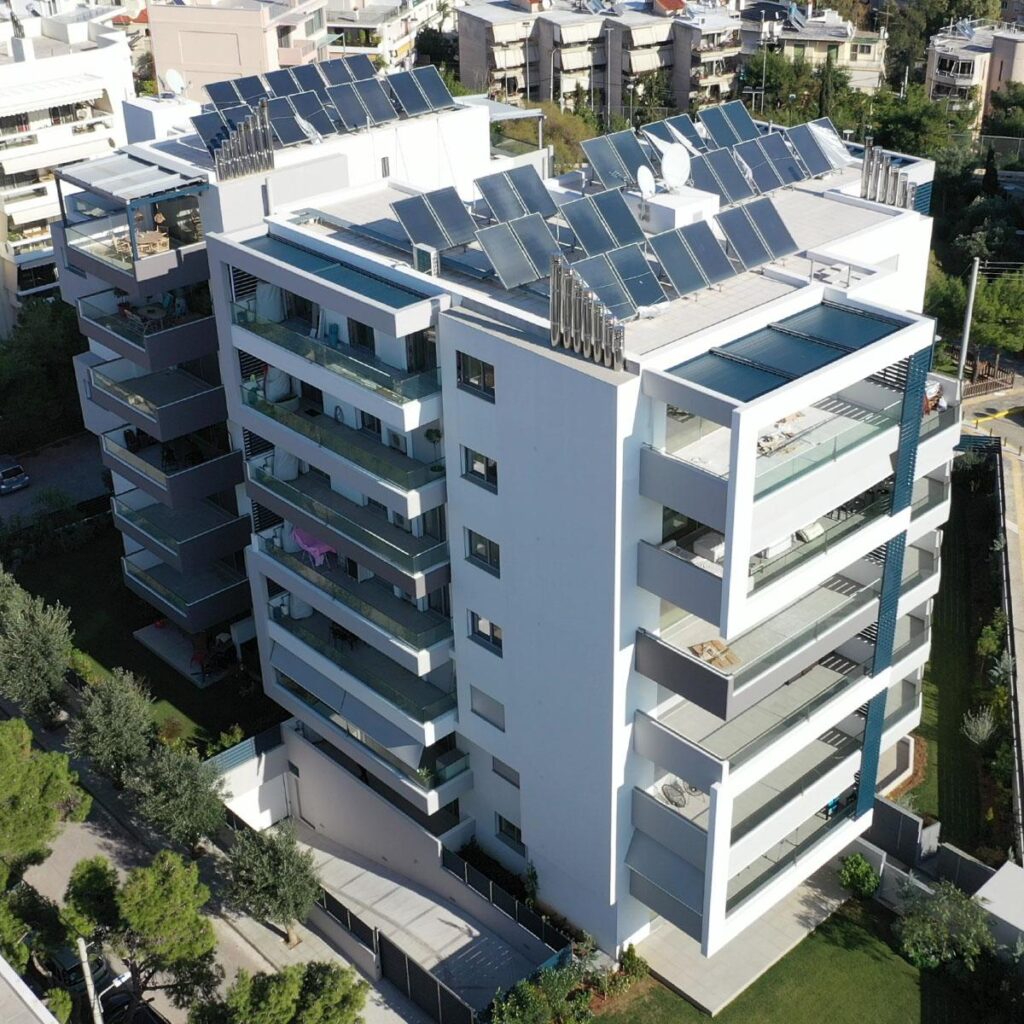
Electricity suppliers and grid operators may also benefit from a more diversified electricity network. Thousands of distributed solar systems can reduce dependence on centralized generation, particularly during sunny periods when electricity demand for cooling increases.
At the same time, expanding distributed generation requires smarter electricity networks capable of balancing variable renewable production. Continued investments in battery storage, smart meters, and grid upgrades will remain essential as participation grows.
Europe is accelerating the shift toward distributed clean energy
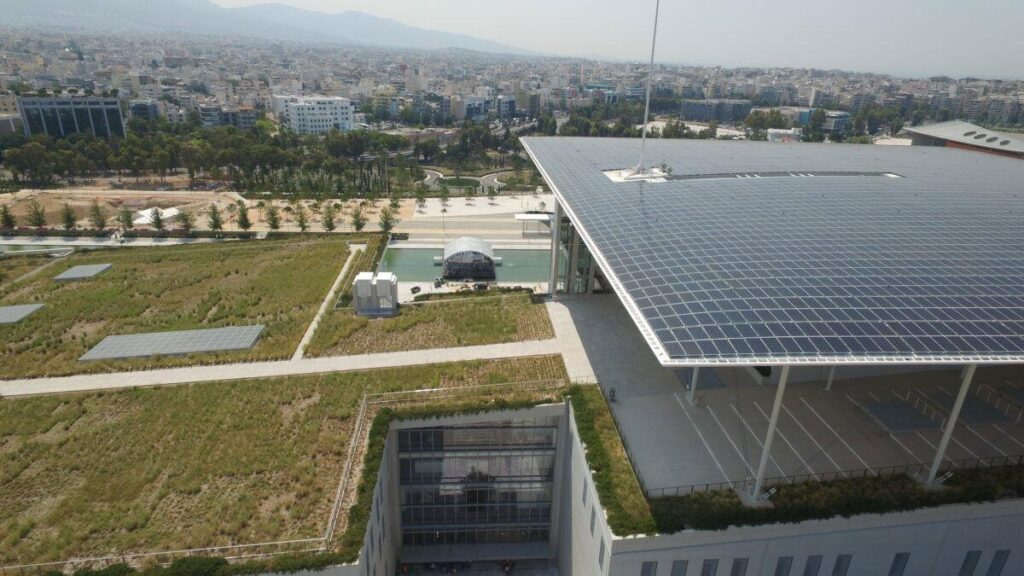
Greece’s latest policy reflects a broader European trend encouraging citizens to participate directly in renewable energy production. Across the European Union, governments are promoting rooftop solar, battery storage, energy communities, and decentralized electricity generation to strengthen energy independence while lowering greenhouse gas emissions.
The approach also aligns with EU climate objectives that encourage member states to increase renewable energy adoption while modernizing electricity markets. Countries increasingly view households not only as electricity consumers but also as active participants capable of supplying clean energy back into national grids.
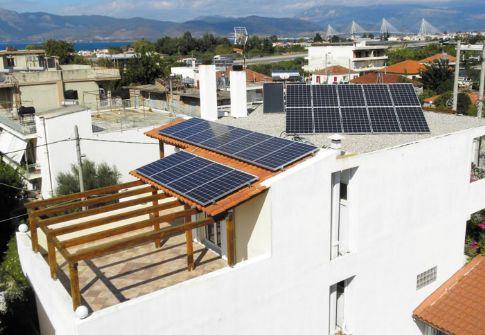
As technology costs continue falling and solar panel efficiency improves, more residential and commercial properties are expected to adopt similar systems during the coming years.
Looking ahead to Greece’s clean energy future
The success of Greece’s new solar policy will depend on several factors, including grid capacity, administrative efficiency, consumer awareness, and continued investment in electricity infrastructure. If implementation proceeds smoothly, the policy could encourage thousands of additional rooftop solar installations throughout the country.
Analysts also expect battery storage to play a growing role alongside rooftop solar. Batteries allow households and businesses to store electricity during sunny hours and either use it later or sell it when electricity prices are higher, increasing flexibility for consumers and improving grid stability.
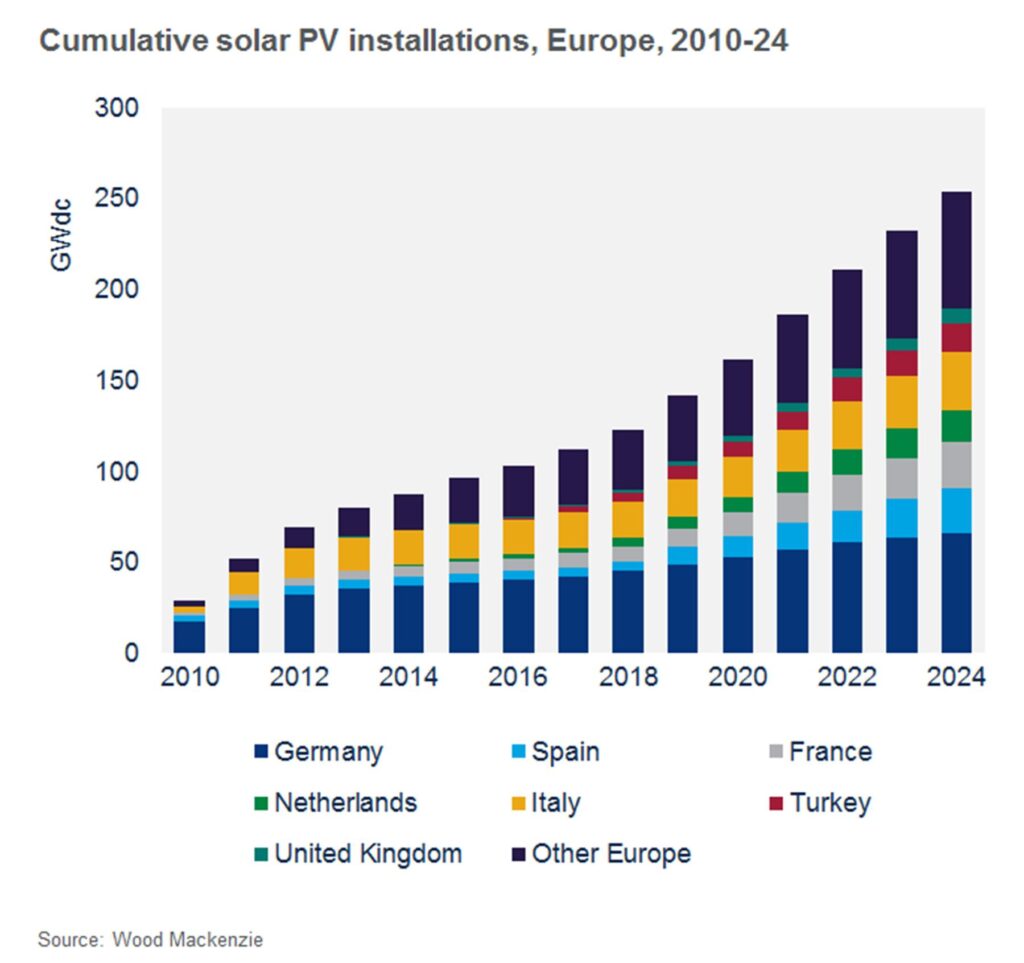
Although challenges remain—including permitting processes, grid upgrades, and electricity market reforms—the policy represents another important milestone in Greece’s transition toward a cleaner, more decentralized energy system. For households and businesses alike, the opportunity to generate and sell renewable electricity marks a meaningful shift in how consumers interact with the energy market.
As Europe continues investing in sustainable infrastructure, Greece’s approach may serve as an example for other countries seeking to expand renewable energy participation while giving citizens a more active role in the clean energy transition.
Subscribe to trusted news sites like USnewsSphere.com for continuous updates.