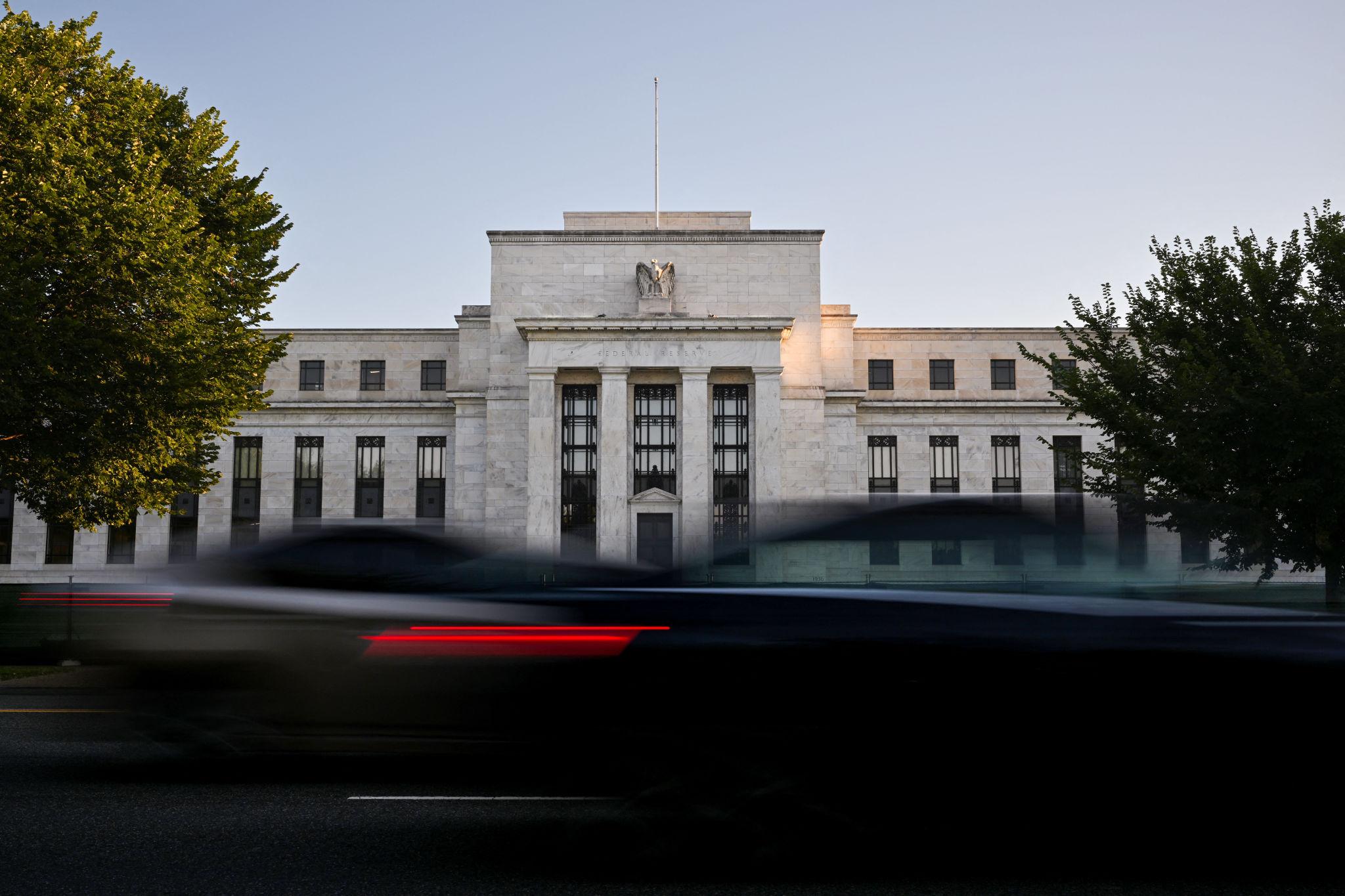
Fed rate-cut bets are changing again as fresh U.S. economic data give investors conflicting signals about what the Federal Reserve should do next. Inflation has cooled somewhat, the labor market has shown signs of weakening and retail spending has recently disappointed, reducing pressure for another interest-rate increase. But inflation remains above the Fed’s 2% target, energy prices are elevated and policymakers are divided over how much more tightening—or easing—the economy may need.
The immediate question for Americans is not simply whether the Fed will cut rates. The more useful question is what changing expectations mean for mortgage rates, credit-card APRs, savings accounts, CDs, stocks and the U.S. dollar. Those markets do not all respond to Federal Reserve decisions in the same way, and some can move before the Fed actually changes its benchmark rate.
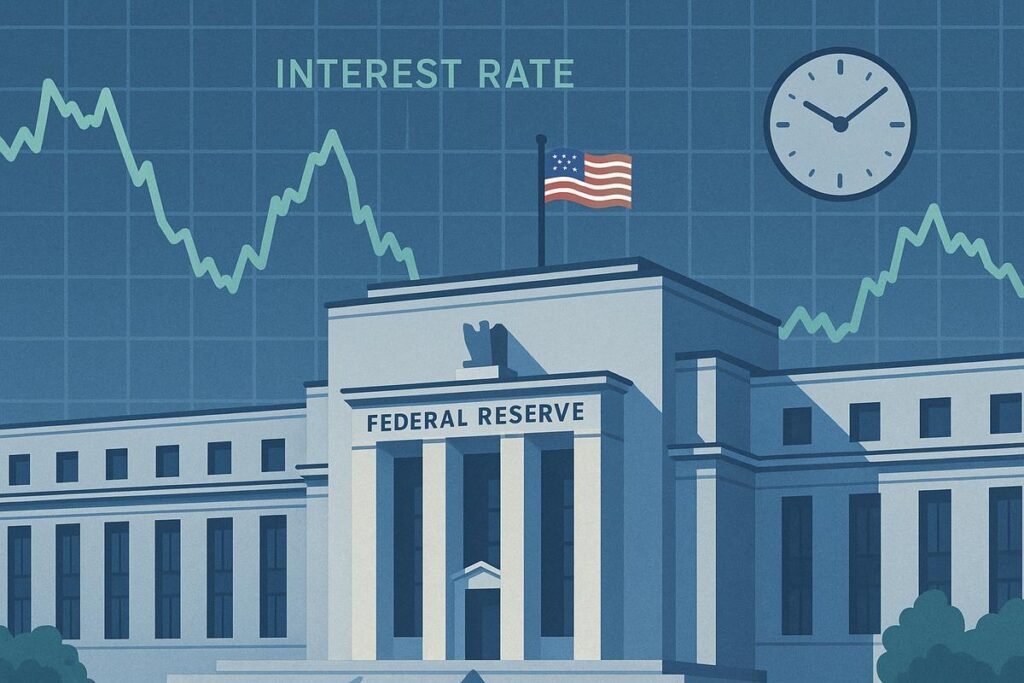
For now, the evidence points more strongly toward a September hold than another rate hike, while a near-term rate cut remains less certain. The Fed’s next scheduled meeting is September 15–16, giving policymakers several more weeks of inflation, employment and economic data to evaluate.
The Fed Is Facing a More Complicated Economic Picture
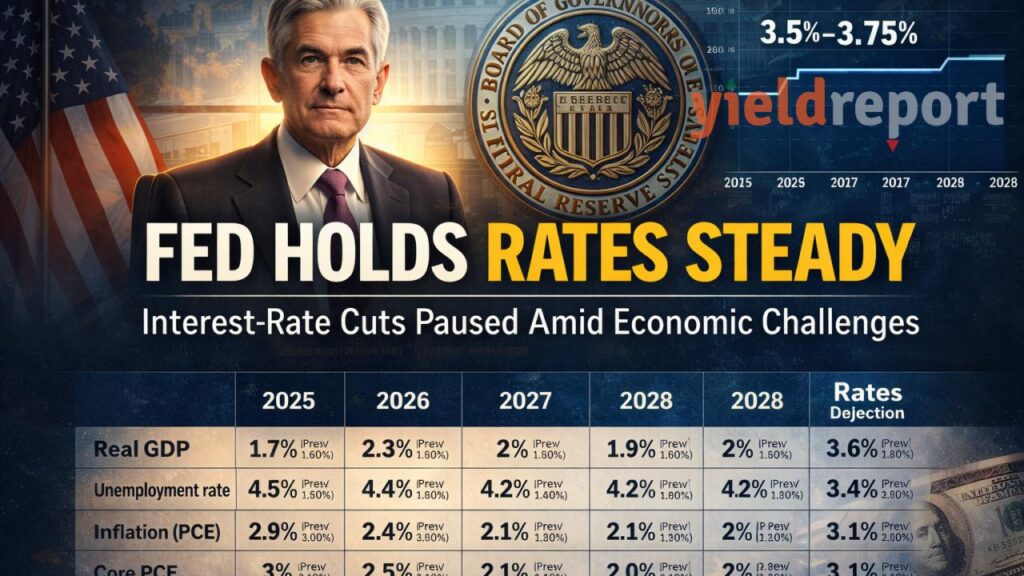
The Federal Reserve entered August with its benchmark federal funds target unchanged at 3.50% to 3.75%. At its July 29 meeting, the decision passed by a 9–3 vote, with three officials preferring a quarter-point increase. The official statement said economic activity was expanding at a solid pace, while inflation remained elevated relative to the central bank’s 2% objective.
Since then, some of the data have shifted the market conversation. July consumer prices increased 0.1% from June and 3.4% from a year earlier, down from a 3.5% annual increase in June. Core CPI, which excludes food and energy, increased 0.2% during the month and 2.5% over the year. The report was not weak enough to eliminate inflation concerns, but it did reduce the urgency for another immediate rate increase.
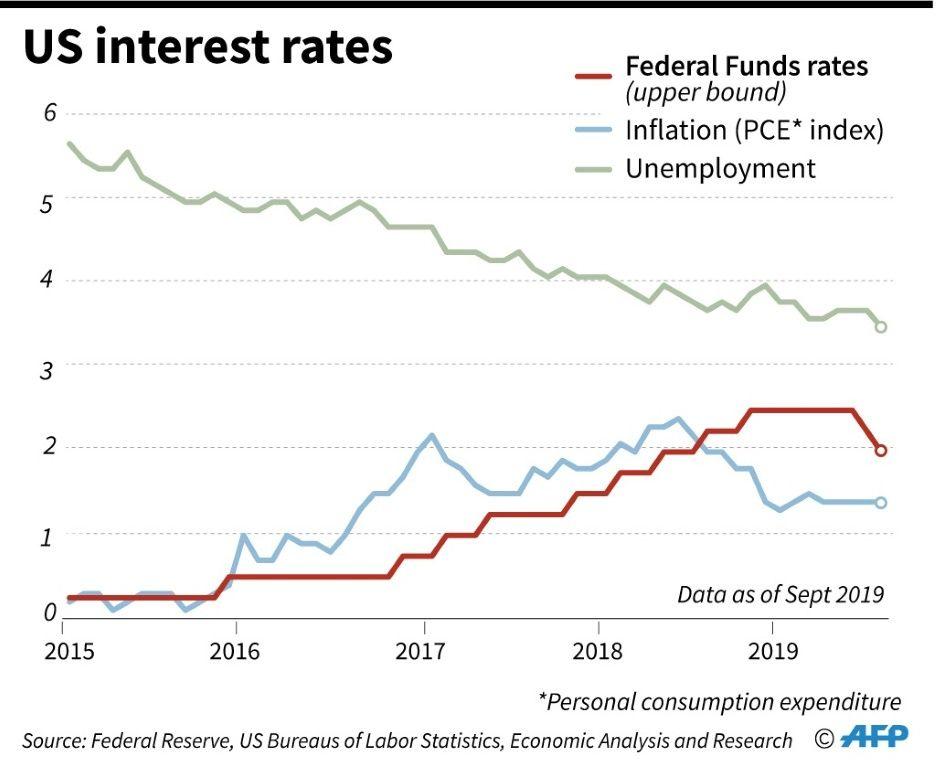
The labor market is also providing a reason for caution. The U.S. economy unexpectedly lost 23,000 nonfarm jobs in July, while the unemployment rate edged down to 4.1%. That decline in unemployment was accompanied by a significant drop in labor-force participation, meaning the headline unemployment rate does not tell the entire story. Earlier employment figures were also revised lower.
Taken together, the data create a difficult balancing act. The Fed does not want inflation to become entrenched, but it also does not want unnecessarily restrictive policy to weaken employment and economic activity. That tension explains why investors can simultaneously see fewer rate-hike bets and still remain uncertain about rate cuts.
Hold or Cut: What Is the Fed More Likely to Do?
At this moment, a hold appears more likely than a rate cut at the September meeting, based on the market’s latest reaction to inflation and economic data. Reuters reported that traders had sharply reduced expectations for a September hike, with the probability moving down toward roughly 30% on August 17. Another Reuters report after the July CPI release said markets were leaning toward a September hold, although the possibility of a later hike had not disappeared.
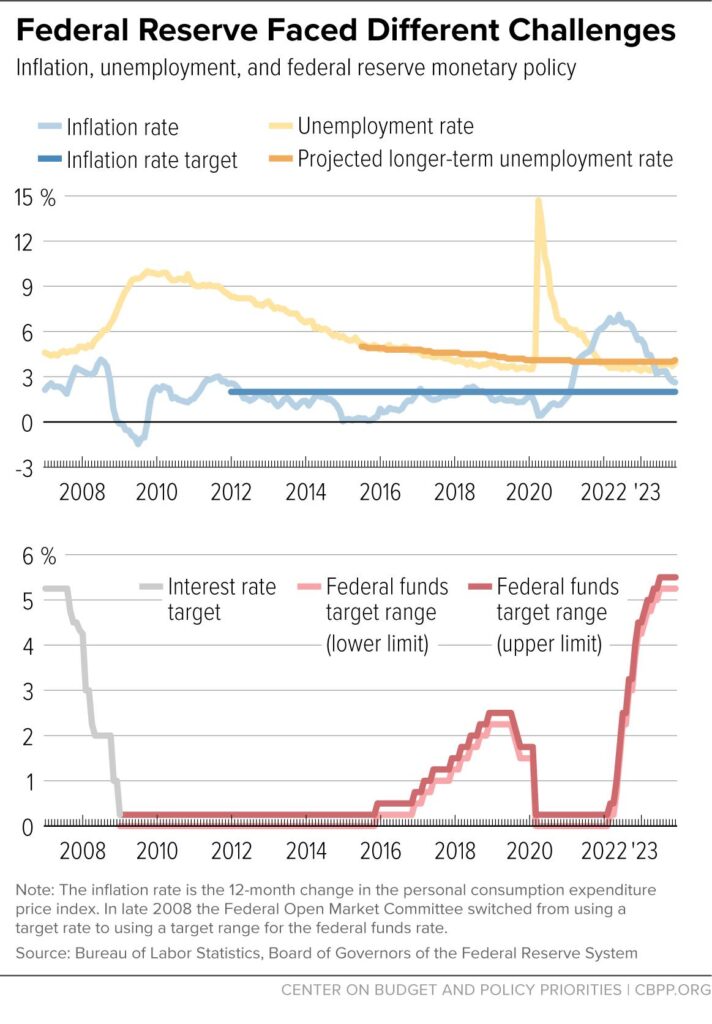
That distinction is important. “Less likely to hike” does not automatically mean “likely to cut.” The Fed can remain on hold while it waits for additional evidence that inflation is moving sustainably toward 2%. The central bank’s July statement explicitly said inflation remained elevated, and three policymakers voted for a hike rather than a cut.
The next few weeks could therefore be decisive. Investors will watch the August inflation report, additional employment data, consumer spending, producer prices and the Fed’s own communications. The July meeting minutes are also scheduled for release on August 19, potentially providing more detail about the disagreement among policymakers. The September FOMC meeting follows on September 15–16.
A cut becomes more plausible if inflation continues cooling while the labor market deteriorates. Conversely, renewed inflation—especially from energy or other supply pressures—could keep officials cautious or even revive expectations for another hike.
What Could Happen to Mortgage Rates?
Mortgage rates are one of the areas where Americans should be careful about assuming that a Fed cut automatically means dramatically cheaper home loans. Thirty-year mortgage rates are influenced heavily by longer-term Treasury yields and expectations for inflation, economic growth and future monetary policy—not just the overnight federal funds rate.
As of August 13, the average U.S. 30-year fixed mortgage rate was around 6.67%, according to Associated Press reporting based on Freddie Mac data. That was slightly below the previous week’s 6.69%, but still above the 6.58% level from the same period a year earlier. The 15-year fixed rate was about 5.96%.
That means even if the Fed eventually cuts its benchmark rate, mortgage borrowers may not see an equal-sized decline in their loan rate. If investors believe inflation will remain high or government borrowing will keep longer-term yields elevated, mortgage rates could remain stubbornly high.
On the other hand, a combination of lower inflation, weaker employment and falling Treasury yields could create more favorable conditions for mortgage rates. For prospective homebuyers, the most important signal may therefore be the 10-year Treasury yield and the broader inflation outlook, not just the Fed’s headline decision.
What Happens to Credit Cards, Savings and CDs?
Credit-card borrowers could benefit relatively quickly if the Fed eventually cuts rates because most credit cards carry variable APRs tied to the prime rate. The Federal Reserve Bank of Boston explains that the prime rate closely follows the federal funds rate and that credit-card APRs generally adjust when the prime rate changes.
But the relief may be smaller than borrowers hope. The national average APR on new credit-card offers was around 19.57% in late July, according to Bankrate data available through the Federal Reserve Bank of St. Louis. A quarter-point Fed cut would not transform a high-interest credit-card balance into cheap debt.
For savers, the situation is almost the opposite. A Fed cut can eventually push down yields on variable-rate savings accounts and money-market products. Current high-yield savings accounts can still offer substantially more than the national average, with some leading accounts above 4%, but those rates can change as market conditions change.
CD investors face another trade-off. If rates are expected to fall, locking in a competitive fixed CD rate can protect today’s yield for the duration of the term. Current top CD offers remain above 4% in some cases, although rates vary substantially by institution and maturity.
What this means for you: Borrowers carrying variable-rate debt generally have more to gain from eventual Fed easing, while savers may benefit from acting strategically before deposit yields decline further. However, consumers should compare the actual APR or APY offered by their bank or card issuer rather than assuming every product will move immediately after a Fed decision.
What Happens to Stocks and the Dollar?
Stocks have generally welcomed the recent reduction in rate-hike expectations. Lower expected borrowing costs can support corporate valuations because investors may apply lower discount rates to future earnings. Cheaper financing can also help businesses and consumers, potentially supporting economic activity.
That is part of the reason markets reacted positively to the latest softer inflation and economic data. Reuters reported on August 17 that global shares rose while U.S. rate-hike expectations declined, with Treasury yields falling and the dollar weakening.
But investors should not assume that every Fed cut would automatically send stocks higher. If rates fall because the economy is weakening sharply, declining corporate earnings and rising unemployment could overwhelm the positive valuation effect of lower interest rates. A “good” rate cut is one associated with controlled inflation and a healthy economy; a cut caused by a rapidly deteriorating economy can have a very different market impact.
The dollar can also face downward pressure when investors expect lower U.S. interest rates because lower yields can make dollar-denominated assets relatively less attractive. Reuters reported that the dollar weakened as markets reduced expectations for another Fed hike, while the euro and other currencies strengthened.
For American consumers, a weaker dollar can have mixed consequences. It can make U.S. exports more competitive and help multinational companies when foreign earnings are translated back into dollars. But a weaker currency can also increase the dollar cost of imported goods and potentially complicate the inflation outlook.
Investor takeaway
The biggest market signal right now is not that the Fed is preparing for an immediate rate-cut cycle. It is that the probability of additional tightening has fallen sharply as inflation and employment data have become less supportive of another hike.
Investors should therefore watch Treasury yields, inflation expectations, corporate earnings and labor-market data together rather than reacting to every change in Fed futures. The market can move dramatically when expectations change even if the Fed itself leaves rates unchanged.
Future Outlook: What Americans Should Watch Next
The next phase of the rate debate will depend heavily on incoming economic data. The August CPI report is scheduled for September 11, only days before the Fed’s September 15–16 meeting. That makes the inflation release particularly important because it will provide policymakers with another major reading before they decide whether to change rates.
The August jobs report will also matter. July’s unexpected job losses have increased concern about labor-market weakness, but policymakers need to determine whether that weakness represents a temporary slowdown or a broader deterioration. A sustained rise in unemployment would strengthen the case for eventual easing, while renewed job growth combined with persistent inflation could keep the Fed on hold.
Energy prices are another major risk. Reuters has highlighted how Middle East developments and oil prices are complicating the inflation outlook. Higher energy costs can feed into transportation and other prices, potentially making the Fed more reluctant to cut even if other inflation measures are improving.
For households, the practical strategy is to prepare for several possible outcomes rather than betting everything on a single Fed forecast. Homebuyers should watch mortgage rates and Treasury yields, credit-card borrowers should prioritize reducing expensive revolving debt, and savers should compare competitive savings and CD rates while understanding whether those yields are variable or fixed.
Bottom line: The latest U.S. data have made another Fed rate hike less likely in the immediate future, and a September hold currently looks more plausible than either a hike or an immediate cut. But the inflation problem has not disappeared, and policymakers remain divided. The next major inflation and employment reports could change the market’s expectations again.
For Americans, the most important lesson is that the Fed’s decision is only the beginning of the story. Mortgage rates, credit-card APRs, savings yields, stocks and the dollar respond to both the Fed’s actions and what investors believe the central bank will do next. Watching those connections can provide a much clearer picture of what changing interest-rate expectations actually mean for your household finances.
Subscribe to trusted news sites like USnewsSphere.com for continuous updates.