Egg Recall 2026 Raises New Salmonella Concerns
Egg recall 2026 has become a major food-safety concern in the United States after federal officials elevated a large recall of eggs linked to a multistate Salmonella outbreak to the FDA’s highest-risk classification. The recalled products involve nearly 1.6 million dozen eggs produced at Texas farms and sold through retailers and food-service channels. Federal investigators have linked the recalled eggs to an outbreak involving 98 reported illnesses across 17 states and 26 hospitalizations, with no deaths reported in the latest FDA data.
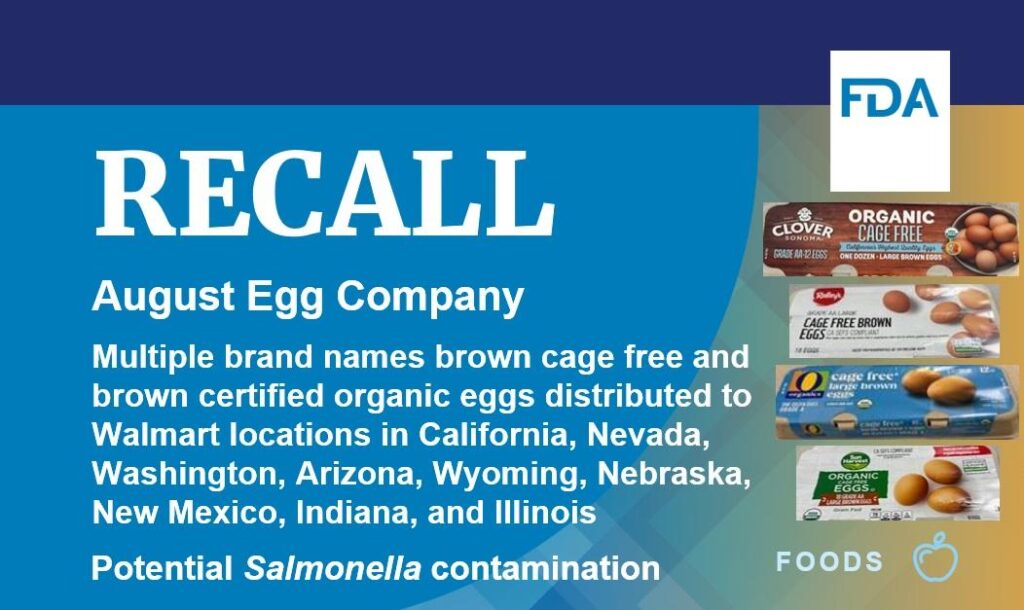
The recall matters now because some affected cartons carry sell-by or best-by dates extending through August 17, 2026. The FDA says consumers should not eat, sell or serve the recalled eggs. Why this matters now: people may still have affected cartons in refrigerators even though the original recall was announced in July, making it important to check the carton rather than relying only on when the eggs were purchased.
FDA Gives the Egg Recall Its Highest Risk Classification
The FDA announced the original recall on July 22 after Midwest Poultry Services voluntarily recalled 1,589,577 dozen white shell eggs and brown cage-free shell eggs produced in Texas. The agency later classified the recall as Class I, the FDA’s most serious recall category, meaning exposure to the affected product could reasonably result in serious health consequences or death.
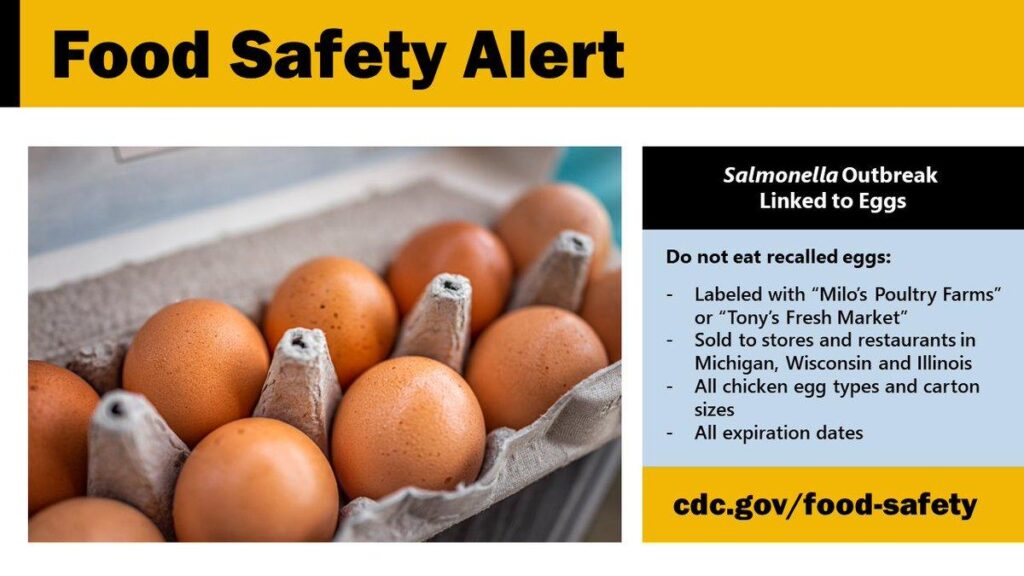
Investigators say the company identified Salmonella concerns through environmental monitoring and root-cause analysis at two Texas farms. Testing of samples collected at the farms found Salmonella, and whole-genome sequencing from some samples matched the outbreak strain. FDA investigators say the recalled eggs are a likely source of illnesses, although the investigation remains open and officials have not ruled out other sources.
Which Eggs Are Included in the Recall?
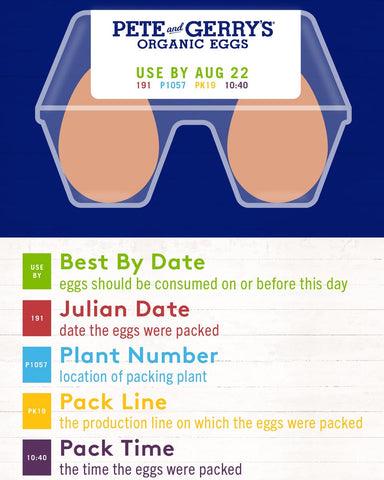
Consumers should look carefully at the coding printed on the side of the egg carton. According to the FDA, recalled products carry plant or identifying codes P-1950 or 0840962 and Julian dates ranging from 157 through 184. The affected eggs were produced and distributed from Texas between June 6 and July 3, 2026, with best-by or sell-by dates from July 20 through August 17.
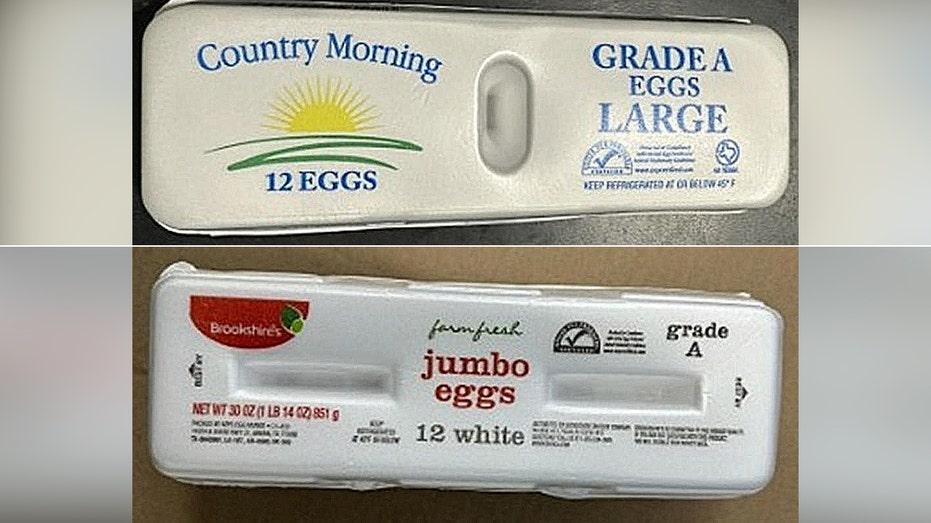
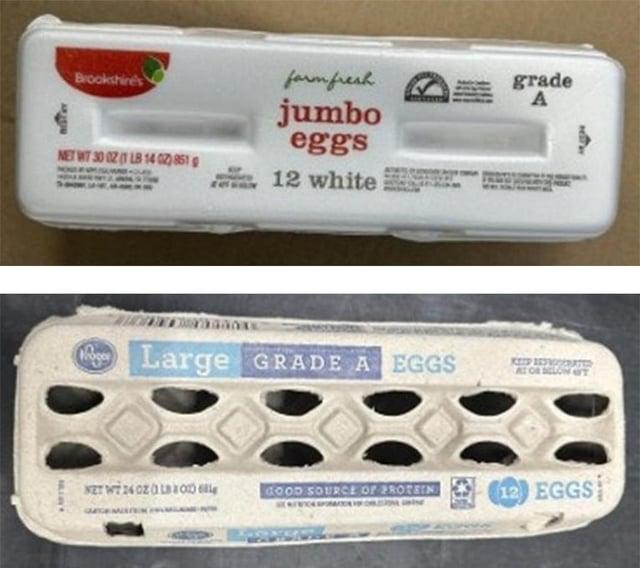
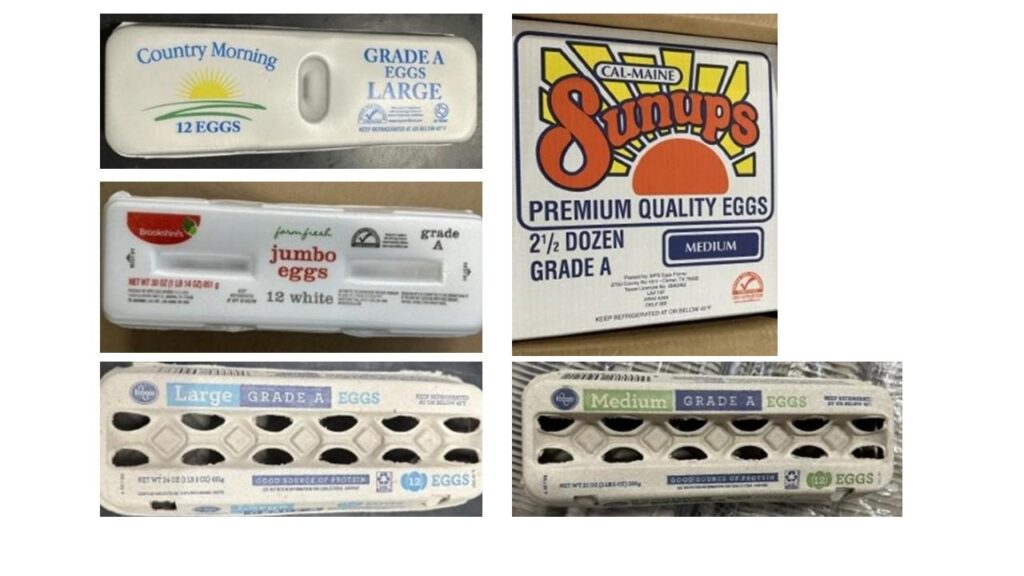
The recalled products were sold under several brand names, including Kroger, Simple Truth, Brookshire’s, Country Morning and Cal-Maine Sunups. Products came in numerous package sizes, including cartons containing 6, 12, 18, 24, 30, 36 and 60 eggs, as well as bulk food-service packages. The FDA says confirmed distribution included Texas, Oklahoma, Louisiana, Arkansas, New Mexico and Mississippi, although distribution may have extended farther.
98 Illnesses Reported Across 17 States
The current FDA outbreak information identifies 98 people infected with the outbreak strain of Salmonella across 17 states, with illness onset dates ranging from November 21, 2025, through June 30, 2026. Among the reported cases, 26 people were hospitalized and no deaths had been reported in the FDA’s July 24 update.
The case locations include Arizona, California, Colorado, Georgia, Illinois, Louisiana, Michigan, Missouri, Mississippi, North Carolina, New Mexico, Nevada, New York, Oklahoma, South Carolina, Texas and West Virginia. The geographic spread is important because the recalled eggs were distributed through multiple retail and food-service channels, meaning consumers should check the product information rather than assume the recall affects only people living near the Texas farms.
Salmonella Symptoms and What Consumers Should Do
Salmonella infection can cause symptoms including diarrhea, fever, nausea, vomiting and abdominal pain. The FDA notes that infections can become particularly serious in young children, older or frail adults and people with weakened immune systems. Anyone who develops significant symptoms after a possible exposure should contact a health professional, particularly if symptoms are severe or persistent.
Consumers who find recalled eggs should not eat or cook them. The FDA recommends throwing the eggs away or returning them to the place of purchase for a refund. People should also clean and disinfect areas that may have come into contact with the recalled eggs. Businesses, restaurants and retailers should likewise avoid selling or serving affected products.
What Happens Next in the Egg Recall Investigation?
The FDA and CDC investigation is continuing, and officials are still examining the full source and scope of the outbreak. The FDA says Midwest Poultry Services stopped distributing fresh eggs from its Texas farms after the contamination concerns were identified. Because investigators found that the producer did not account for every illness in the outbreak, additional sources remain under investigation.
For consumers, the most important step is simple: check the carton before eating the eggs. The combination of the plant code, Julian date and sell-by or best-by date is more reliable than the brand name alone because the recall covers multiple brands and package sizes. As federal agencies update the investigation, consumers should rely on current FDA and CDC information for any expansion or changes to the recall.
Subscribe to trusted news sites like USnewsSphere.com for continuous updates.