Trump’s NATO exit discussions are rapidly becoming one of the most significant geopolitical developments, raising urgent questions about the future of global security, US alliances, and tensions linked to Iran. Reports suggest that Donald Trump is considering reevaluating America’s commitment to NATO amid growing disagreements with allies over handling a potential Iran conflict. This matters now because NATO has been the backbone of Western military cooperation for decades, and any shift could reshape global power dynamics, weaken deterrence, and embolden rivals like Russia and China.
The situation highlights deep divisions between the United States and European allies, especially over military strategy and burden-sharing. With rising instability in the Middle East and ongoing global conflicts, this development could influence everything from defense spending to international diplomacy.
Rising Tensions Between the US and NATO Allies
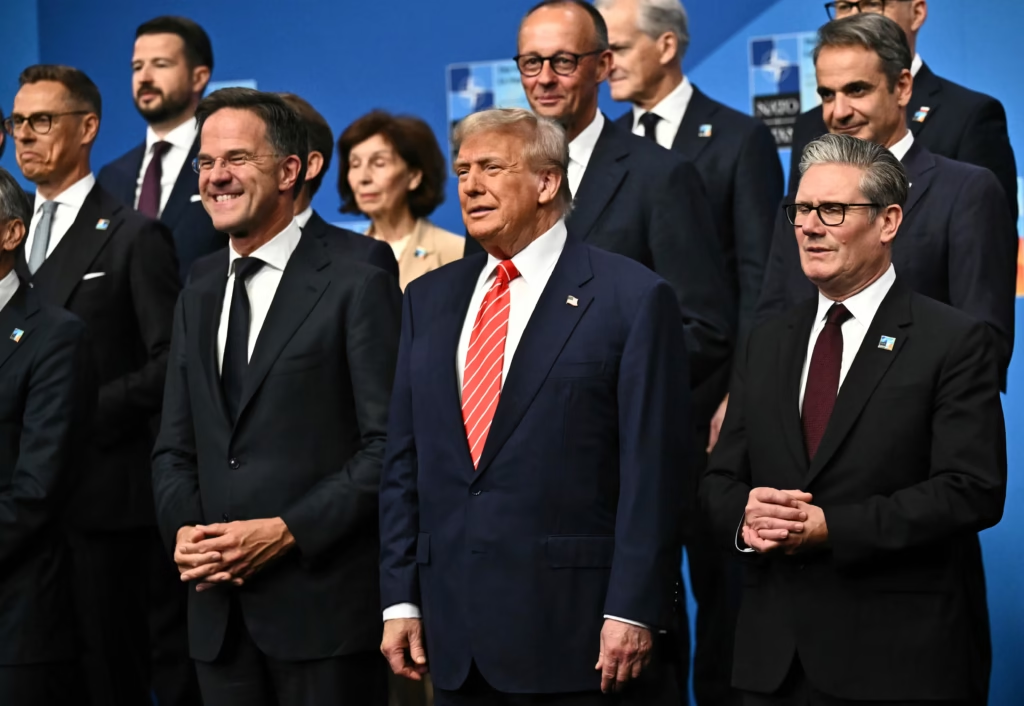
Recent reports indicate that tensions between the US and NATO members have intensified over how to respond to escalating risks involving Iran. European countries are reportedly more cautious about direct military involvement, while Trump’s stance signals a more aggressive and independent approach.
This growing divide is not entirely new. During his previous presidency, Trump frequently criticized NATO members for not meeting defense spending targets, arguing that the US was carrying an unfair share of the burden. However, the current situation is more serious because it involves potential military conflict, not just financial disagreements.
If these tensions continue to escalate, NATO’s unity could weaken significantly. A divided alliance reduces its effectiveness, making it harder to coordinate responses to global threats. This is especially concerning at a time when geopolitical risks are already elevated.
Why NATO Matters More Than Ever Today
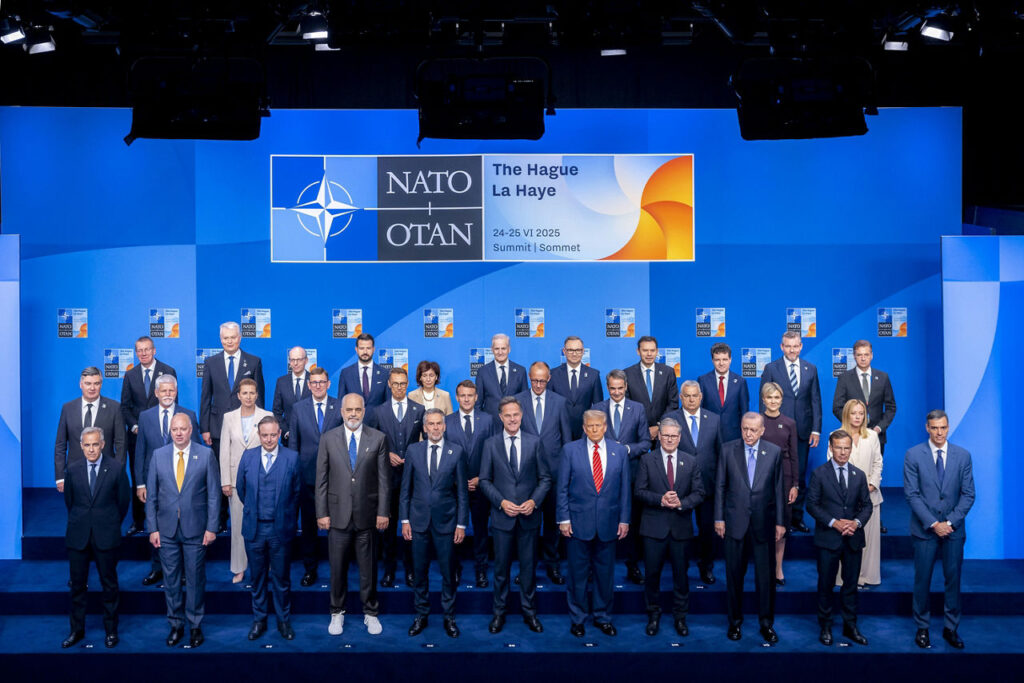
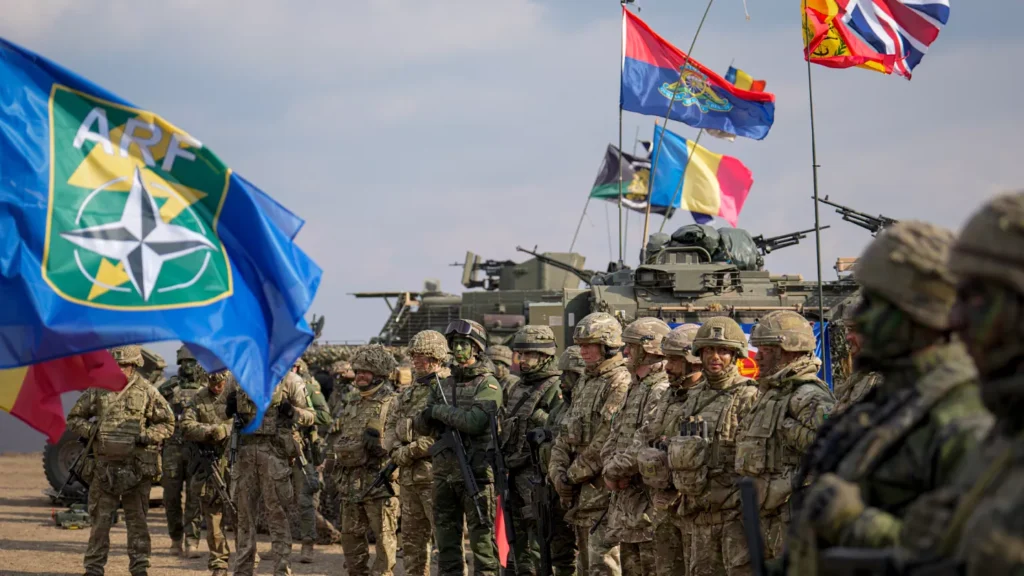
NATO, formed in 1949, has played a critical role in maintaining peace and stability across Europe and beyond. It operates on the principle of collective defense, meaning an attack on one member is considered an attack on all.
In today’s environment, NATO is more important than ever. With the ongoing Russia-Ukraine conflict, rising tensions in the Middle East, and increasing competition with China, the alliance serves as a key stabilizing force. Any disruption to its structure could create power vacuums and increase global uncertainty.
A potential US exit would be unprecedented. The United States is NATO’s largest and most powerful member, contributing significantly to its military capabilities. Without US leadership, NATO’s ability to respond to crises would be severely diminished, potentially encouraging adversaries to test the alliance’s strength.
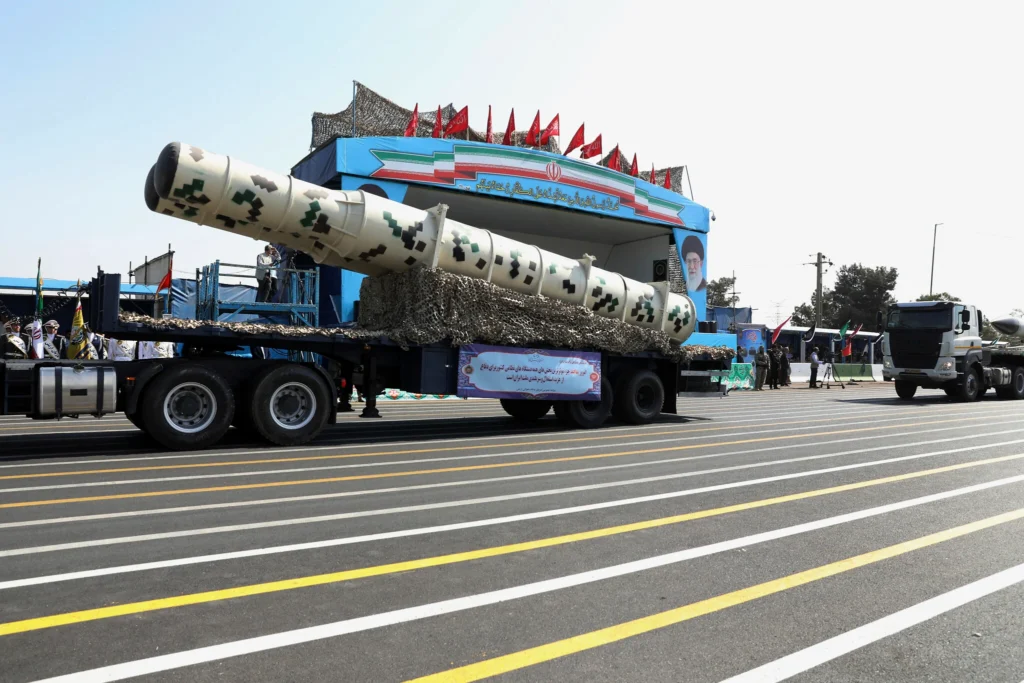
The Iran Factor Driving This Rift
The current debate is heavily influenced by disagreements over how to handle Iran. The US has historically taken a tougher stance, while many European nations prefer diplomatic solutions to avoid escalating conflict.
This difference in approach has created friction within NATO. If the US moves toward unilateral action against Iran without full alliance support, it could deepen divisions and strain relationships even further.
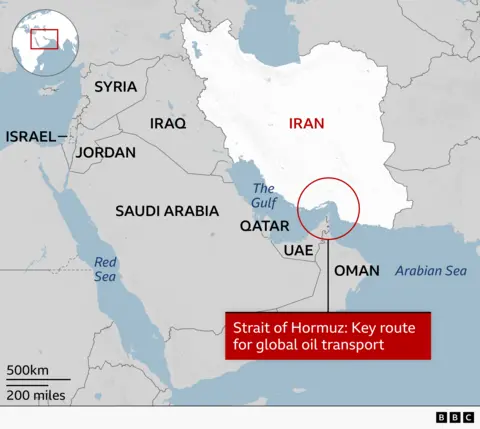
The Iran issue also has broader implications for global energy markets and economic stability. Any escalation could disrupt oil supply routes, leading to higher energy prices and economic uncertainty worldwide. This adds another layer of urgency to the NATO debate, as the consequences extend far beyond military concerns.
Potential Global Impact of a US NATO Exit
The possibility of the US leaving NATO could have far-reaching consequences. First, it would significantly weaken the alliance’s military strength, reducing its ability to deter aggression from adversaries.
Second, it could shift global power dynamics. Countries like Russia and China may see this as an opportunity to expand their influence, particularly in Europe and Asia. This could lead to increased geopolitical competition and instability.
Third, it could force European nations to rethink their defense strategies. Many countries rely heavily on US military support, and a sudden withdrawal would require massive increases in defense spending and rapid restructuring of their military capabilities.
Financial markets could also react negatively. Investors tend to avoid uncertainty, and a major shift in global security structures could lead to volatility in stock markets, currencies, and commodities.
Why This Matters Now for the US and Global Stability
This development comes at a critical moment. The world is already facing multiple crises, including ongoing conflicts, economic challenges, and shifting alliances. Adding uncertainty about NATO’s future could amplify these risks.
For the United States, leaving NATO could redefine its role on the global stage. While some argue it would allow for greater independence, others warn it could isolate the US and reduce its influence.
For Europe, the stakes are even higher. NATO has been a cornerstone of its security for decades, and any changes could force a complete reevaluation of defense policies.
Ultimately, this situation underscores the importance of strong alliances in maintaining global stability. Whether or not the US actually exits NATO, the discussion itself is already reshaping international relations and forcing countries to prepare for a more uncertain future.
What Happens Next and What to Watch
Moving forward, several key factors will determine the outcome of this situation. These include diplomatic negotiations between the US and NATO allies, developments in the Iran conflict, and domestic political decisions within the United States.
Experts suggest that while a complete exit is unlikely in the short term, the mere possibility is enough to create uncertainty and pressure within the alliance. Countries may begin to prepare contingency plans, which could further alter the balance of power.
This story is still developing, and its impact will unfold over time. For now, it serves as a reminder of how quickly global dynamics can change and why staying informed is more important than ever.
Subscribe to trusted news sites like USnewsSphere.com for continuous updates.