Trump’s voter ID bill has ignited a fierce political battle in the U.S. Senate, with Republicans pushing aggressively for stricter election rules while Democrats warn of potential voter suppression, marking a critical moment in America’s election policy debate. The legislation, often linked with the broader “Save America Act,” aims to enforce stricter voter identification requirements nationwide.
This debate answers key questions shaping the story right now: Who is involved? Republicans and allies of Donald Trump versus Democratic lawmakers. What is happening? A marathon Senate confrontation over election reforms. Why now? With the upcoming elections approaching, control over voting rules is becoming central. Impact? The outcome could reshape how millions of Americans vote and influence future elections significantly.
What the Trump-Backed Voter ID Bill Proposes
The proposed legislation focuses heavily on tightening voter identification rules across the United States. Supporters argue that requiring government-issued ID for voting will enhance election integrity and prevent fraud, even though studies have shown voter fraud to be relatively rare. The bill also introduces stricter verification processes for mail-in ballots, a key issue that gained attention during recent elections.
In addition, the proposal includes measures tied to the broader “Save America Act,” which aims to standardize election procedures across states. This could significantly reduce variations in voting laws from state to state. Proponents claim this creates a fair and transparent system, while critics argue it could override local election authority and create barriers for certain groups of voters.
Senate Battle Intensifies Between Republicans and Democrats
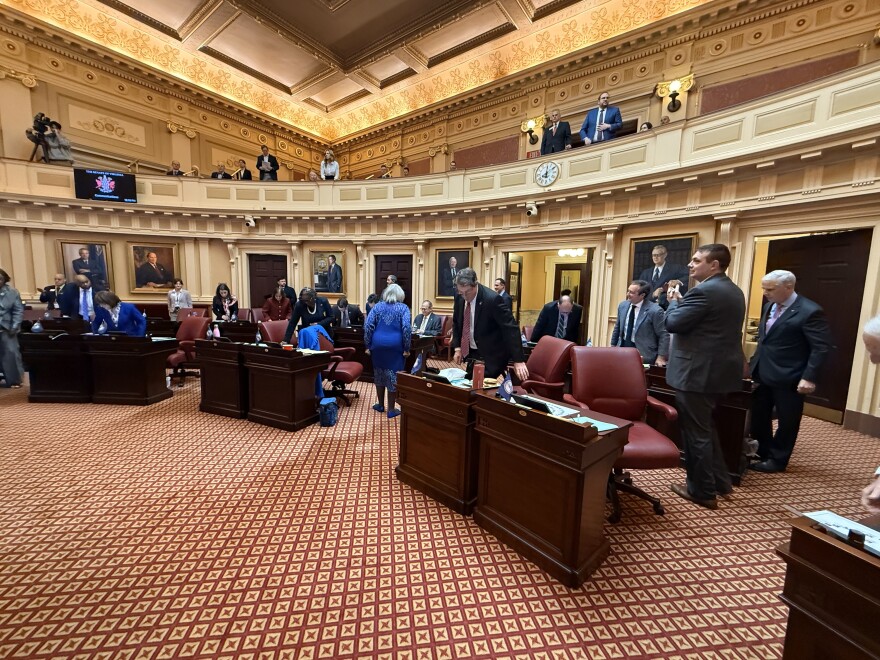
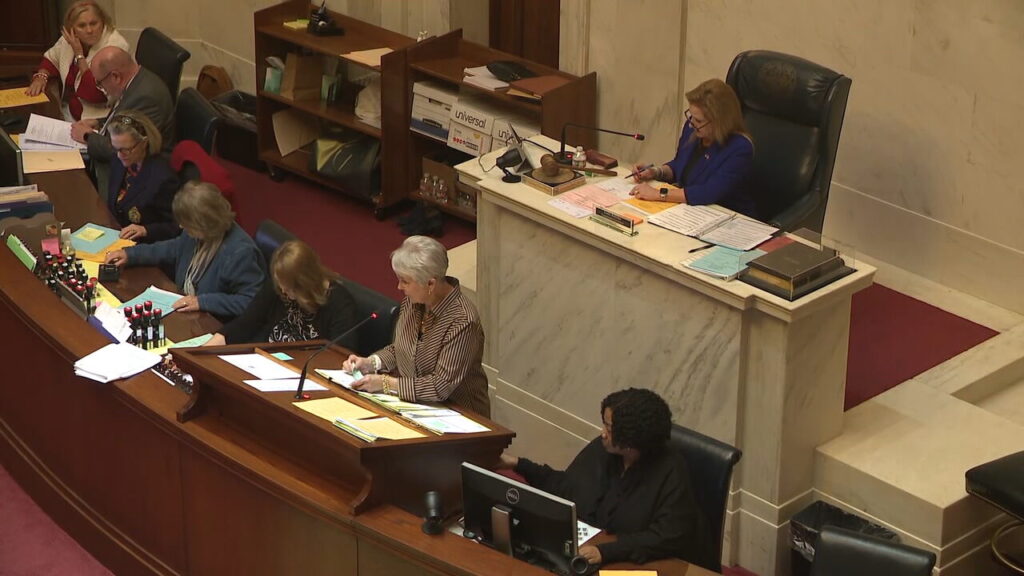
The Senate has become the center of a prolonged political showdown, with Republicans pushing procedural tactics to force debate and highlight Democratic opposition. This has led to what many are calling a “marathon fight,” where lawmakers are using extended sessions to bring attention to the bill and its implications.
Democrats, on the other hand, are strongly resisting the legislation, arguing that it disproportionately affects minority communities, elderly voters, and low-income individuals who may face difficulties obtaining proper identification. The clash reflects deeper ideological divisions over election access versus election security, making it one of the most intense legislative battles of the year.
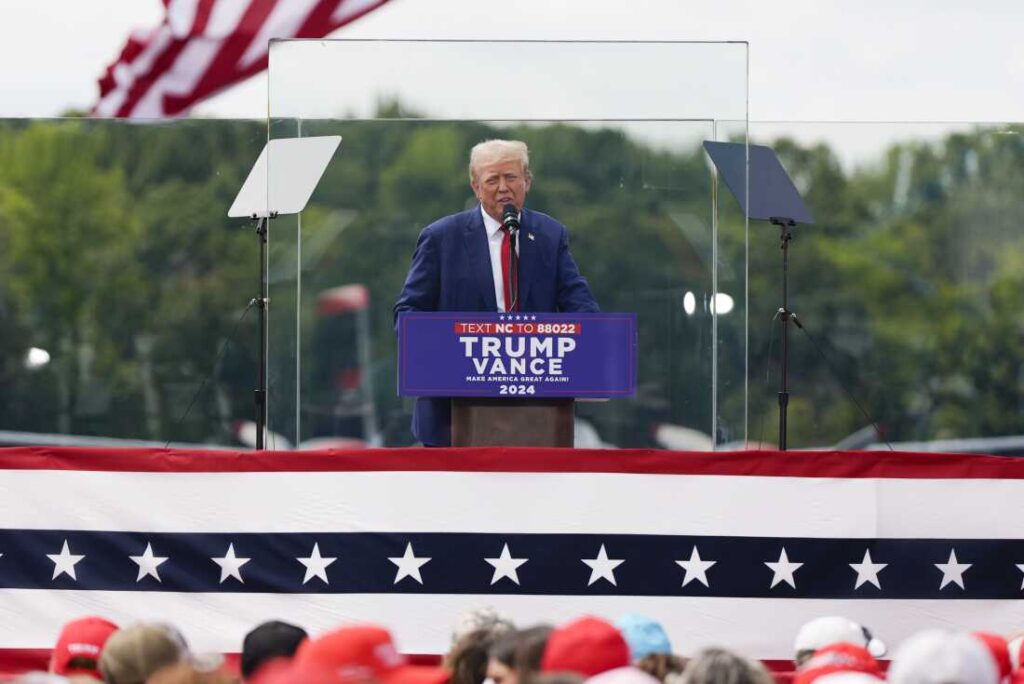
Why This Matters Now for U.S. Elections
The timing of this debate is critical. With major elections on the horizon, changes to voting laws could directly impact voter turnout and election outcomes. Election rules are not just procedural—they influence who participates in democracy and how accessible the process is for different groups.
This issue has also become a defining topic in American politics, shaping campaign narratives and voter sentiment. As political polarization grows, election laws are increasingly viewed as tools that can either protect democracy or restrict it, depending on perspective. This makes the current debate more than just a policy discussion—it’s a defining moment for the future of U.S. elections.
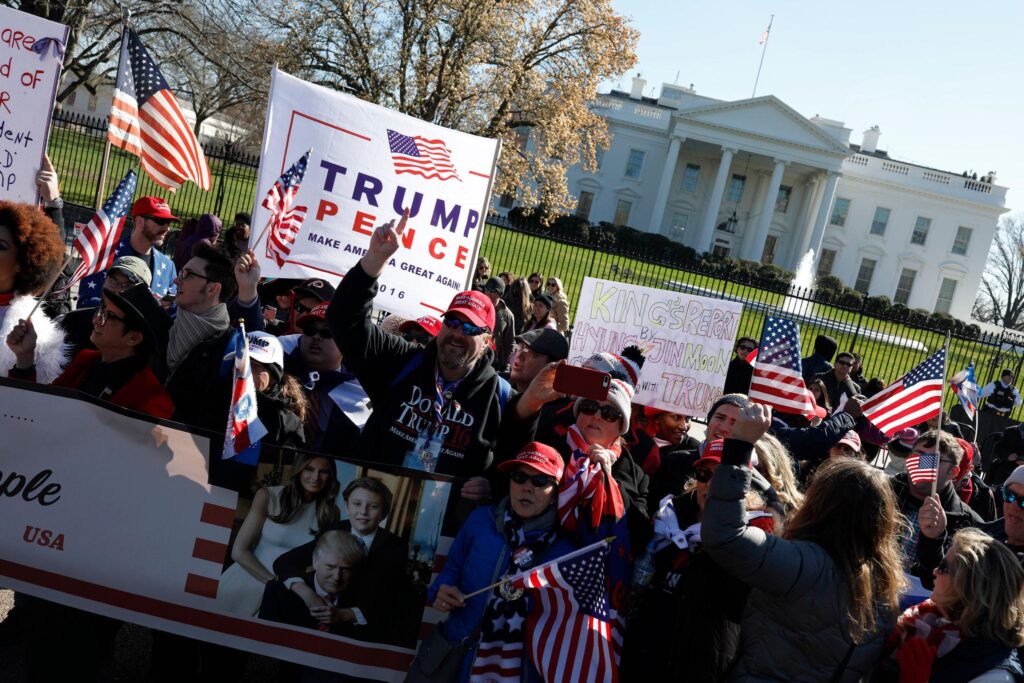
Key Arguments From Both Sides Explained Clearly
Supporters of the bill emphasize election integrity. They argue that requiring ID is a common-sense measure, similar to identification requirements for travel or banking. From their perspective, ensuring that every vote is legitimate strengthens trust in the electoral system.
Opponents counter that the comparison is misleading. Voting, they argue, is a fundamental right, not a privilege. They highlight that millions of Americans do not have easy access to valid identification, and implementing strict ID laws could effectively disenfranchise these voters. This clash of viewpoints underscores the broader debate about balancing security with accessibility.
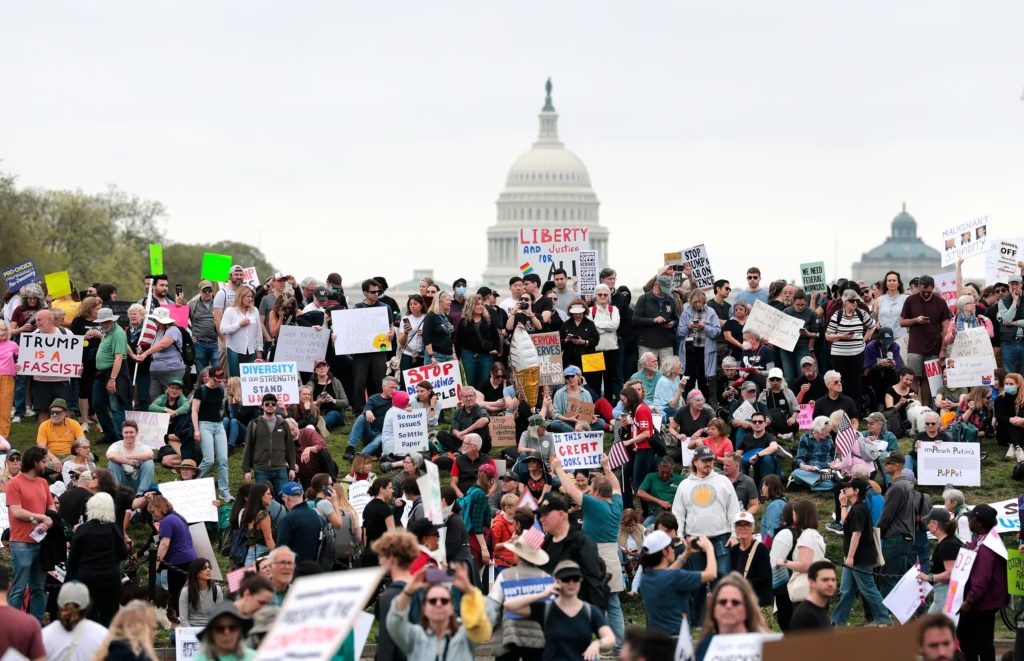
Impact on Voters, States, and Future Policies
If passed, the bill could significantly alter how elections are conducted across the country. States may need to overhaul their systems to comply with federal standards, leading to logistical and financial challenges. Election officials could face increased workloads due to stricter verification requirements.
For voters, the impact could vary widely. Some may experience little change, while others could face new hurdles in casting their ballots. The long-term effects could include shifts in voter turnout patterns and changes in political representation, especially in closely contested regions.
Broader Political and Global Implications
Beyond domestic politics, this debate is being closely watched internationally. The United States often positions itself as a model for democratic governance, and changes to its election laws can influence global perceptions. Allies and critics alike are observing how the country navigates this contentious issue.
The outcome could also shape future legislative strategies. If the bill succeeds, it may encourage similar efforts at both the federal and state levels. If it fails, it could strengthen arguments for expanding voting access instead. Either way, the current Senate battle is likely to leave a lasting mark on American politics.
Why This Matters Now
This moment represents a turning point in how the United States approaches elections. The balance between ensuring secure elections and maintaining broad voter access is at the heart of this debate. As political tensions rise and elections become increasingly competitive, the rules governing voting are becoming just as important as the votes themselves.
For everyday Americans, this is not just a political story—it directly affects their ability to participate in democracy. Understanding the implications now is essential, as decisions made today could shape the electoral landscape for years to come.
Subscribe to trusted news sites like USnewsSphere.com for continuous updates.