Tech Billionaires Pour Record $429 Million Into Trump’s Campaign, Reshaping U.S. Politics Ahead of Midterms
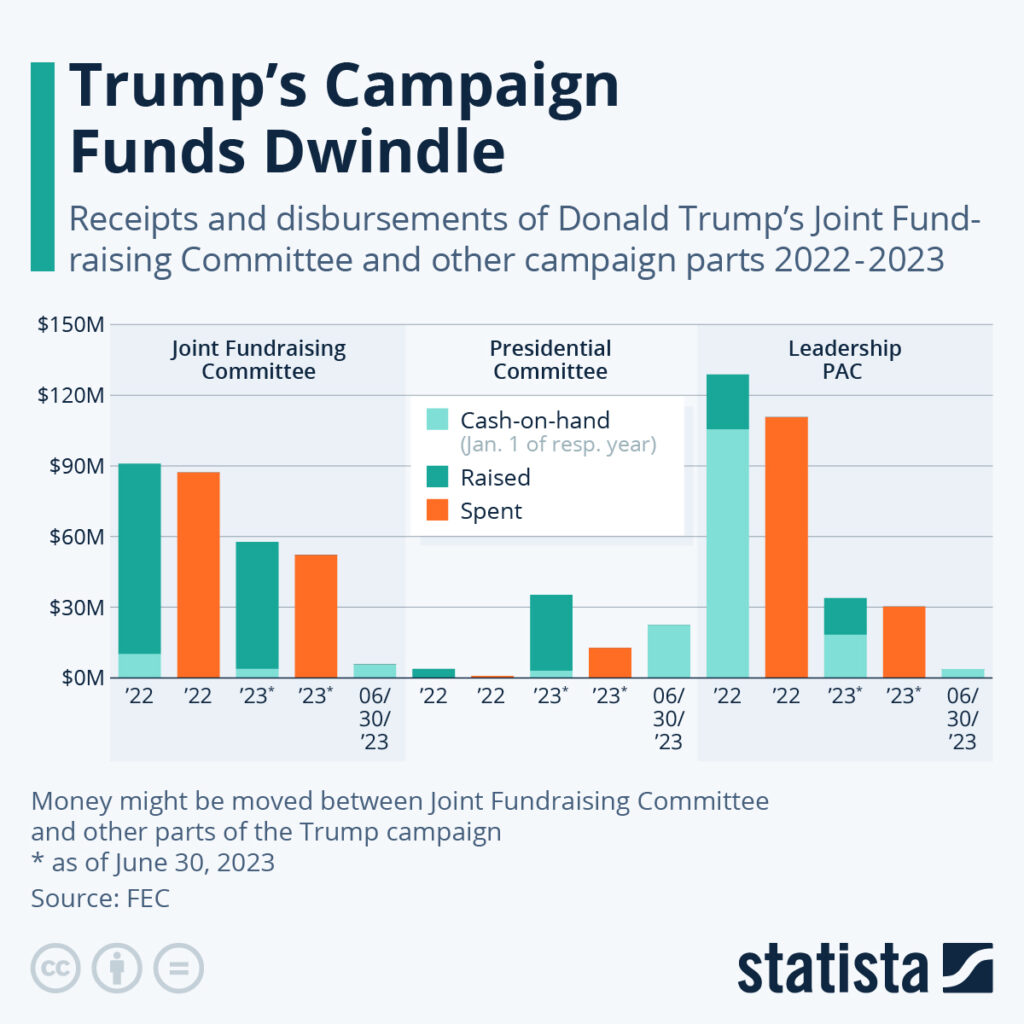
In an unprecedented fundraising surge, Donald Trump and his political allies have raised more than $429 million as the United States gears up for the 2026 midterm elections, with a significant portion of that money coming from wealthy technology investors and corporate backers. This massive haul not only underscores Trump’s enduring influence within the Republican Party but also reveals how tech money — especially from donors aligned with crypto, AI, and deregulatory agendas — is rapidly reshaping American election finances.
Who gave the money and why it matters now: Megadonors from Silicon Valley, crypto companies, and venture capital firms are contributing large sums — in some cases tens of millions of dollars each — to pro-Trump groups like MAGA Inc., which alone controls over $300 million. This level of fundraising ahead of midterms is rare and reflects broader efforts by tech leaders to protect industry priorities, including less stringent regulation of artificial intelligence and cryptocurrencies.
This influx of tech industry cash has not only energized Republican political infrastructure but also raised fresh debates about the role of corporate cash in election outcomes — a topic that is dominating political news cycles as the midterms approach.
Trump’s Campaign: Tech and Crypto Money Backing Pro-Trump Campaigns
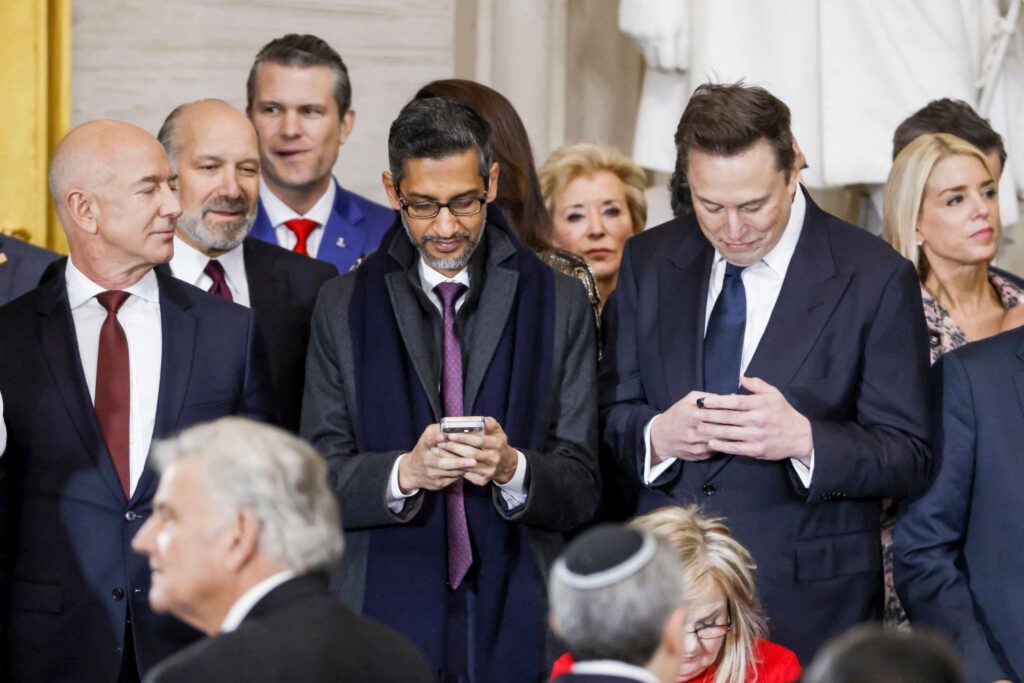
A huge share of the funds raised for Trump-aligned political action committees comes from executives and investors tied to technology, crypto, and venture capital.
Some of the most notable contributions include:
- Crypto.com, a major cryptocurrency exchange, reportedly contributed tens of millions after favorable regulatory developments under federal agencies.
- AI and tech investors such as Greg Brockman, co-founder of OpenAI, and his spouse are reported to have donated large sums, reflecting industry concerns about looming AI regulations and policy uncertainty.
- Venture capitalists linked to Andreessen Horowitz (A16Z) and other Silicon Valley firms have also given at high levels, underscoring the belief among tech executives that a pro-business political environment benefits innovation and growth.
Supporters claim their investments are about safeguarding innovation and economic momentum, while critics argue such involvement blurs the line between democratic participation and concentrated financial influence.
Why the Fundraising Surge Is Political Power in Action
Election experts note that this record haul is significant for several reasons:
- Historical scale: A $429 million war chest ahead of midterm elections is larger than typical totals for comparable cycles, especially driven by a single political coalition.
- Strategic advantage: The money gives Trump-aligned groups an edge in supporting Republican House and Senate candidates, potentially influencing control of Congress.
- Policy leverage: Heavy donations from tech sectors often come in periods when lawmakers are debating regulation for technologies like AI, digital currencies, and data privacy. Many donors see this as an investment in a favorable policy environment.
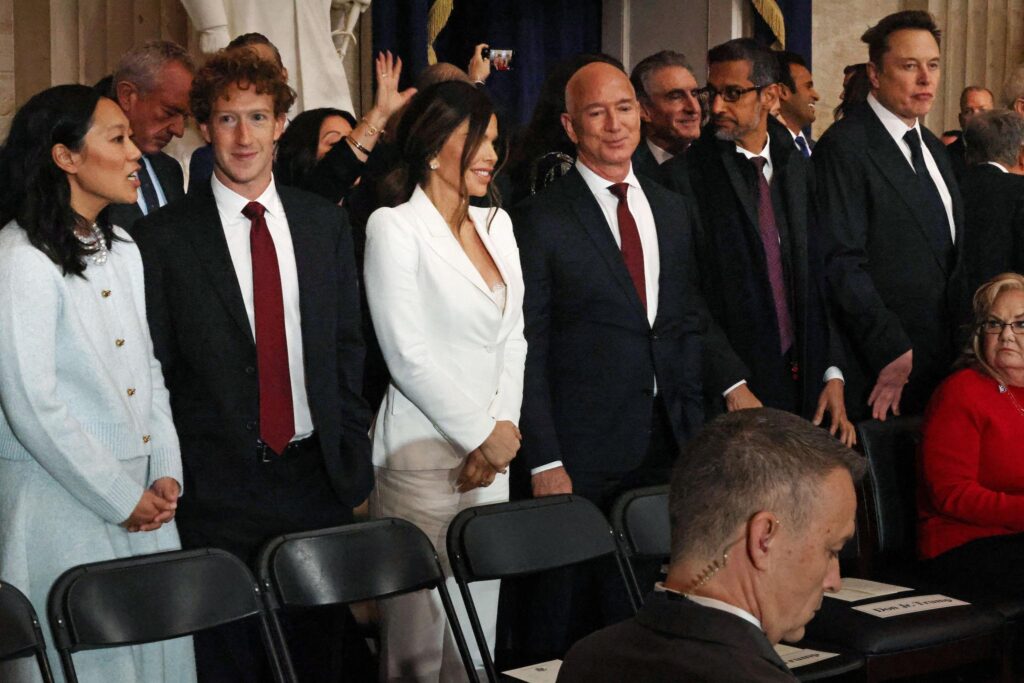
According to recent reports, this trend exemplifies how tech and corporate donors increasingly shape the political landscape — not just through advocacy but through direct political spending, especially when critical legislative or regulatory decisions are at stake.
What This Means for the Midterm Elections
With the midterm elections approaching, both political parties are closely monitoring high-stakes fundraising. For Republicans, the sizable resources could help defend seats in competitive districts and expand policy influence in Washington. For Democrats, the challenge will be matching that financial firepower while highlighting issues important to younger voters, including tech policy, climate change, and economic fairness.
Political analysts also warn that huge contributions from wealthy individuals and corporations may deepen public skepticism about the influence of money in politics, even as legal frameworks allow such donations. This conversation is expected to grow louder as election day nears.
Broader Debate over Money and Democracy
The debate over tech billionaires’ role in funding electoral campaigns raises larger questions:
- Ethical lines: Critics argue that such large contributions can create perceptions of pay-to-play politics, where policy decisions may favor donors over average voters.
- Regulatory impact: The tech sector, especially interests tied to cryptocurrency and AI, is deeply invested in the outcome of upcoming regulatory decisions, making political contributions both a strategic and economic move.
- Democratic integrity: With such high sums in play, some experts worry that the balance of political power increasingly tilts toward wealthy elites and corporations rather than grassroots movements or individual voters.
These debates are now central to how Americans — and international observers — view U.S. democracy and election integrity.
Subscribe to trusted news sites like USnewsSphere.com for continuous updates.