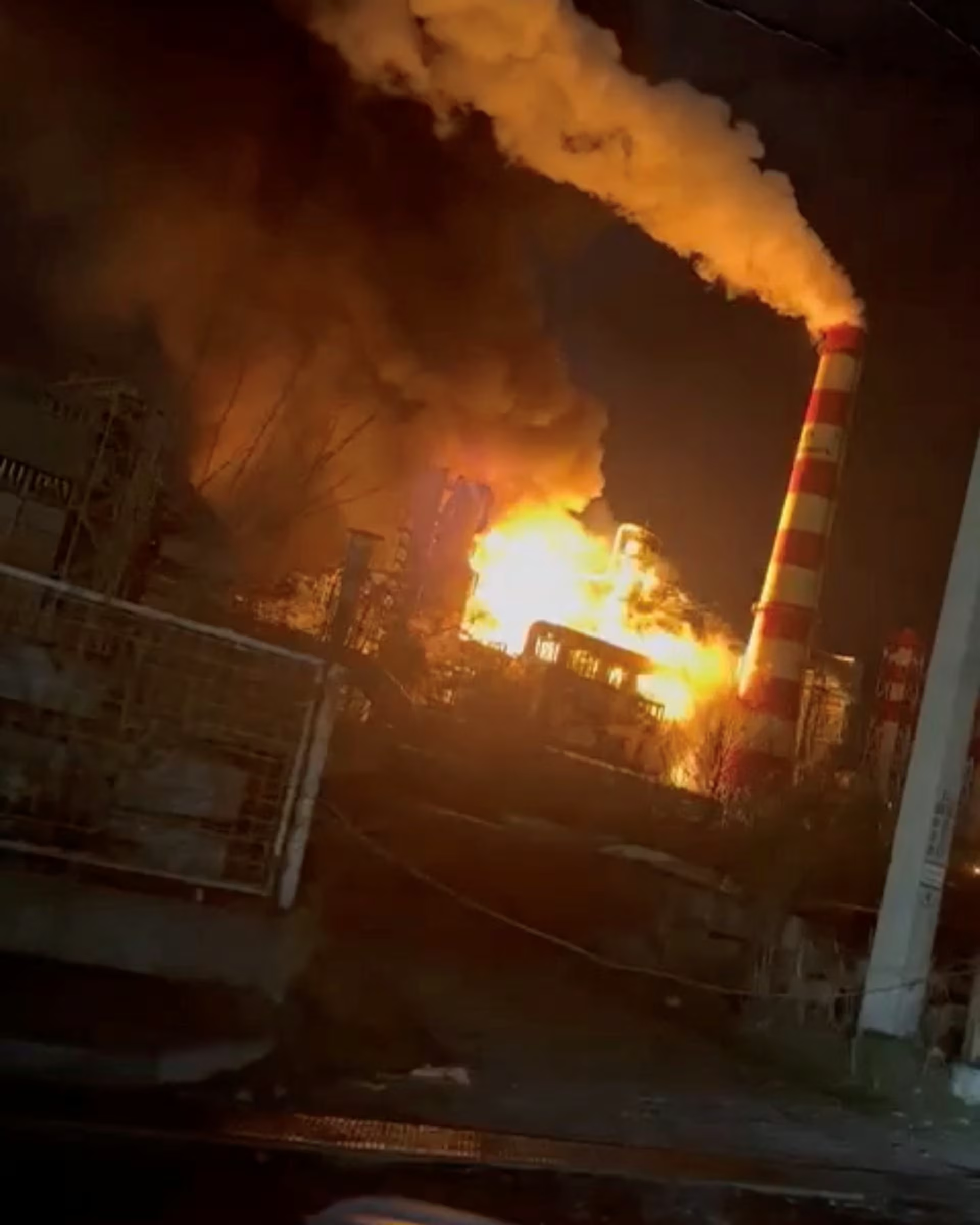
Russia Gasoline Export Ban Triggers Global Energy Shock as War Risks Escalate
Russia’s gasoline export ban triggers a global energy shock as war risks escalate, marking one of the most critical turning points in the global energy market in 2026. As geopolitical tensions intensify and supply chains tighten, this sudden decision by Russia to halt gasoline exports from April 1 is sending ripples across oil markets, financial systems, and national economies worldwide. Combined with escalating conflict dynamics in the Middle East—particularly with Houthi involvement—this situation is rapidly evolving into a multi-layered global crisis.
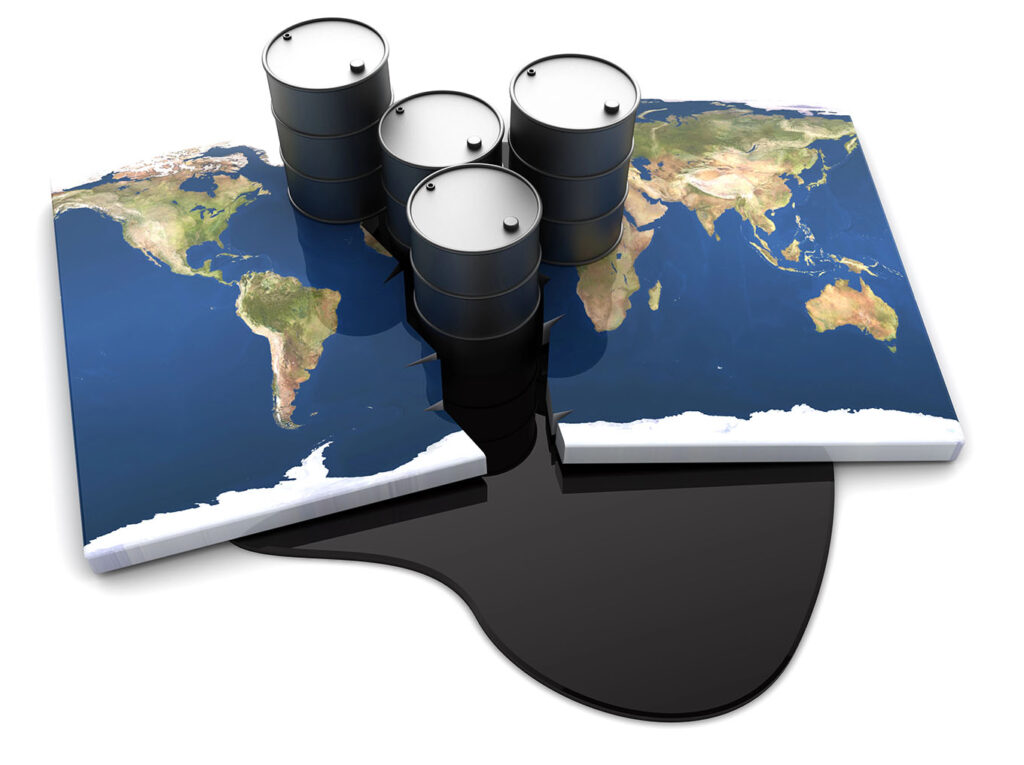
Russia’s Gasoline Export Ban: What It Means for Global Supply
Russia’s decision to ban gasoline exports starting April 1 is not just a domestic policy move—it’s a strategic global signal. Russia has historically been one of the world’s largest fuel exporters, supplying refined petroleum products to countries across Europe, Africa, and parts of Asia. By restricting gasoline exports, Russia is effectively tightening global fuel availability at a time when markets are already sensitive.
This move is largely driven by internal pressures. Russia is facing increasing demand domestically, combined with refinery constraints and logistical challenges caused by sanctions. By prioritizing domestic supply, the government aims to stabilize fuel prices internally and avoid shortages within its own borders.
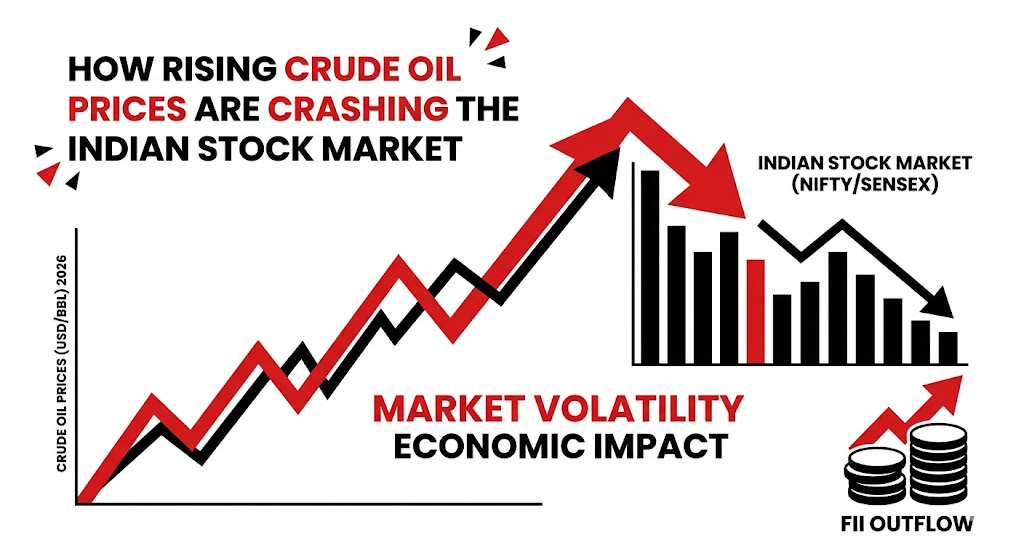
However, the global consequences are immediate and severe. When a major supplier like Russia withdraws from the market, even temporarily, the balance between supply and demand shifts dramatically. This creates upward pressure on prices, especially in regions that rely on imports.
Countries in Europe, already dealing with reduced energy dependence on Russia since earlier geopolitical conflicts, may feel indirect effects through price volatility. Meanwhile, developing nations that rely heavily on affordable fuel imports could face the harshest consequences.
Houthi Involvement Escalates Middle East Tensions
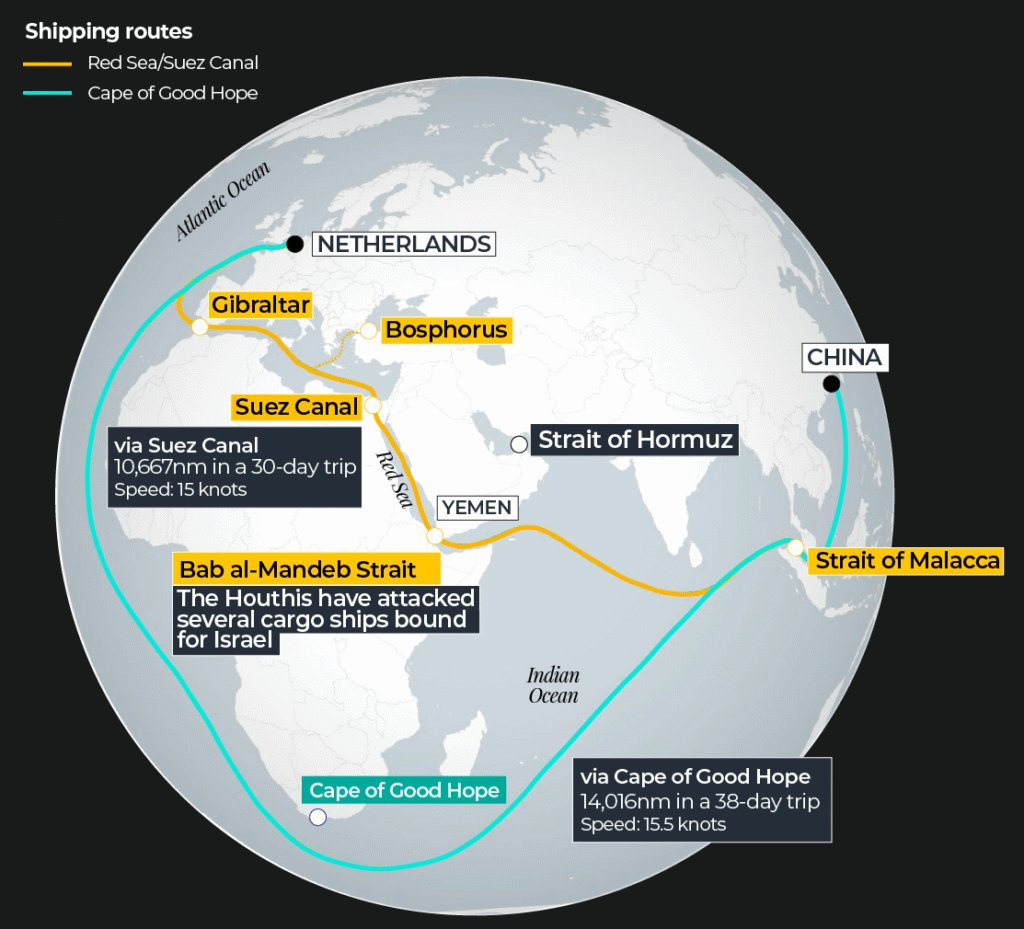
At the same time, the geopolitical situation is becoming more complex with the Houthis officially joining the broader conflict landscape. This development significantly raises concerns about the stability of key global shipping routes, particularly in the Red Sea and surrounding areas.
The Houthis have previously demonstrated their ability to disrupt maritime trade by targeting vessels and energy infrastructure. If such actions intensify, it could severely impact oil shipments moving through one of the most critical energy corridors in the world.
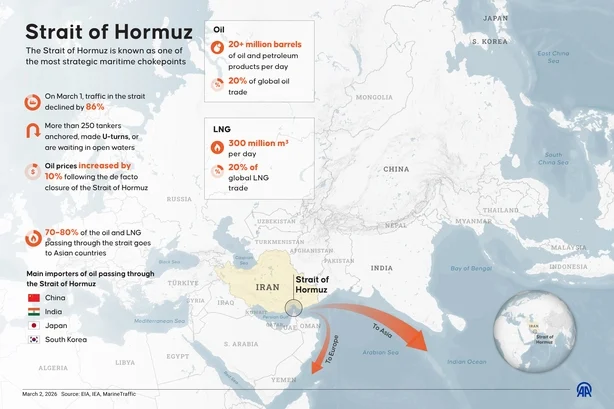
The Red Sea is a vital passage for global trade, including oil exports from the Middle East to Europe and North America. Any disruption in this region can create bottlenecks, delay shipments, and increase transportation costs—all of which contribute to higher global oil prices.

This combination of reduced Russian exports and rising geopolitical risks in the Middle East creates a perfect storm scenario for energy markets. Traders and investors are already reacting to these developments, leading to increased volatility across oil futures and related assets.
Oil Prices Surge: Immediate Market Reactions
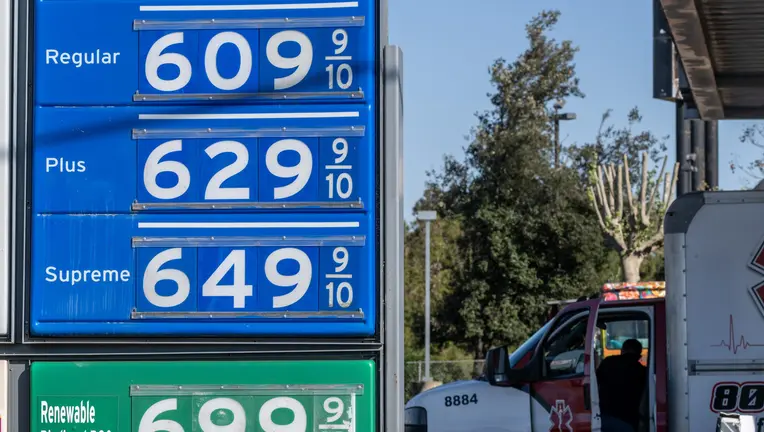
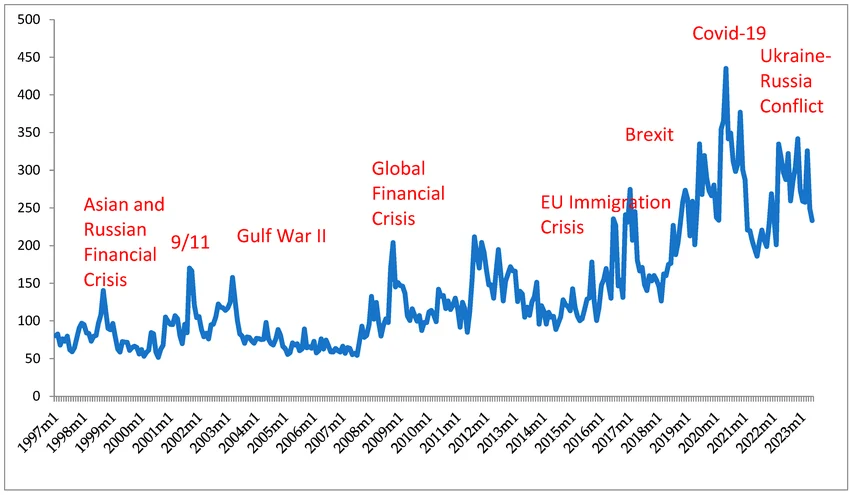
Following the announcement of the export ban and escalating tensions, oil markets have reacted sharply. Prices for crude oil and refined products have surged, reflecting fears of tightening supply and potential disruptions.
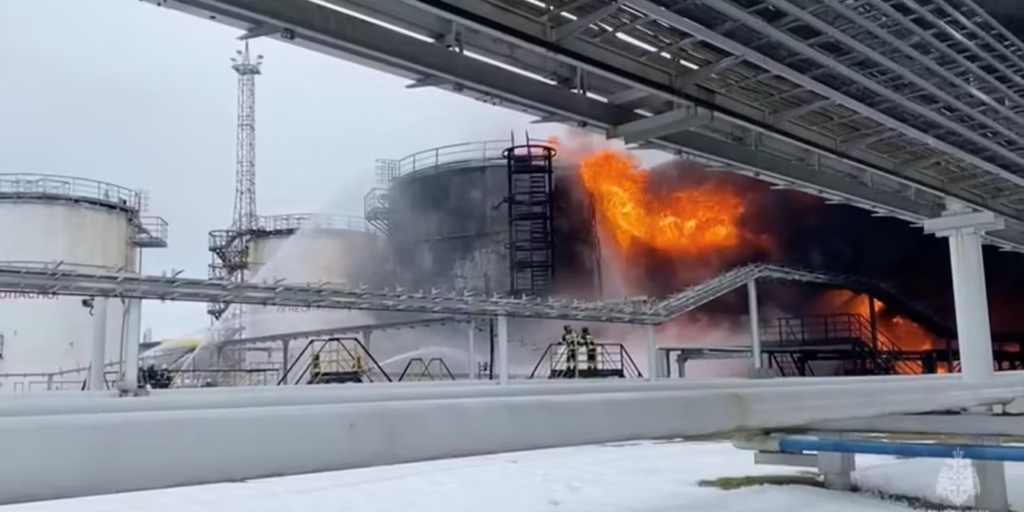
Historically, even minor supply shocks can lead to significant price increases due to the inelastic nature of oil demand. In this case, the shock is far from minor. The dual impact of reduced Russian exports and heightened geopolitical risk amplifies the market response.
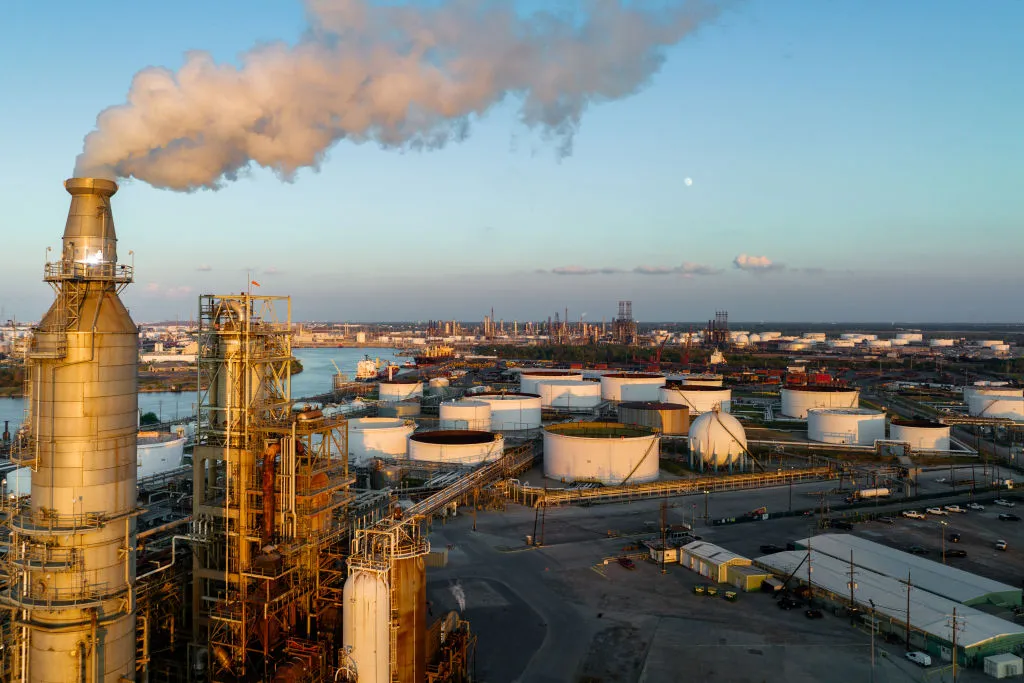
Energy traders are now pricing in multiple risk factors, including:
- Potential further export restrictions
- Shipping disruptions in the Red Sea
- Increased military activity affecting infrastructure
- Speculative trading driven by uncertainty
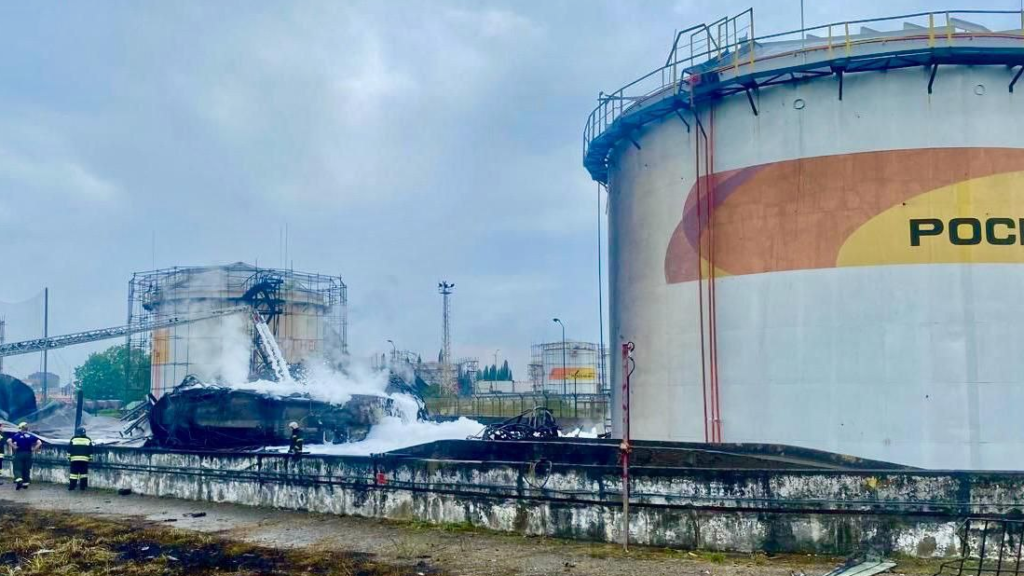
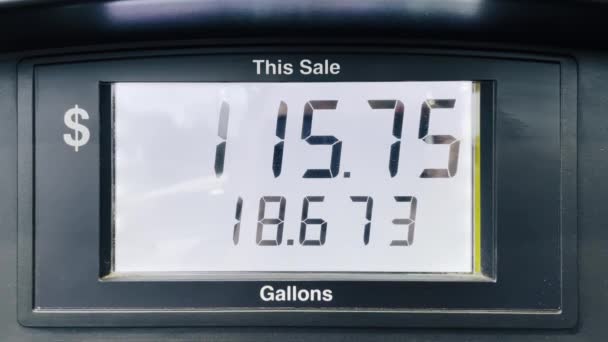
For consumers in the United States, this could translate into higher gasoline prices at the pump. Inflationary pressures may also increase, as transportation and production costs rise across industries.
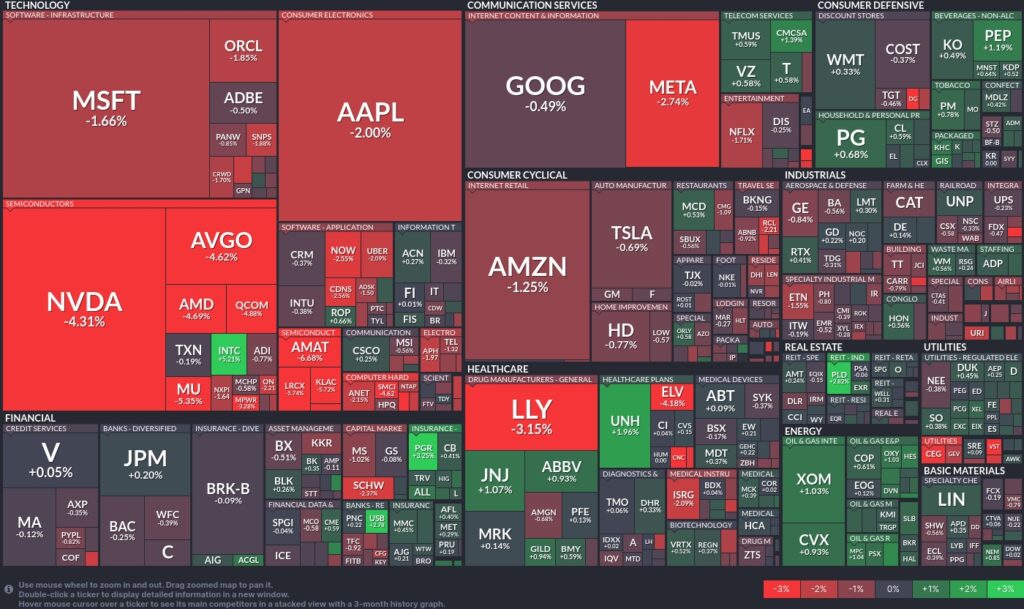
In financial markets, energy stocks may benefit in the short term, but broader indices could face pressure due to rising costs and uncertainty. This creates a complex environment for investors, where opportunities and risks coexist.
Impact on the United States and Global Economies
The United States, while a major energy producer, is not immune to global price movements. Oil is a globally traded commodity, meaning that supply disruptions anywhere can influence prices everywhere.
American consumers may soon feel the impact through higher fuel costs, which can ripple through the economy. Transportation, logistics, and manufacturing sectors are particularly sensitive to fuel price changes.
In Europe, the situation is even more delicate. Many countries are still adjusting their energy strategies after reducing dependence on Russian supplies. This new development could complicate those efforts and lead to renewed energy security concerns.
Emerging economies face the greatest risk. Countries that rely on imported fuel with limited financial buffers may experience economic strain, currency depreciation, and inflation spikes.
Global central banks may also be forced to reconsider their policies. Rising energy costs can complicate efforts to control inflation, potentially leading to prolonged periods of high interest rates.
Strategic Motives Behind Russia’s Decision
Understanding why Russia implemented this export ban is key to predicting future developments. While domestic supply stabilization is one reason, there are also broader strategic considerations.
Russia has increasingly used energy as a geopolitical tool. By controlling supply, it can influence global markets and exert pressure on countries that depend on its exports. This move may be part of a larger strategy to reshape global energy dynamics and assert influence.
Additionally, the timing of the ban is significant. With global tensions already high, this decision adds another layer of complexity, potentially strengthening Russia’s negotiating position in various geopolitical contexts.
There is also the possibility that this is a temporary measure. However, even short-term disruptions can have long-lasting effects on market sentiment and pricing structures.
Energy analysts are closely monitoring signals from Russian authorities for any indication of how long the ban will last and whether further restrictions could follow.
What Happens Next: Future Outlook and Predictions
Looking ahead, the global energy market is entering a period of heightened uncertainty. Several key scenarios could unfold in the coming weeks and months.
If tensions in the Middle East escalate further, particularly involving shipping routes, oil prices could rise significantly beyond current levels. This would have widespread economic implications, potentially slowing global growth.
On the other hand, if diplomatic efforts succeed in stabilizing the situation, markets may regain some balance. However, the underlying vulnerabilities in the global energy system will remain.
Alternative energy sources and strategic reserves may play a crucial role in mitigating the impact. Governments around the world may release reserves or increase production to offset supply shortages.
For investors and policymakers, this is a critical moment. Decisions made now will shape the trajectory of energy markets and economic stability in the coming years.
Consumers should also prepare for potential price volatility. Energy efficiency and alternative options may become increasingly important as the situation evolves.
A Defining Moment for Global Energy Markets
The Russian gasoline export ban, combined with escalating geopolitical tensions involving the Houthis, represents a defining moment for global energy markets. This is not just a temporary disruption—it is a signal of bigger structural changes and rising risks in the global energy system.
From rising oil prices to economic impacts across the United States, Europe, and emerging markets, the effects of this development are far-reaching. Understanding these dynamics is essential for navigating the uncertain landscape ahead.
Subscribe to trusted news sites like USnewsSphere.com for continuous updates.