
Dow, S&P 500, Nasdaq Surge as AI Spending Boom Offsets Layoff Fears — What It Means for Investors Now is shaping one of the most important financial narratives of 2026. Despite widespread layoffs in parts of the tech sector, U.S. stock markets are rallying strongly, driven by massive investments in artificial intelligence and cloud infrastructure.

Major indices, including the Dow Jones Industrial Average, S&P 500, and Nasdaq Composite, have posted significant gains, reflecting strong investor confidence in the long-term growth potential of AI. This divergence—job cuts on one side and booming stock prices on the other—highlights a deeper transformation in the global economy.
The Market Rally Explained: Why Stocks Are Climbing Despite Layoffs


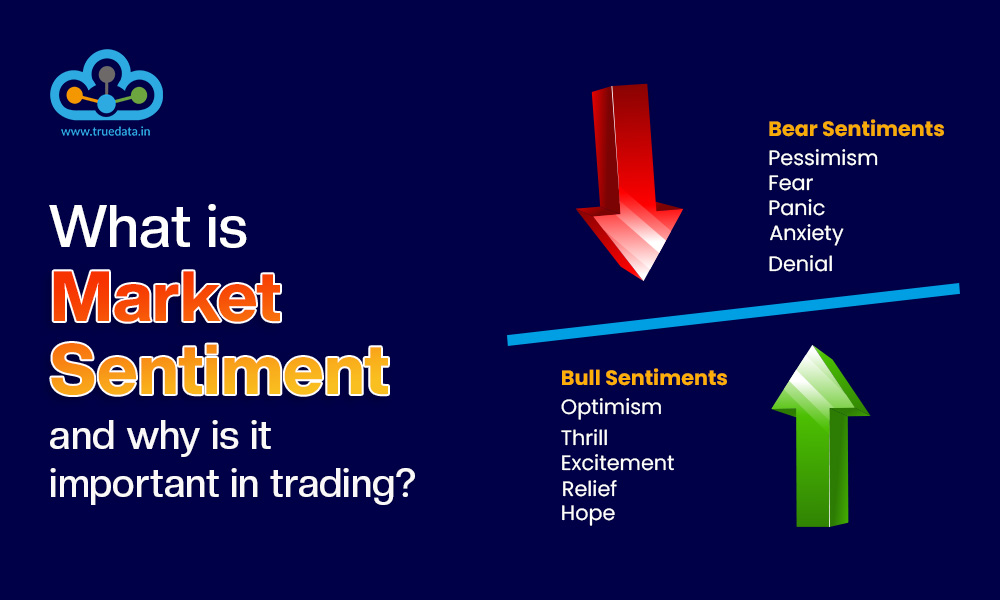
The recent surge in U.S. stock markets is being fueled by strong corporate earnings and expectations of future growth, particularly in technology and AI-related sectors. Investors are focusing on profitability and efficiency rather than short-term employment trends.
Layoffs, while concerning from a social perspective, are often viewed by markets as a sign of cost optimization. Companies that reduce expenses while maintaining or increasing revenue can improve their profit margins, which in turn supports higher stock valuations.
In 2026, this dynamic is especially visible in the tech sector. Firms are restructuring their workforces while investing heavily in AI, creating a narrative where efficiency and innovation outweigh concerns about job losses.
The AI Spending Boom: The Real Driver Behind Market Gains
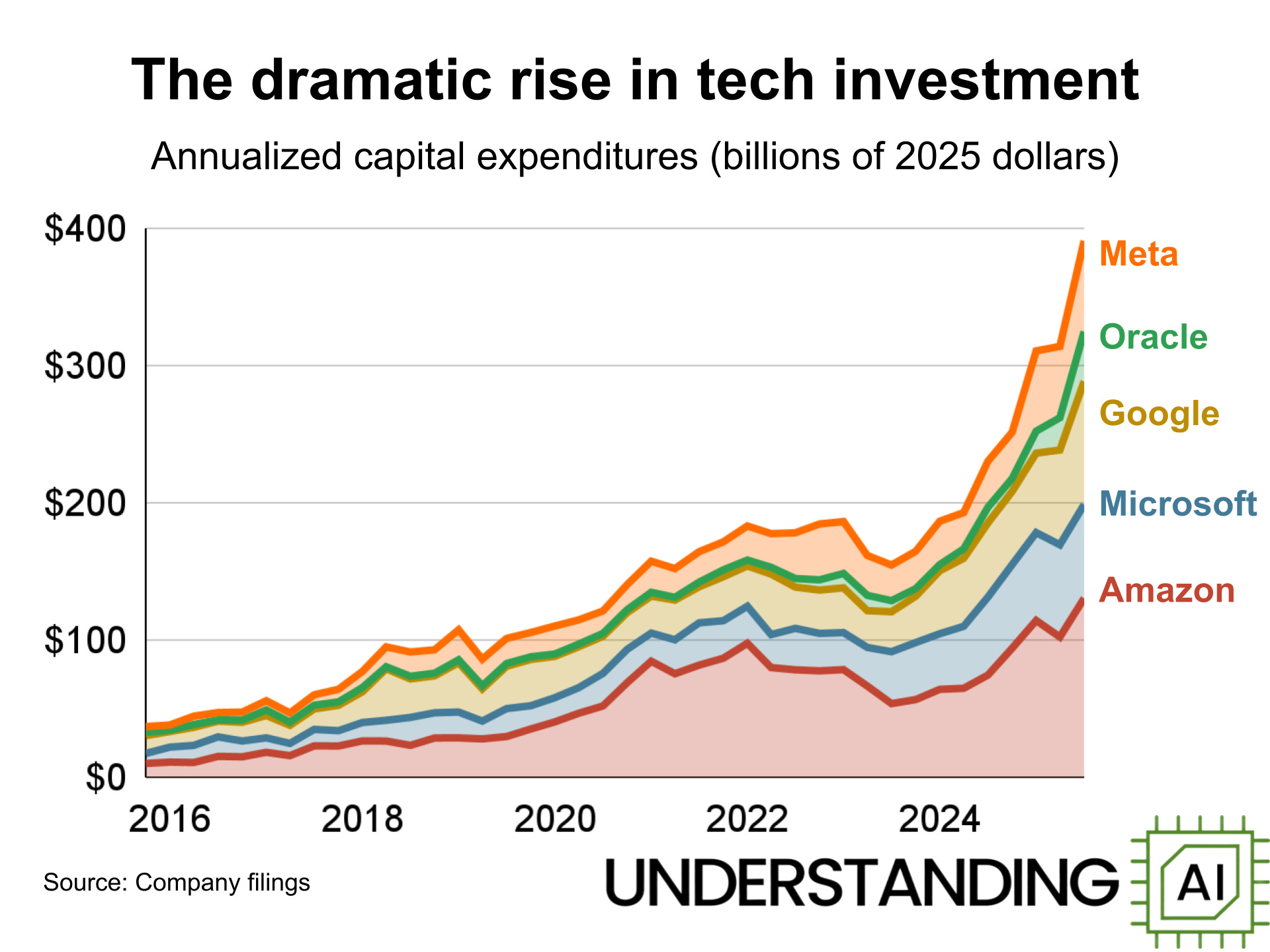
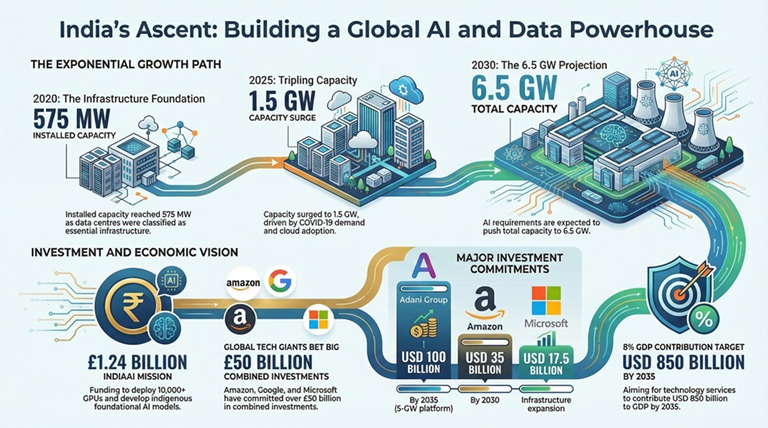
Artificial intelligence has become the central driver of growth in the global economy. Companies are investing billions of dollars in AI infrastructure, including data centers, advanced chips, and cloud computing platforms.
This surge in spending is creating new revenue streams and transforming business models across industries. From automation to advanced analytics, AI is enabling companies to operate more efficiently and unlock new opportunities.
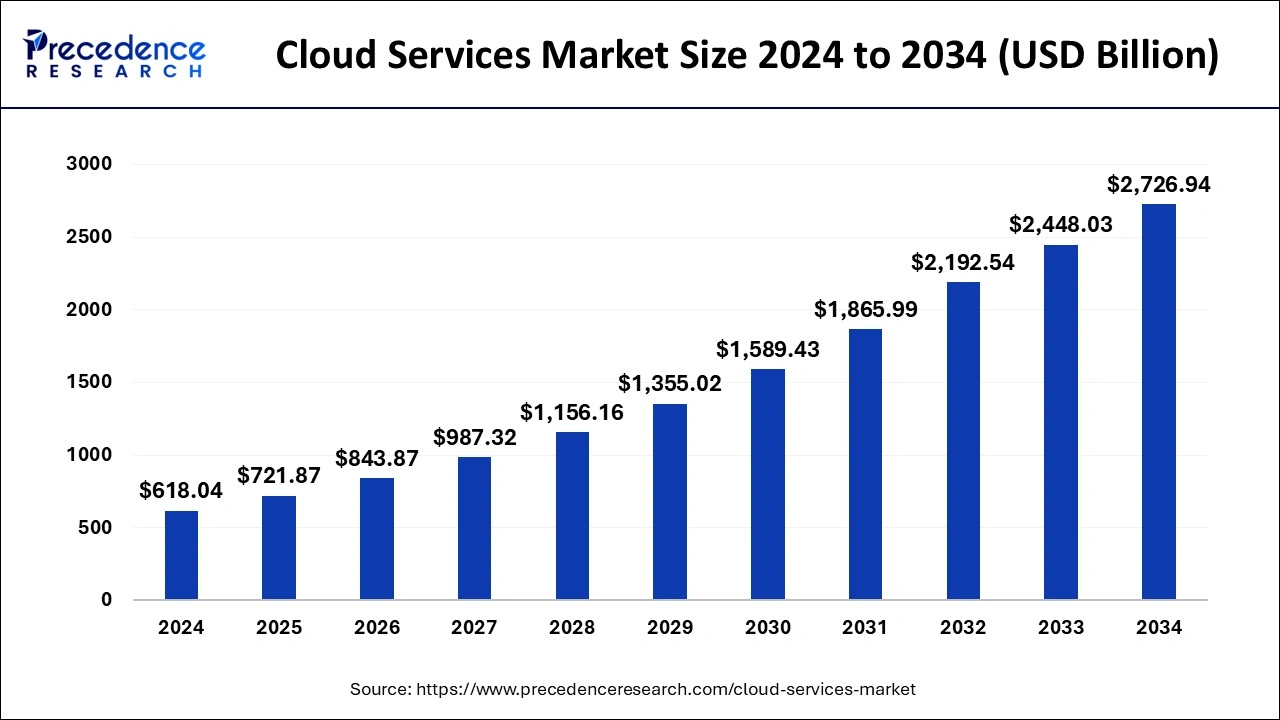
For investors, this represents a major shift. Traditional metrics such as headcount are becoming less relevant, while indicators like AI adoption and technological innovation are taking center stage.
Tech Layoffs vs Profit Growth: Understanding the Contradiction


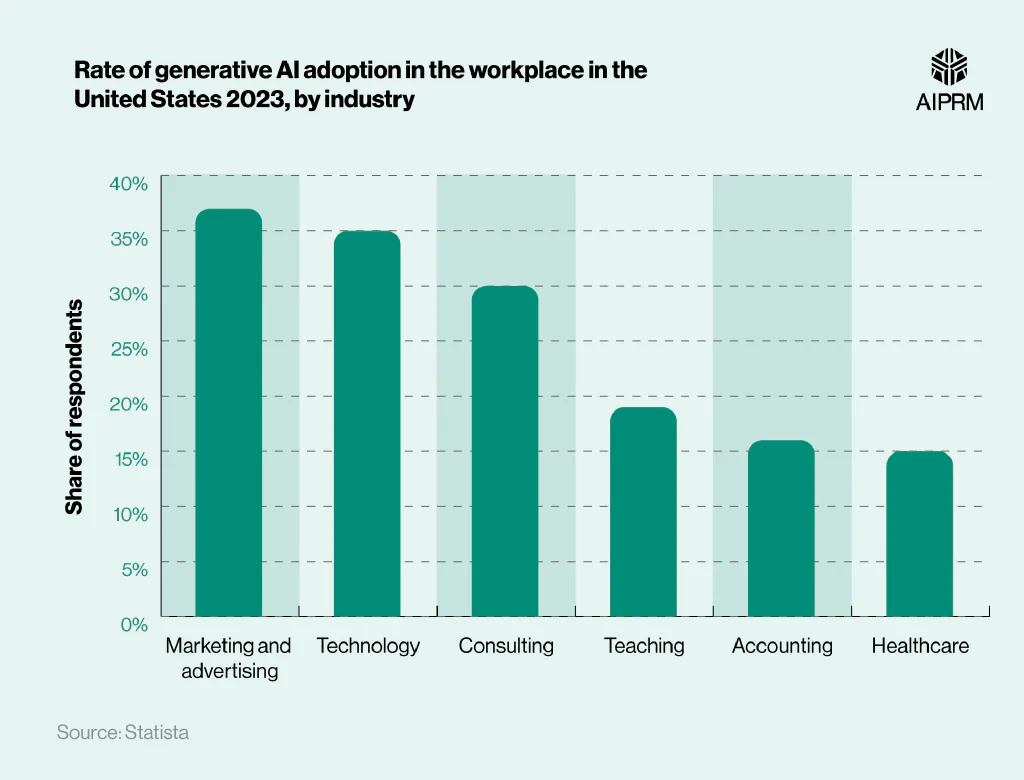
The coexistence of layoffs and rising profits may seem contradictory, but it reflects a structural change in how companies operate. Automation and AI allow businesses to do more with fewer resources, reducing the need for large workforces in certain areas.
This shift is particularly evident in industries such as software development, customer service, and data analysis. Tasks that once required teams of employees can now be handled by AI systems, leading to significant cost savings.
However, this trend also raises important questions about the future of work. While companies benefit from increased efficiency, workers may face challenges in adapting to new roles and skill requirements.
What Wall Street Is Saying: Investor Sentiment and Market Outlook

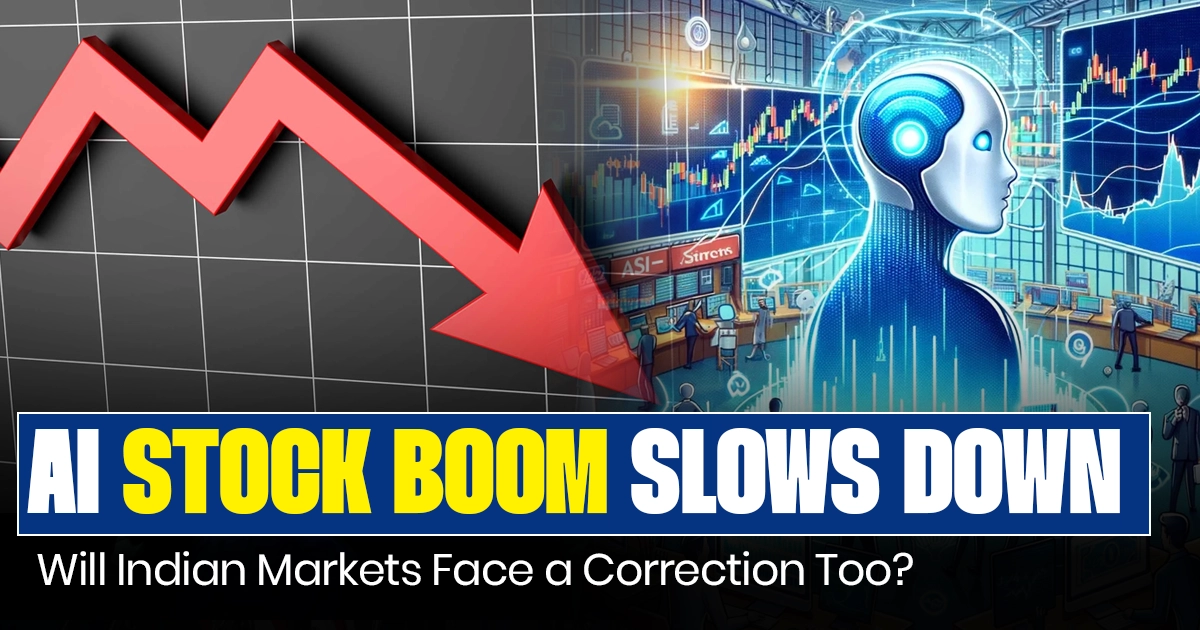
Wall Street analysts are largely optimistic about the current market environment, particularly in sectors related to AI and technology. Many believe that the AI boom is still in its early stages and that significant growth lies ahead.
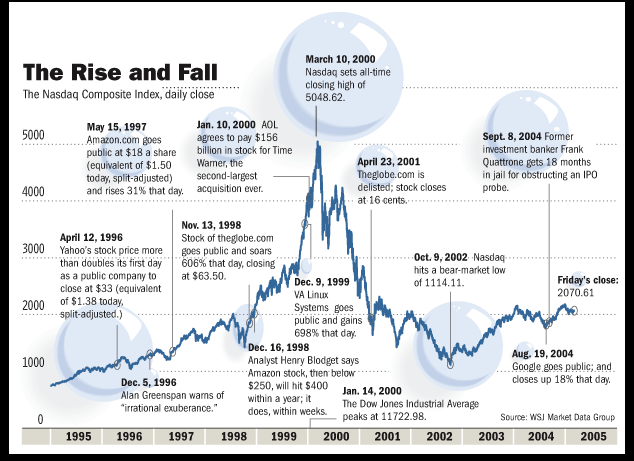
At the same time, there is recognition of potential risks. High valuations in tech stocks, geopolitical tensions, and economic uncertainty could lead to increased volatility in the future.
Despite these risks, investor sentiment remains positive. The belief that AI will drive long-term economic growth is supporting strong demand for equities, particularly in innovation-driven sectors.
Risks Investors Should Watch in 2026


While the market rally is encouraging, investors should remain aware of potential risks. One major concern is valuation. As stock prices rise, there is a risk that they may become disconnected from underlying fundamentals.
Economic factors such as interest rates and inflation also play a critical role. If borrowing costs remain high or inflation resurfaces, it could impact corporate earnings and market performance.
Geopolitical risks and global economic conditions add another layer of uncertainty. Unexpected events can quickly change market dynamics, making it important for investors to stay informed and adaptable.
What This Means for Investors: Strategy and Opportunities


For investors, the current environment offers both opportunities and challenges. The AI boom is creating significant growth potential, particularly in sectors such as semiconductors, cloud computing, and software.
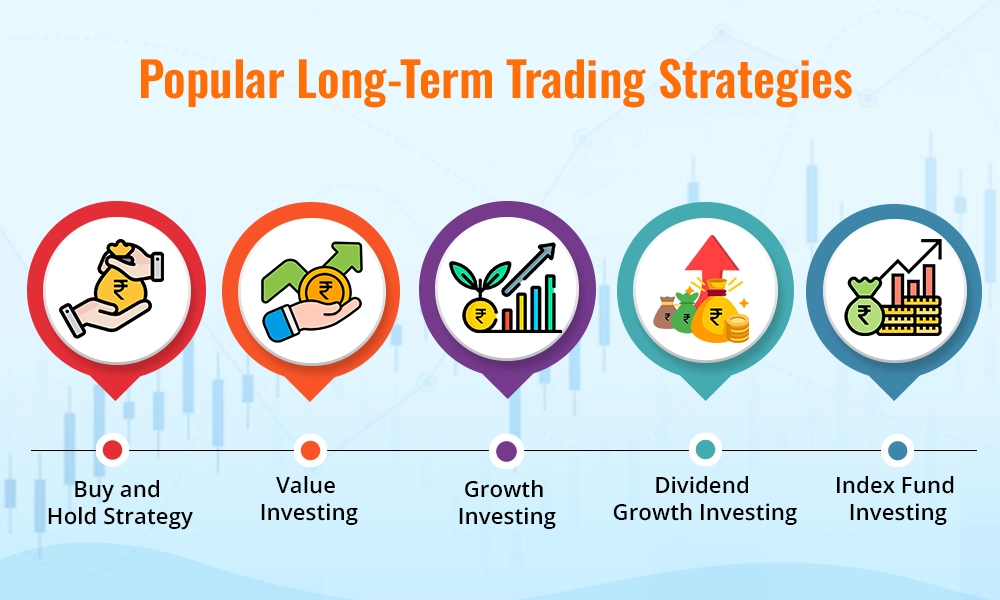
Diversification remains a key strategy. By balancing exposure to high-growth sectors with more stable investments, investors can manage risk while participating in market gains.
Long-term thinking is also essential. While short-term volatility may occur, the structural trends driving the market—such as AI adoption and technological innovation—are likely to continue shaping the economy for years to come.
A New Era for Markets and the Economy
The surge in the Dow Jones Industrial Average, S&P 500, and Nasdaq Composite underscores a fundamental shift in the global economy. While layoffs highlight the challenges of technological change, the AI spending boom is driving unprecedented growth and innovation.
For investors, this moment represents both an opportunity and a responsibility—to understand the forces shaping the market and to make informed decisions in a rapidly evolving environment.
As 2026 progresses, the balance between innovation, employment, and economic growth will continue to define the future of financial markets.
Subscribe to trusted news sites like USnewsSphere.com for continuous updates.