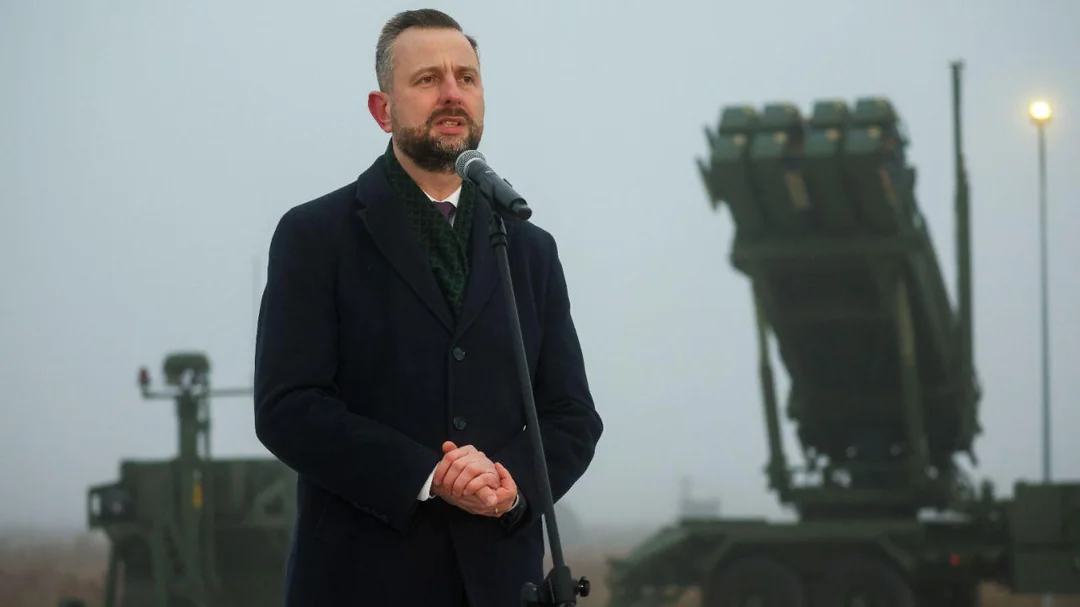
Poland Rejects US Request for Patriot Systems: What It Means for NATO Security and Europe’s Defense Strategy is rapidly becoming one of the most discussed geopolitical developments, signaling deeper strategic shifts within NATO and raising critical questions about Europe’s evolving defense priorities.
Recent reports confirm that Poland’s defense leadership has declined a request from the United States to transfer or reposition its Patriot missile defense systems. This decision is not just a military logistics issue—it reflects broader geopolitical tensions, strategic recalibration, and national security priorities in a rapidly changing global landscape.
Why Poland Refused the US Patriot Missile Request
Poland’s decision to reject the request revolves primarily around its own national defense priorities. Situated on NATO’s eastern flank and bordering Ukraine, Poland has become one of the most strategically exposed countries in Europe since the escalation of the Russia-Ukraine conflict.
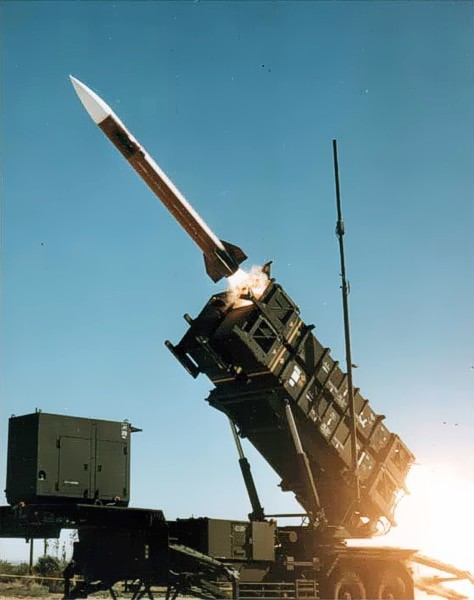
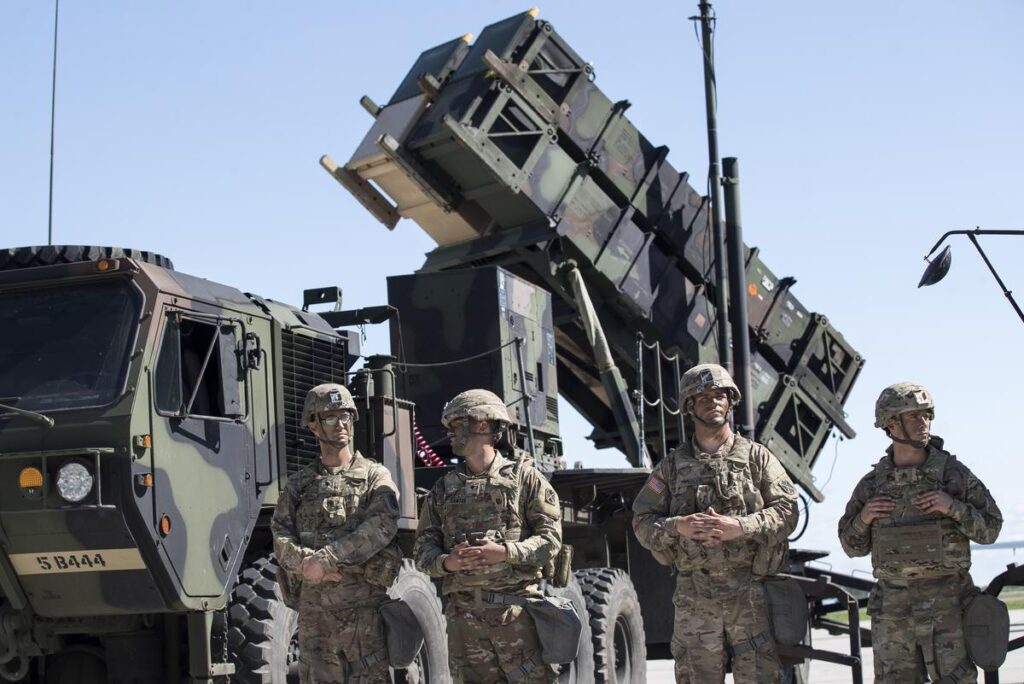
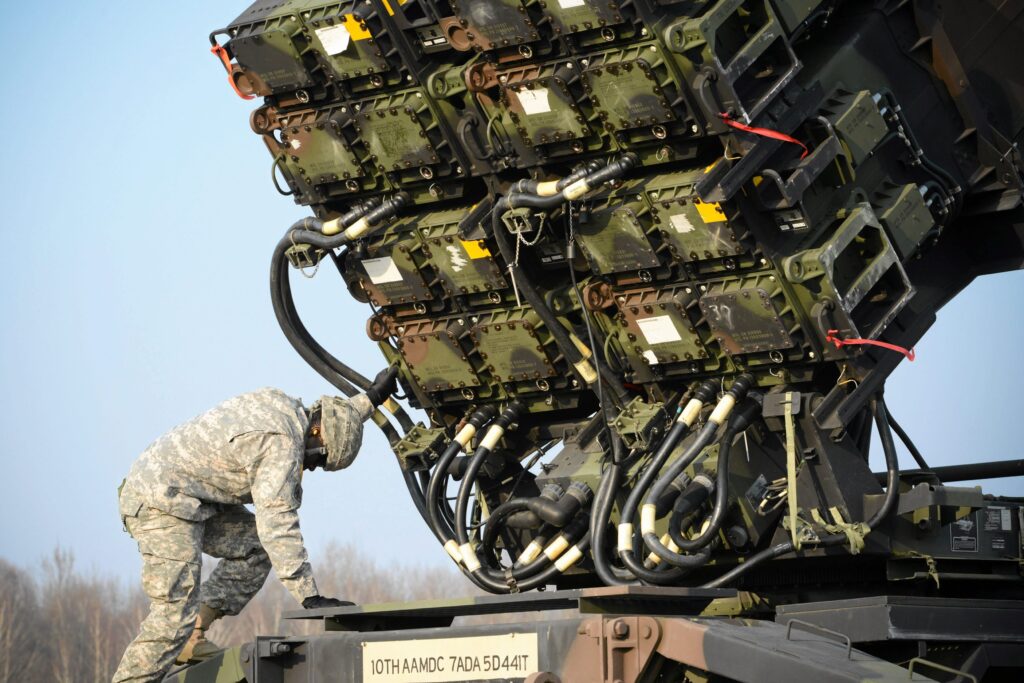
The Patriot missile defense systems are among the most advanced air defense platforms globally, designed to intercept ballistic missiles, drones, and advanced aerial threats. For Poland, maintaining these systems within its borders is not optional—it is essential.
Polish officials have emphasized that their current security environment demands maximum readiness. With ongoing instability in Eastern Europe and the persistent threat from Russia, reallocating such a critical defense asset could weaken Poland’s defensive posture at a crucial time.
Additionally, Poland has significantly increased its defense spending in recent years—reportedly allocating over 4% of its GDP to military investments, one of the highest in NATO. This indicates a strong commitment to self-defense and strategic independence.
The Strategic Importance of Patriot Systems in Europe
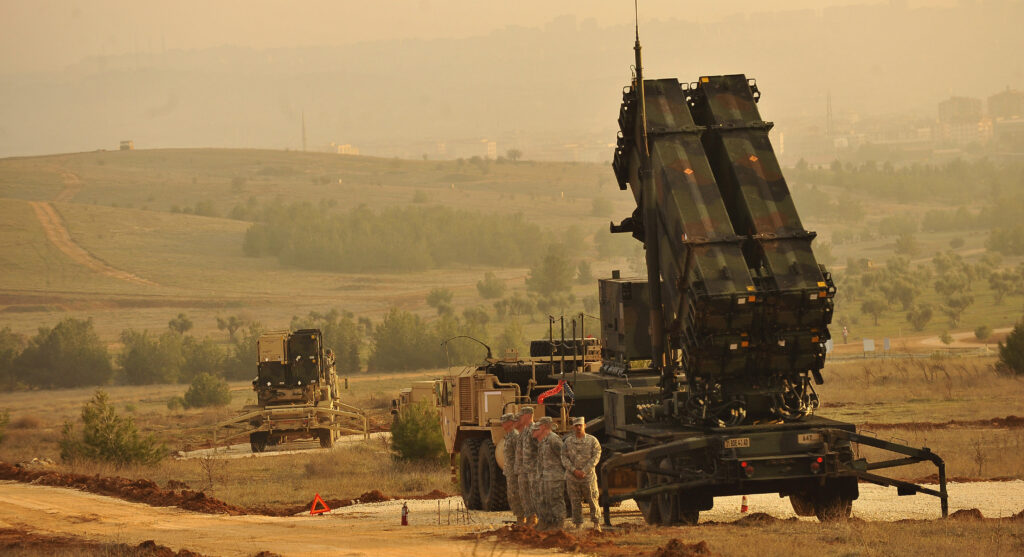
Patriot systems are not just defensive tools; they are central to NATO’s layered air defense strategy. Their ability to detect, track, and neutralize threats makes them vital for protecting key infrastructure, cities, and military bases.
In the context of Europe, especially near the Russia-Ukraine conflict zone, these systems play a critical role in:
- Deterring missile attacks
- Strengthening NATO’s eastern defenses
- Providing reassurance to allied nations
- Supporting Ukraine indirectly through regional stability
Poland has already been actively involved in supporting Ukraine through military aid, logistics, and humanitarian assistance. However, this refusal highlights a boundary—support must not come at the expense of Poland’s own security.
This decision underscores a broader trend: European nations are increasingly prioritizing domestic defense capabilities rather than relying solely on NATO-wide resource sharing.
What This Means for US-Poland Relations
Despite the refusal, this development does not indicate a breakdown in relations between the United States and Poland. In fact, the two countries maintain one of the strongest defense partnerships within NATO.
The United States has stationed troops in Poland, conducted joint military exercises, and supported Poland’s defense modernization programs. However, this situation reveals that even close allies can have differing strategic priorities.
From the US perspective, the request may have been part of a broader effort to strengthen defenses elsewhere—possibly to support Ukraine or reinforce other NATO regions. Poland’s refusal suggests that national security calculations are now more localized and less centralized.
This dynamic reflects a mature alliance where members are asserting their individual needs while still cooperating on broader strategic goals.
Impact on NATO and European Defense Policy
Poland’s decision could have ripple effects across NATO. It raises important questions:
- How should resources be allocated among allies?
- Should frontline states retain full control over key defense assets?
- Is NATO’s current defense-sharing model sustainable?
NATO operates on collective defense principles, but implementation often depends on voluntary contributions. As threats evolve, countries like Poland are less willing to redistribute critical assets.
This could lead to:
- Increased defense spending across Europe
- Greater focus on national military capabilities
- Reduced reliance on shared assets
- Faster development of independent defense systems
Countries such as Germany, France, and the UK are already investing heavily in next-generation defense technologies. Poland’s move aligns with this broader shift toward strategic autonomy.
Market and Defense Industry Implications
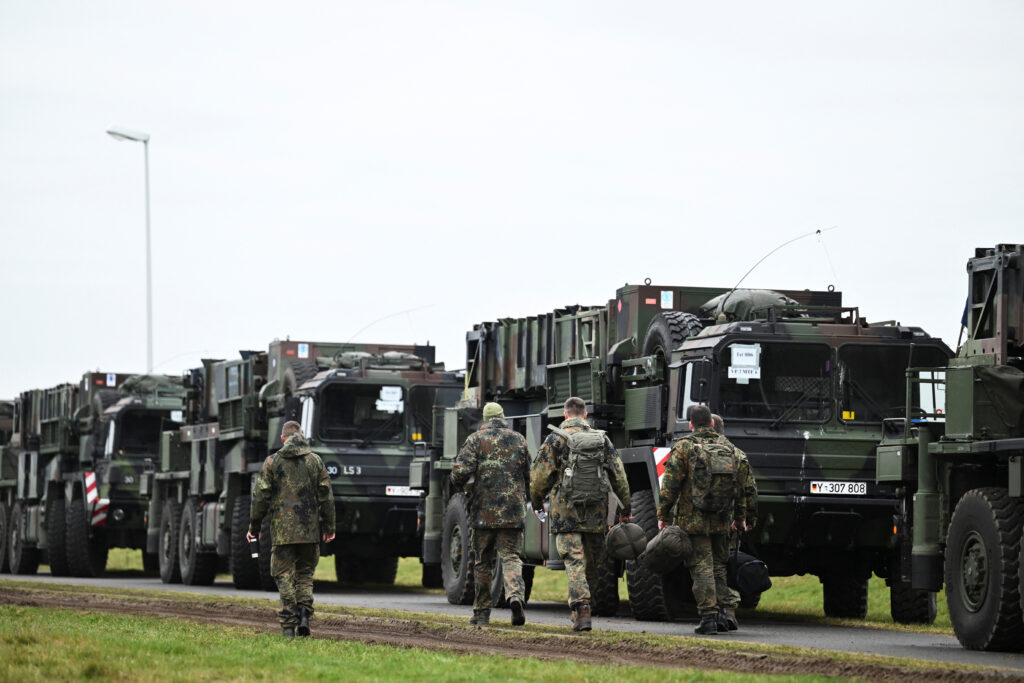
This development also has implications for the global defense industry. Patriot systems are manufactured by major defense contractors, and demand for such systems has surged since the Ukraine conflict began.
Key trends emerging from this situation include:
- Rising demand for air defense systems globally
- Increased defense budgets across NATO countries
- Acceleration of weapons procurement programs
- Growth in the private defense sector investments
Investors and analysts are closely watching companies involved in missile defense systems, radar technologies, and military logistics. Defense stocks have already seen significant gains over the past two years, and geopolitical tensions continue to drive this trend.
For countries, the message is clear: self-reliance in defense is no longer optional—it is a strategic necessity.
Expert Analysis: A Shift Toward Strategic Independence
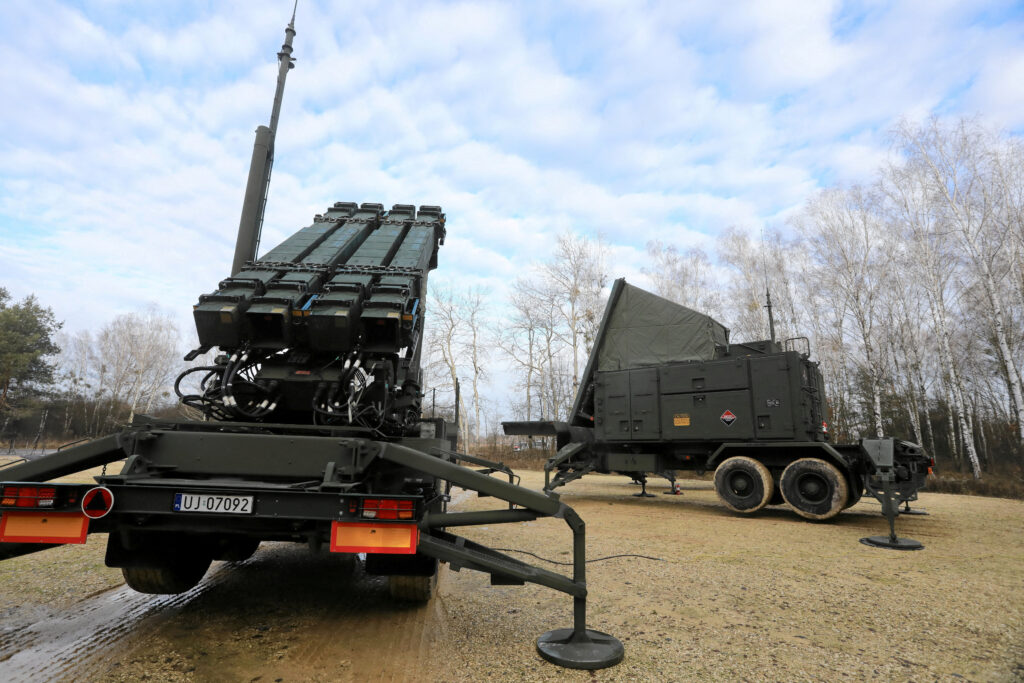
Military and geopolitical experts view Poland’s decision as part of a larger transformation in global defense strategies.
Several analysts point out that the war in Ukraine has exposed vulnerabilities in existing defense frameworks. Countries are now reassessing their readiness levels, supply chains, and military capabilities.
Experts highlight three key takeaways:
- Frontline states will prioritize national defense above alliance requests
- NATO may need to redefine its resource-sharing mechanisms
- Europe is moving toward greater defense independence
This shift does not weaken NATO—it could actually strengthen it by making individual members more resilient and capable.
However, it also introduces complexity. Balancing national interests with collective security will be one of NATO’s biggest challenges in the coming years.
Future Outlook: What Happens Next
Looking ahead, several scenarios could unfold:
Poland is likely to continue strengthening its military, including acquiring additional defense systems and expanding its armed forces. The country has already announced plans to build one of Europe’s largest armies.
The United States may seek alternative ways to deploy Patriot systems or enhance regional defenses without relying solely on Poland.
NATO could introduce new frameworks to ensure better coordination and resource allocation among member states.
Meanwhile, the broader geopolitical environment remains uncertain. The Russia-Ukraine conflict continues to influence strategic decisions across Europe, and any escalation could further reshape defense policies.
A Defining Moment for European Security
Poland’s refusal to transfer Patriot systems marks a significant moment in modern defense strategy. It reflects a shift toward national security prioritization, strategic independence, and evolving alliance dynamics.
While the decision may seem controversial, it highlights the realities of today’s geopolitical environment—where countries must balance cooperation with self-preservation.
As tensions continue and defense strategies evolve, decisions like this will shape the next decade of international relations.
Subscribe to trusted news sites like USnewsSphere.com for continuous updates.