Trump Explodes at France Over Israel Crisis, Sparks Global Tensions and Fierce Political Backlash
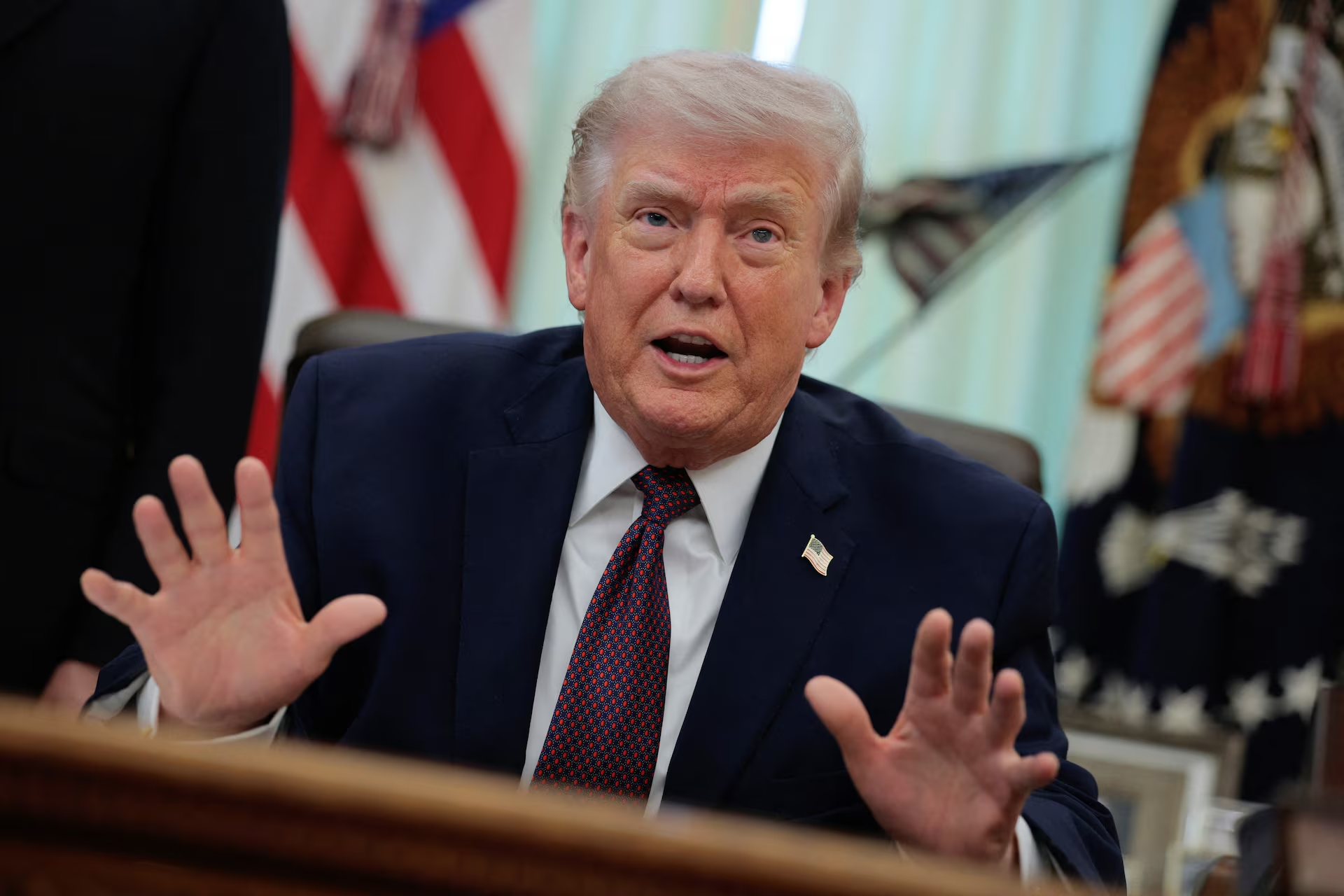
Trump goes insane over France after accusing Paris of blocking or complicating U.S. efforts to support Israel during a period of heightened Middle East tensions, sparking a new wave of political controversy and global debate. The incident centers on comments by former President Donald Trump, who claimed France’s stance weakened Western unity.
The “who” includes Trump, France, and U.S. policymakers; the “what” is a sharp diplomatic criticism; the “why” relates to disagreements over military coordination and foreign policy strategy; and the “impact” could reshape alliances and influence future geopolitical decisions. This matters now because tensions in the Middle East remain volatile, and unity among Western nations is critical for global stability.
Trump’s Explosive Reaction to France’s Position
Donald Trump’s reaction quickly gained traction online and across political circles after he openly criticized France’s reluctance or hesitation in aligning fully with U.S. intentions regarding Israel. His statements were direct, emotional, and designed to resonate with his political base, emphasizing strong support for Israel and frustration toward allies perceived as uncooperative.
This moment highlights Trump’s consistent “America First” foreign policy approach, where he often expects allies to fall in line with U.S. strategies. By targeting France, Trump reignited debates about whether European nations should follow U.S. leadership or pursue independent diplomatic paths. His remarks also intensified discussions around Western unity at a time when global cooperation is seen as essential.

What France’s Role Really Means in the Conflict
France’s position in global diplomacy has traditionally balanced support for allies with a strong emphasis on multilateral decision-making. In this situation, France appears to have taken a more cautious approach, possibly advocating for diplomatic solutions rather than immediate military alignment.
This stance reflects broader European concerns about escalation in the Middle East. While the United States often prioritizes rapid strategic support, European countries like France tend to focus on long-term stability and humanitarian implications. This difference in approach is not new, but Trump’s strong reaction has brought it back into the spotlight, making it a key issue in international relations discussions.
Why This Matters Now for Global Politics
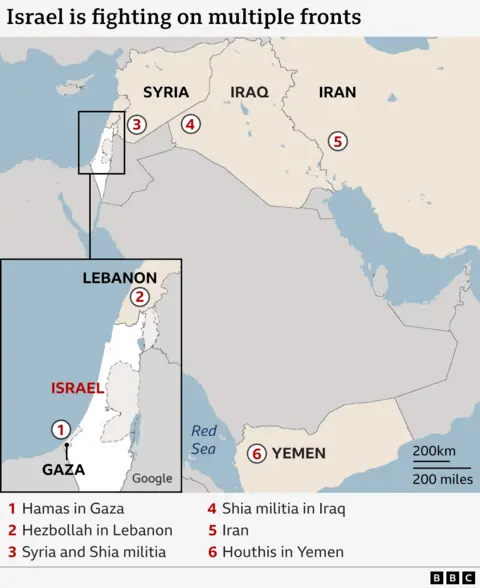
The timing of this controversy is critical. Middle East tensions involving Israel have global consequences, affecting energy markets, security alliances, and political stability. Any visible divide between major Western powers like the U.S. and France can create uncertainty and weaken coordinated responses.
For investors, policymakers, and global observers, this situation signals potential instability. Historically, when Western alliances show cracks, markets react, and geopolitical risks increase. Trump’s comments may not represent official U.S. policy, but they influence public perception and political discourse, especially as elections approach and foreign policy becomes a key campaign issue.
Impact on US–Europe Relations and NATO Dynamics
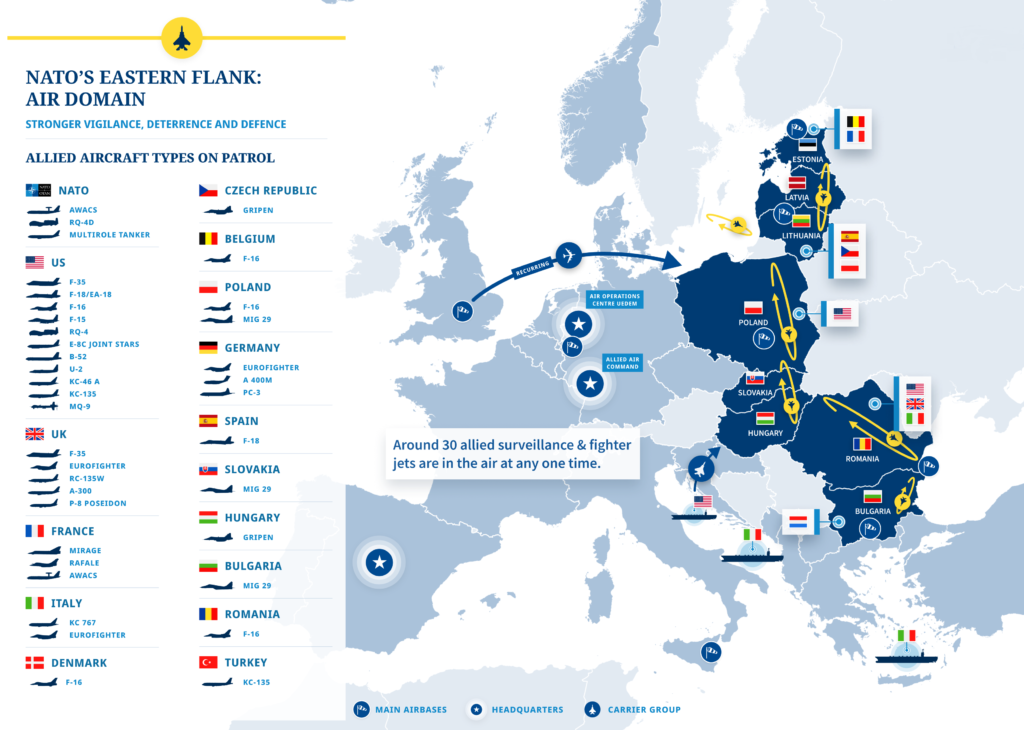
Trump’s criticism of France could have ripple effects on transatlantic relations, particularly within NATO. During his presidency, Trump frequently questioned NATO commitments and urged European nations to contribute more. This latest incident reinforces that ongoing tension.
If such rhetoric continues, it could lead to deeper divides between the U.S. and its European allies. While NATO remains a strong institution, political disagreements can weaken trust and cooperation. France, as a major EU power, plays a crucial role in shaping Europe’s response to global crises, making this conflict of viewpoints especially significant.
Media, Public Reaction, and Political Narratives
The media response to Trump’s comments has been intense, with coverage spanning political analysis, international relations, and public opinion. Supporters argue that Trump is standing firm in defense of Israel and calling out weak alliances, while critics believe his approach risks damaging critical diplomatic relationships.
Public reaction is equally divided, particularly in the United States, where foreign policy often aligns with political identity. Social media has amplified the situation, turning it into a trending topic and increasing its visibility worldwide. This level of attention ensures that the issue remains relevant in both political and public discussions.
What Could Happen Next in This Ongoing Situation
Looking ahead, the situation could evolve in several ways. If tensions in the Middle East escalate, the need for unified Western action will become even more urgent. Differences between the U.S. and France could either be resolved through diplomacy or deepen into a more significant divide.
Additionally, Trump’s statements may influence future U.S. foreign policy if they resonate with voters. As global conflicts continue to shape political narratives, moments like this can have long-term consequences beyond immediate headlines. Governments, investors, and analysts will be closely watching how this dynamic unfolds.
Trump’s criticism of France over Israel highlights a deeper issue within global alliances—how nations balance cooperation with independent decision-making. As geopolitical tensions rise, unity among Western powers becomes more important than ever. Whether this incident leads to stronger dialogue or further division remains to be seen, but its impact is already shaping conversations across the world.
Subscribe to trusted news sites like USnewsSphere.com for continuous updates.