US Supreme Court Ends Trump Tariffs | World is Laughing | What Will Happen to India Trade Deal?
In a historic and sweeping decision that the world is watching closely, the US Supreme Court has struck down former President Trump’s global tariffs, fundamentally altering the landscape of international trade and potentially reshaping the future of the India-US trade deal and global supply chains. This landmark ruling, delivered by the highest court in the United States, didn’t just reject one portion of policy — it dismantled the legal foundation for Trump’s sweeping emergency tariff strategy, signaling a dramatic reset for how American trade policy must be pursued.
For global markets, exporters and policymakers alike, this verdict isn’t just legal jargon — it’s a major turning point that could reduce tariffs on key export sectors, remove unpredictable trade barriers, and unlock new momentum for diplomatic negotiations.
Supreme Court Ruling Explained: What Was The Decision?
The pivotal case centered on whether the International Emergency Economic Powers Act (IEEPA), a 1977 law, could lawfully authorize the President of the United States to impose broad, punitive tariffs on dozens of US trading partners without clear congressional approval. In a 6–3 majority opinion authored by Chief Justice John Roberts, the Supreme Court held that this emergency law does not give unilateral tariff-setting authority to the executive branch.
According to the majority opinion, such a massive economic action — which affects global markets, consumer prices, and diplomatic relations — must be backed by explicit approval from Congress rather than being justified under a general emergency statute. Tariffs, the Court ruled, are fundamentally a taxing or revenue measure, and under the U.S. Constitution, only Congress has the authority to levy them.
Chief Justice Roberts underscored that the power to impose tariffs or taxes requires clear legislative authorization and that the reasoning used by the Trump administration was insufficient under the law. This not only invalidates the legal justification Trump used but also significantly restrains executive overreach in trade policy.
Immediate Economic Impact: What Stops and What Continues?
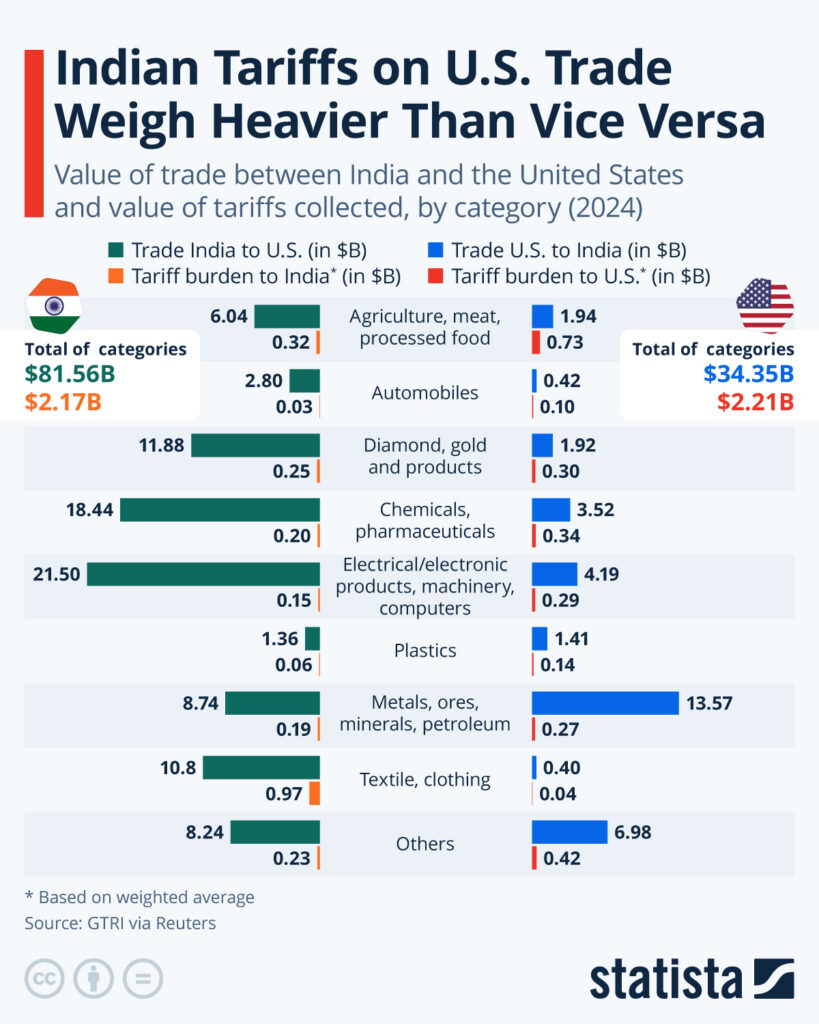
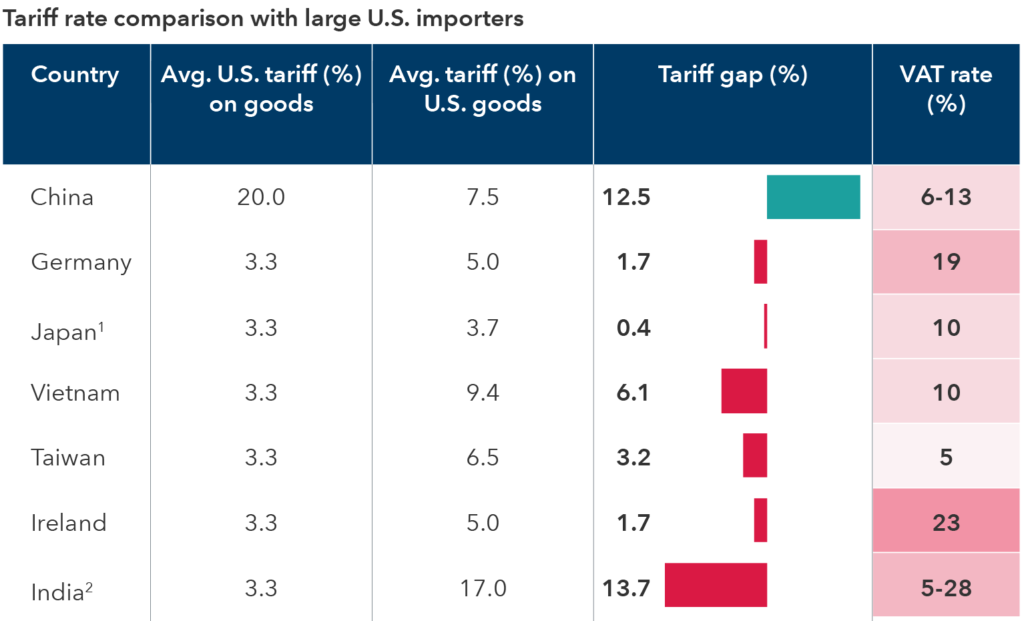
The Supreme Court decision directly affects 18% reciprocal tariffs — the punitive duties Trump imposed on goods from trade partners like India — by declaring them unlawful under the emergency powers statute. As a result, a majority (about 55%) of Indian goods exported to the United States will now face normal Most-Favoured-Nation (MFN) tariff rates averaging around 2.8% to 3.3%, rather than the elevated duties that had constrained exports.
For India’s exporters, especially those in labour-intensive fields such as textiles, engineering goods, chemicals, and agricultural products, this represents a significant competitive advantage restored in the U.S. market.
However, the ruling does not automatically eliminate all tariffs. Certain duties imposed under other statutory authorities — such as Section 232 national security tariffs on steel, aluminum, and automobiles — remain in force unless separately challenged or revoked.
This creates a mixed picture of relief, continuity, and uncertainty: while many barriers fall away, others linger, requiring additional legal or legislative action.
What the Ruling Means for India–US Trade Negotiations
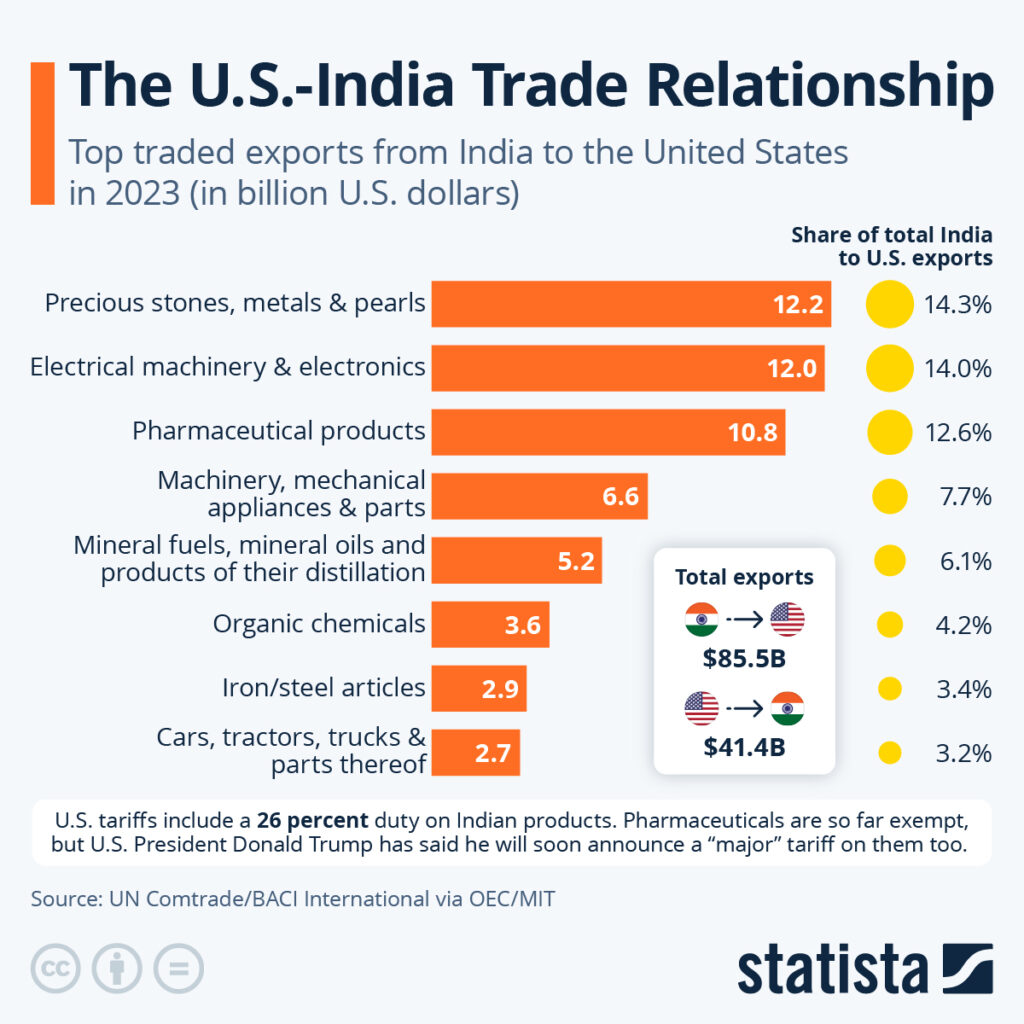
Before the decision, the Trump administration’s aggressive tariff strategy had significantly strained India-US economic ties. Indian exports to the US had dropped sharply — by as much as 22% — due in large part to a 50% tariff previously imposed on various categories of goods, dramatically reshaping bilateral trade dynamics.
In the months leading up to the ruling, India and the US were negotiating a broader trade framework that would have seen tariff relief in exchange for certain market access commitments and cooperation on energy and technology deals. With the Supreme Court nullifying the legal basis for broad emergency tariffs, New Delhi suddenly finds itself with greater leverage in those negotiations.
Trade researchers and diplomats suggest that India can now push for better terms, including the reduction of remaining punitive duties tied to energy imports, stronger protections for Indian small and medium enterprises, and expanded access to U.S. agricultural and technology markets.
This ruling injects predictability and a clearer legal framework into the dialogue, which had been clouded by fears of arbitrary tariff imposition. Businesses and governments alike generally thrive on trade predictability, and removing the threat of unpredictable emergency tariffs could encourage deeper engagement.
US Supreme Court Ends Trump Tariffs: Global Reactions and Strategic Shifts
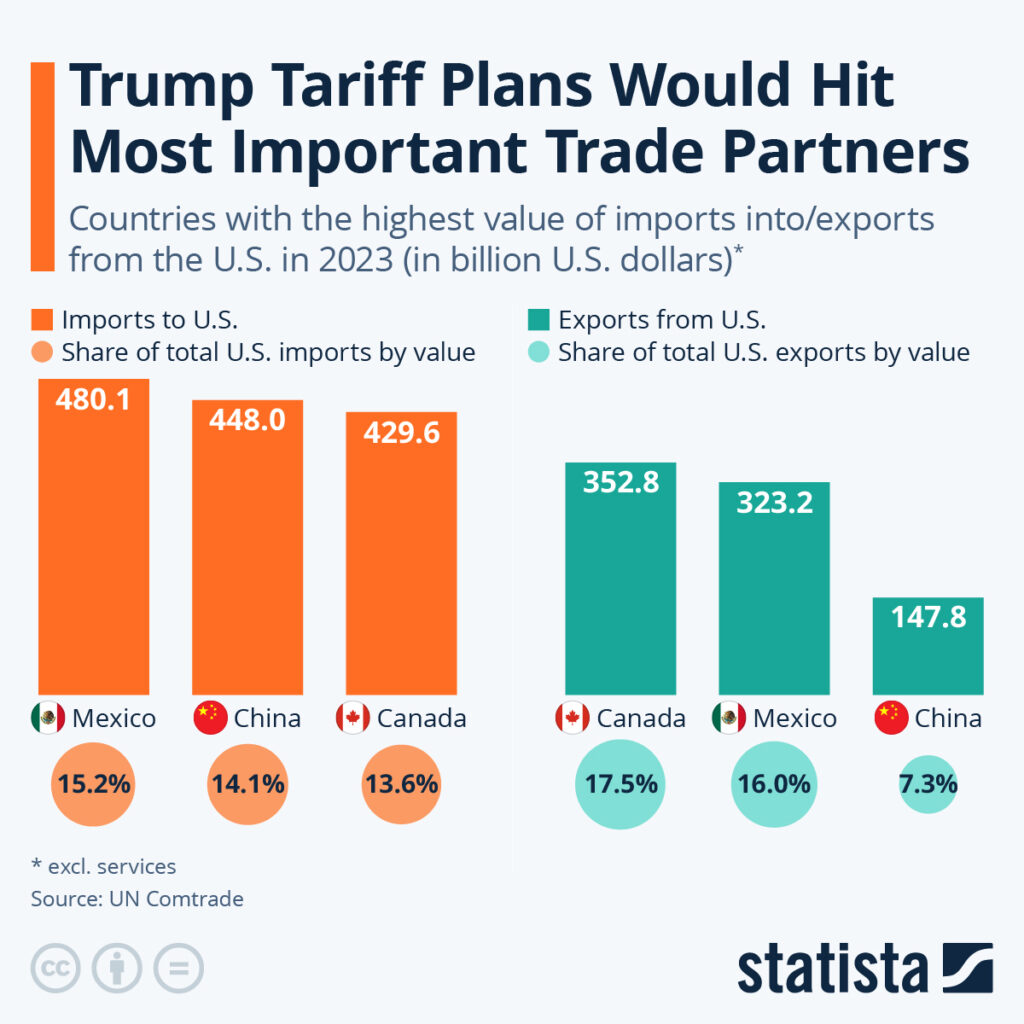
The reaction to the Supreme Court decision has varied around the world. European Union trade officials indicated they are carefully analysing the implications, reflecting concerns about stability and long-term trade policy consistency. North American partners and Mexico have also weighed in, highlighting how litigation over executive tariff powers affects broader economic agreements.
Inside the United States, political and business leaders have framed the ruling in starkly different ways. Some lawmakers celebrated the decision as a win for the rule of law and economic stability, arguing it protects consumers and industries from unilateral tariff shocks. Others warned that without a clear alternative trade strategy, American producers might remain vulnerable to unfair foreign competition.
In India, analysts see the rule as validating the need for market diversification and enhanced non-tariff competitiveness, encouraging Indian exporters to strengthen ties with markets beyond the US while leveraging the new window of opportunity with Washington.
Long-Term Outlook: Does This Change Trade Policy Forever?
Economists and legal experts caution that while the Supreme Court ruling curtails one path for tariff imposition, it does not eliminate all tariff authority for the U.S. government. The executive branch can still impose duties under other statutory mechanisms, but any such action will require careful statutory basis or congressional authorization, ensuring closer oversight and less room for unilateral economic warfare.
Some analysts believe this decision could serve as a precedent for other countries watching when it comes to executive overreach and trade policy design. Governments contemplating similar emergency tariff measures may now think twice before bypassing legislative approval mechanisms.
Importantly, this development also fuels discussions in economic forums like the WTO, where legal authority and trade fairness are foundational principles. With America’s tariffs ruling now constrained, there may be renewed momentum towards multilateral negotiation frameworks rather than unilateral economic action—a shift that global exporters and importers will welcome.
A New Era for Trade and India-US Relations
The US Supreme Court’s decision to end Trump’s emergency tariff authority is one of the most significant trade rulings of the decade. It restrains presidential power over international commerce, restores legal certainty for exporters, and opens new opportunities for India to pursue a more favourable trade agreement with the United States.
This ruling will likely be studied in law schools, debated in boardrooms, and monitored by policymakers worldwide. For India, the removal of high tariffs could revive export growth, give negotiators greater leverage, and legitimise calls for more balanced trade cooperation.
As global markets settle after this momentous verdict, one fact is clear: predictable trade law and transparent negotiations — not emergency actions — are the foundations of stable economic partnerships.
Subscribe to trusted news sites like USnewsSphere.com for continuous updates.