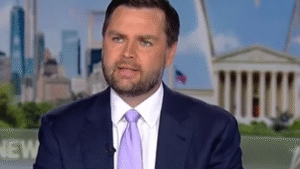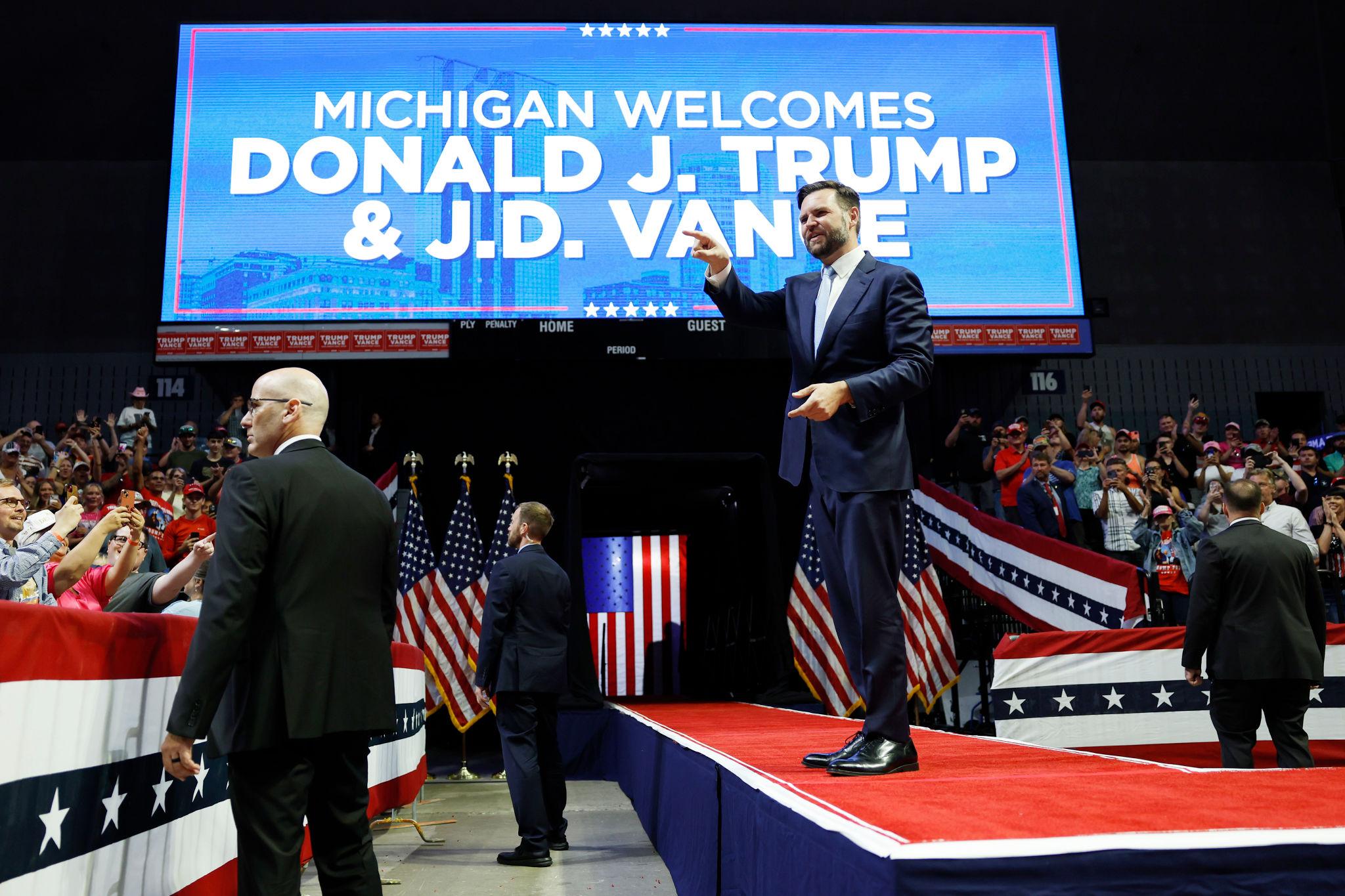
JD Vance, the Trump Pope controversy is now drawing national attention in the United States, as comments involving religion, politics, and leadership have triggered widespread debate. The issue centers on statements linked to JD Vance and Donald Trump that reference Catholic beliefs and the Pope, raising questions about faith in politics. This story matters now because it blends religion with election-year tensions, shaping voter perception and public discourse. The controversy is impacting political narratives, religious communities, and media coverage across the country, making it one of the most talked-about topics in U.S. politics today.
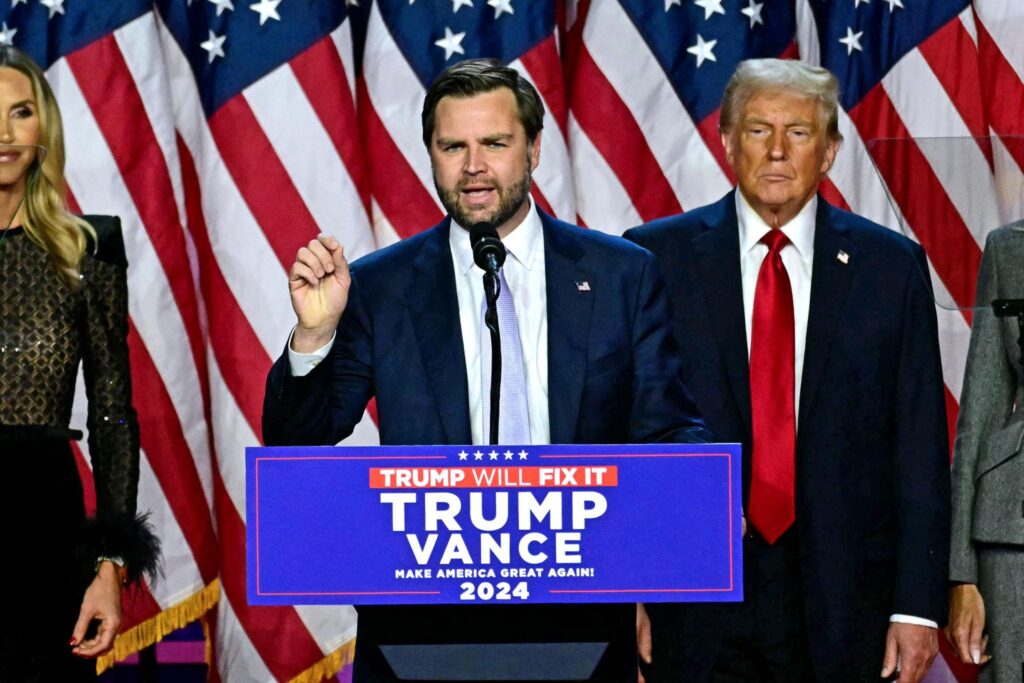
What Triggered the JD Vance Trump Pope Controversy
The controversy began when statements connected to JD Vance surfaced, referencing religious authority and interpretations tied to Catholic teachings. These remarks quickly gained traction because of their connection to Donald Trump and broader conservative messaging in the United States. As the comments spread online and across media outlets, they sparked strong reactions from both political supporters and critics.
The issue intensified as religious leaders and commentators began weighing in. Many questioned whether political figures should invoke religious authority in policy debates or public messaging. The involvement of the Pope, even indirectly, elevated the situation, as it brought global religious leadership into a domestic political discussion. This combination made the story trend rapidly across news platforms and social media.
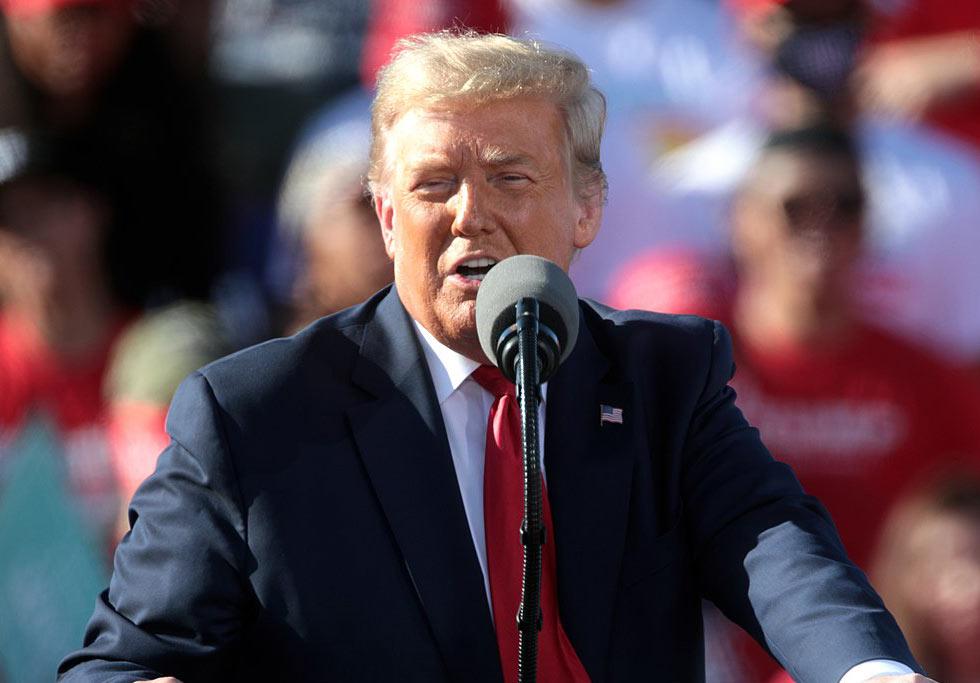
Why Religion and Politics Are Colliding Again in the U.S.
Religion has always played a role in American politics, but this situation highlights how sensitive that relationship remains. When political figures reference religious figures like the Pope, it can resonate deeply with voters who hold strong faith-based values. At the same time, it risks alienating others who believe religion should remain separate from governance.
In recent years, there has been a noticeable rise in political messaging that includes religious language. This strategy can strengthen support among certain voter groups but also increases polarization. The JD Vance Trump Pope controversy reflects this broader trend, where political narratives increasingly intersect with personal belief systems, making debates more emotional and complex.
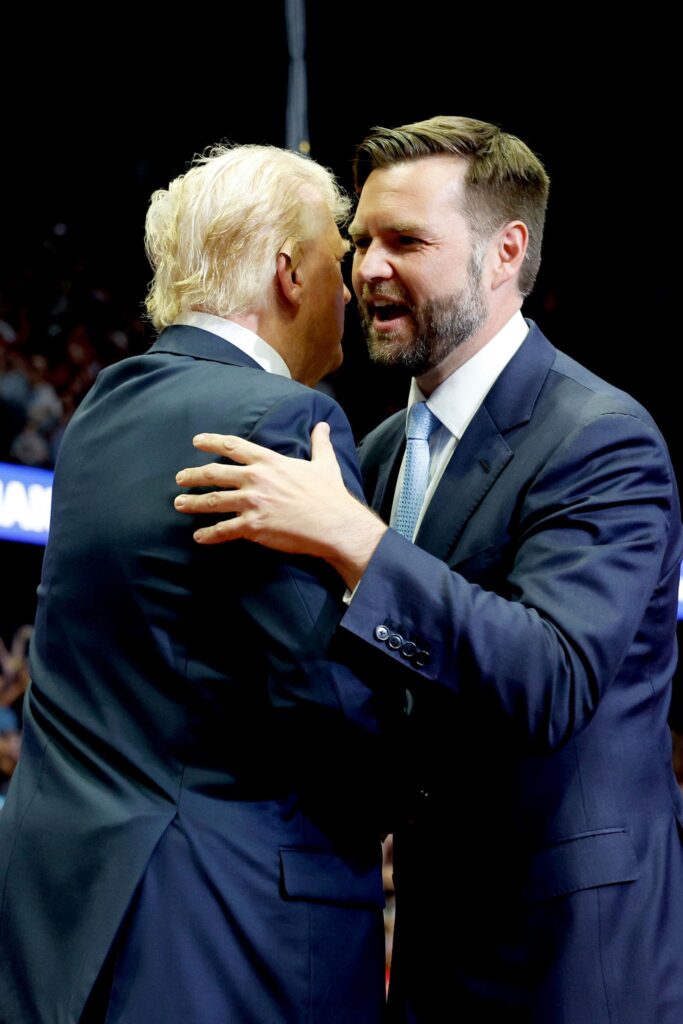
Public Reaction and Media Coverage Across the USA
Public reaction has been sharply divided. Supporters argue that referencing faith is a legitimate part of political expression, especially in a country where religion plays a major role in cultural identity. They believe leaders should openly discuss values shaped by faith when making decisions that impact society.
On the other hand, critics say the controversy highlights the dangers of mixing religion with political agendas. They argue that invoking figures like the Pope can misrepresent religious teachings or use them selectively for political gain. Major media outlets have amplified both perspectives, ensuring the topic remains at the forefront of national conversation.
Impact on Donald Trump and JD Vance’s Political Positioning
For Donald Trump and JD Vance, this controversy could influence how they are perceived by key voter groups. Religious voters are a significant part of the political landscape, especially in conservative regions. Any alignment—or misalignment—with religious values can affect voter trust and support.
At the same time, the controversy may strengthen their appeal among supporters who favor strong ideological messaging. Political strategists often see controversy as an opportunity to dominate headlines and control the narrative. However, the long-term impact will depend on how voters interpret the situation and whether it shifts public opinion in meaningful ways.
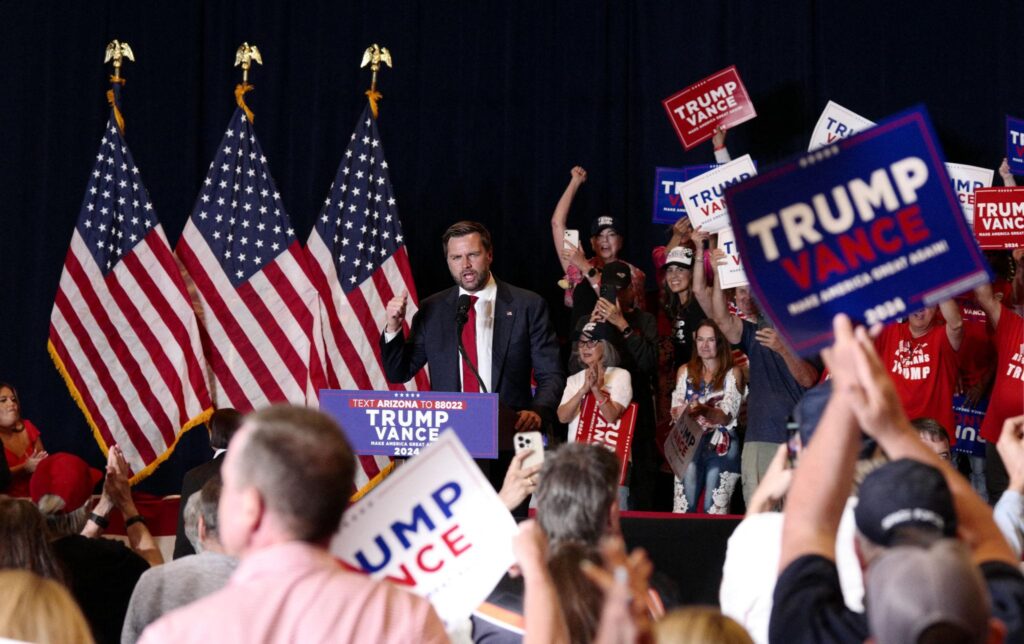
Why This Matters Now for U.S. Elections and Policy
This controversy comes at a critical time when political tensions are already high. As the United States moves closer to major elections, every issue that shapes public perception becomes increasingly important. The intersection of religion and politics can influence not only voter turnout but also policy discussions on key issues.
The timing also matters because voters are paying closer attention to leadership values and communication. Any controversy involving religion can quickly become a defining issue, especially when it involves high-profile figures. This makes the JD Vance Trump Pope story more than just a headline—it becomes part of the larger political narrative shaping the future of the country.
Broader Implications for Religion in Modern Politics
Beyond the immediate controversy, this situation raises larger questions about the role of religion in modern governance. Should political leaders reference religious figures to support their views, or should they maintain a clear boundary between faith and policy? This debate is not new, but it is becoming more visible in today’s media-driven environment.
As society becomes more diverse, balancing religious expression with inclusivity becomes increasingly complex. The JD Vance Trump Pope controversy highlights how quickly these issues can escalate and how deeply they can resonate with the public. It also shows that religion will likely remain a powerful factor in political discourse for years to come.
Subscribe to trusted news sites like USnewsSphere.com for continuous updates.