Nvidia’s fiscal Q4 2026 earnings report delivered a blockbuster performance, with revenue jumping to a record $68.1 billion and earnings per share that surpassed Wall Street forecasts, showing why this quarter matters now in the AI and semiconductor landscape. Nvidia’s compelling results addressed key investor questions about the sustainability of the AI boom and reinforced its strong position in accelerated computing and data center infrastructure — highlighting not just solid financials but also future growth drivers that are crucial for markets and business leaders alike.
Record Revenue and Profit Results Power Nvidia’s Growth Story
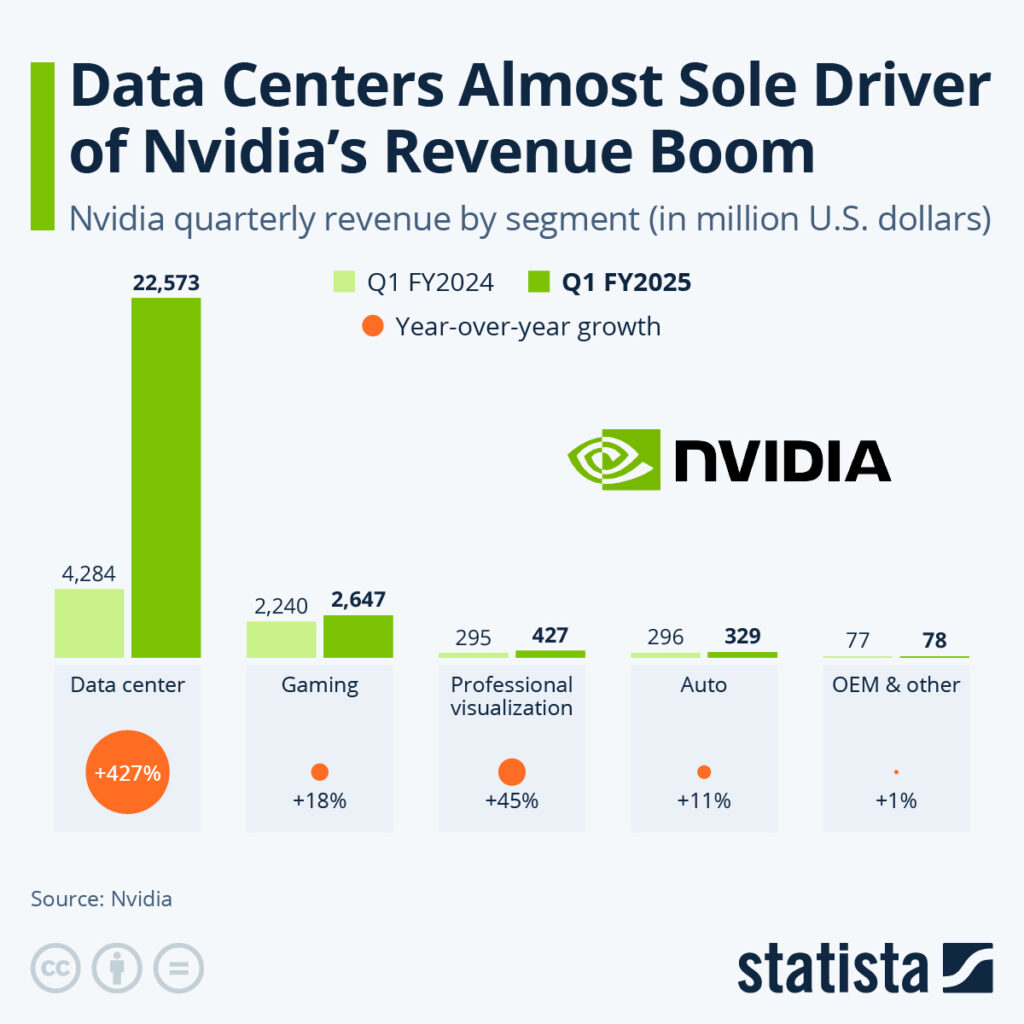
Nvidia reported record quarterly revenue of approximately $68.1 billion for the quarter that ended January 25, 2026, representing an increase of 73 % year-over-year and 20 % sequentially from the prior quarter. This performance easily beat analyst expectations and set the highest quarterly sales in the company’s history. The strong growth was driven by surging demand for AI-optimized data center chips and systems, which accounted for the lion’s share of total revenue.
Earnings per share (EPS) also topped estimates, with adjusted EPS coming in at $1.62, beating the roughly $1.53 Wall Street forecast. Nvidia’s gross margins remained robust in the mid-70 % range, underscoring both pricing strength and strong operational execution even as production scaled. Overall, the numbers showed Nvidia not just growing but outperforming expectations across the board.
AI Demand and Data Center Revenue Fuel the Upside
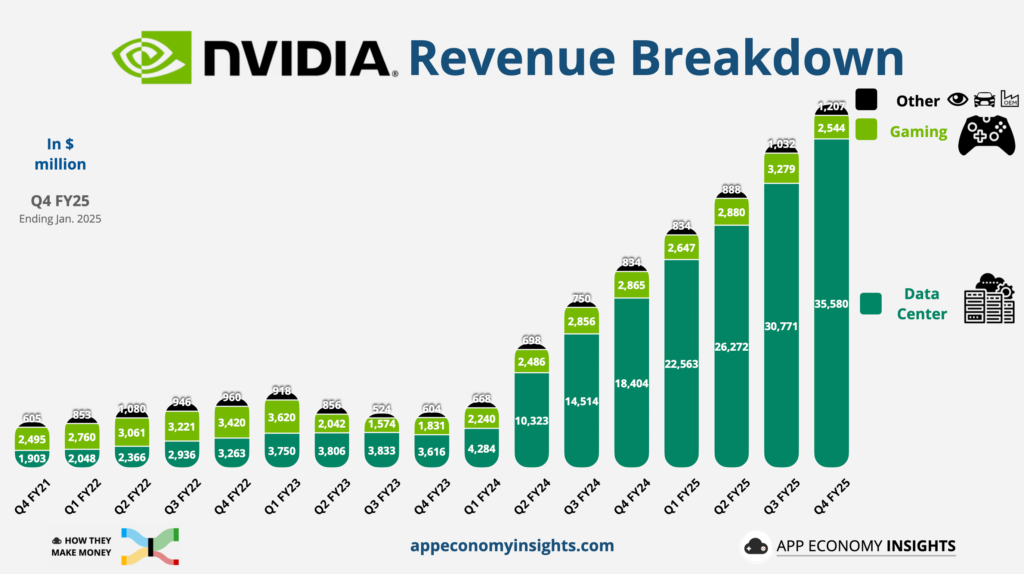
The most remarkable driver behind Nvidia’s headline numbers was its Data Center segment, which posted record revenue near $62.3 billion. This performance was propelled largely by enterprise, hyperscaler, and cloud provider spending on AI infrastructure that relies on Nvidia’s GPUs and computing platforms. The rapid adoption of generative AI models, large language models, and custom AI applications created massive demand for high-performance accelerators that Nvidia has uniquely positioned itself to deliver.
This surge in data center sales is a direct reflection of the broader transformation across computing: companies and governments increasingly prioritize AI compute power for everything from real-time inference to massive model training workloads. Nvidia’s continued leadership in this market underscores why its products remain at the center of the AI revolution.
CEO Jensen Huang Highlights AI Inflection and Strategic Positioning
In commentary accompanying the results, CEO Jensen Huang emphasized that Nvidia has now reached what he described as the “agentic AI inflection point,” in which intelligent agent systems and compute-heavy applications are driving sustained enterprise investment around the world. This shift, according to Huang, means that compute demand isn’t just high — it’s structural and foundational to future AI adoption across industries.
Huang’s remarks also highlighted Nvidia’s multi-stage evolution in computing: from traditional CPUs to GPUs, from classic machine learning to generative AI, and now into a new phase centered on agentic AI — where autonomous intelligent systems require even more computing horsepower and specialized hardware. This narrative helped reassure market participants concerned about an AI slowdown.
Outlook and Guidance: More Growth Expected Ahead
Looking forward, Nvidia provided strong guidance for the first quarter of fiscal 2027, projecting revenue of approximately $78 billion with a modest margin of variance. This forward guidance again exceeded many analyst expectations and suggested that the company does not see any imminent slowdown in AI spending or data center build-outs.
Beyond the immediate quarter, Nvidia’s broader strategy includes continued expansion of its AI-optimized platforms, partnerships with major cloud providers, and advancements in next-generation chip architectures like the upcoming Vera Rubin platform. These strategic initiatives not only support near-term revenue but also widen the company’s moat in high-performance computing.
Market Reaction and Broader Industry Implications
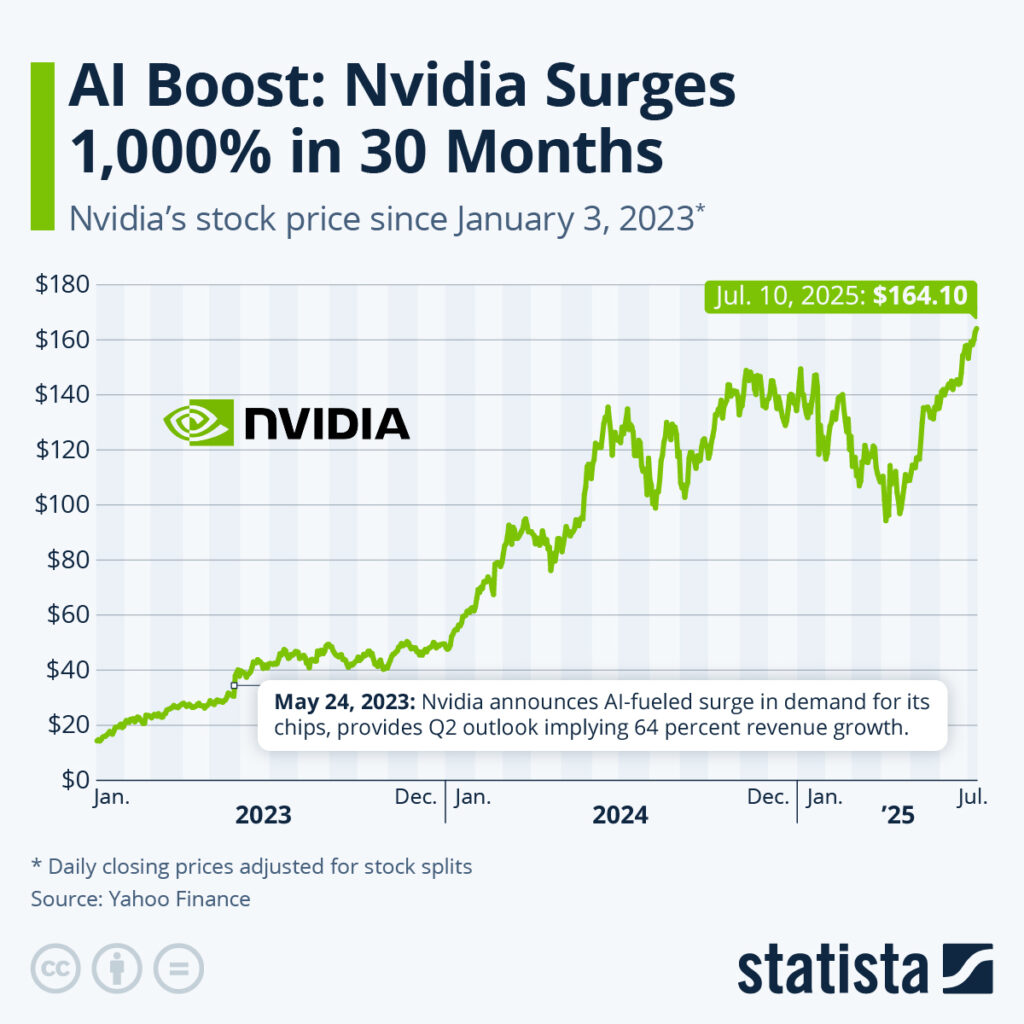
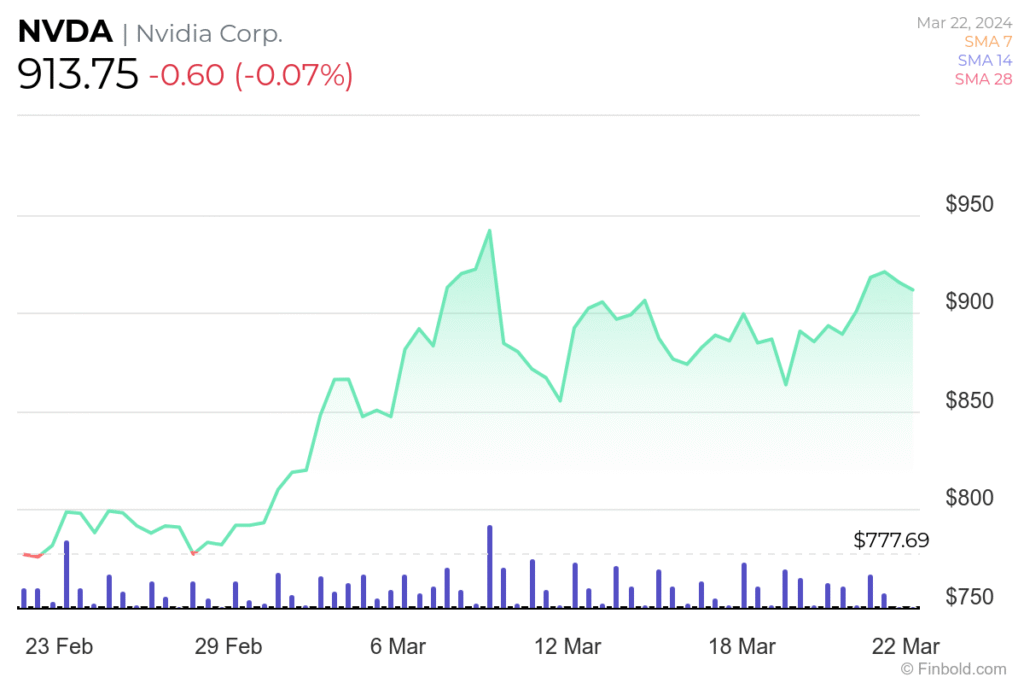
Following the earnings release, Nvidia’s stock responded positively, with shares edging higher in after-hours trading as investors digested the stronger-than-expected results. The earnings beat and upbeat guidance reinforced confidence in Nvidia’s ability to sustain growth in a landscape where AI infrastructure demand continues to expand rapidly.
This performance also carries implications beyond Nvidia itself. As one of the bellwethers of the AI hardware market, Nvidia’s results are often interpreted as a broader signal for the semiconductor industry and enterprise AI investment trends. Strong financials from Nvidia tend to soothe concerns about an AI bubble and reinforce narratives of long-term structural adoption.
Why This Matters Now: Cementing AI Leadership and Investor Confidence
Nvidia’s record results matter at this moment because they help answer key questions about the sustainability of the AI boom and the future of accelerated computing. The company has not only demonstrated exceptional growth but also validated the structural demand for AI infrastructure across sectors. As enterprises continue to invest in AI systems that require powerful compute solutions, Nvidia’s central role in this ecosystem remains crucial.
Investors, technologists, and market watchers are watching for signs of saturation or slowing demand — but Nvidia’s results and outlook suggest that the AI build-out phase has broader legs than many expected. This reinforces both confidence in technology markets and Nvidia’s strategic position at the core of AI computing for years to come.
Subscribe to trusted news sites like USnewsSphere.com for continuous updates.