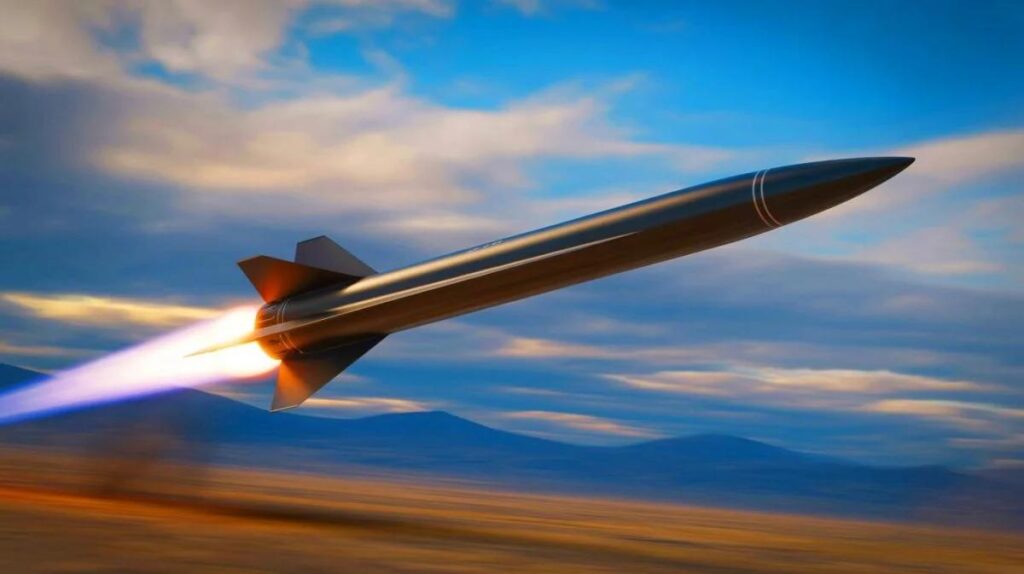
Russia threatens strike on Britain, a development that has quickly escalated global concerns about military conflict between nuclear powers. The warning reportedly comes amid rising tensions between Russia and Western nations over ongoing geopolitical conflicts. Officials linked the threat to Britain’s continued support for Ukraine, including military aid and strategic cooperation. The situation matters now because it signals a dangerous shift from indirect conflict toward confrontation, raising fears across Europe and the United States.
This is not just political rhetoric—it reflects deeper instability in global security. When a major nuclear power publicly discusses striking another NATO member, the risks extend far beyond regional conflict. Financial markets, defense strategies, and diplomatic relations are all impacted instantly.
Escalating Tensions Between Russia and Western Allies
The tension between Russia and Western nations has been building steadily since the Ukraine conflict intensified. Britain has played a key role by supplying advanced weapons, training Ukrainian forces, and supporting sanctions against Russia. These actions have made the UK a visible target in Russia’s narrative.
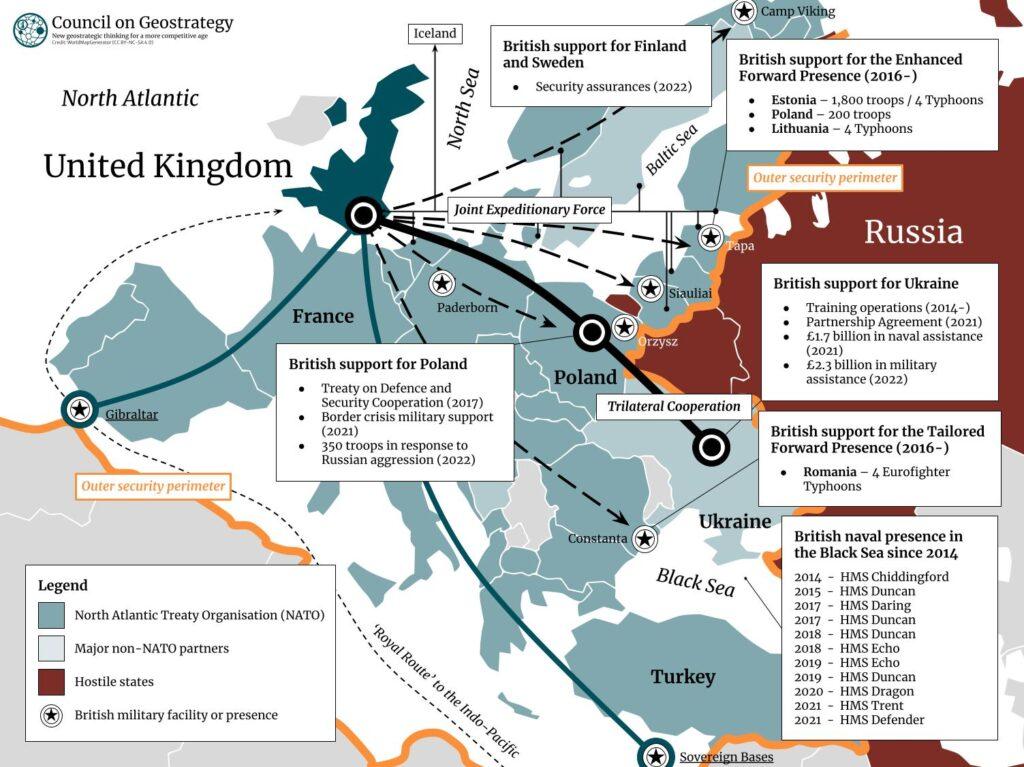
From Moscow’s perspective, Western involvement is seen as direct interference. Russian officials have repeatedly warned that continued military support to Ukraine could lead to broader consequences. The latest threat appears to be part of a pattern where strong language is used to deter further Western involvement while also signaling capability and readiness.
What Triggered the Latest Threat
The immediate trigger for the threat appears to be increased military cooperation between Britain and Ukraine. Reports suggest that advanced missile systems and intelligence-sharing agreements have strengthened Ukraine’s position on the battlefield, frustrating Russian leadership.
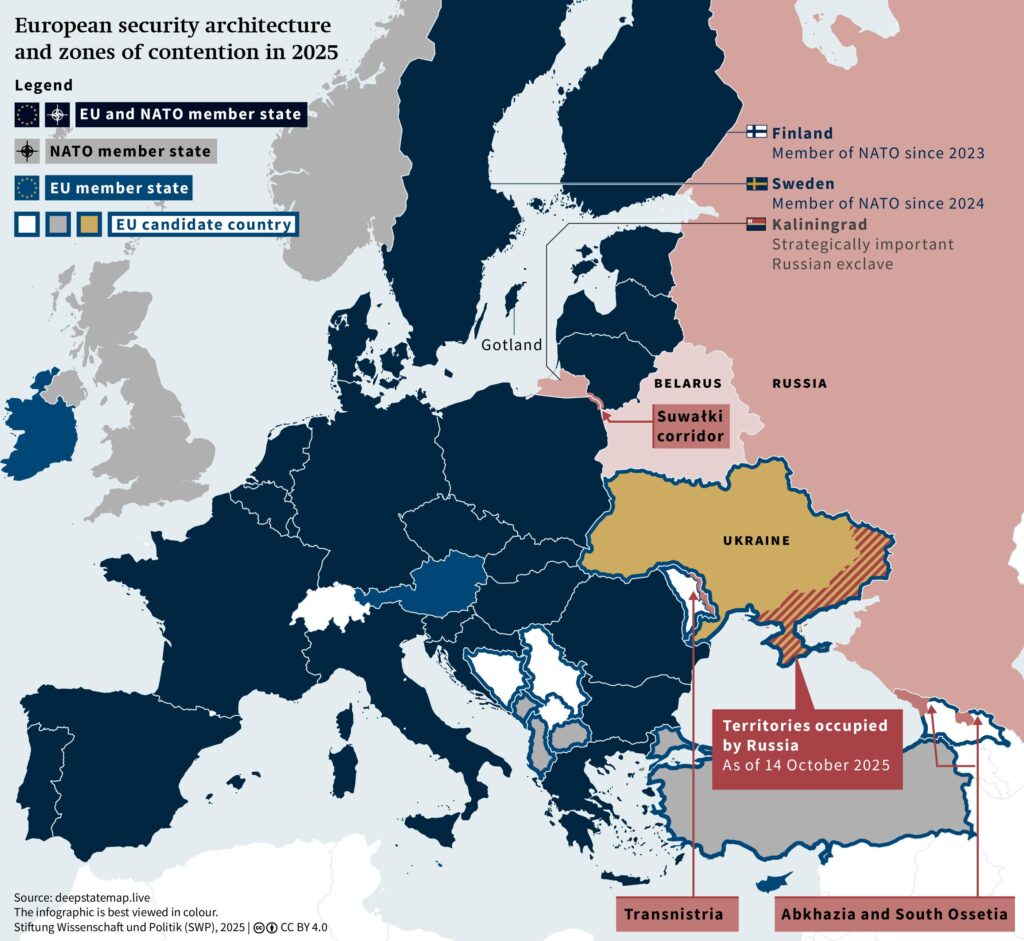
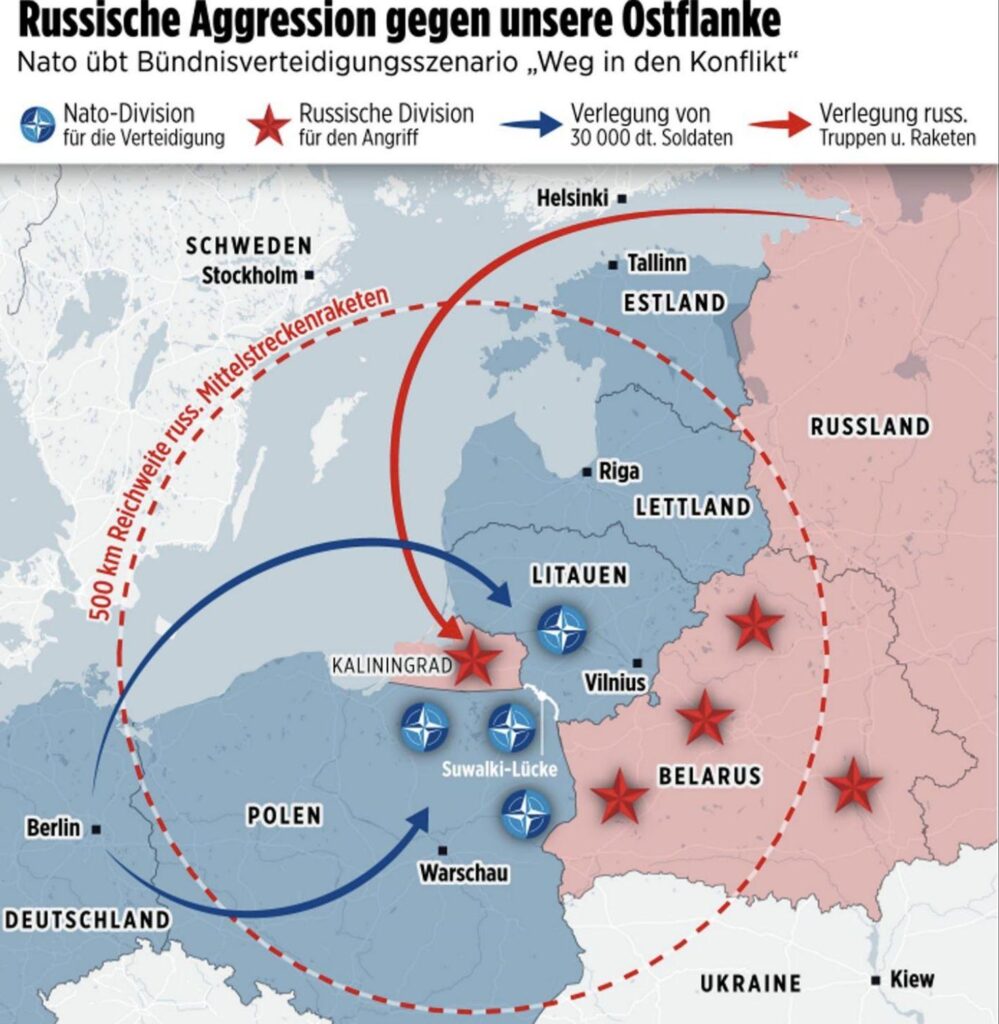
Additionally, NATO exercises and military movements near Eastern Europe have contributed to rising tensions. Russia often interprets these actions as preparation for potential conflict. By issuing a direct warning to Britain, Russia may be attempting to draw a clear line and discourage further escalation.
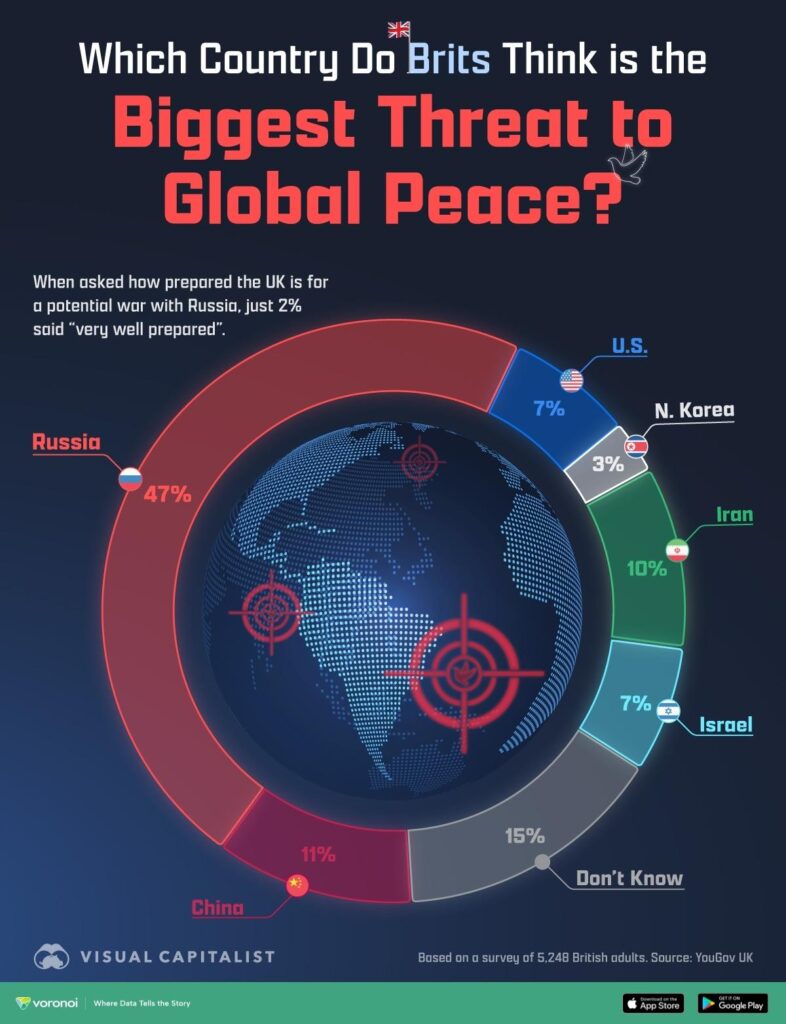
Global Security Risks and Military Implications
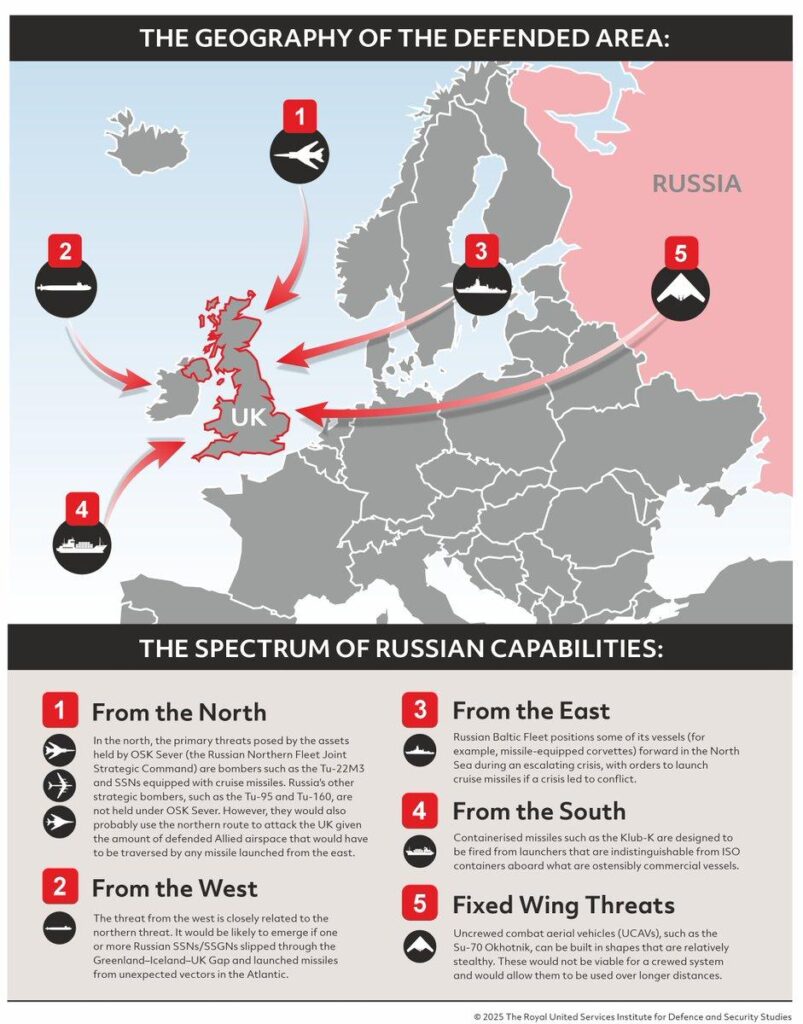
A direct threat between nuclear-armed states significantly increases global security risks. Britain is a key member of NATO, meaning any attack could trigger collective defense mechanisms under Article 5. This would potentially involve multiple countries, including the United States, escalating the situation into a large-scale conflict.
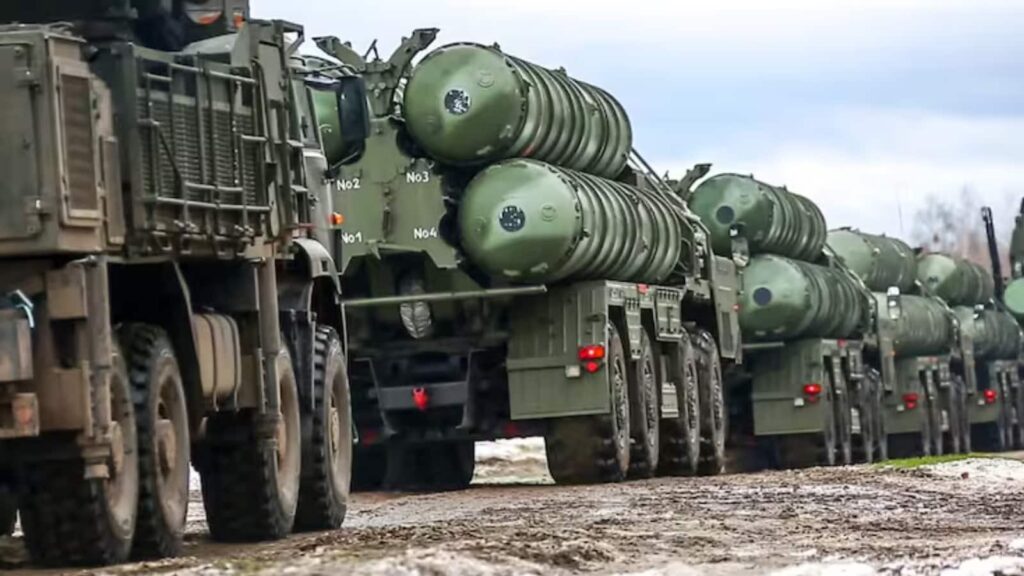
Military analysts warn that even limited strikes or miscalculations could spiral quickly. Modern warfare, especially involving advanced missile systems and cyber capabilities, can escalate faster than traditional conflicts. The possibility of unintended consequences makes this situation particularly dangerous for global stability.
Economic and Political Impact Worldwide
The threat has already begun affecting global markets and political decisions. Investors typically react quickly to geopolitical instability, leading to fluctuations in oil prices, stock markets, and currency values. Defense stocks often rise, while risk-sensitive sectors decline.
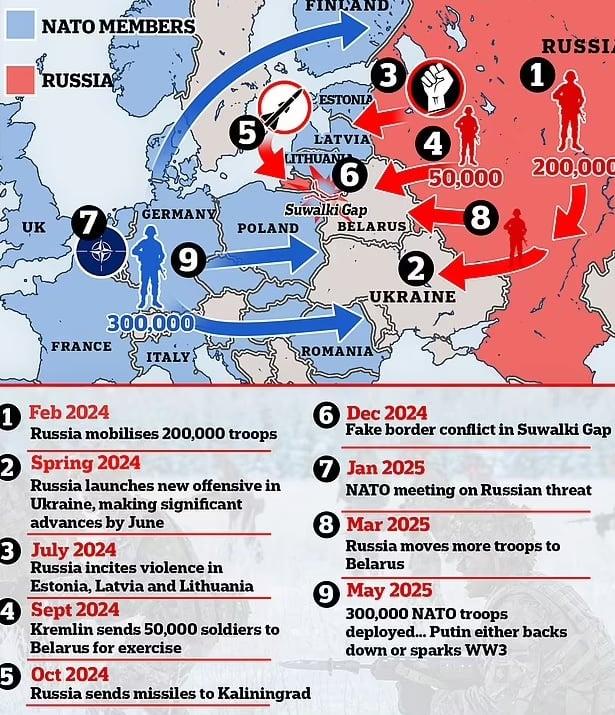
Politically, governments across Europe and North America are reassessing their security strategies. Increased defense spending, stronger alliances, and tighter sanctions could follow. For ordinary citizens, this means potential economic ripple effects such as inflation, energy price increases, and uncertainty in global trade.
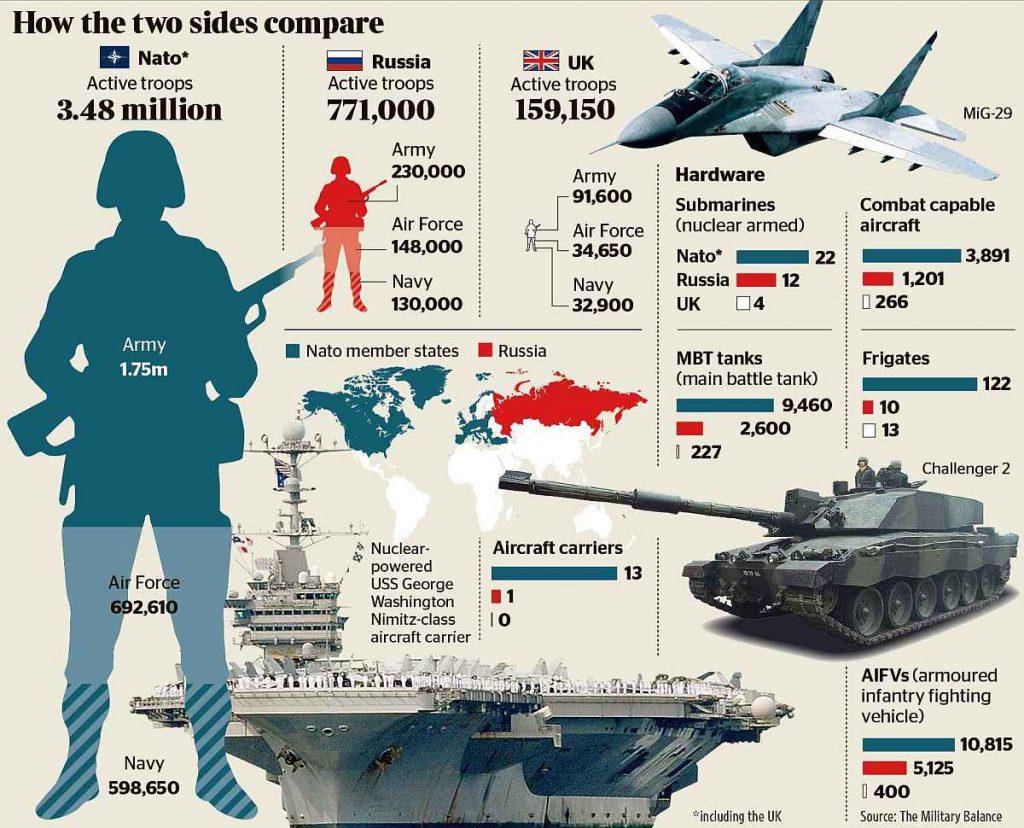
Why This Matters Now for the United States and Europe
For the United States and Europe, this situation is especially critical because it tests the strength of alliances and the effectiveness of deterrence strategies. If threats like this go unanswered, it could encourage further aggressive actions. On the other hand, strong responses risk escalating tensions even further.
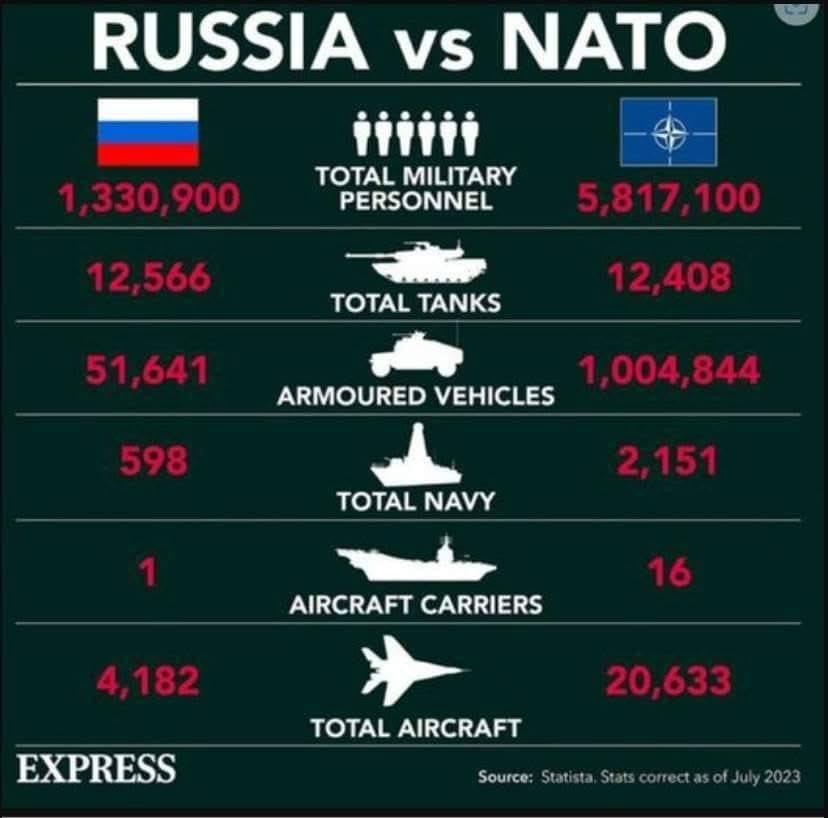
This moment also highlights the fragile balance of global power. The world is shifting from a relatively stable order to a more unpredictable environment where major powers openly challenge each other. For policymakers, the challenge is to prevent conflict while maintaining security commitments.
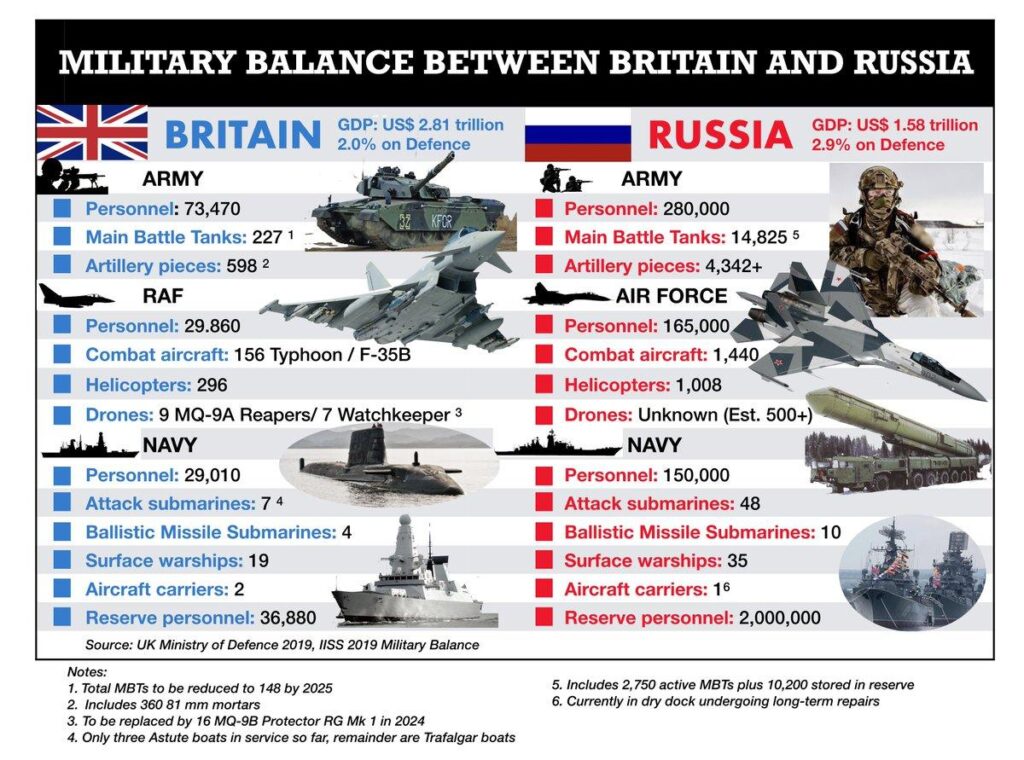
What Happens Next and What to Watch
The next steps will likely involve diplomatic efforts, strategic messaging, and possibly increased military readiness. Governments may push for negotiations to de-escalate tensions, but at the same time prepare for worst-case scenarios.
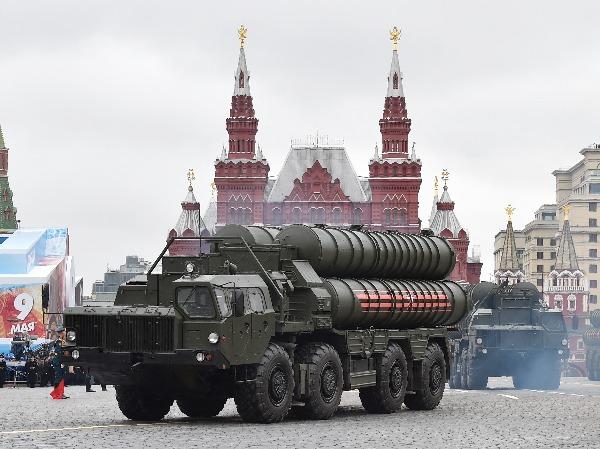
Key developments to watch include:
- Any changes in NATO military posture
- Further statements from the Russian leadership
- Diplomatic talks or emergency meetings
- Movements of military assets in Europe
These indicators will help determine whether the situation stabilizes or continues to escalate.
A Critical Moment for Global Stability
The threat from Russia toward Britain marks a serious turning point in international relations. While it may still be part of strategic signaling, the risks are real and cannot be ignored. The world is watching closely as leaders navigate one of the most tense geopolitical moments in recent years.
For understanding these developments is essential—not just for staying informed, but for recognizing how global events can impact everyday life, from the economy to personal security.
Subscribe to trusted news sites like USnewsSphere.com for continuous updates.