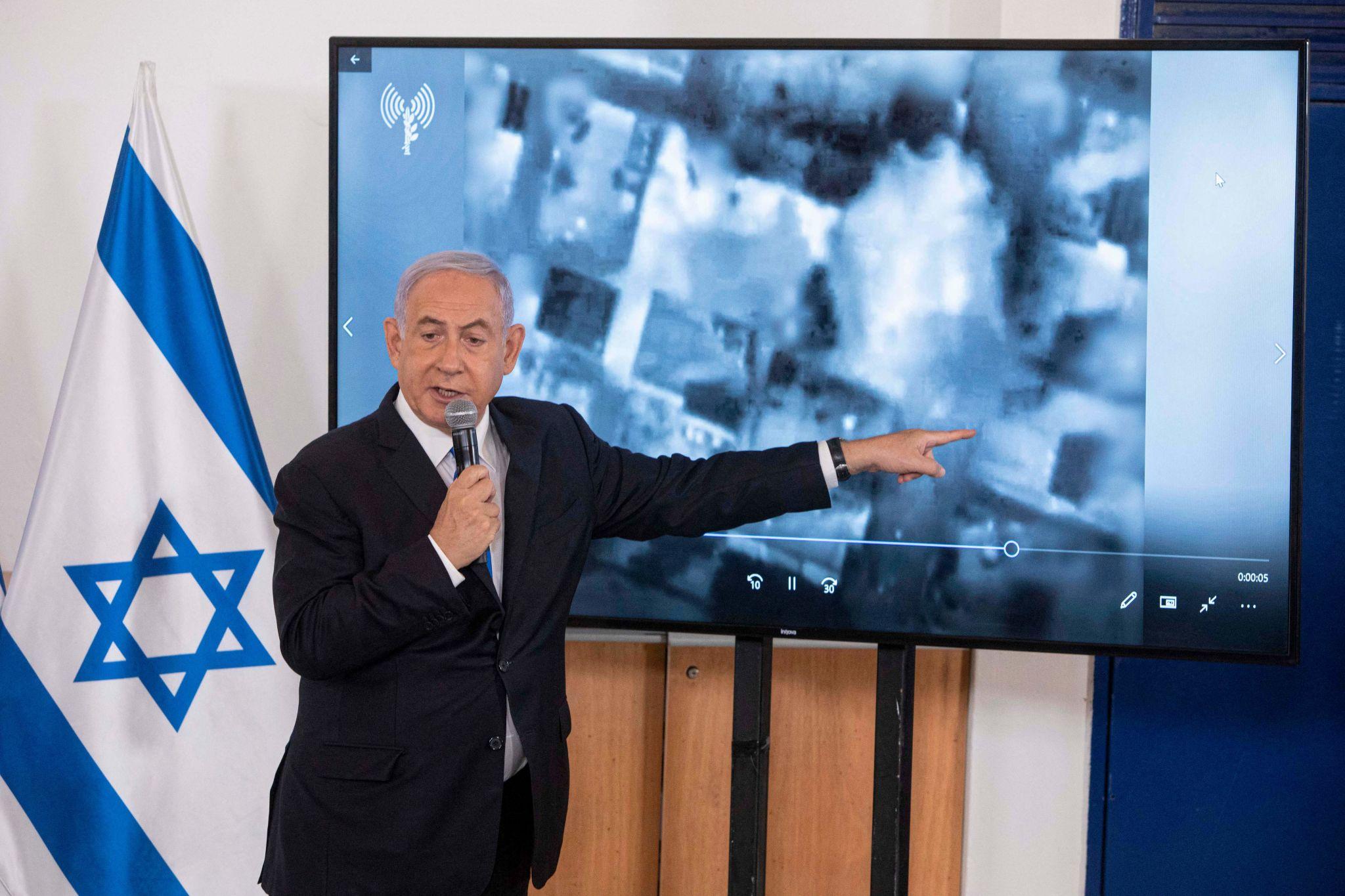
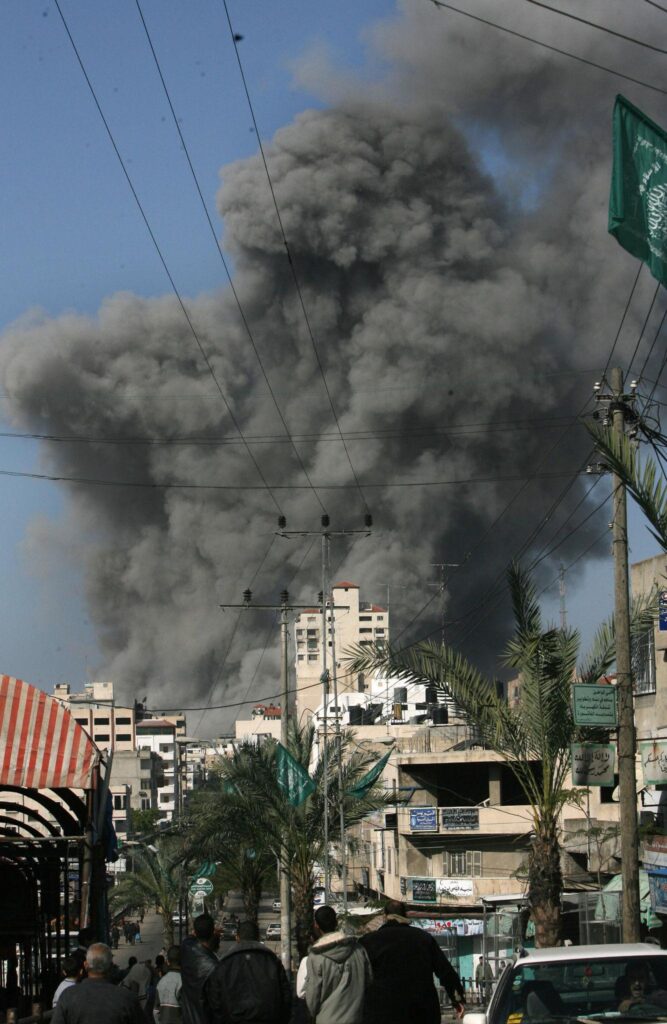
Netanyahu orders Gaza attack — Israel’s Prime Minister Benjamin Netanyahu has directed the Israeli military to escalate operations in Gaza, signaling a new phase of intensified conflict. The move comes amid rising tensions, continued rocket fire, and mounting political pressure within Israel. The decision aims to weaken militant infrastructure but also raises global concerns about civilian safety and regional stability.
This development matters now because it could significantly reshape Middle East security dynamics, impact global oil markets, and influence international diplomacy. With ongoing violence, the situation is evolving rapidly, making it one of the most closely watched geopolitical crises today.
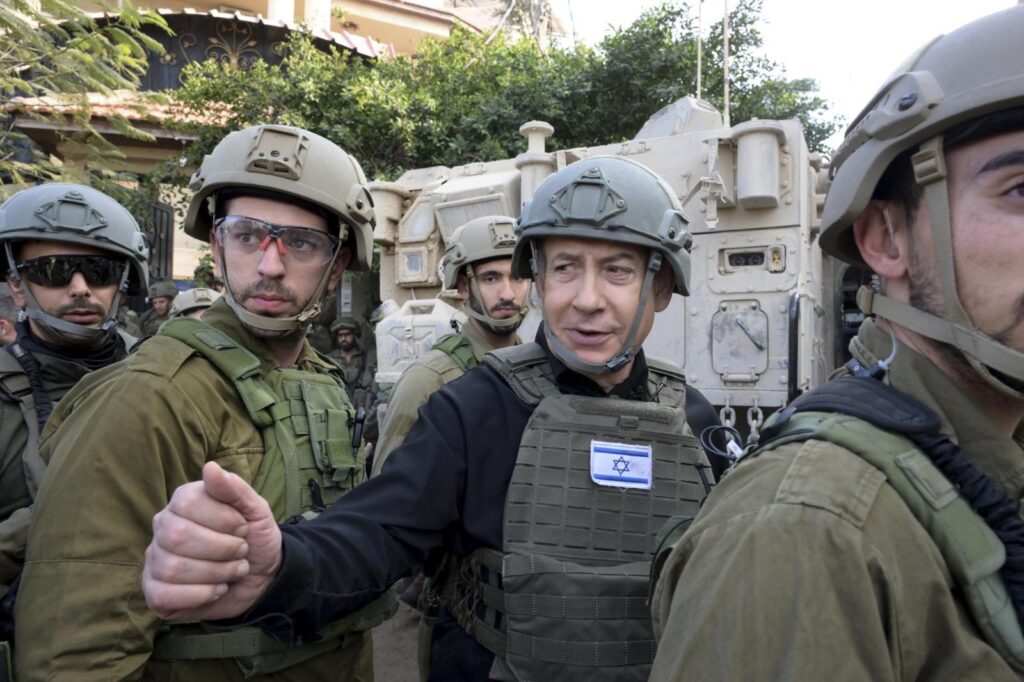
What Led to the Latest Israeli Military Escalation
The latest escalation did not happen in isolation. Over recent weeks, tensions between Israel and Gaza-based militant groups have been rising due to repeated exchanges of fire. Rocket launches targeting Israeli cities triggered retaliatory airstrikes, creating a cycle of violence that intensified daily.
According to multiple reports circulating across global media and discussions on platforms like Reddit, Israel’s leadership faced increasing domestic pressure to respond more aggressively. Security concerns, political expectations, and military strategy combined to push the government toward a more forceful approach.
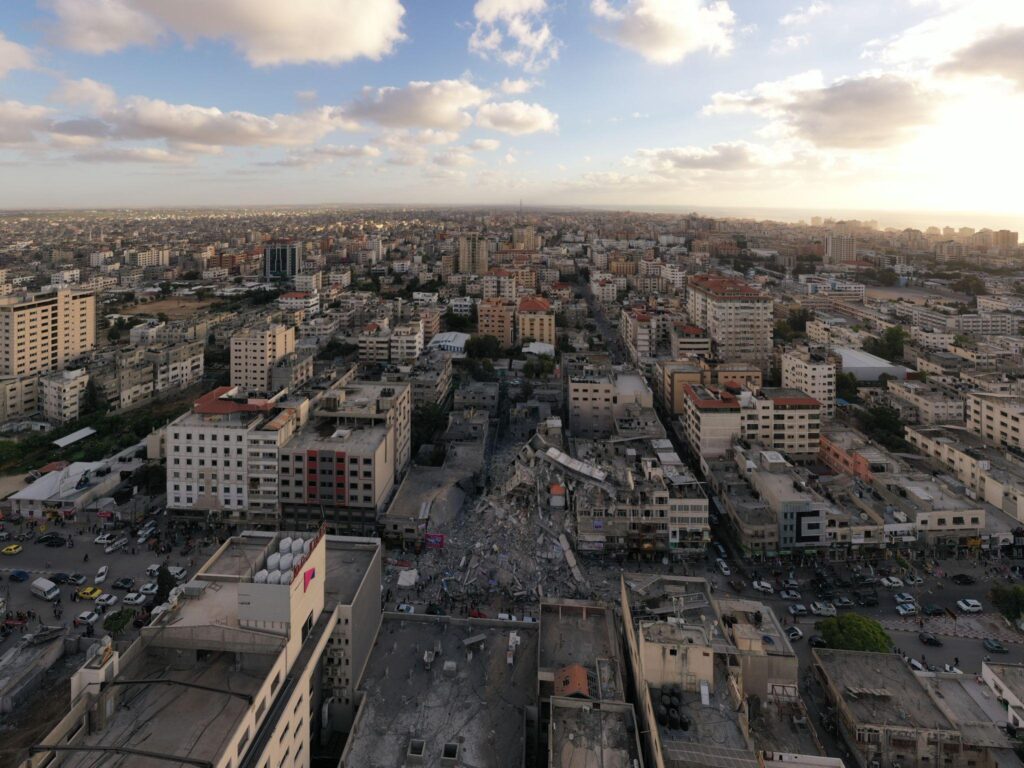
What Netanyahu’s Order Means for Gaza Operations
Netanyahu’s directive to “vigorously attack” signals a shift from limited strikes to broader military operations. This could include expanded airstrikes, targeted operations against militant leadership, and potential ground activity depending on how the situation evolves.
Such actions are designed to disrupt militant capabilities, including weapons storage, command centers, and tunnels. However, intensified operations also increase the risk of civilian casualties, infrastructure damage, and humanitarian challenges within Gaza, which remains one of the most densely populated areas in the world.
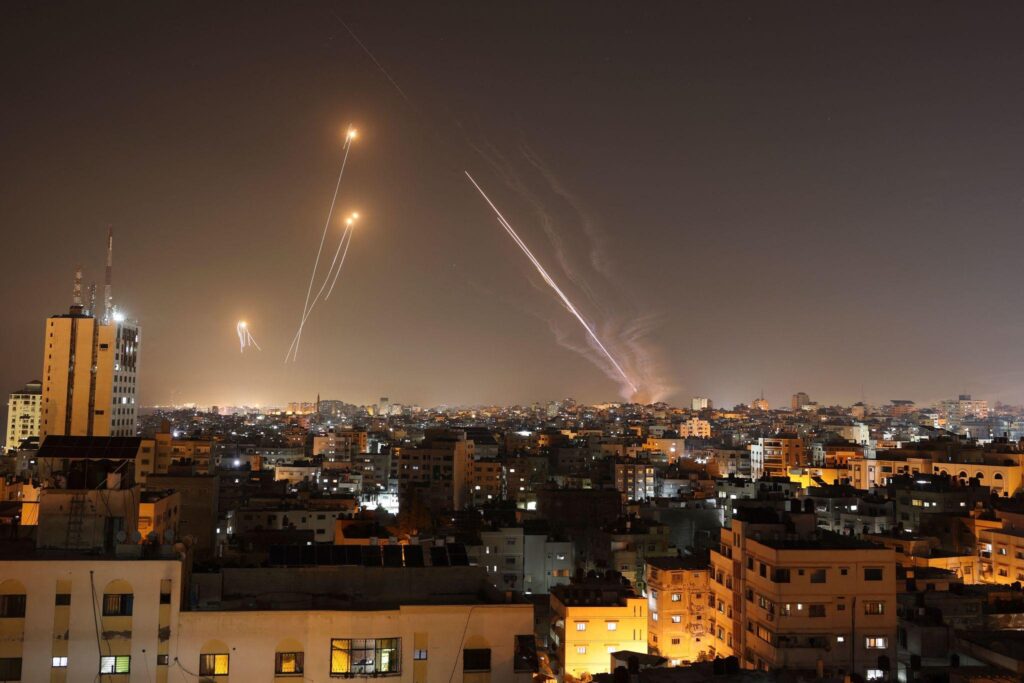
Why This Conflict Is Escalating Now
Several factors explain why the conflict is intensifying at this moment. First, ongoing security threats from militant groups have continued without significant de-escalation. Second, political pressure within Israel often rises during periods of sustained attacks, pushing leaders to demonstrate strong military responses.
Additionally, regional tensions and global geopolitical shifts play a role. The Middle East remains a strategically sensitive region, and any escalation can quickly draw international attention. Timing is also critical, as military decisions often align with both domestic political cycles and external diplomatic conditions.
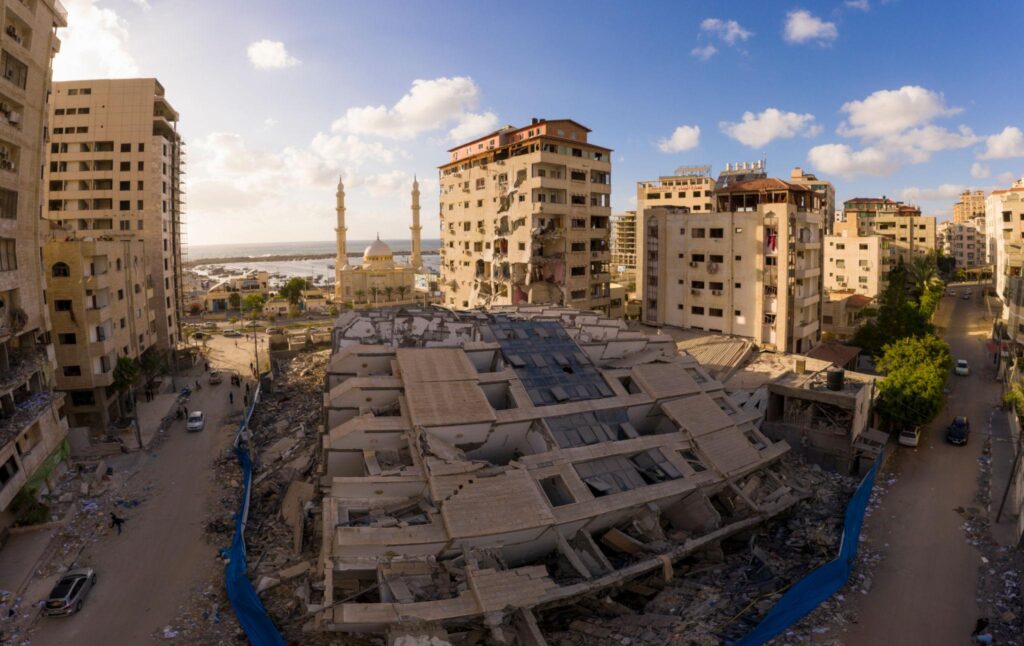
Global Reaction and International Concerns
The international community is closely monitoring the situation, with concerns focused on humanitarian impact and regional stability. Governments and organizations are urging restraint, calling for both sides to avoid actions that could further escalate the conflict.
At the same time, major global powers are balancing diplomatic responses with strategic interests. The conflict has implications beyond the region, including potential disruptions to energy markets, shifts in alliances, and increased geopolitical tensions.
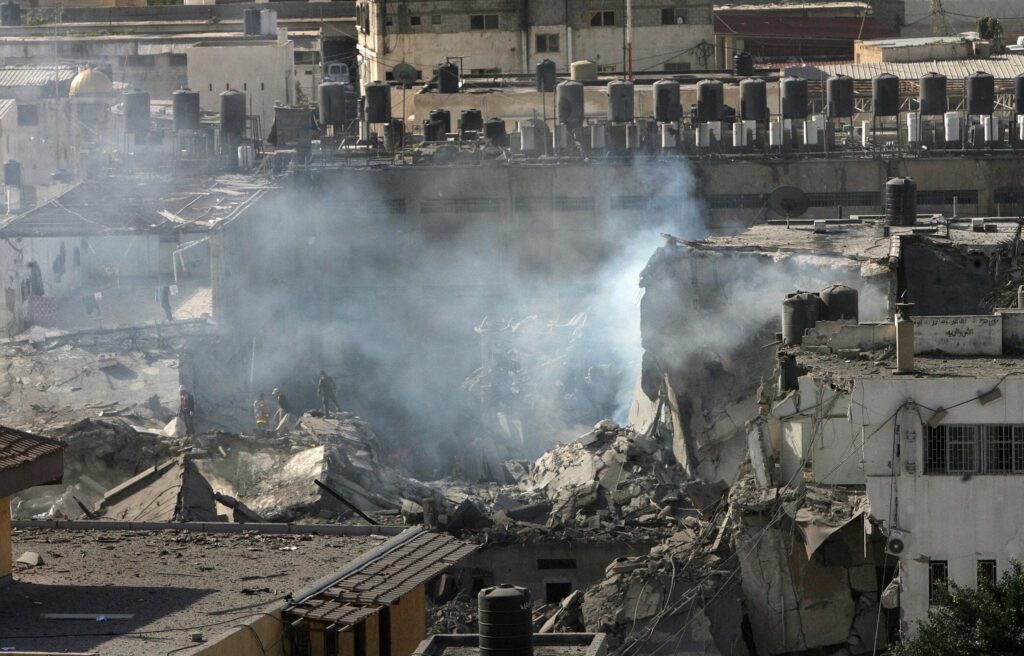
Impact on Civilians and Regional Stability
The human cost of the conflict remains one of the most urgent concerns. Civilians in both Israel and Gaza face immediate risks from ongoing violence. In Gaza, infrastructure damage and limited resources can quickly lead to humanitarian crises, including shortages of medical supplies, electricity, and clean water.
For Israel, continued rocket threats disrupt daily life, impact economic activity, and create widespread uncertainty. The longer the conflict continues, the greater the risk of broader regional instability, potentially involving neighboring countries or triggering wider geopolitical consequences.
What Could Happen Next
The situation remains highly unpredictable. Several scenarios are possible, including continued escalation, a temporary ceasefire, or international mediation efforts to reduce tensions. Military strategies on both sides will likely evolve based on immediate developments on the ground.
Observers note that prolonged conflict could lead to deeper economic and political consequences, not just locally but globally. The coming days will be critical in determining whether tensions ease or intensify further.
Why This Matters for Global Audiences
This conflict is not just a regional issue—it has global implications. Financial markets, energy prices, and international relations can all be influenced by developments in the Middle East. For readers in the United States and Europe, understanding these events is essential because they can indirectly affect economic stability and foreign policy decisions.
Moreover, the digital age amplifies the impact of such events. News spreads rapidly, shaping public opinion and influencing policy responses worldwide. Staying informed with accurate, well-analyzed information is more important than ever.
Key Takeaways for Readers
Netanyahu’s order marks a significant escalation in an already volatile conflict. The situation highlights the complexity of Middle East geopolitics, where security, politics, and humanitarian concerns intersect.
As events continue to unfold, the focus will remain on whether diplomatic efforts can prevent further escalation or if the conflict will deepen, affecting millions of lives and global stability.
Subscribe to trusted news sites like USnewsSphere.com for continuous updates.