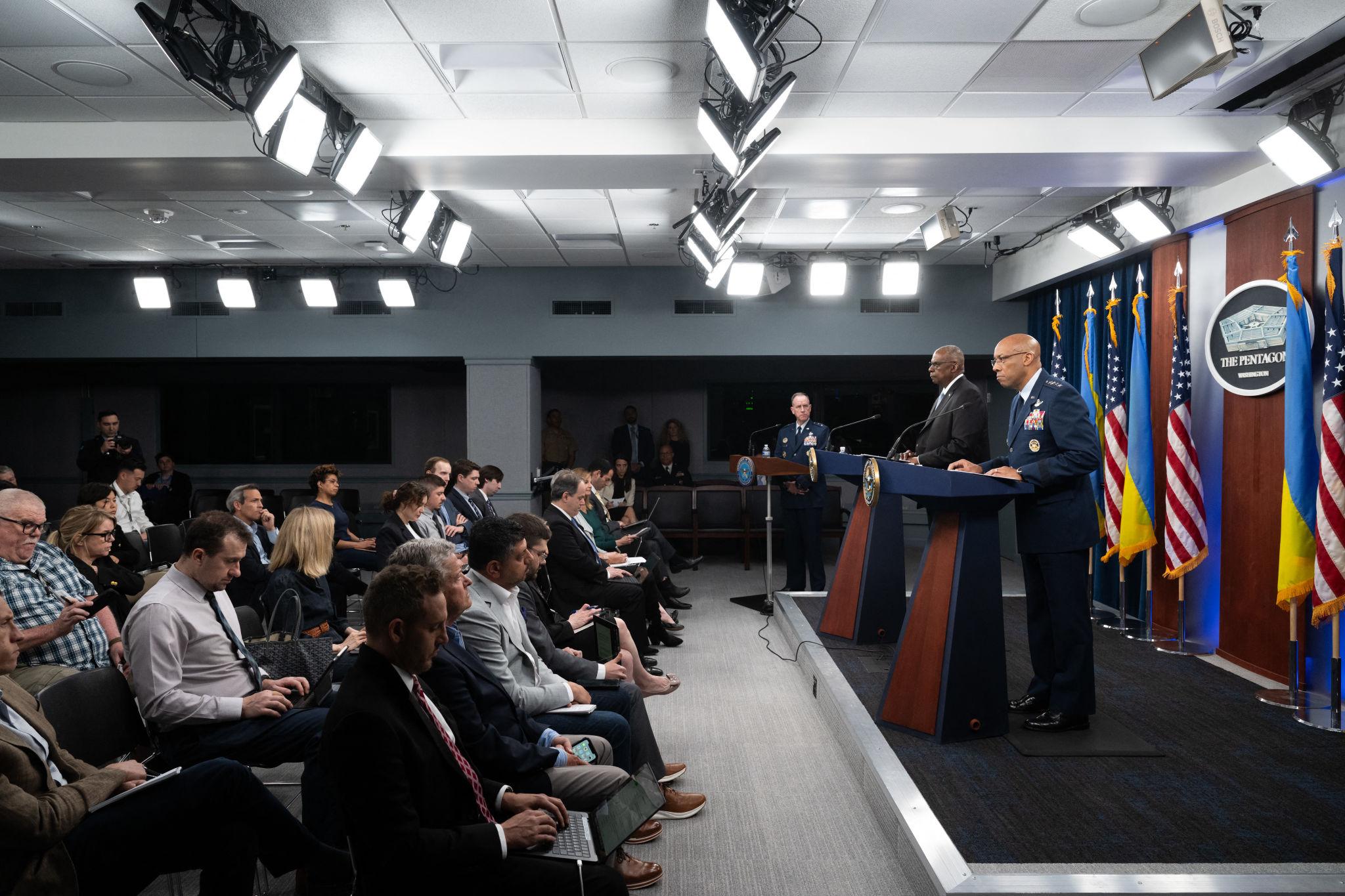
USA Preparing for Major War? Car Companies Asked to Make Weapons — This question is rapidly gaining attention after reports and discussions suggested that the United States may be urging major automotive manufacturers to prepare for potential defense production. The topic has sparked debate across media and policy circles. Who is involved? Primarily the U.S. government and major automakers. What is happening? Early-stage discussions about industrial readiness for military supply chains. Why now? Rising global tensions and supply chain vulnerabilities. What’s the impact? Potential reshaping of manufacturing priorities and economic strategy.
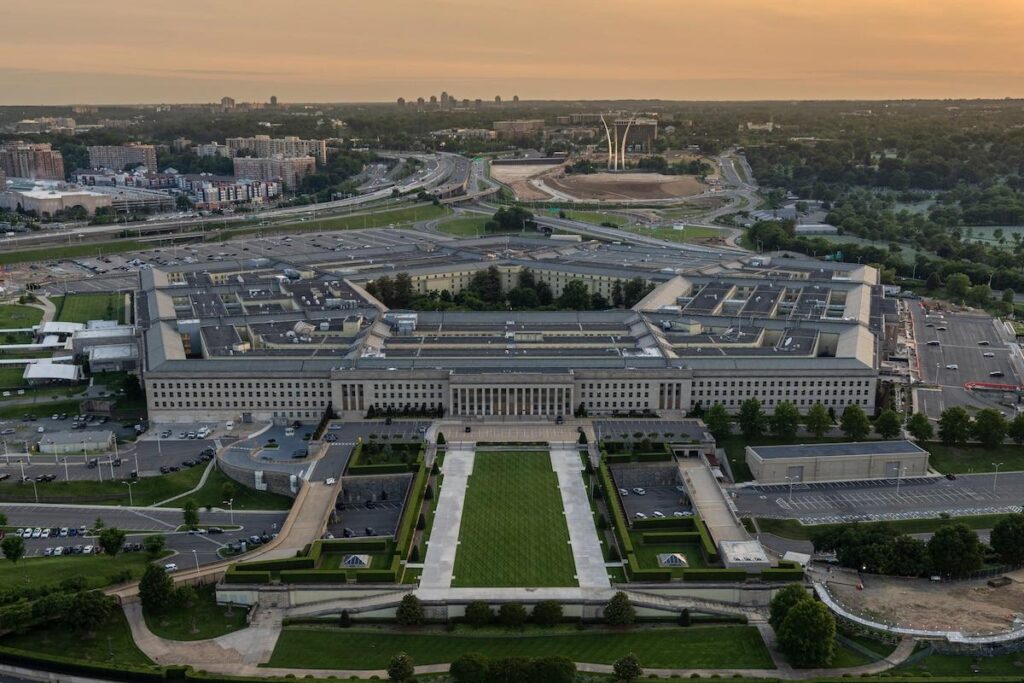
Rising Global Tensions Are Driving Strategic Industrial Planning
Recent geopolitical developments, including conflicts in Eastern Europe and increasing tensions in the Indo-Pacific region, have pushed governments to rethink their defense readiness. The United States is no exception. While there is no official declaration of imminent war, policymakers are focusing heavily on preparedness.
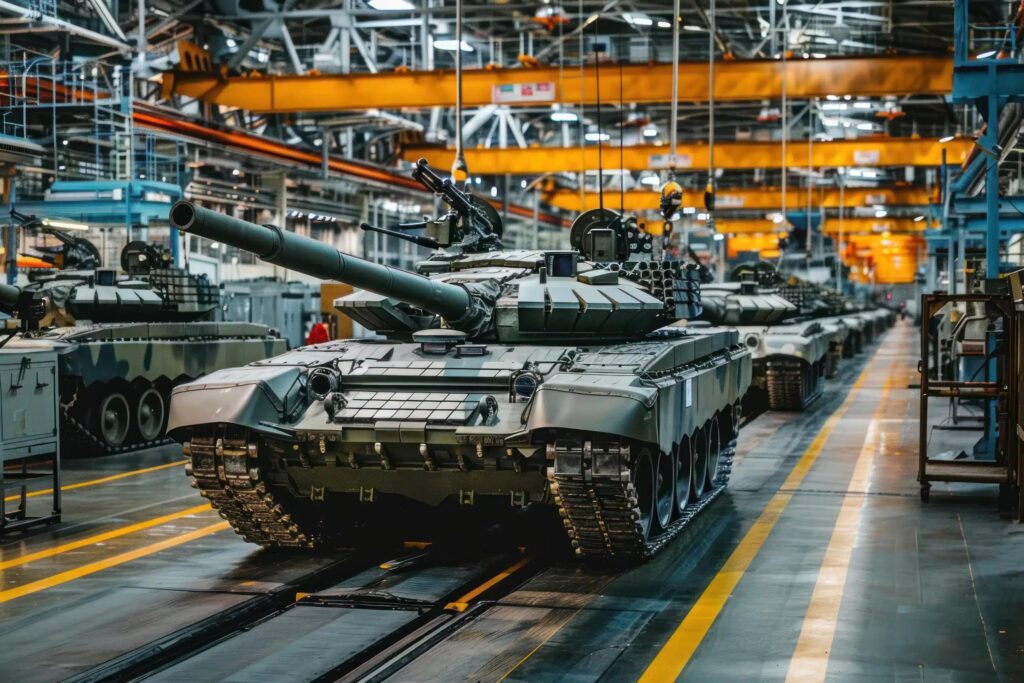
One key area of concern is the ability to quickly scale production of military equipment. Historically, during major conflicts like World War II, American automakers shifted from civilian vehicles to tanks, aircraft, and military trucks. Today, a similar concept is being revisited—not as an immediate action, but as a contingency plan.
Why Car Companies Are Being Considered for Defense Production
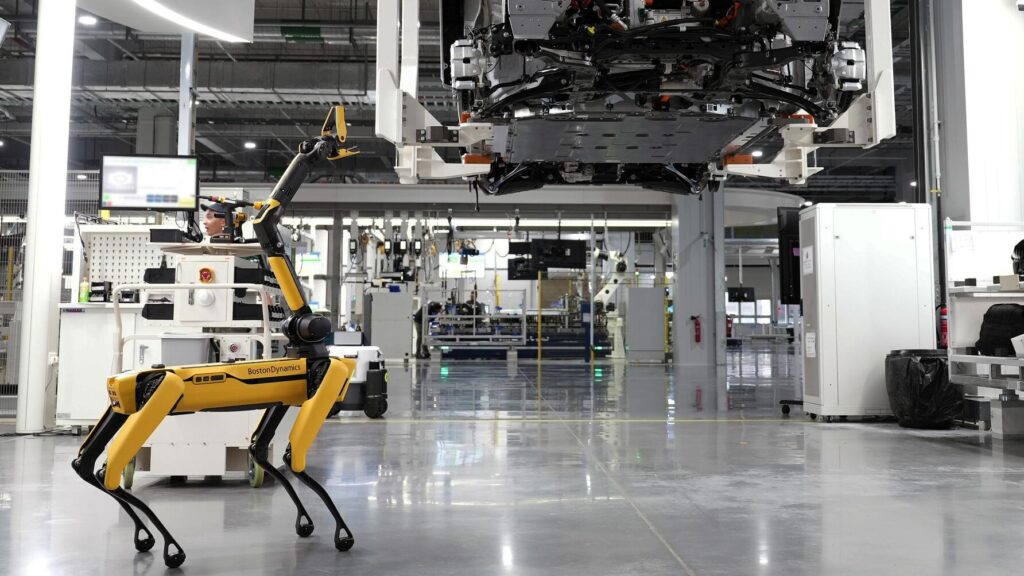
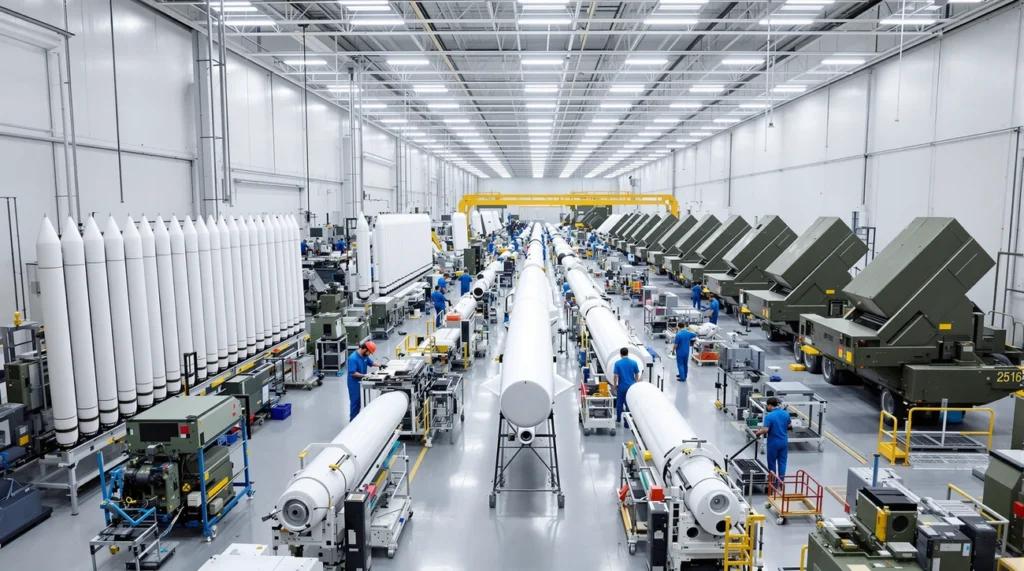
Modern car manufacturers have highly advanced production capabilities, including robotics, supply chain networks, and precision engineering. These capabilities make them ideal candidates for rapid conversion into defense manufacturing hubs if needed.
Automakers already produce complex systems involving electronics, sensors, and AI-driven components—many of which overlap with modern military technology. By leveraging existing infrastructure, the government could significantly reduce the time required to ramp up defense production during a crisis.
Additionally, involving private-sector companies helps distribute risk and ensures a more resilient supply chain, especially in situations where traditional defense contractors may face bottlenecks.
The Role of Supply Chain Disruptions in This Strategy
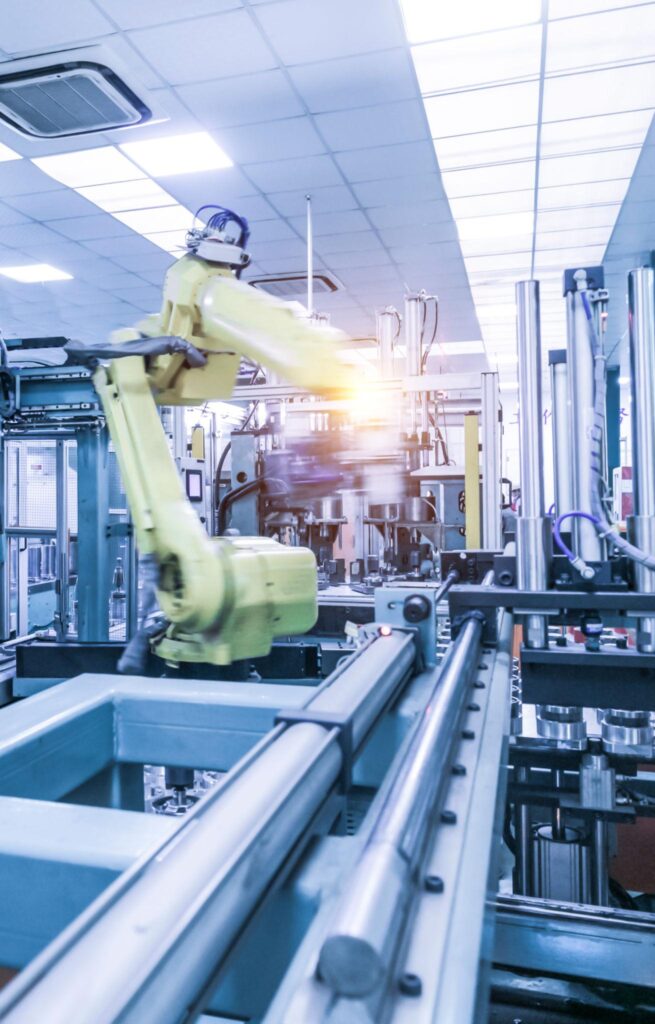
One of the biggest lessons from recent global events—including the COVID-19 pandemic and semiconductor shortages—is that supply chains can break down quickly. For defense, this is a critical vulnerability.
If key components like chips, metals, or electronics are delayed or restricted, military readiness could be compromised. By preparing automakers to step in, the U.S. aims to create a backup system that can maintain production continuity.
This approach is not just about war—it’s about resilience. Governments are increasingly focusing on “dual-use” manufacturing capabilities, where industries can serve both civilian and defense needs depending on the situation.
Economic Impact: Opportunity or Risk for the Auto Industry?
For car companies, this shift could present both opportunities and challenges. On one hand, defense contracts can be highly lucrative, providing stable revenue streams even during economic downturns. On the other hand, transitioning production lines can be costly and complex.
There is also the question of brand perception. Consumers may react differently if their favorite car brand becomes associated with military production. Companies will need to balance commercial interests with national priorities carefully.
However, analysts suggest that early planning and clear communication could help mitigate these risks. If handled correctly, this strategy could strengthen both national security and industrial growth.
Why This Matters Now More Than Ever
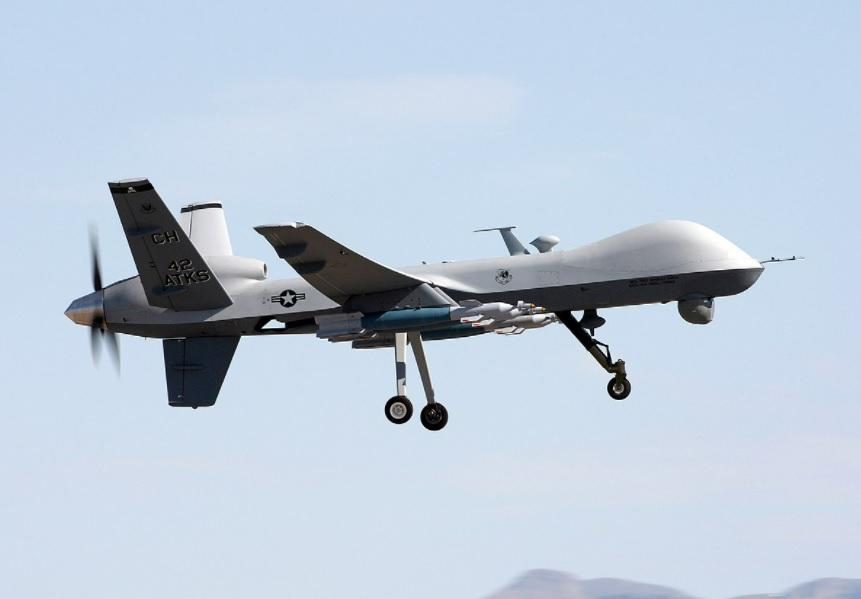
The global landscape is changing rapidly, with increasing competition between major powers and growing uncertainty in international relations. In this environment, preparedness is becoming a top priority for governments worldwide.
For the United States, ensuring that its industrial base can support defense needs is a strategic necessity. This doesn’t mean war is imminent—but it does mean that leaders are taking proactive steps to avoid being unprepared.
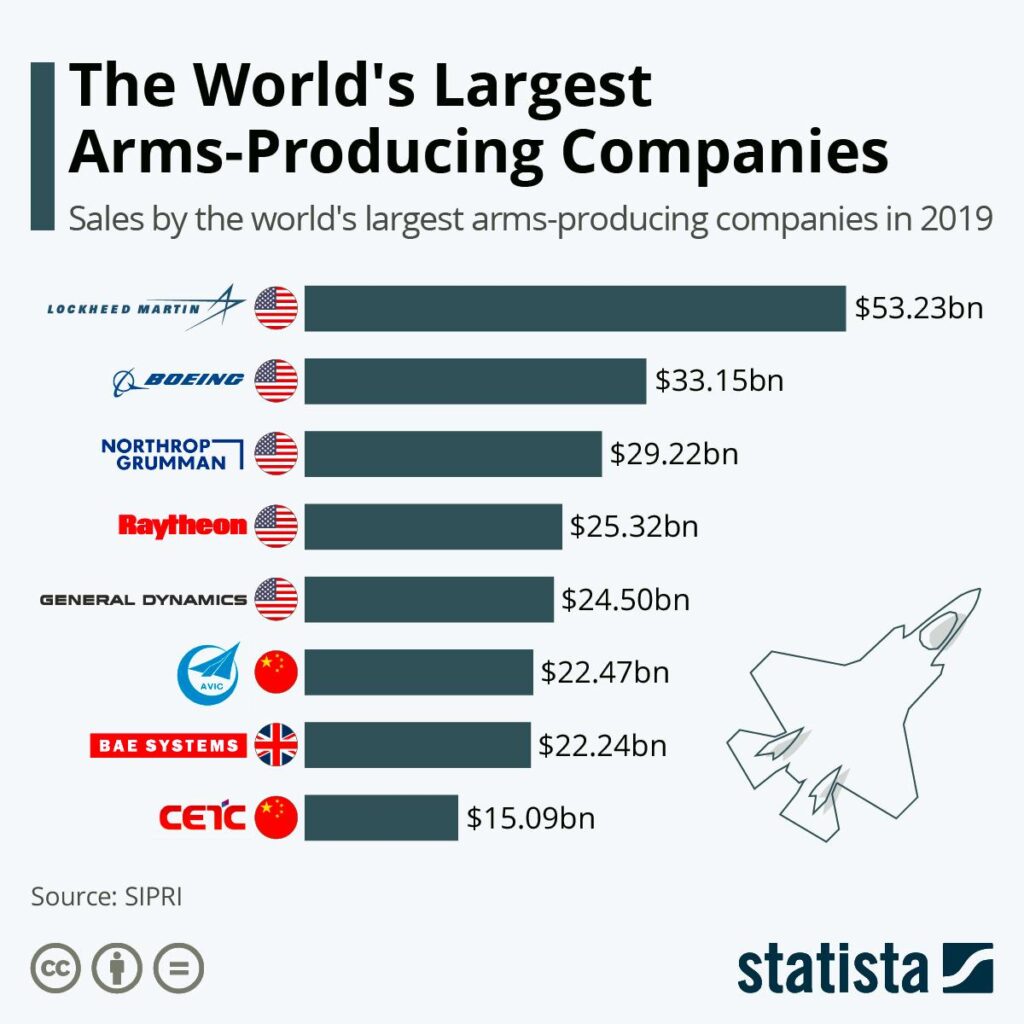
The concept of “economic warfare” is also gaining traction, where control over manufacturing and resources becomes as important as traditional military strength. In this context, involving car companies is a forward-thinking move.
What Happens Next: Monitoring Policy and Industry Signals
At this stage, there is no confirmed large-scale shift of automakers into weapons production. However, discussions and planning efforts indicate that the groundwork is being laid for such a possibility.
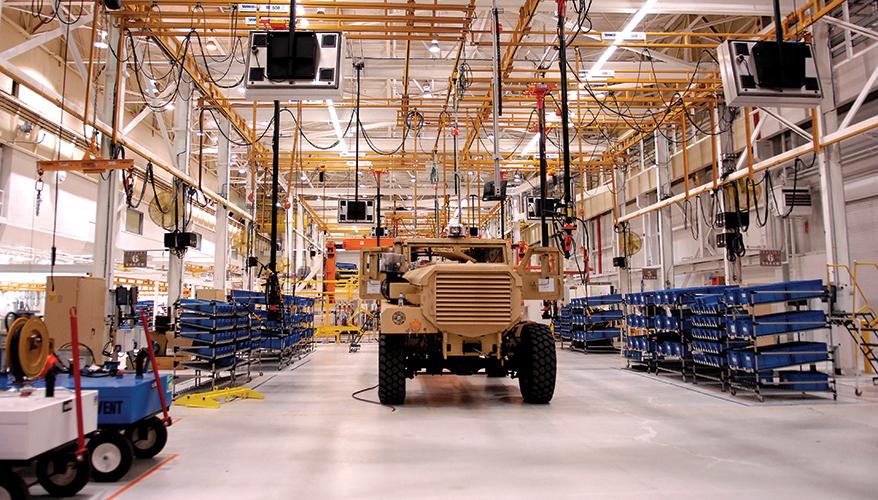
Key indicators to watch include government contracts, policy announcements, and changes in manufacturing investments. If tensions escalate globally, these plans could move from theory to reality much faster than expected.
For investors, staying informed is crucial. This development could influence not only defense strategy but also stock markets, global trade, and technological innovation.
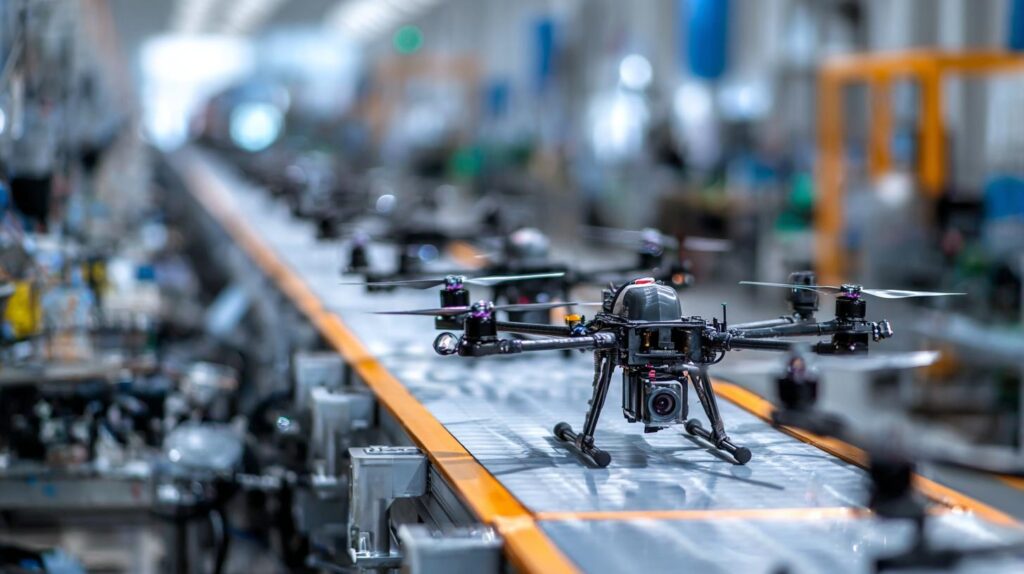
Final Insight: A Strategic Move, Not a War Signal
While headlines may suggest dramatic scenarios, the reality is more nuanced. The U.S. exploring partnerships with car companies for defense production is about preparedness, not panic.
It reflects a broader shift toward flexible, resilient economies capable of adapting to uncertain futures. Whether or not these plans are ever fully implemented, they highlight the importance of being ready for any scenario in an increasingly complex world.
Subscribe to trusted news sites like USnewsSphere.com for continuous updates.