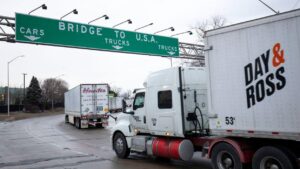
Global Trade Risk Alert: How Iran Conflict Could Disrupt Oil Supply Chains and US Economy is rapidly becoming one of the most critical financial and geopolitical topics in 2026, as tensions in the Middle East raise serious concerns about oil supply disruptions, rising energy prices, and economic instability in the United States and worldwide.
This issue matters now more than ever because global markets are highly sensitive to oil supply shocks. Even small disruptions in key shipping routes like the Strait of Hormuz can trigger spikes in oil prices, which directly impact inflation, transportation costs, and consumer spending across the US economy.
In this article, you will gain a complete understanding of how the Iran conflict could reshape global oil supply chains, what it means for the US economy, how markets are reacting, and what investors and businesses should expect in the coming months.
Oil Supply Chains: How the Iran Conflict Threatens Global Oil Supply Chains
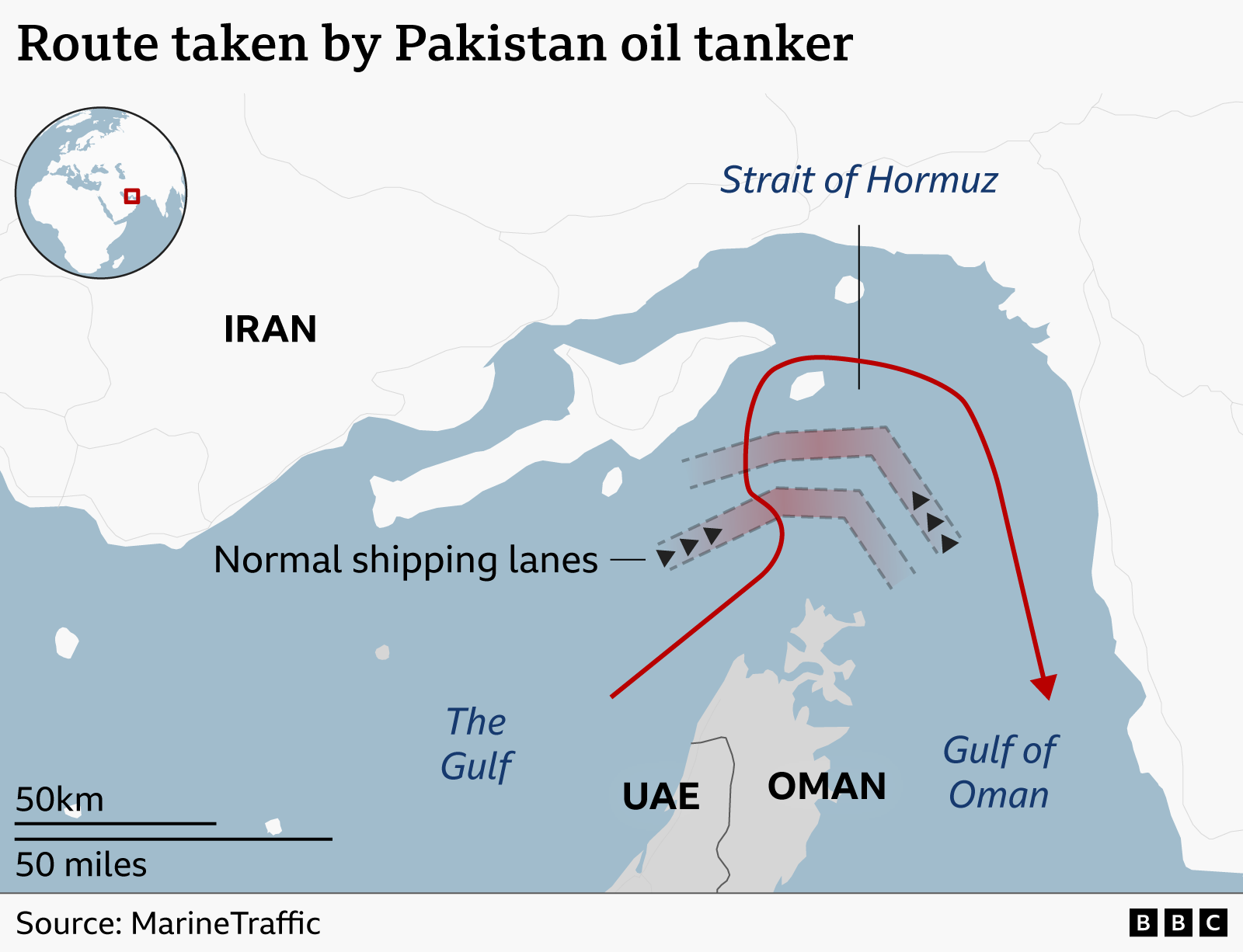

The Middle East remains the backbone of global oil production, supplying nearly one-third of the world’s crude oil. Any escalation involving Iran immediately raises concerns about disruptions in key export routes, especially the Strait of Hormuz, through which a significant portion of global oil shipments pass daily.
If tensions escalate further, there is a real risk of shipping delays, increased insurance costs for tankers, or even partial blockades. These disruptions can reduce supply availability in global markets, creating immediate upward pressure on oil prices.
Beyond physical disruptions, market psychology also plays a major role. Traders react quickly to geopolitical risks, often pushing oil prices higher even before actual supply shortages occur. This amplifies volatility and creates ripple effects across global trade networks.
Rising Oil Prices and the Direct Impact on the US Economy
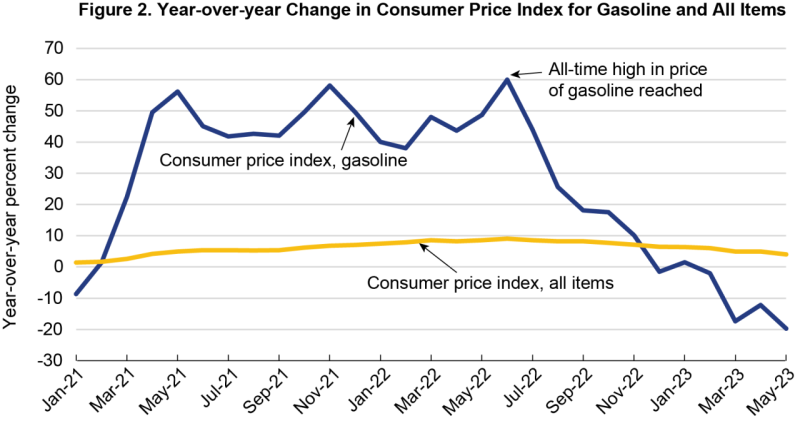

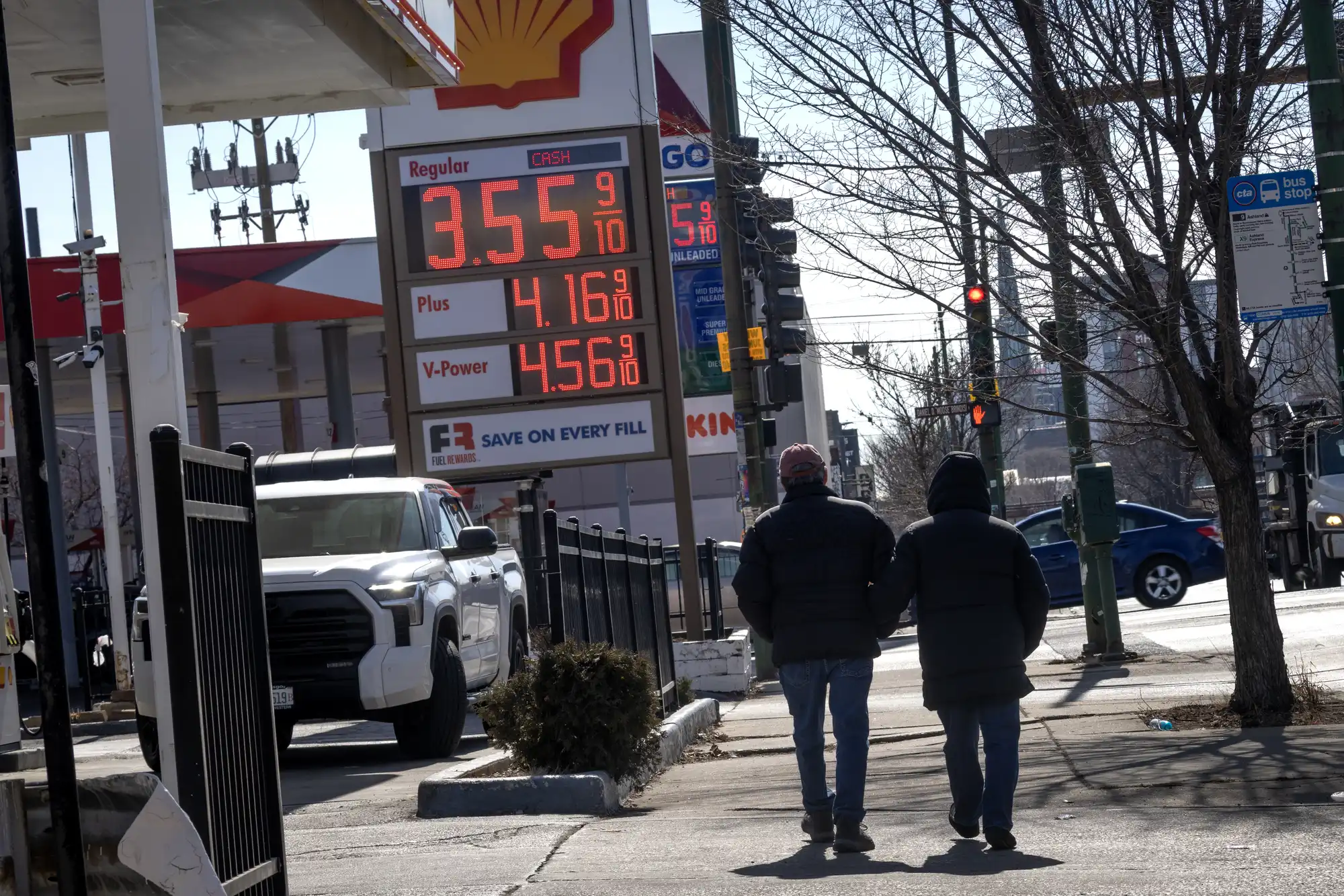
Higher oil prices directly translate into increased fuel costs for American consumers. Gasoline prices at the pump often rise quickly during geopolitical crises, reducing disposable income and slowing consumer spending.
In addition, businesses face higher transportation and production costs. Industries such as airlines, logistics, manufacturing, and agriculture are particularly sensitive to fuel price increases, which can lead to higher prices for goods and services.
This creates a chain reaction in the economy. As costs rise, inflation increases, forcing policymakers to reconsider interest rate strategies. For US households already dealing with elevated living costs, this adds further financial pressure.
Market Reaction: Stocks, Bonds, and Investor Sentiment

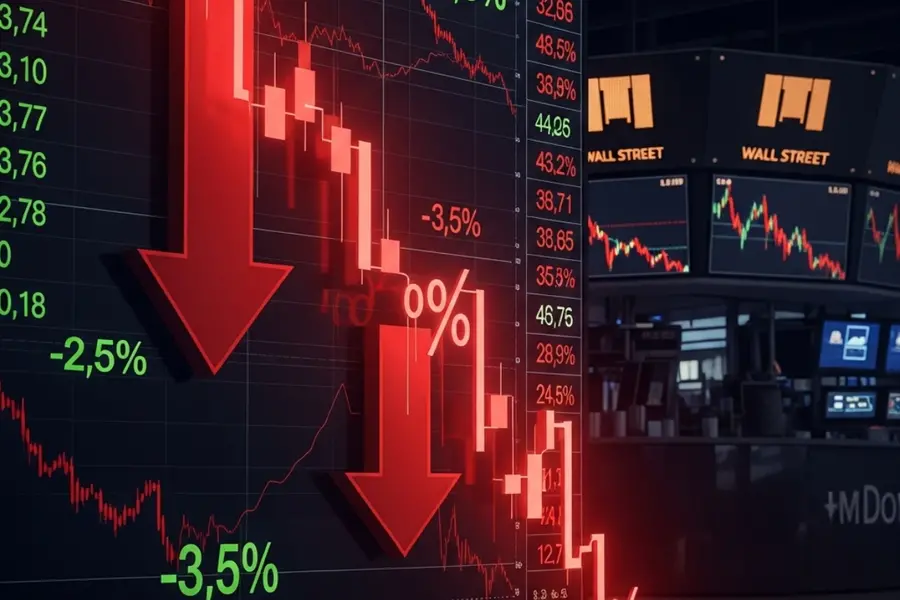

Financial markets tend to react quickly to geopolitical uncertainty. During periods of rising tensions, stock markets often experience increased volatility, with investors moving away from riskier assets.
Sectors heavily dependent on energy costs, such as transportation and manufacturing, may face declines. At the same time, energy companies often benefit from rising oil prices, creating sector-specific opportunities.
Investors typically shift toward safe-haven assets such as gold and US Treasury bonds during uncertain times. This shift reflects a broader trend of risk aversion and highlights the importance of defensive investment strategies.
Inflation, Interest Rates, and Policy Challenges
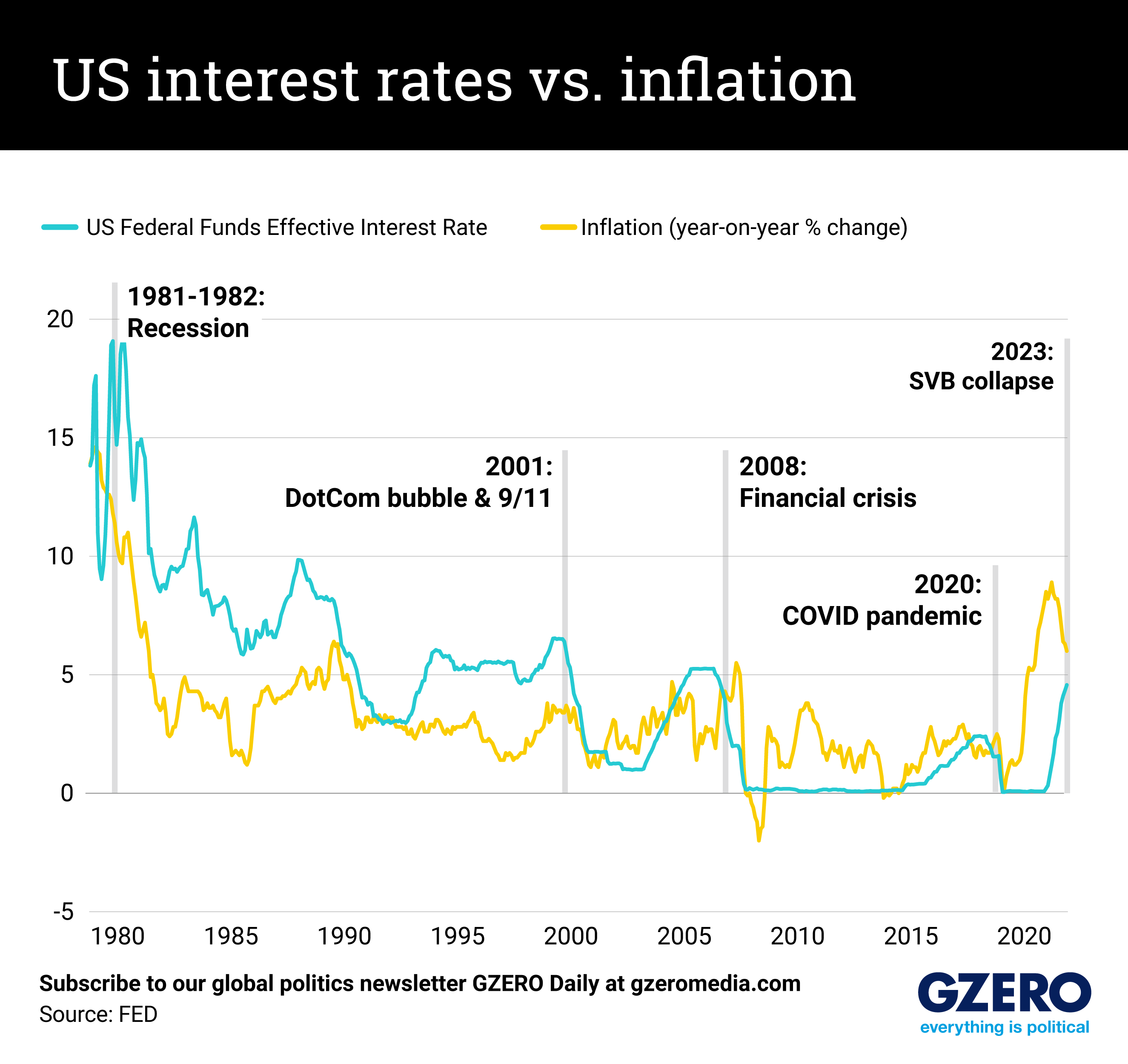


One of the most significant risks of rising oil prices is inflation. Energy costs are a major component of overall inflation, and sustained increases can push inflation higher across the economy.
For policymakers, this creates a difficult situation. The Federal Reserve may need to keep interest rates higher for longer to control inflation, even if economic growth slows. This balancing act can lead to increased uncertainty in financial markets.
Higher interest rates also affect borrowing costs, including mortgages, business loans, and credit. This can slow down investment and spending, potentially leading to broader economic challenges.
Global Trade Disruptions and Supply Chain Risks
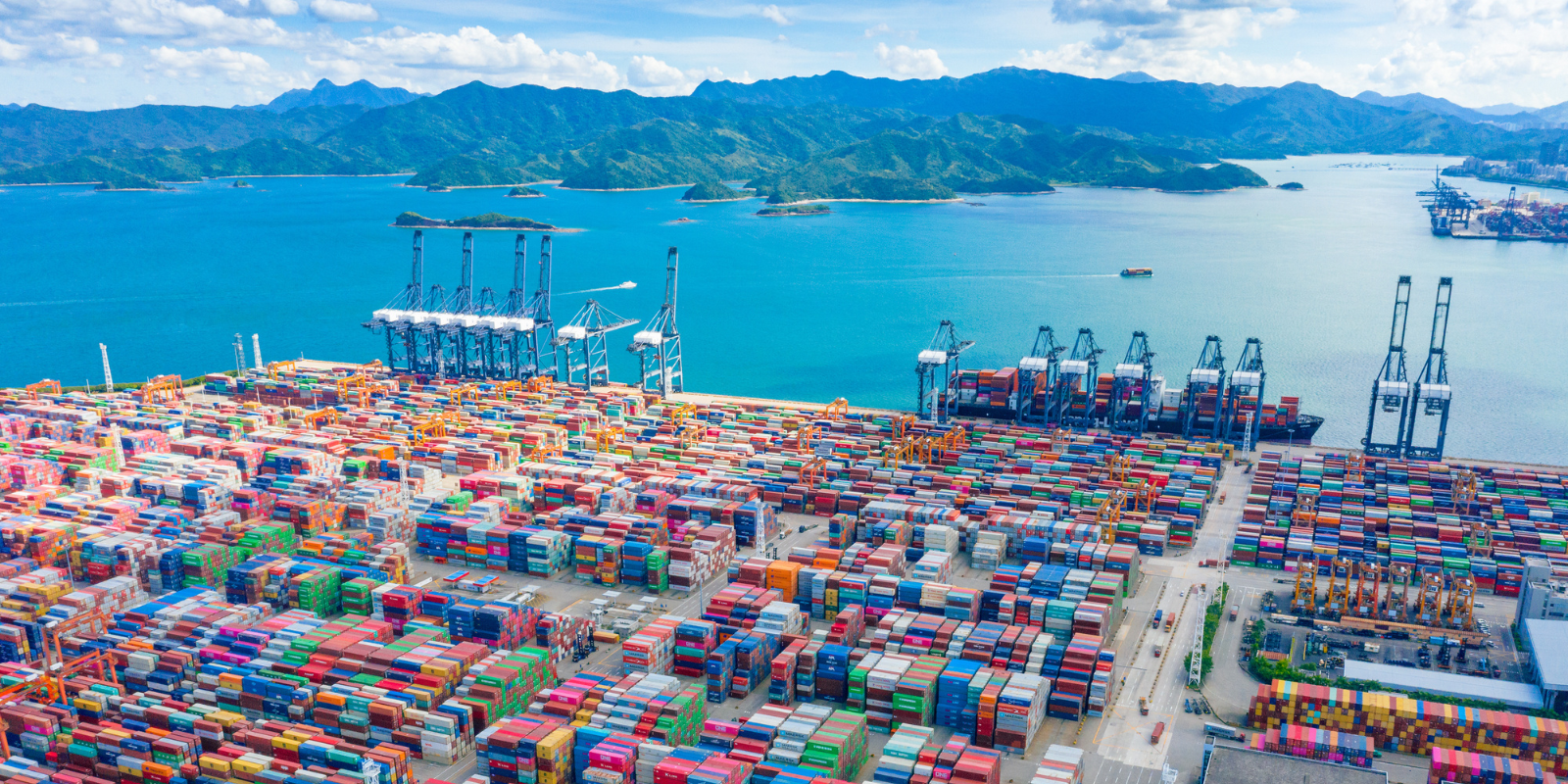


Oil is not just an energy source; it is a critical component of global trade. Rising fuel costs increase shipping expenses, which can disrupt supply chains and delay deliveries worldwide.
Countries that rely heavily on imported energy may face significant economic pressure, leading to reduced industrial output and slower economic growth. This can affect global demand and trade balances.
For the US, supply chain disruptions can lead to higher prices for imported goods, reduced availability of certain products, and increased uncertainty for businesses planning production and inventory.
Market Outlook, Risks, and What Comes Next
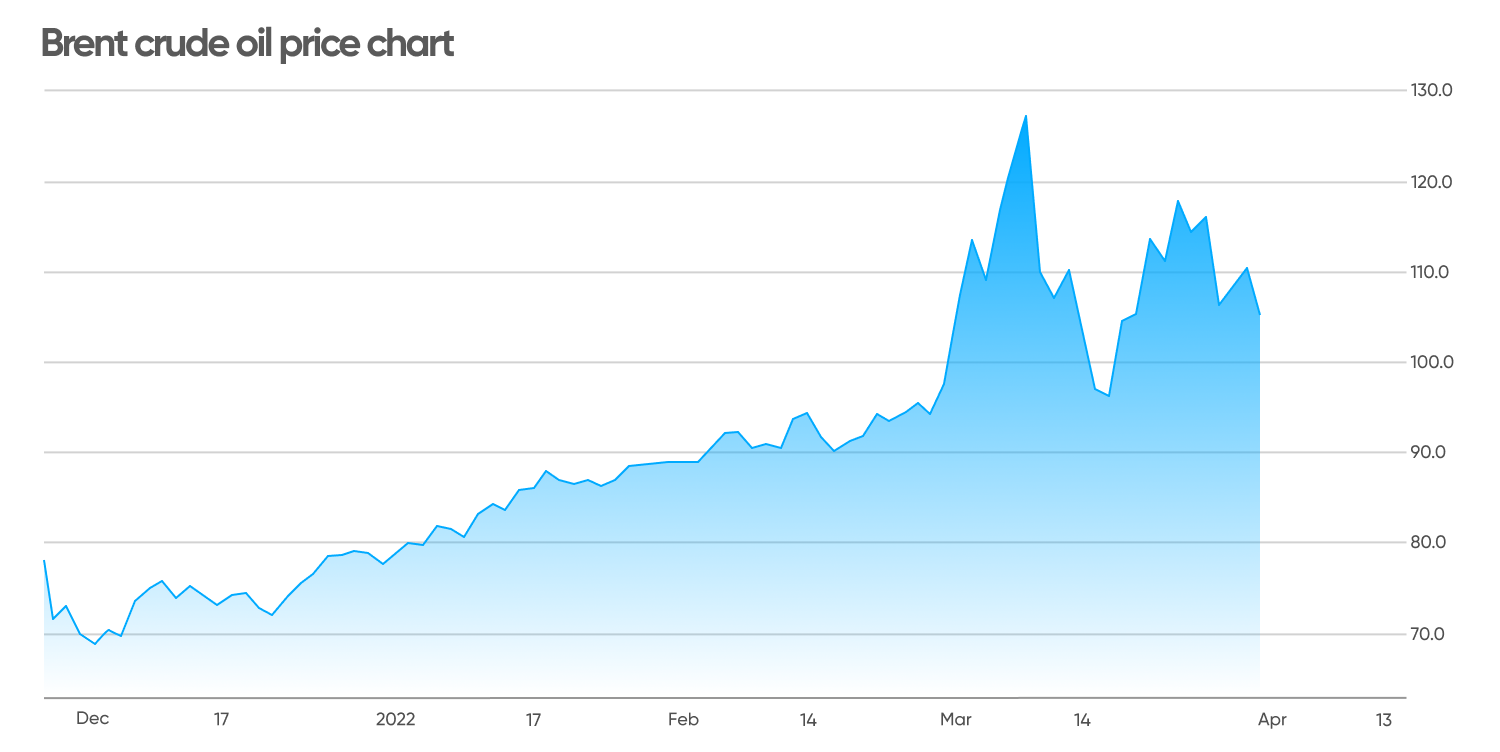
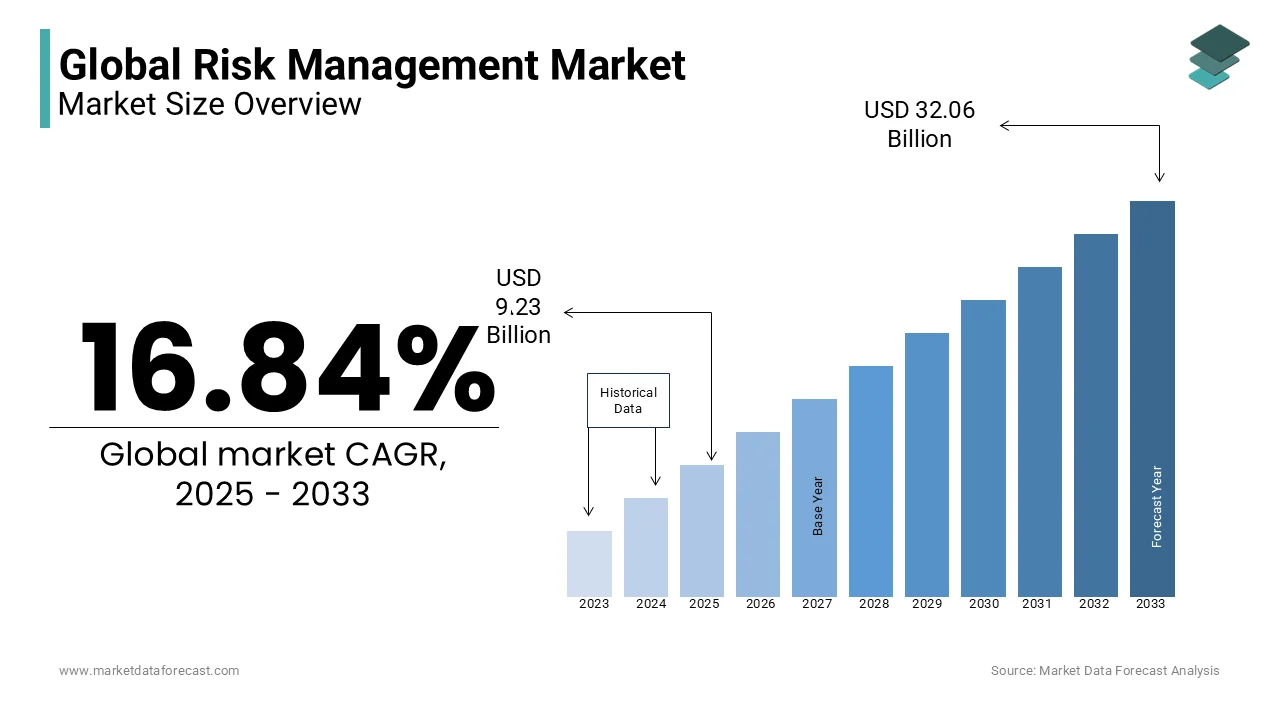
Looking ahead, the situation remains highly uncertain. If tensions de-escalate, oil prices could stabilize, providing relief to markets and consumers. However, any escalation could lead to sustained volatility and economic pressure.
Key risks to watch include potential disruptions in shipping routes, further increases in oil prices, and changes in monetary policy. Investors and businesses need to stay informed and adapt their strategies accordingly.
Experts suggest focusing on diversification, risk management, and long-term planning. While short-term volatility is unavoidable, those who remain disciplined are better positioned to navigate uncertainty and identify opportunities.
Conclusion
The Iran conflict represents a significant risk to global trade and the US economy, primarily through its impact on oil supply chains and energy prices. As history has shown, even localized geopolitical tensions can have far-reaching consequences for markets and economic stability.
For investors, businesses, and consumers, understanding these dynamics is crucial. By staying informed, managing risks, and adapting strategies, it is possible to navigate uncertainty and even find opportunities in challenging times. The coming months will be critical in determining how these risks evolve and shape the global economic landscape.
Subscribe to trusted news sites like USnewsSphere.com for continuous updates.