Microsoft’s AI Bet Faces Pressure After 36% Slide — Is This a Hidden Buying Opportunity or Warning Sign? is now one of the most searched and debated topics among US investors in 2026. Shares of Microsoft Corporation have declined sharply, raising concerns about whether the company’s aggressive push into artificial intelligence is creating long-term value—or short-term financial strain.
While the drop has shaken confidence, it has also sparked a new wave of interest from investors looking for opportunities in high-quality tech stocks at discounted prices. The key question now is whether this decline represents a strategic entry point or a signal of deeper issues.

Microsoft’s AI: What Caused Microsoft’s 36% Stock Decline
The recent drop in Microsoft Corporation stock is largely tied to investor concerns about rising costs associated with AI expansion. Building and maintaining AI infrastructure—especially large-scale data centers—requires massive capital investment.
These investments are essential for long-term growth, but they can impact short-term profitability. As margins come under pressure, investors have become more cautious, leading to a sell-off in the stock.
Additionally, broader market conditions, including high interest rates and tech sector volatility, have contributed to the decline. Growth stocks are particularly sensitive to changes in monetary policy, which has added to the downward pressure.
The AI Investment Strategy: Bold Move or Risky Bet?

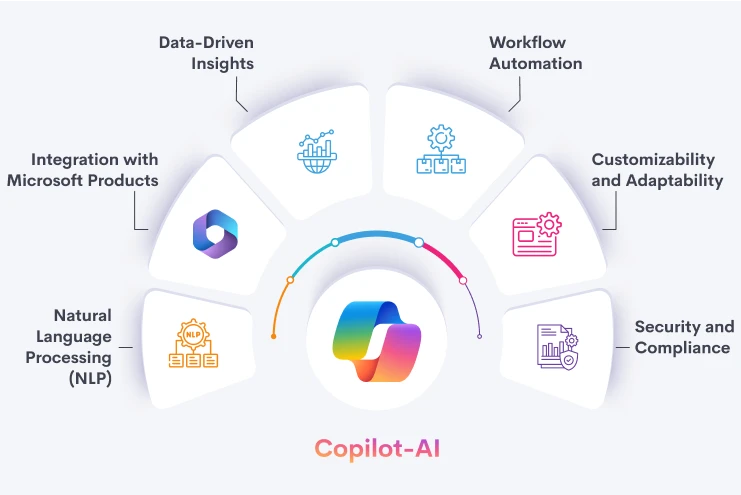
Artificial intelligence is at the center of Microsoft’s strategy. The company has integrated AI into its products, including its cloud platform, enterprise software, and productivity tools.
This strategy is designed to create new revenue streams and strengthen Microsoft’s competitive position. By embedding AI into widely used tools, the company aims to drive adoption and increase customer value.
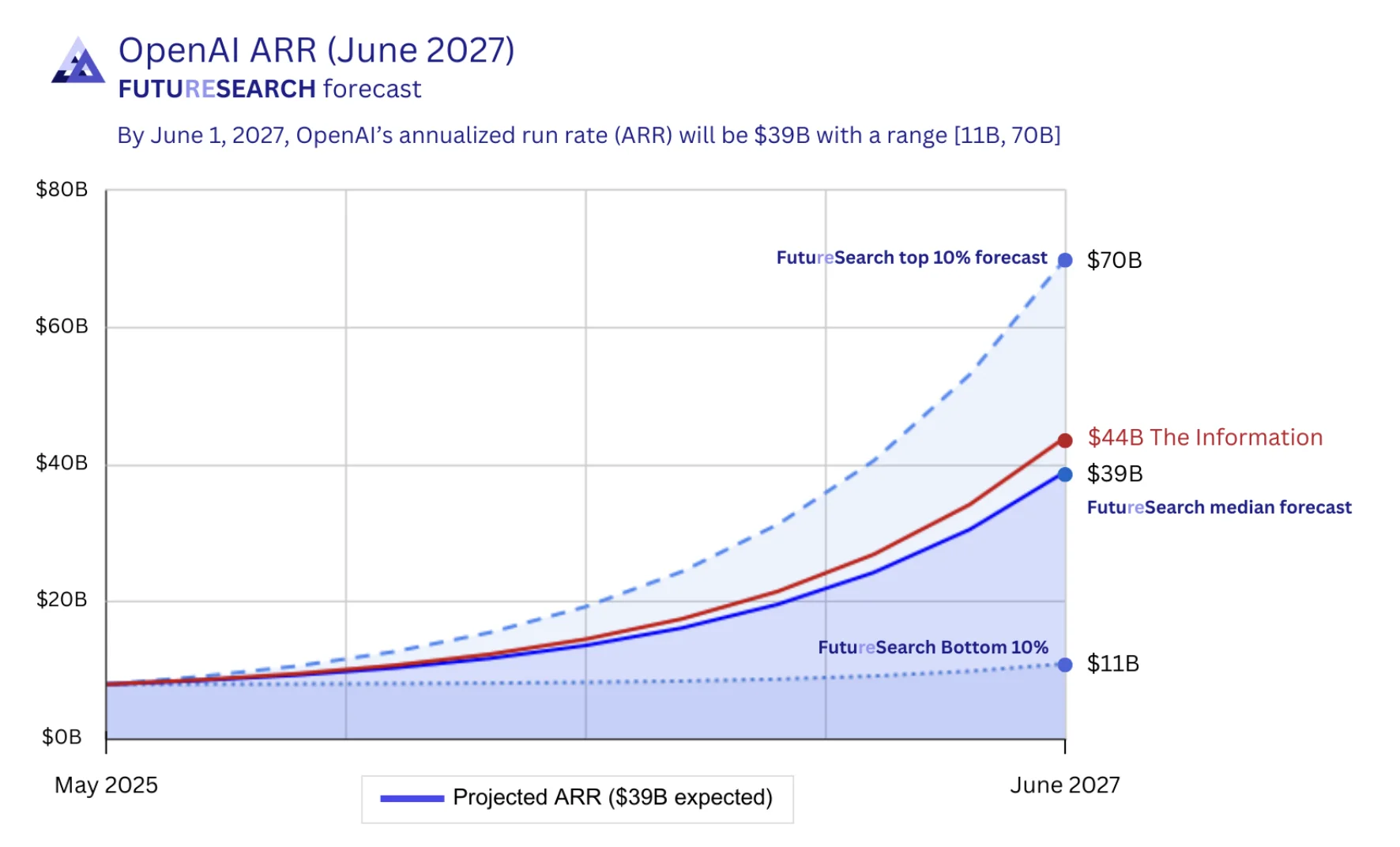
However, the scale of investment required is significant. The success of this strategy depends on whether these investments translate into sustained revenue growth and profitability.
Azure and Cloud Growth: The Real Engine Behind Microsoft
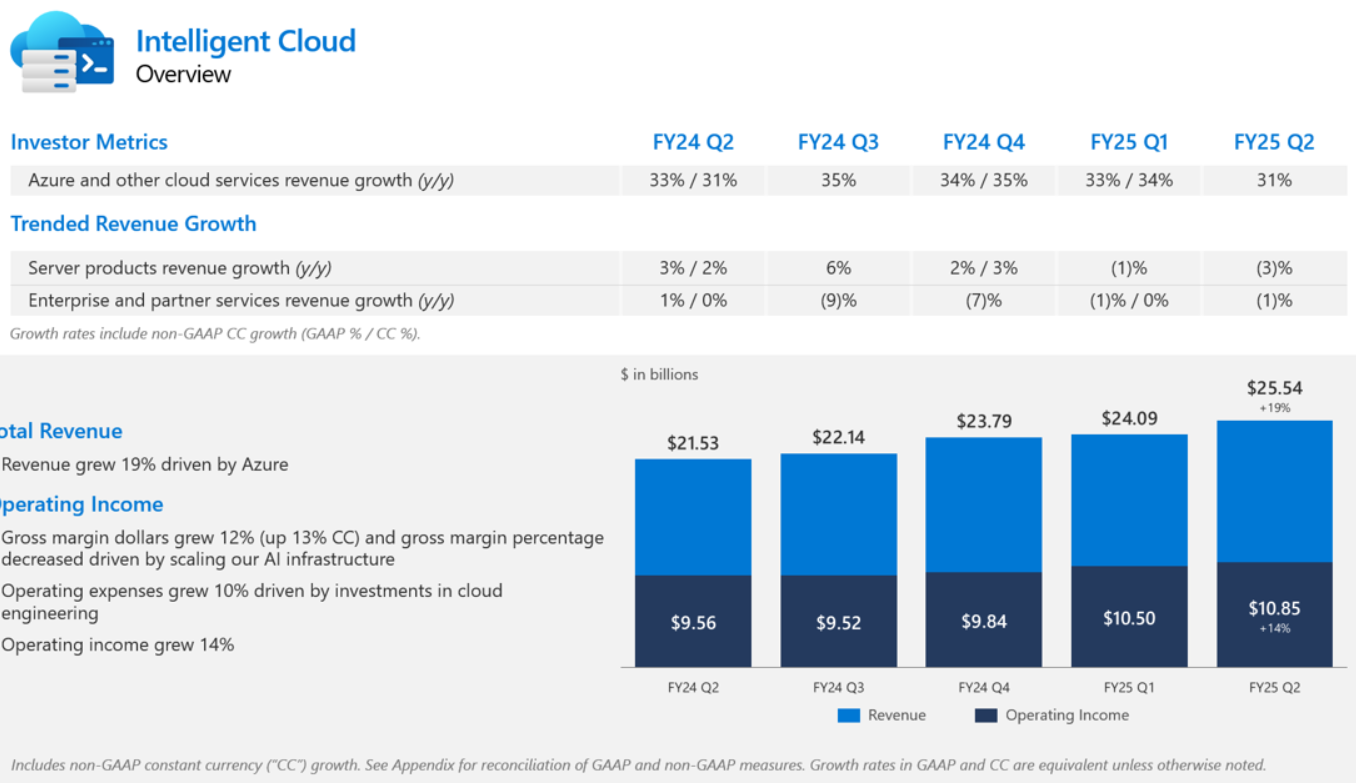
Cloud computing remains one of the most important drivers of growth for Microsoft Corporation. Azure, Microsoft’s cloud platform, is a key part of its AI ecosystem.
As businesses increasingly adopt AI, demand for cloud infrastructure is rising. Azure’s integration with AI services gives Microsoft a strong advantage in capturing this demand.
Despite the recent stock decline, the underlying fundamentals of Microsoft’s cloud business remain strong. Continued growth in this segment could play a crucial role in the company’s recovery.
Market Sentiment: Why Investors Are Divided


Investor sentiment around Microsoft is currently mixed. Some see the decline as a warning sign, pointing to rising costs and increased competition in the AI space.
Others view it as an opportunity. The drop in valuation has made the stock more attractive, particularly for long-term investors who believe in Microsoft’s ability to execute its strategy.
Analysts are closely watching key indicators such as revenue growth, margin trends, and adoption of AI-powered products to assess the company’s outlook.
Risks and Opportunities Investors Must Consider
Investing in Microsoft Corporation at this stage involves weighing both risks and opportunities. Key risks include high capital expenditures, competitive pressure, and potential delays in monetizing AI investments.
On the other hand, the opportunities are significant. AI is expected to be one of the most transformative technologies of the decade, and Microsoft is positioned as a leader in this space.
Diversification and a long-term perspective are essential when navigating such opportunities. Investors should consider how Microsoft fits within their broader investment strategy.
Market Outlook: Buy the Dip or Stay Cautious?
From a market perspective, the recent decline in Microsoft stock presents a critical decision point. Long-term investors may see this as a chance to enter at a lower valuation.
However, caution is warranted. The success of Microsoft’s AI strategy is not guaranteed, and market conditions remain uncertain.
Ultimately, the decision depends on individual risk tolerance and investment goals. Monitoring key developments in AI adoption and financial performance will be crucial in the coming months.
Final Takeaway: A Defining Moment for Microsoft’s AI Future
Microsoft’s 36% stock decline highlights the challenges and opportunities of investing in transformative technologies. While the company faces short-term pressure, its long-term potential remains significant.
For investors, this is a moment to look beyond headlines and focus on fundamentals. The AI revolution is still unfolding, and companies that can successfully navigate this transition are likely to emerge as winners.
Whether this is a buying opportunity or a warning sign will depend on how Microsoft executes its strategy in the years ahead.
Subscribe to trusted news sites like USnewsSphere.com for continuous updates.