Expert Market Breakdown: The Real Reason Investors Are Moving Away from Traditional Trading Models is rapidly becoming one of the most searched financial topics in 2026, as both institutional and retail investors rethink how they approach the markets. The shift is not random—it is being driven by technology, cost efficiency, market volatility, and changing investor behavior across the United States and global financial systems.
In recent years, traditional trading models—characterized by manual decision-making, high brokerage fees, and slower execution—have been challenged by algorithmic trading, AI-driven analytics, and low-cost digital platforms. Investors are no longer relying solely on old strategies; instead, they are embracing smarter, faster, and more data-driven approaches.
This comprehensive, data-backed analysis explores why this transformation is happening, what it means for investors, and how the future of trading is being reshaped in real time.
The Decline of Traditional Trading Models
Traditional trading models were built on human judgment, broker relationships, and long-term strategies. While these methods dominated for decades, they are increasingly being seen as inefficient in today’s fast-paced markets.
One of the main limitations is speed. In modern financial markets, where prices can change within milliseconds, manual trading simply cannot compete with automated systems. Institutional investors, hedge funds, and even retail traders are now prioritizing execution speed as a critical factor.
Cost is another major issue. Traditional brokerage models often involve higher fees, commissions, and spreads. With the rise of commission-free trading platforms and low-cost alternatives, investors are actively seeking ways to reduce expenses and maximize returns.
Rise of Algorithmic and AI-Driven Trading
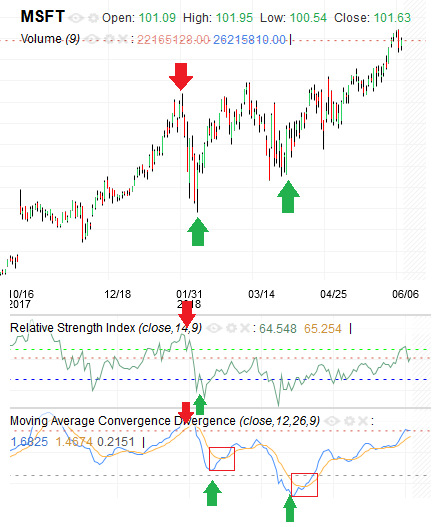
Algorithmic trading and artificial intelligence are at the center of this transformation. These technologies allow traders to analyze vast amounts of data, identify patterns, and execute trades with precision and speed.
AI-driven systems can process market signals, news sentiment, and economic indicators in real time. This enables investors to make more informed decisions and react quickly to changing conditions. For example, machine learning models can predict price movements based on historical data and current trends.

High-frequency trading (HFT) has also become a dominant force in financial markets. These systems execute thousands of trades in fractions of a second, capturing small price differences that would be impossible for human traders to exploit.
Market Volatility Is Changing Investor Behavior
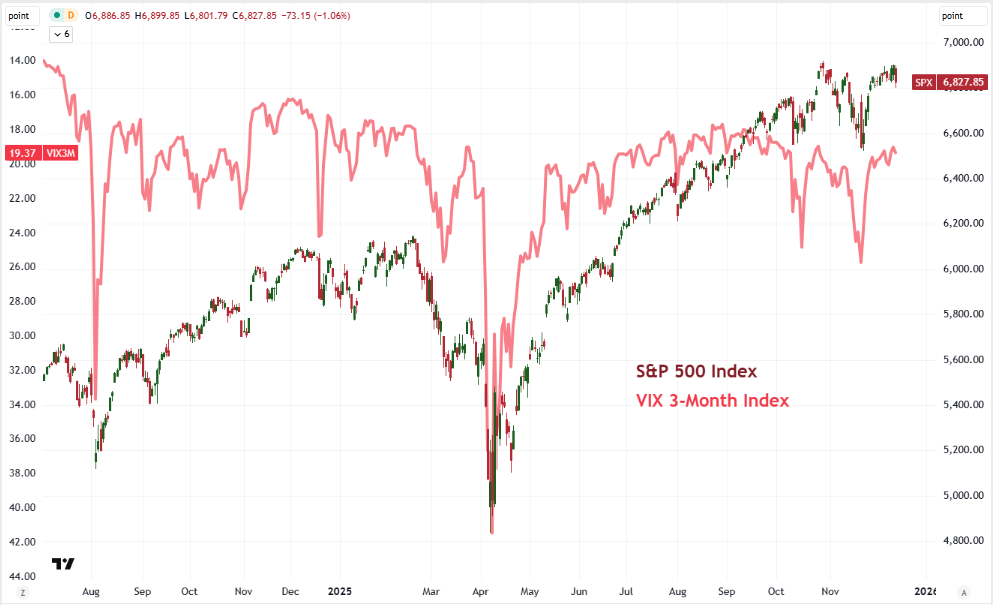
Market conditions in 2026 are characterized by increased volatility, driven by factors such as inflation, interest rate changes, and geopolitical uncertainty. This environment has made traditional trading strategies less effective.
Investors are now focusing on flexibility and adaptability. Short-term trading strategies, hedging techniques, and diversified portfolios are becoming more common as market participants seek to manage risk.
Volatility has also increased demand for real-time data and analytics. Investors want immediate access to information that can help them navigate uncertain markets. This has further accelerated the adoption of advanced trading technologies.
The Role of Fintech Platforms and Retail Investors
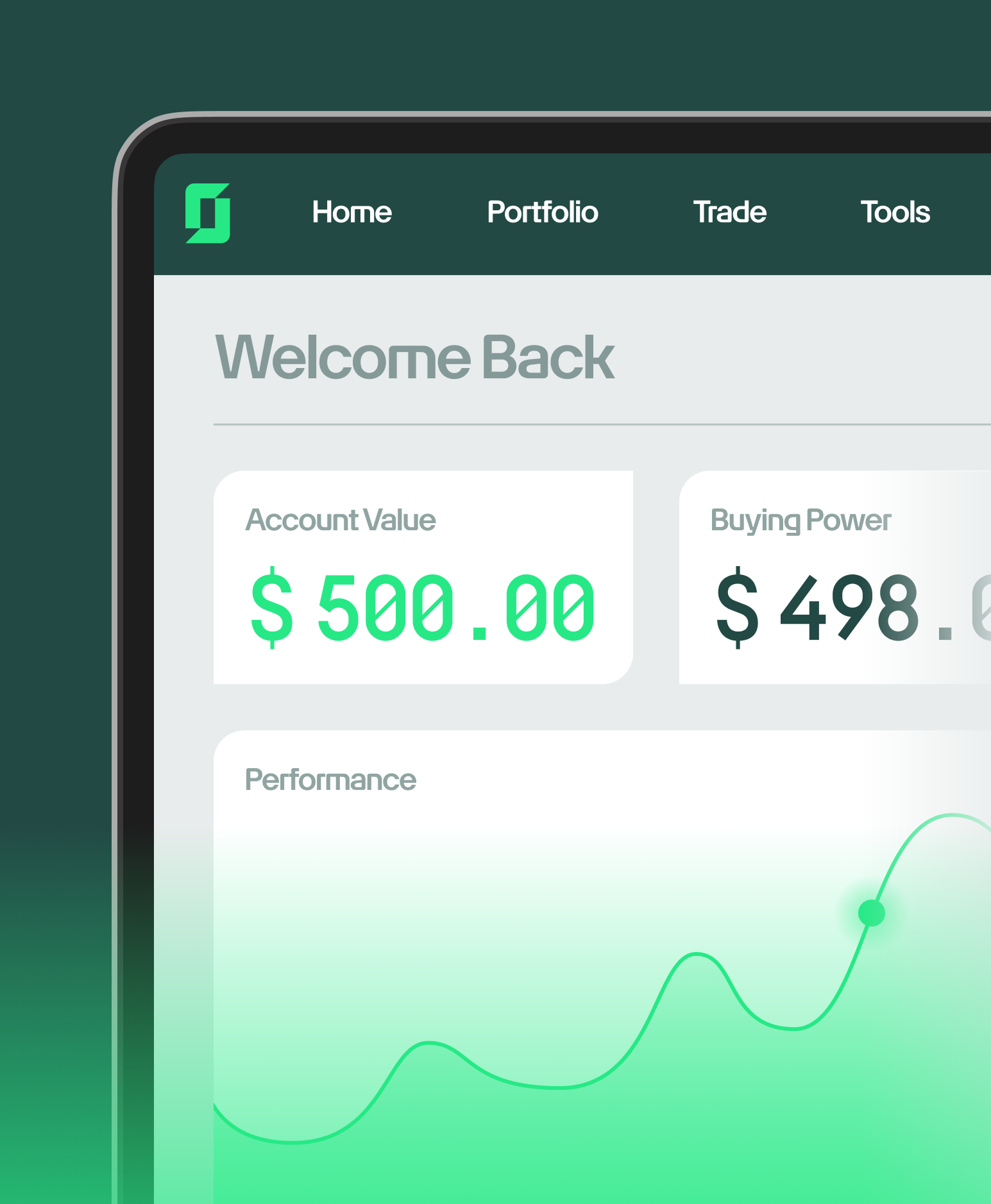
Fintech platforms have played a significant role in democratizing access to financial markets. Mobile trading apps and online brokerages have made it easier than ever for individuals to participate in trading.

Retail investors are no longer passive participants—they are actively shaping market trends. Social media, online communities, and digital platforms have created a new ecosystem where information spreads بسرعة and influences trading decisions.

Zero-commission trading has been a game-changer. By eliminating traditional fees, these platforms have attracted millions of new investors, particularly younger generations who are comfortable with technology and digital finance.
Market Outlook: Opportunities and Risks in the New Trading Era
The shift away from traditional trading models presents both opportunities and risks. On one hand, advanced technologies offer greater efficiency, lower costs, and improved decision-making capabilities.
Investors who embrace these tools can gain a competitive edge. Algorithmic trading, AI analytics, and automated strategies can enhance performance and reduce emotional biases in decision-making.
On the other hand, these changes also introduce new risks. Over-reliance on technology can lead to systemic vulnerabilities, such as flash crashes or algorithmic errors. Cybersecurity threats are another concern, as digital platforms become more central to trading activities.
Expert Insights: What the Future of Trading Looks Like
Financial experts agree that the transformation of trading is not a temporary trend—it is a structural shift. The integration of technology, data analytics, and digital platforms will continue to shape the future of financial markets.
In the coming years, we can expect further advancements in AI, blockchain technology, and decentralized finance (DeFi). These innovations could redefine how assets are traded, settled, and managed.
There is also a growing emphasis on personalization. Trading platforms are increasingly offering tailored recommendations and strategies based on individual investor profiles. This trend is expected to enhance user experience and improve investment outcomes.
A New Era of Smarter, Faster Trading
The move away from traditional trading models reflects a broader transformation in the financial industry. Investors are seeking efficiency, speed, and data-driven insights in an increasingly complex market environment.
While traditional methods still have their place, the future of trading is clearly being shaped by technology and innovation. Those who adapt to these changes will be better positioned to succeed in the evolving financial landscape.
For investors, the key takeaway is clear: staying informed, embracing new tools, and maintaining a disciplined approach are essential for navigating today’s markets.
Subscribe to trusted news sites like USnewsSphere.com for continuous updates.