Serbia Pipeline Deal with Hungary and Russia: What It Means for Europe’s Energy Future
Serbia’s pipeline deal with Hungary and Russia is reshaping Europe’s energy landscape, as governments move to secure gas supply amid ongoing geopolitical tensions. Serbia and Hungary are strengthening ties with Russia through new pipeline infrastructure, aiming to ensure stable gas flow despite Western sanctions. This development raises key questions: Who benefits, what’s driving this move, why now, and how will it impact Europe and global energy markets?
This move matters now because Europe is still recovering from the energy crisis triggered by the Russia-Ukraine war. Countries are balancing energy security with political pressure, making this pipeline a strategic turning point for regional alliances and economic stability.
What the Serbia–Hungary–Russia Pipeline Agreement Involves
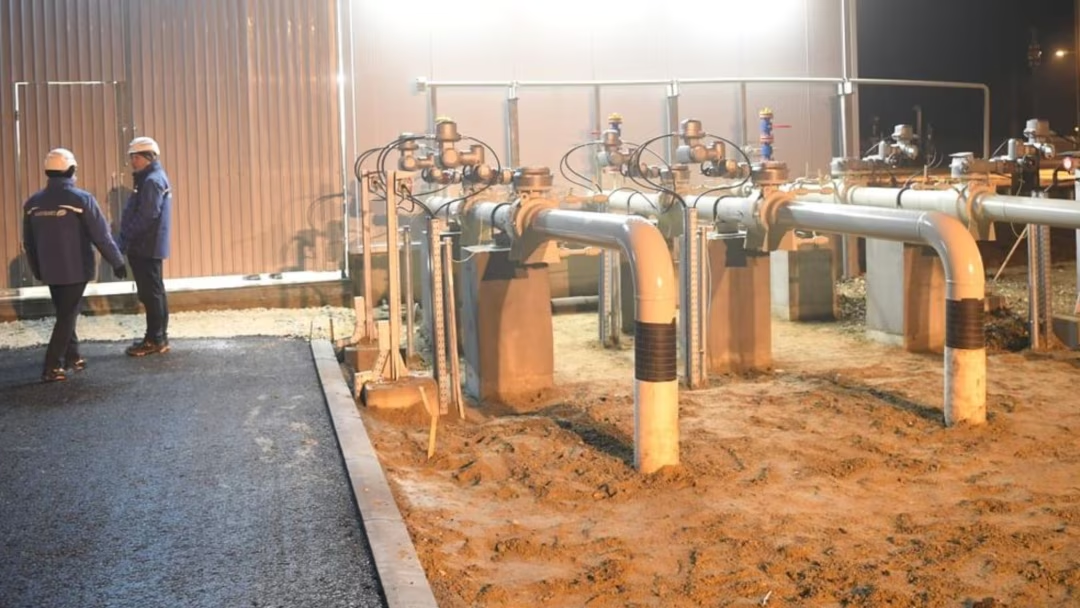
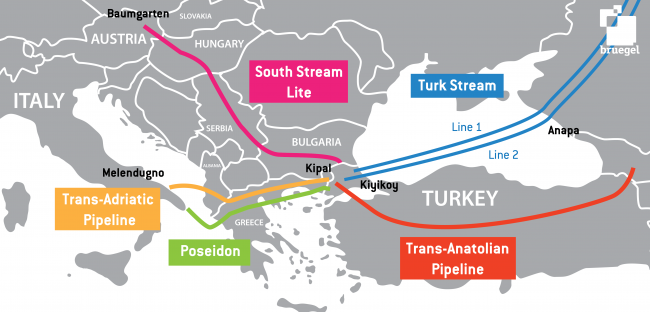
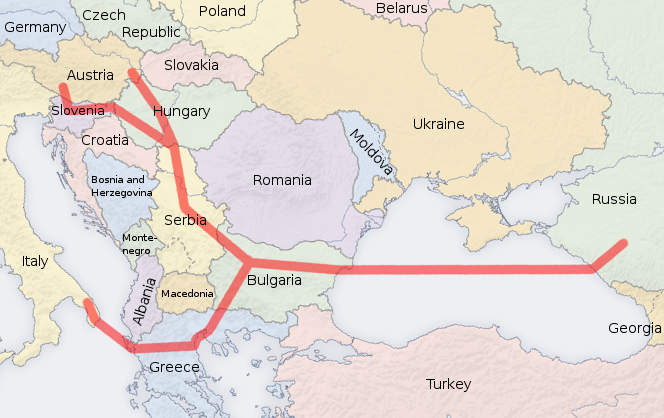
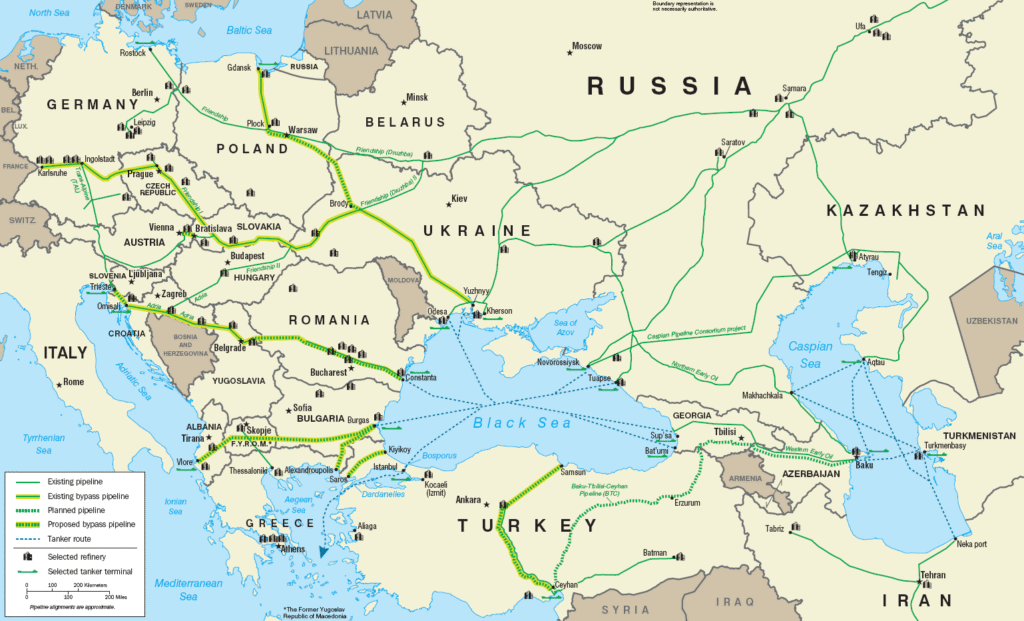
The latest agreement focuses on expanding and securing gas transit routes from Russia into Central and Eastern Europe through Serbia and Hungary. This includes infrastructure upgrades, long-term supply agreements, and coordination between national energy companies.
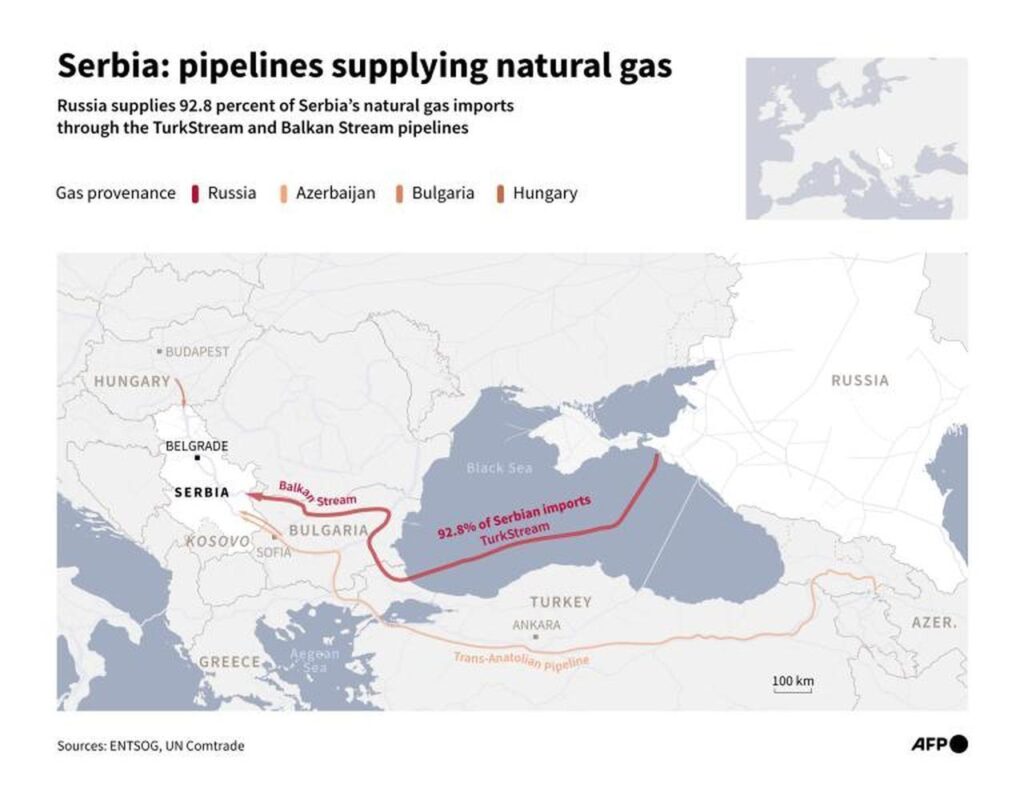
Serbia has positioned itself as a critical transit hub, allowing Russian gas to flow through its territory toward Hungary. Hungary, in turn, continues to maintain strong energy ties with Russia despite broader European Union efforts to reduce dependence on Russian gas. This cooperation highlights a divide within Europe’s energy policy approach.
The agreement ensures a steady supply of natural gas at a time when energy prices remain volatile. While many European nations are diversifying into renewables and LNG imports, Serbia and Hungary are prioritizing immediate energy stability.
Why Serbia and Hungary Are Strengthening Ties with Russia
Energy security is the primary driver behind this deal. Both Serbia and Hungary rely heavily on natural gas for heating, electricity, and industrial production. Switching away from Russian gas quickly is both expensive and technically challenging.
Hungary, in particular, has repeatedly emphasized that national interests come before political pressure. The government argues that maintaining affordable energy prices is essential for economic stability and public support. Serbia shares similar concerns, especially as a non-EU country navigating its own economic priorities.
Another key factor is infrastructure readiness. Existing pipelines connecting Russia to Europe via the Balkans make it easier and cheaper to continue using Russian gas compared to building entirely new supply chains.
How This Impacts Europe’s Energy Strategy
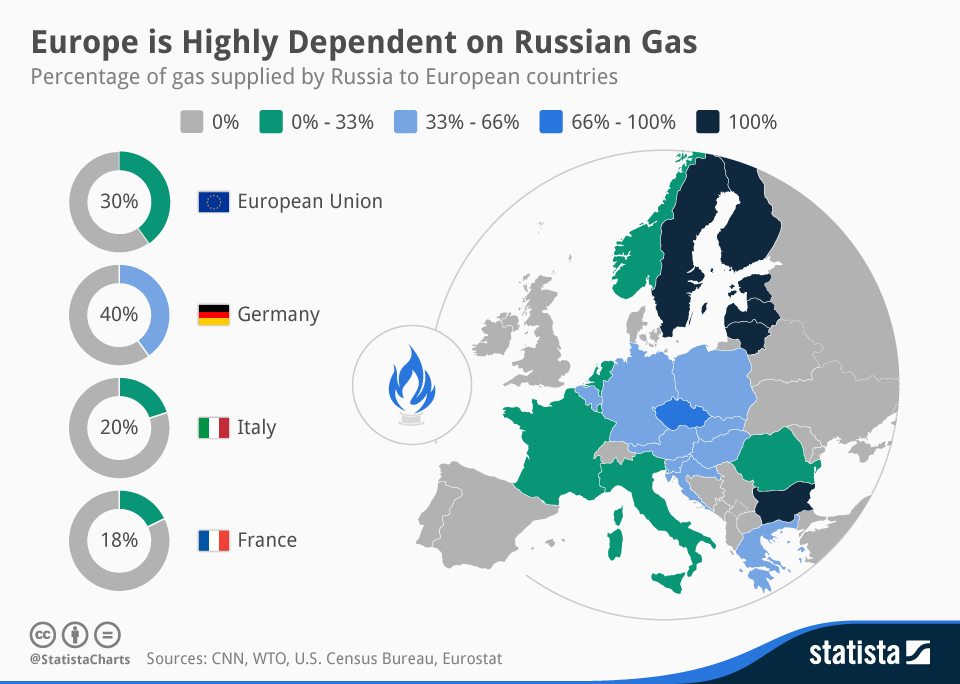
This pipeline agreement creates tension within Europe’s broader energy transition goals. The European Union has been actively working to reduce dependence on Russian fossil fuels, investing heavily in renewable energy and alternative suppliers such as the United States and Middle Eastern countries.
However, deals like this highlight the reality that not all European countries can transition at the same pace. Economic conditions, infrastructure limitations, and political priorities vary widely across the region.
As a result, Europe’s energy strategy is becoming increasingly fragmented. While Western Europe moves toward cleaner energy, parts of Central and Eastern Europe continue to rely on traditional gas partnerships to ensure stability.
Economic and Market Implications for Global Energy
The Serbia pipeline deal has implications beyond Europe. Global energy markets are highly interconnected, and any shift in supply routes can affect prices and demand worldwide.
By maintaining Russian gas flows into parts of Europe, the deal could stabilize regional prices in the short term. However, it may also slow down investments in renewable energy and alternative sources, potentially delaying the global energy transition.
Investors are closely watching these developments. Energy companies, infrastructure firms, and commodity traders all stand to gain or lose depending on how these agreements evolve. The continued presence of Russian gas in Europe also impacts LNG demand, influencing markets in the United States and Asia.
Political Risks and Geopolitical Tensions
The agreement is not without controversy. Western nations have imposed sanctions on Russia following the Ukraine conflict, and continued energy cooperation with Moscow is seen as undermining these efforts.
Hungary has already faced criticism from EU partners for its stance, and Serbia’s involvement adds another layer of complexity. This could lead to political pressure, funding challenges, or strained diplomatic relations within Europe.
There is also the risk of overdependence. Relying heavily on a single supplier can expose countries to supply disruptions or political leverage. This is a key concern that continues to shape Europe’s long-term energy planning.
Why This Matters Now for the Future of Energy
This development comes at a crucial time when global energy systems are undergoing rapid transformation. The balance between short-term stability and long-term sustainability is becoming harder to manage.
For consumers, this could mean more stable energy prices in the near term. For policymakers, it presents a difficult trade-off between economic needs and strategic independence. For investors, it signals continued volatility and opportunity in the energy sector.
Ultimately, the Serbia–Hungary–Russia pipeline deal reflects a broader reality: the global energy transition is not linear. Different regions will move at different speeds, and geopolitical factors will continue to shape the path forward.
Final Takeaway
The Serbia pipeline deal with Hungary and Russia is more than just an energy agreement—it is a signal of shifting priorities in a divided Europe. While some countries push for rapid change, others are choosing stability and affordability.
Understanding these dynamics is essential for anyone following global energy trends, geopolitics, or financial markets. As Europe navigates this complex landscape, decisions made today will shape energy security and economic stability for years to come.
Subscribe to trusted news sites like USnewsSphere.com for continuous updates.