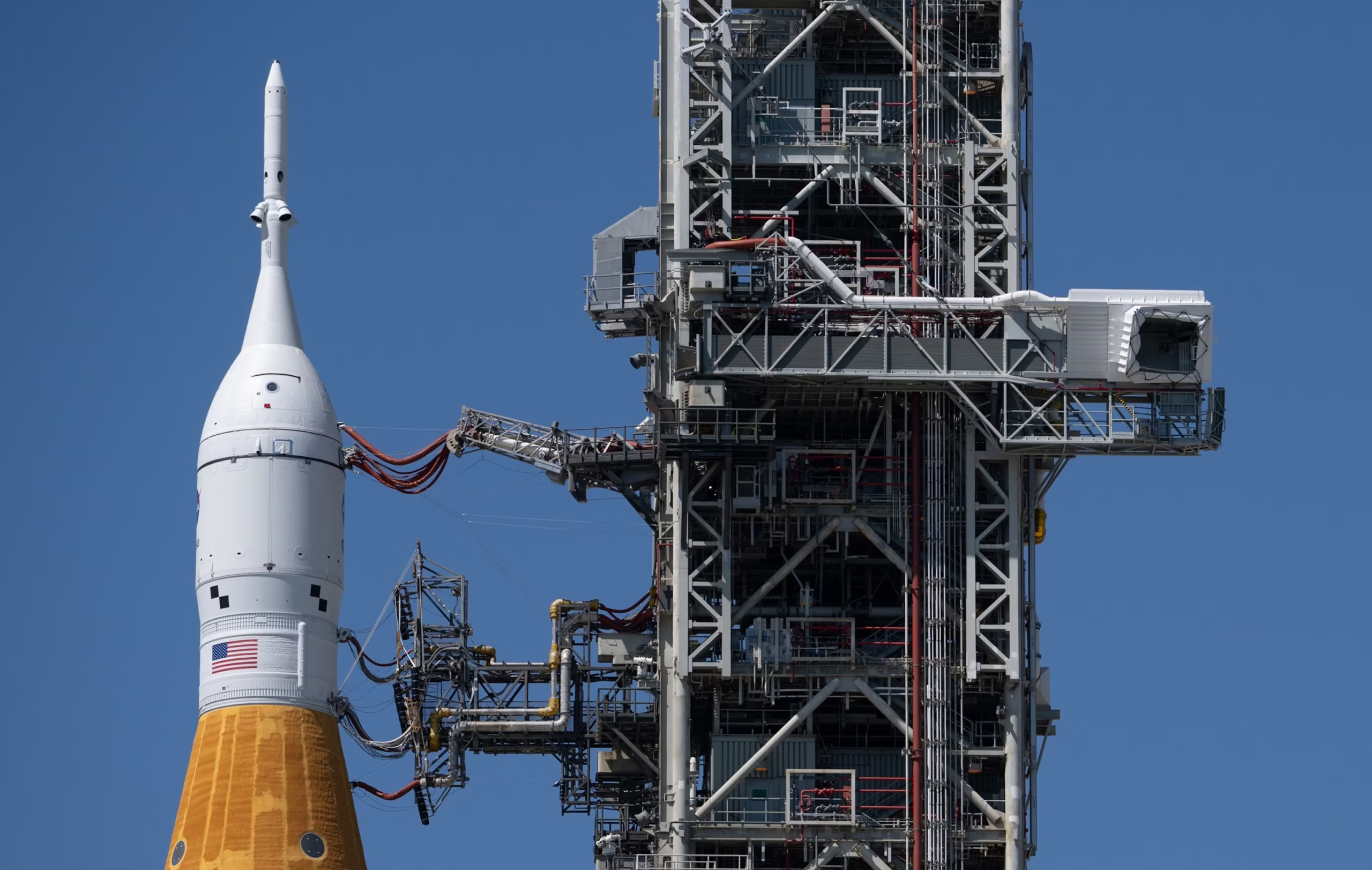
NASA Artemis II Countdown Begins — Why the Space Economy Could Be the Next $1 Trillion Investment Opportunity is quickly becoming one of the most important stories of 2026, not just for space enthusiasts but for investors across the United States and globally. As NASA prepares for its first crewed mission to the Moon in decades under the Artemis program, a much bigger narrative is unfolding—the rapid expansion of the global space economy.

This mission is more than a scientific milestone. It represents a powerful signal that governments and private companies are accelerating investments in space infrastructure, satellite technology, and lunar exploration. For investors, this could mark the beginning of a long-term opportunity potentially worth over $1 trillion in the coming decades.
What Artemis II Means for the Future of Space Exploration
The Artemis II mission is a critical step in humanity’s return to the Moon. Unlike Artemis I, which was an uncrewed test flight, Artemis II will carry astronauts aboard the Orion spacecraft, orbiting the Moon before safely returning to Earth.
This mission serves multiple purposes. It validates life-support systems, navigation, and deep-space communication technologies. More importantly, it builds confidence for future missions that aim to land humans on the lunar surface and eventually establish a sustainable presence.
For NASA, Artemis II is part of a broader long-term vision that includes lunar bases, international partnerships, and eventually missions to Mars. Each step forward strengthens the foundation for a growing space economy.
The Rise of the $1 Trillion Space Economy
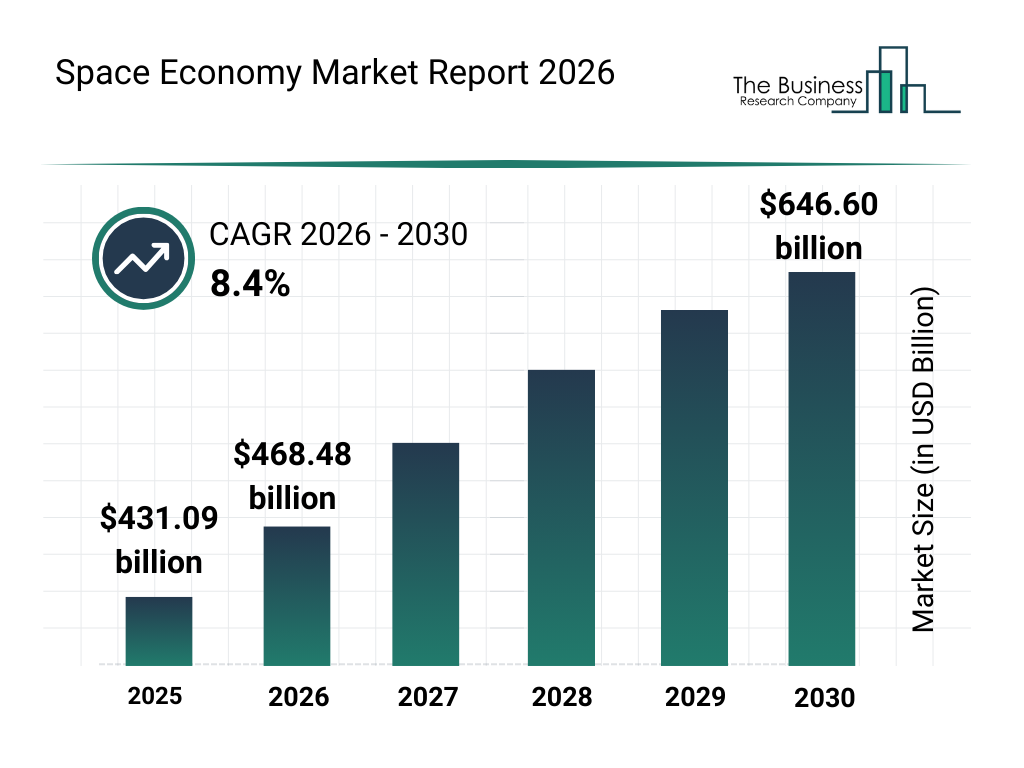


The global space economy is expanding rapidly, driven by advancements in technology and increasing demand for satellite-based services. Analysts estimate that the sector could surpass $1 trillion in value within the next two decades.
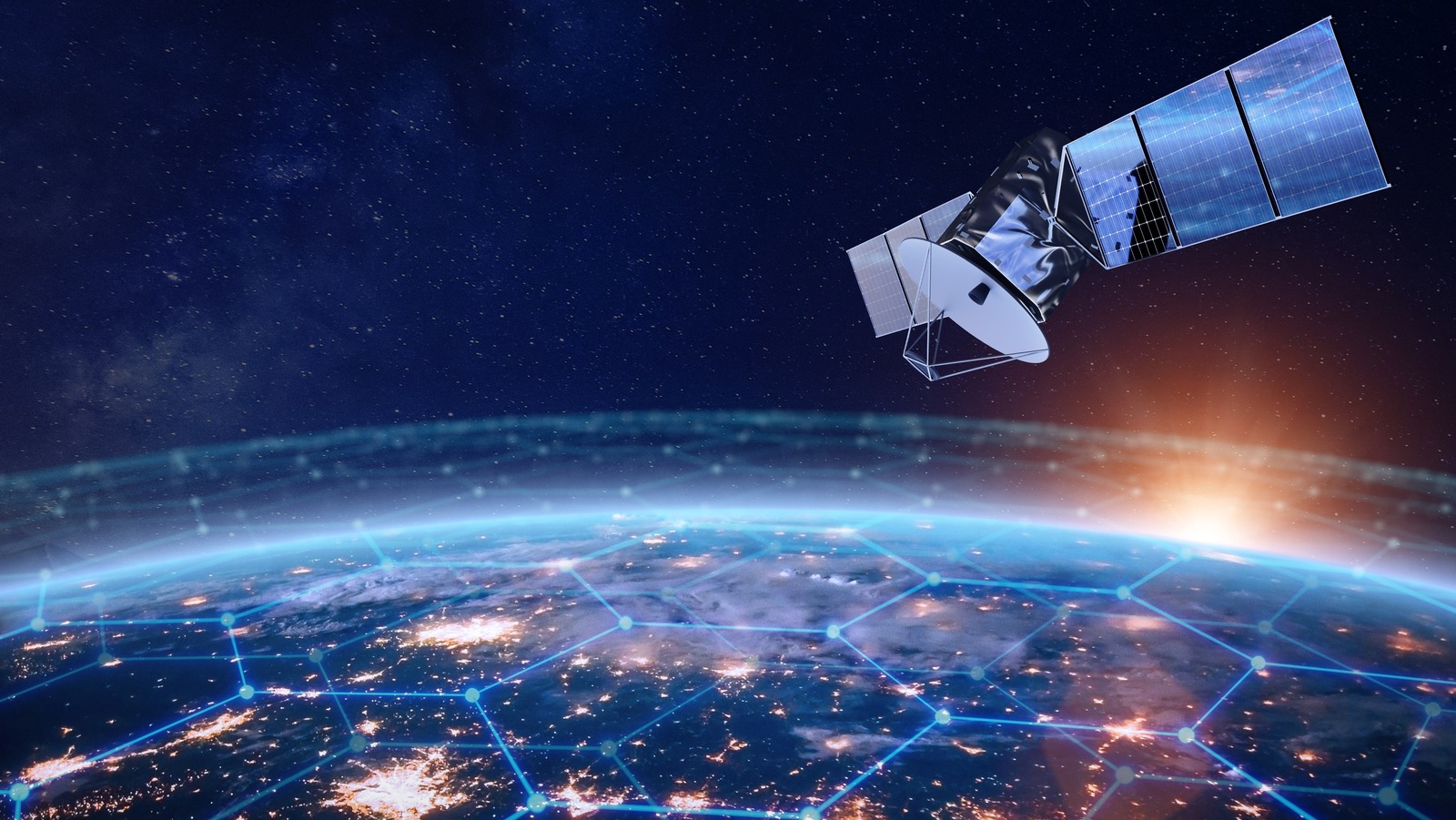
Key growth areas include satellite communications, Earth observation, space tourism, and lunar resource exploration. Companies are launching thousands of satellites to provide global internet coverage, monitor climate change, and support defense operations.
Private sector participation is also accelerating. Firms like SpaceX and Blue Origin are reducing launch costs and enabling more frequent missions. This shift is transforming space from a government-led initiative into a dynamic commercial marketplace.
Why Investors Are Paying Close Attention in 2026
The Artemis II mission has captured the attention of investors because it signals a strong government commitment to space exploration. Historically, government funding has played a crucial role in driving innovation and reducing risk in emerging industries.
In 2026, investors are increasingly looking for sectors with long-term growth potential. The space industry fits this profile, offering opportunities across multiple segments, including aerospace manufacturing, satellite services, and data analytics.
Publicly traded companies involved in space-related activities are already seeing increased interest. At the same time, private investments in space startups are reaching record levels, indicating strong confidence in the sector’s future.
Key Opportunities Across the Space Economy

The space economy is not limited to rocket launches—it encompasses a wide range of industries with diverse investment opportunities. Satellite technology remains one of the most significant segments, supporting everything from GPS navigation to global communications.
Another emerging area is space-based data services. Companies are using satellite imagery to provide insights for agriculture, urban planning, and disaster management. This data-driven approach is creating new revenue streams and business models.
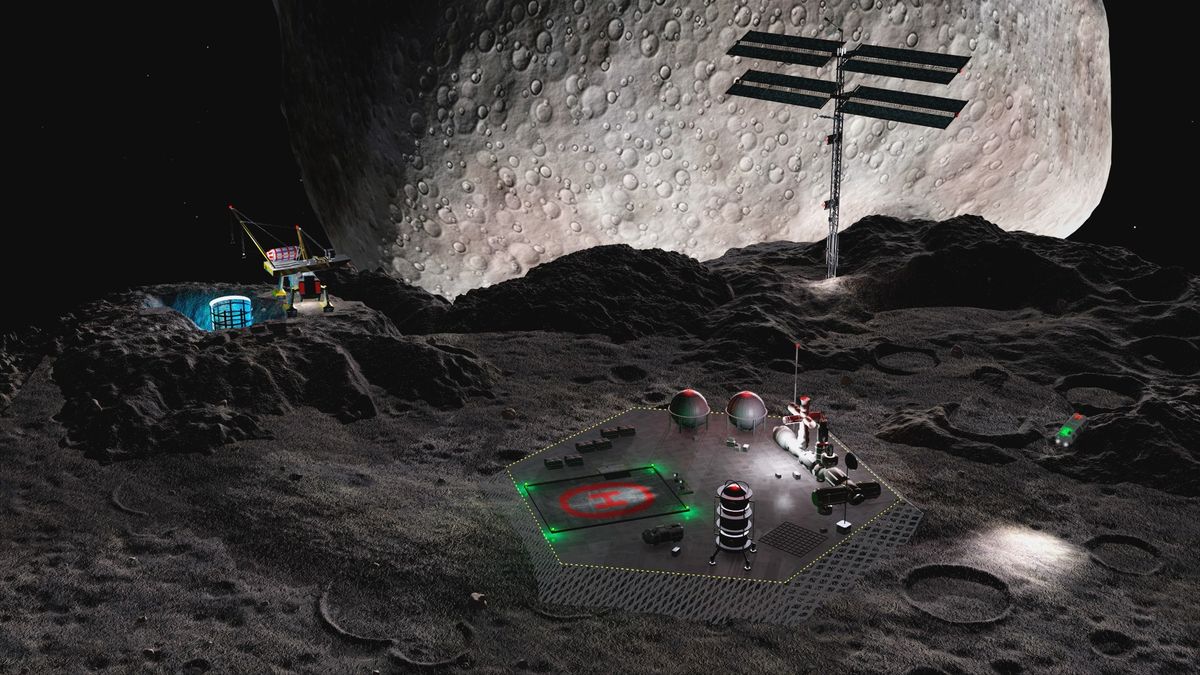
Longer-term opportunities include space tourism and resource extraction. While still in early stages, these sectors have the potential to become major contributors to the global economy as technology advances and costs decrease.
Risks, Challenges, and Regulatory Considerations
Despite its potential, the space economy is not without risks. High development costs, technical challenges, and long timelines can make investments in this sector complex and uncertain.
Regulation is another critical factor. Space activities are governed by international treaties and national policies, which can impact business operations and profitability. As more private companies enter the market, regulatory frameworks will need to evolve.
There are also geopolitical considerations. Space is increasingly viewed as a strategic domain, with countries competing for technological and economic leadership. This could influence investment trends and market dynamics.
Market Outlook: Is Space the Next Big Investment Frontier?
The momentum behind Artemis II suggests that the space economy is entering a new phase of growth. With strong government support and increasing private sector involvement, the industry is well-positioned for expansion.
For investors, the key is to identify companies and technologies that can deliver sustainable value. Diversification across different segments of the space economy can help manage risk while capturing growth opportunities.
As the industry matures, we may see the emergence of dominant players and new business models. The next decade could redefine how humanity interacts with space—and how investors participate in its economic potential.
Final Takeaway: A Historic Moment With Long-Term Impact
The countdown to Artemis II is not just a milestone for space exploration—it is a signal of a broader transformation in the global economy. The convergence of technology, investment, and ambition is creating opportunities that were once considered science fiction.
For readers, this is a moment to stay informed and explore the possibilities emerging from the space economy. Whether you are an investor, entrepreneur, or simply curious about the future, the developments unfolding today could shape the world for decades to come.
Subscribe to trusted news sites like USnewsSphere.com for continuous updates.