JPMorgan’s $80 Billion ‘American Dream’ Warning: Is the US Economy Entering a New Inequality Crisis? is rapidly becoming a defining economic question in 2026 as concerns grow over widening wealth gaps, rising living costs, and uneven access to opportunity across the United States. A recent warning tied to financial data and internal analysis from JPMorgan Chase suggests that billions of dollars in economic pressure are reshaping the financial reality for millions of Americans—especially middle- and lower-income households.

At the heart of this issue is the concept of the “American Dream”—the belief that hard work leads to upward mobility and financial stability. However, recent economic trends show that this dream is becoming increasingly difficult to achieve. Rising housing costs, persistent inflation, and stagnant wage growth for many sectors are creating a growing divide between those who benefit from economic expansion and those who are left behind.


The $80 Billion Warning: What JPMorgan’s Data Signals About the US Economy


According to insights associated with JPMorgan Chase, the “$80 billion warning” reflects a significant shift in consumer financial health. This figure is often interpreted as the scale of excess savings depletion or financial strain impacting U.S. households after years of inflation and higher interest rates. During the pandemic years, many Americans accumulated savings due to stimulus measures and reduced spending. However, much of that cushion has now been eroded.
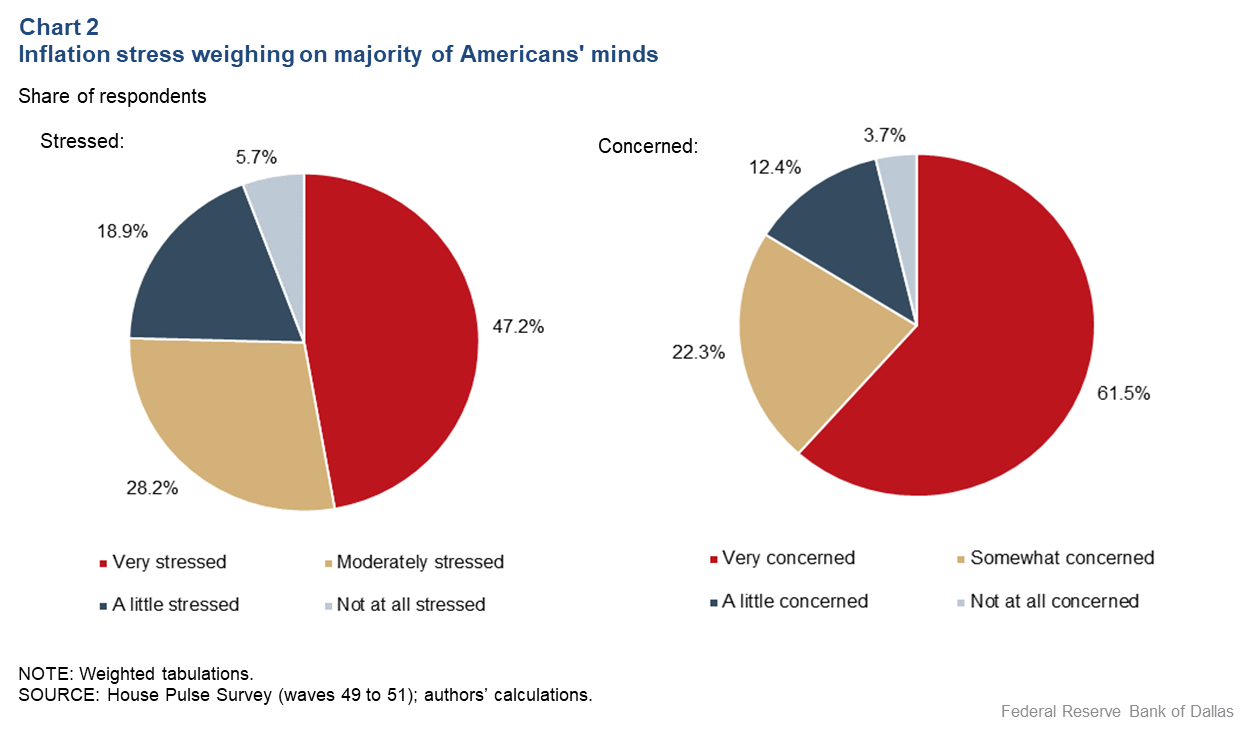
Recent data trends show that lower-income households have experienced the fastest depletion of savings. At the same time, credit card debt has surged, reaching record levels in the United States. This combination—declining savings and rising debt—signals increasing financial vulnerability.
For policymakers and economists, this data is a warning sign. It suggests that while headline economic indicators such as GDP growth may remain stable, underlying financial stress among consumers could lead to broader economic challenges.
Why Income Inequality Is Widening in 2026

Income inequality in the United States has been rising for decades, but recent economic conditions have accelerated this trend. One major factor is the divergence between asset owners and wage earners. Individuals who own stocks, real estate, and other assets have benefited from rising valuations, while those relying solely on wages have struggled to keep up with inflation.
Housing affordability has become a critical issue. In many major U.S. cities, home prices have increased significantly, making it difficult for first-time buyers to enter the market. Rent prices have also surged, consuming a larger portion of household income.
Additionally, the labor market is experiencing uneven growth. High-skilled workers in technology and finance sectors are seeing strong wage increases, while workers in service and lower-wage industries face slower growth. This imbalance contributes to a widening gap between different segments of the population.
The Role of Inflation, Interest Rates, and Debt in Shaping Inequality
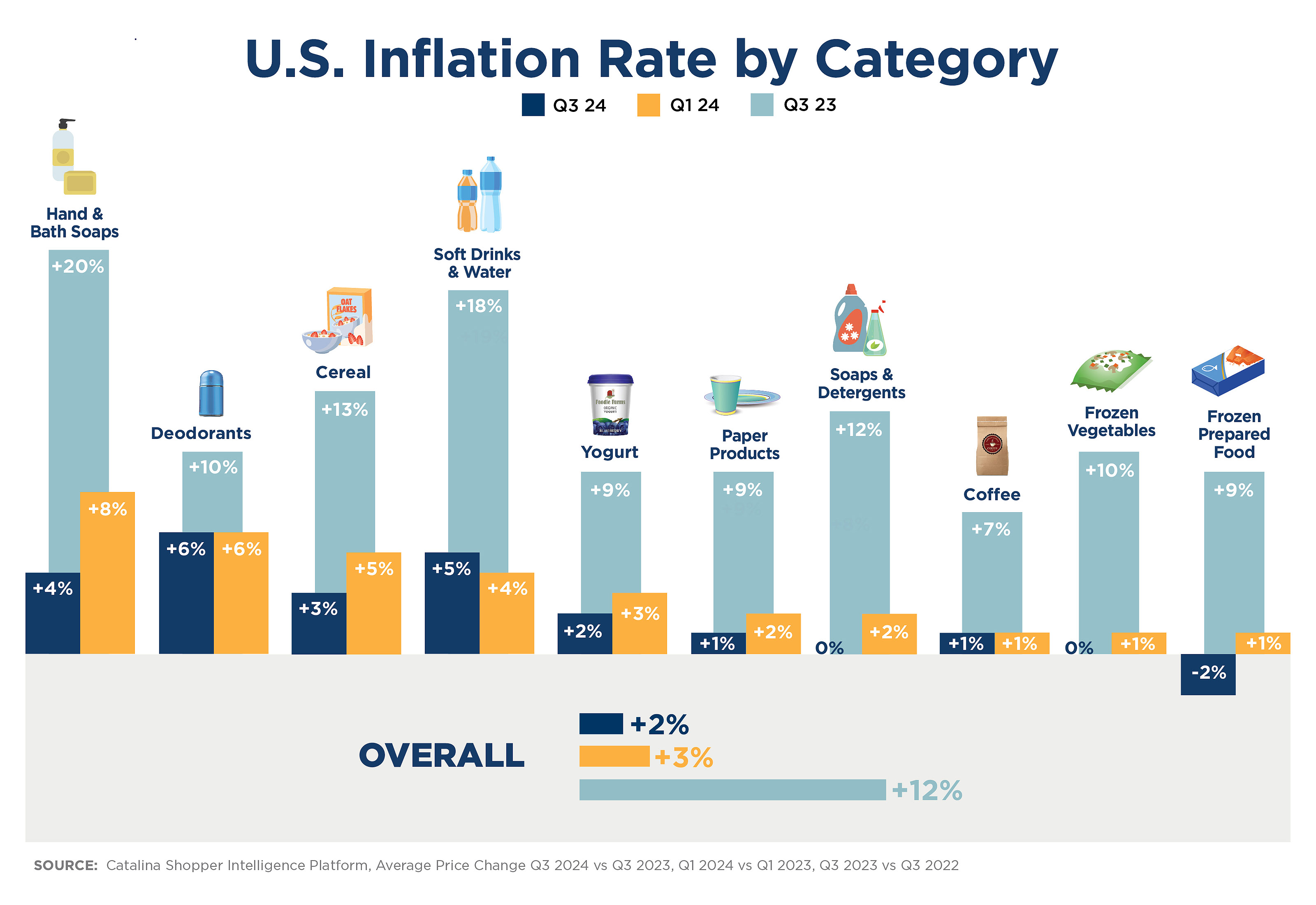


Inflation remains one of the most significant drivers of economic inequality in 2026. As prices for essential goods such as food, housing, and energy rise, lower-income households are disproportionately affected because they spend a larger share of their income on necessities.
Interest rate increases, implemented by the Federal Reserve to control inflation, have also had mixed effects. While higher rates can help stabilize prices over time, they also increase borrowing costs for consumers and businesses. This makes it more expensive to finance homes, education, and business expansion.
Debt levels are another critical factor. Many Americans are relying more heavily on credit cards and personal loans to maintain their standard of living. As interest rates rise, servicing this debt becomes more challenging, creating a cycle of financial strain that is difficult to escape.
Impact on the American Dream: Is Upward Mobility Slowing Down?

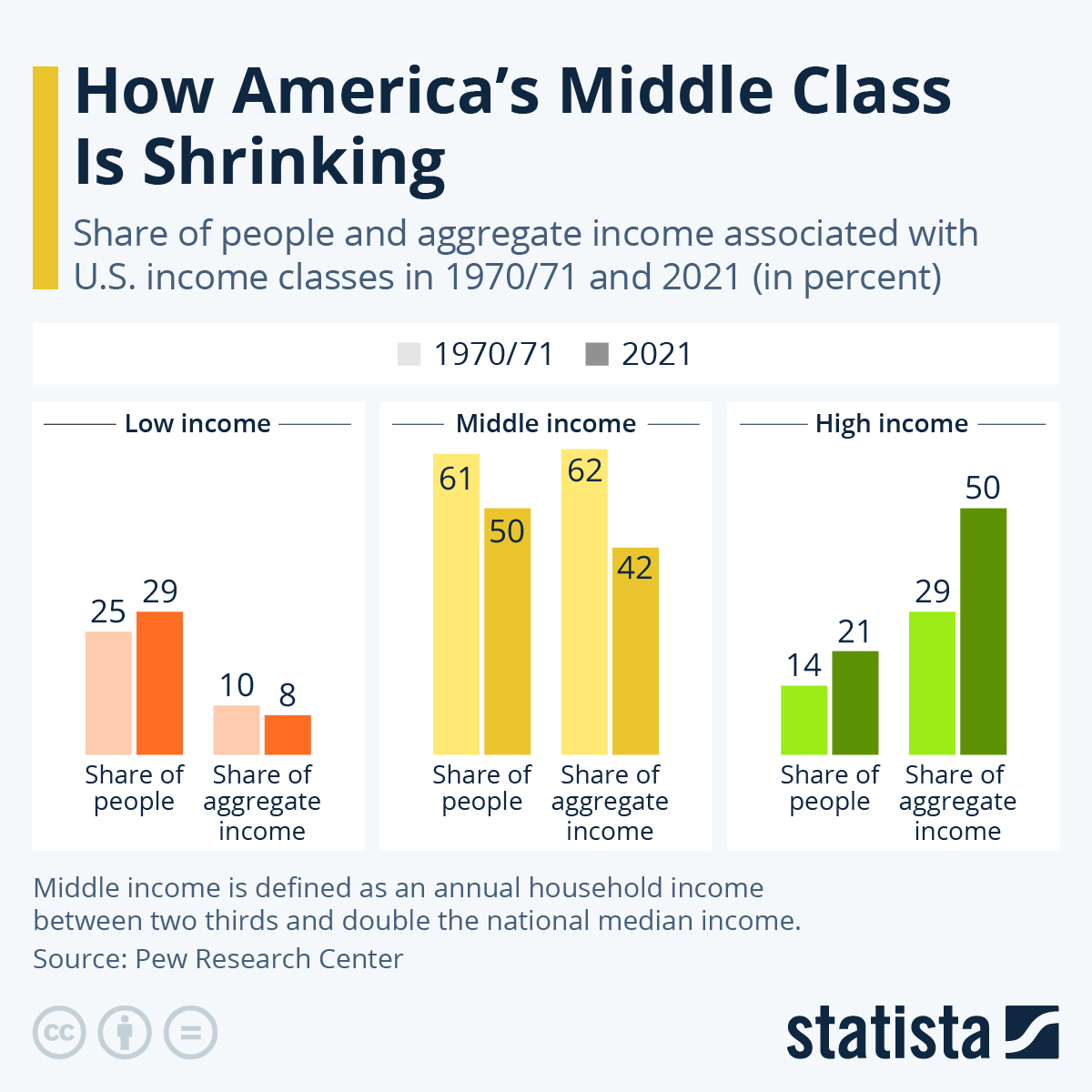

The concept of upward mobility—central to the American Dream—is increasingly under pressure. For many Americans, achieving financial stability now requires significantly more effort than in previous decades. Education costs have risen sharply, and student debt remains a major burden for younger generations.
At the same time, wage growth has not kept pace with the cost of living in many regions. This creates a situation where even full-time workers struggle to save money or invest for the future. The gap between expectations and reality is growing, leading to frustration and economic anxiety.
However, it is important to note that opportunities still exist. Advances in technology, remote work, and entrepreneurship are creating new pathways for income generation. The challenge lies in ensuring that these opportunities are accessible to a broader segment of the population.
Market Outlook and Expert Analysis: What Comes Next for the US Economy

Economic experts have mixed views on the future trajectory of inequality in the United States. Some believe that as inflation stabilizes and wage growth improves, financial conditions could gradually improve for lower-income households. Others warn that structural issues—such as housing shortages and unequal access to education—may continue to drive inequality.
Financial markets are also playing a role in shaping outcomes. Strong performance in equities and real estate can increase wealth for investors, but those without access to these markets may not benefit. This dynamic reinforces existing disparities.
Policy decisions will be crucial in determining the path forward. Measures such as tax reforms, housing initiatives, and workforce development programs could help address some of the underlying causes of inequality.
Strategies for Individuals and Businesses to Navigate Rising Inequality
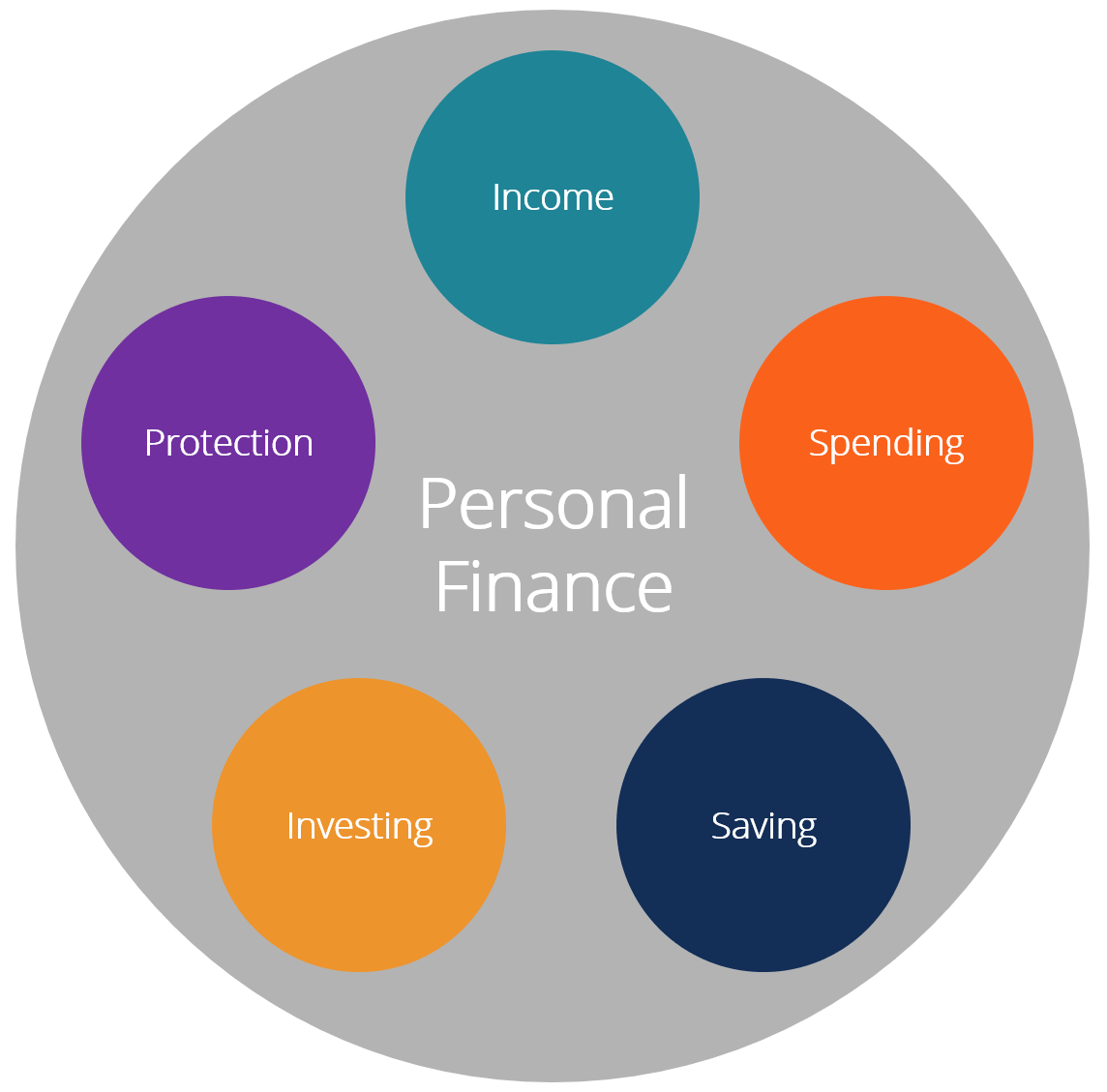
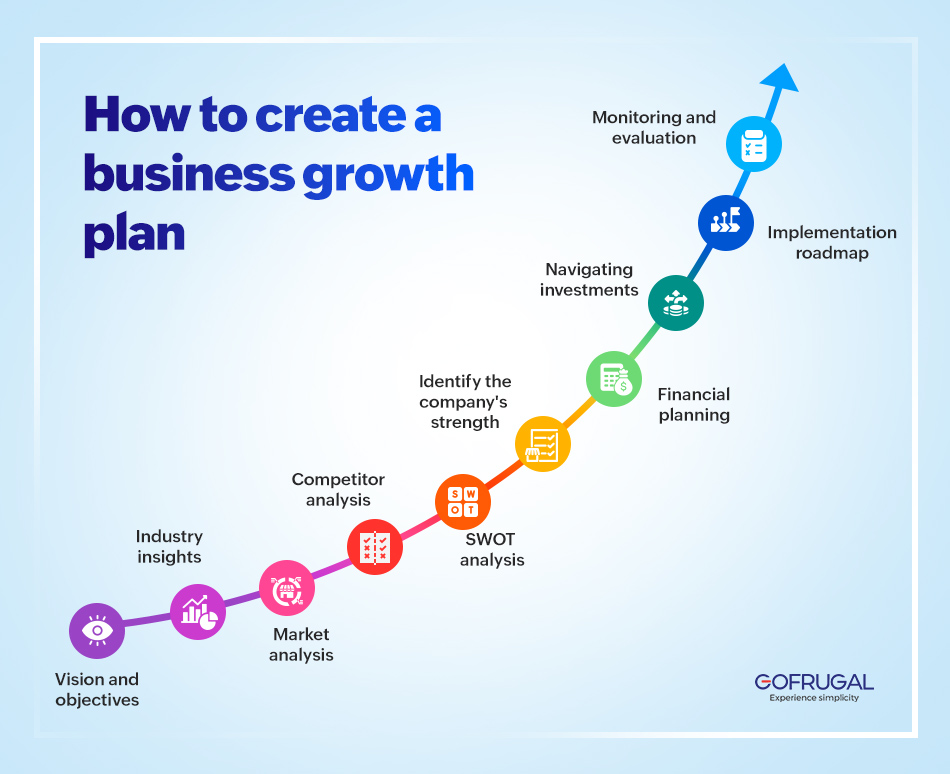
In an environment of rising inequality, individuals and businesses must take proactive steps to protect and grow their financial positions. Financial literacy is more important than ever. Understanding budgeting, saving, and investing can help individuals make informed decisions and build resilience.
Diversifying income sources is another key strategy. Side businesses, freelance work, and digital opportunities can provide additional income streams and reduce dependence on a single source of earnings.
For businesses, adapting to changing economic conditions is essential. This includes managing costs, investing in technology, and exploring new markets. Companies that remain flexible and innovative are better positioned to succeed in uncertain times.
A Critical Moment for the Future of the American Economy
The warning highlighted by JPMorgan Chase underscores a broader reality: the U.S. economy is at a crossroads. While growth continues, the benefits of that growth are not evenly distributed, raising important questions about fairness, opportunity, and long-term stability.
Addressing inequality is not just a social issue—it is an economic necessity. A more balanced distribution of wealth and opportunity can lead to stronger consumer demand, greater innovation, and a more resilient economy.
As 2026 unfolds, the decisions made by policymakers, businesses, and individuals will shape the future of the American Dream. Understanding the forces driving inequality is the first step toward building a more inclusive and sustainable economic system.
Subscribe to trusted news sites like USnewsSphere.com for continuous updates.