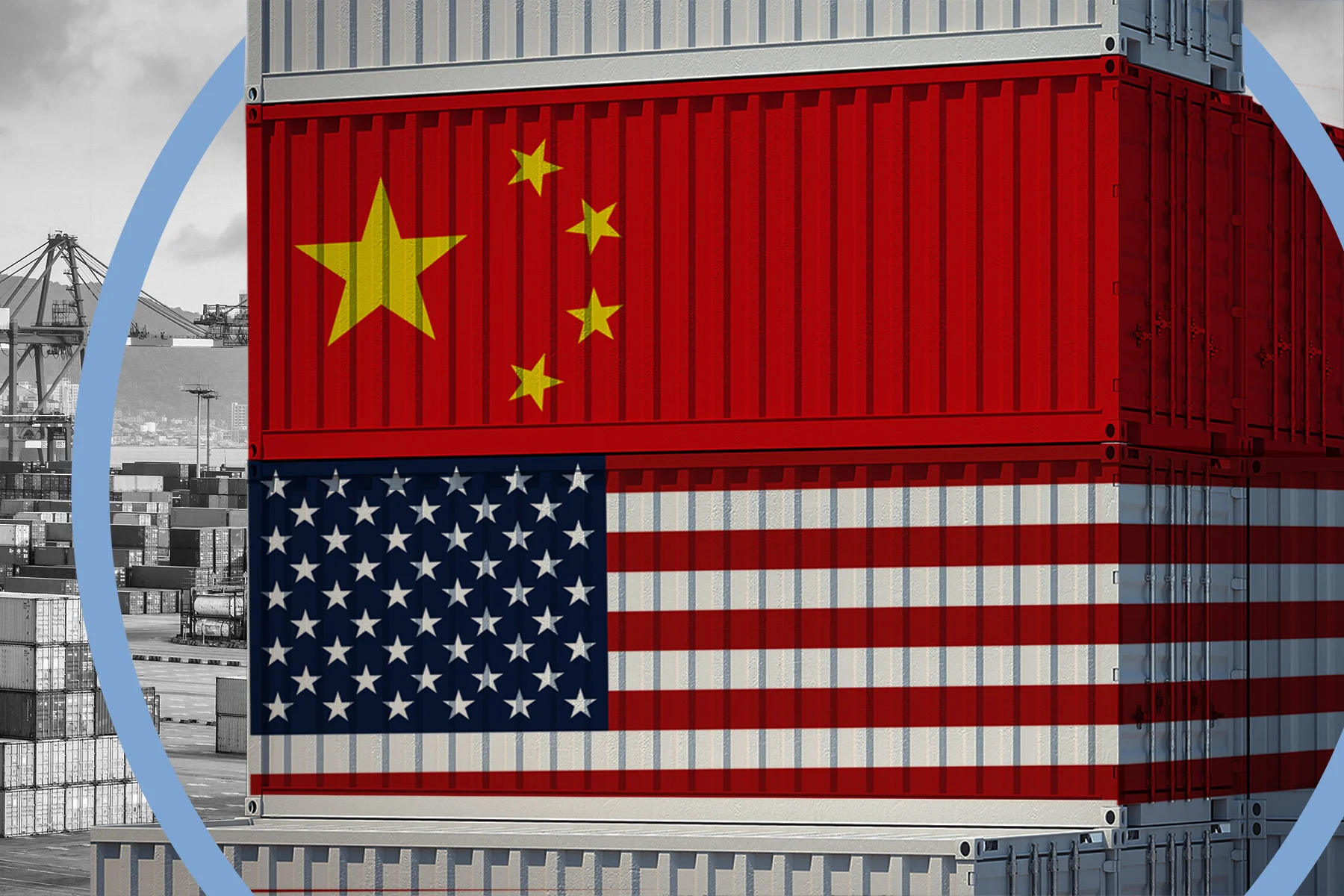
US Trade War Risks Rise Again: How New Tariffs Could Impact Jobs, Prices, and the Stock Market is once again becoming a central concern for investors, policymakers, and everyday Americans as global tensions escalate and new tariffs are being considered across key industries.
In recent months, the global economic environment has shifted dramatically. Trade tensions between major economies—especially the United States and China—are intensifying again, with new tariff proposals targeting sectors like electric vehicles, semiconductors, steel, and green energy products. These developments are not just political—they directly affect job markets, consumer prices, and stock performance across the United States.
For readers looking to understand what this means for their finances, investments, and everyday expenses, this article provides a deep, data-driven analysis of how rising trade war risks could reshape the economic landscape in 2026 and beyond.
Why Trade War Risks Are Rising Again in 2026
Trade tensions are not new, but the current wave is being driven by a mix of economic nationalism, supply chain restructuring, and geopolitical competition. The U.S. government has signaled a stronger stance on protecting domestic industries, particularly in high-tech and manufacturing sectors.
Recent policy discussions suggest potential tariffs of up to 25% or more on certain imported goods, especially from China. This follows earlier measures that were partially relaxed but are now being reconsidered due to national security concerns and domestic economic priorities.
At the same time, China and other trading partners are responding with their own countermeasures. This creates a cycle of retaliation that can escalate quickly, affecting global trade volumes and economic growth. According to data from the World Trade Organization, global trade growth has already slowed to below 3% annually, compared to pre-pandemic levels of over 5%.
The renewed focus on reshoring manufacturing—bringing production back to the U.S.—is another major factor. While this may benefit domestic industries in the long term, it also introduces short-term disruptions and higher costs.
How New Tariffs Could Impact Jobs Across the United States
One of the most immediate concerns for Americans is how tariffs affect employment. The impact is complex and varies by industry.
On the one hand, tariffs can protect domestic industries by making imported goods more expensive. This can lead to job growth in sectors like steel, manufacturing, and energy. For example, previous tariffs on steel imports helped boost U.S. steel production and employment in certain regions.
However, the broader picture is more nuanced. Many U.S. industries rely on imported components. When tariffs increase the cost of these inputs, companies face higher production costs. This can lead to reduced hiring, layoffs, or even relocation of operations.
A study by the Federal Reserve found that past trade tariffs resulted in net job losses in some sectors due to higher input costs and retaliatory tariffs from other countries. Industries like agriculture are particularly vulnerable, as they depend heavily on exports. When other countries impose tariffs on U.S. goods, American farmers and exporters are hit hard.
Small businesses also feel the pressure. Unlike large corporations, they often lack the resources to absorb higher costs or quickly shift supply chains, making them more vulnerable to economic shocks.
Rising Prices and Inflation: What Consumers Should Expect
Tariffs are essentially taxes on imports, and these costs are often passed on to consumers. This means higher prices for a wide range of goods, from electronics and cars to everyday household items.
In recent years, inflation has been a major concern for U.S. households. The introduction of new tariffs could add further upward pressure. For example, tariffs on electric vehicles and batteries could increase the cost of transitioning to clean energy, while tariffs on consumer goods could raise retail prices.
Data from previous trade disputes shows that U.S. consumers bore a significant portion of tariff costs. A report from the National Bureau of Economic Research found that nearly 100% of tariff costs were passed on to domestic buyers.
This creates a ripple effect across the economy. Higher prices reduce purchasing power, leading to lower consumer spending. Since consumer spending accounts for about 70% of U.S. GDP, any slowdown can have significant economic consequences.
Additionally, inflation driven by tariffs can complicate monetary policy. The Federal Reserve may face challenges in balancing inflation control with economic growth, potentially leading to higher interest rates.
Stock Market Volatility and Investment Risks
The stock market is highly sensitive to trade tensions. When new tariffs are announced or even rumored, markets often react immediately with increased volatility.
Sectors most affected include:
- Technology (especially companies reliant on global supply chains)
- Automotive (due to tariffs on parts and vehicles)
- Agriculture (export-dependent companies)
- Industrial manufacturing
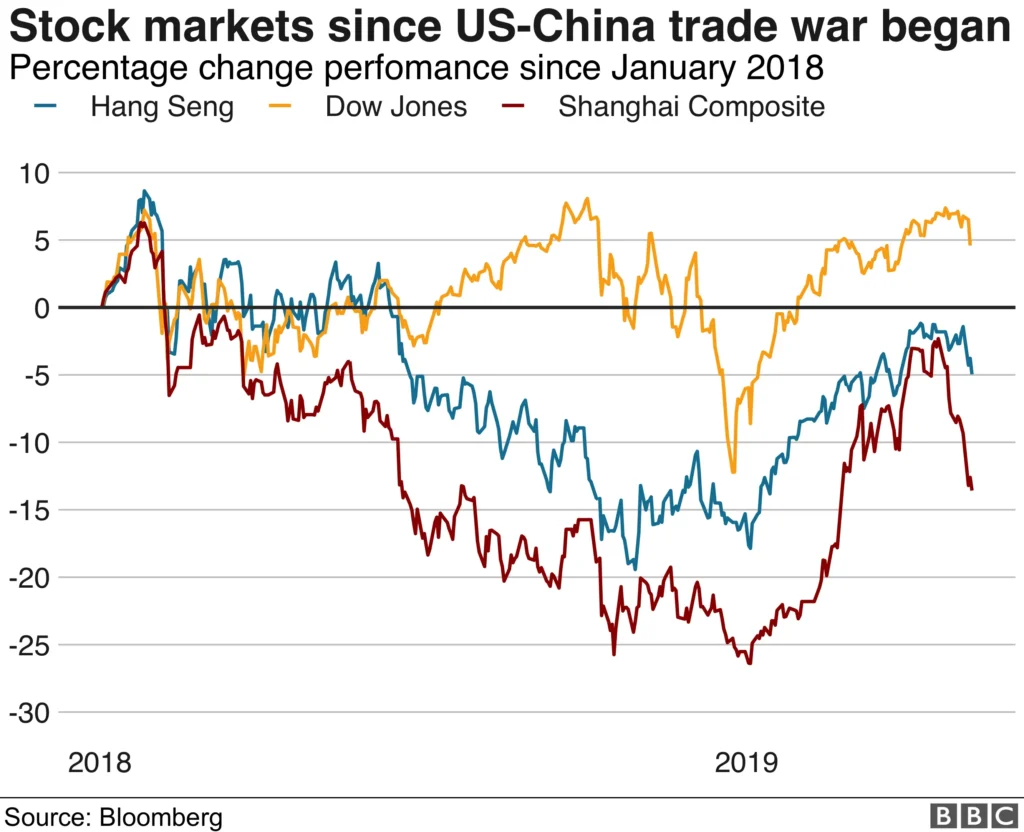
During previous trade conflicts, major indices like the S&P 500 experienced sharp fluctuations. Investors tend to move toward safer assets such as bonds or gold during periods of uncertainty.
However, not all sectors suffer. Some domestic-focused industries may benefit from reduced foreign competition. For example, U.S.-based manufacturing firms could see increased demand if imports become more expensive.
Here’s a simplified breakdown of potential market impacts:
| Sector | Impact from Tariffs | Outlook |
|---|---|---|
| Technology | Negative | Volatile |
| Manufacturing | Mixed (some benefits) | Moderate growth |
| Agriculture | Negative | High risk |
| Energy | Slightly positive | Stable |
| Consumer Goods | Negative (higher costs) | Weak margins |
Investors should be cautious and consider diversifying portfolios to manage risk during uncertain times.
Global Economic Ripple Effects and Supply Chain Shifts
Trade wars don’t just affect the U.S.—they reshape the global economy. Companies are increasingly rethinking their supply chains to reduce dependence on any single country.
This has led to a shift toward “China+1” strategies, where businesses diversify production to countries like Vietnam, India, and Mexico. While this reduces risk, it also increases complexity and costs.
Global GDP growth could slow if trade tensions escalate further. The International Monetary Fund has warned that prolonged trade disputes could reduce global economic output by trillions of dollars over the next decade.
Emerging markets are particularly vulnerable, as they depend heavily on global trade flows. Currency fluctuations, reduced exports, and capital outflows are common consequences.
To understand broader economic impacts and data trends, readers can explore insights from the International Monetary Fund:
https://www.imf.org/en/Publications/WEO
Expert Outlook: What Comes Next for the US Economy
Economists and market analysts remain divided on the long-term impact of renewed trade tensions.
Some argue that tariffs are necessary to protect national interests and rebuild domestic industries. They believe that short-term pain could lead to long-term economic resilience.
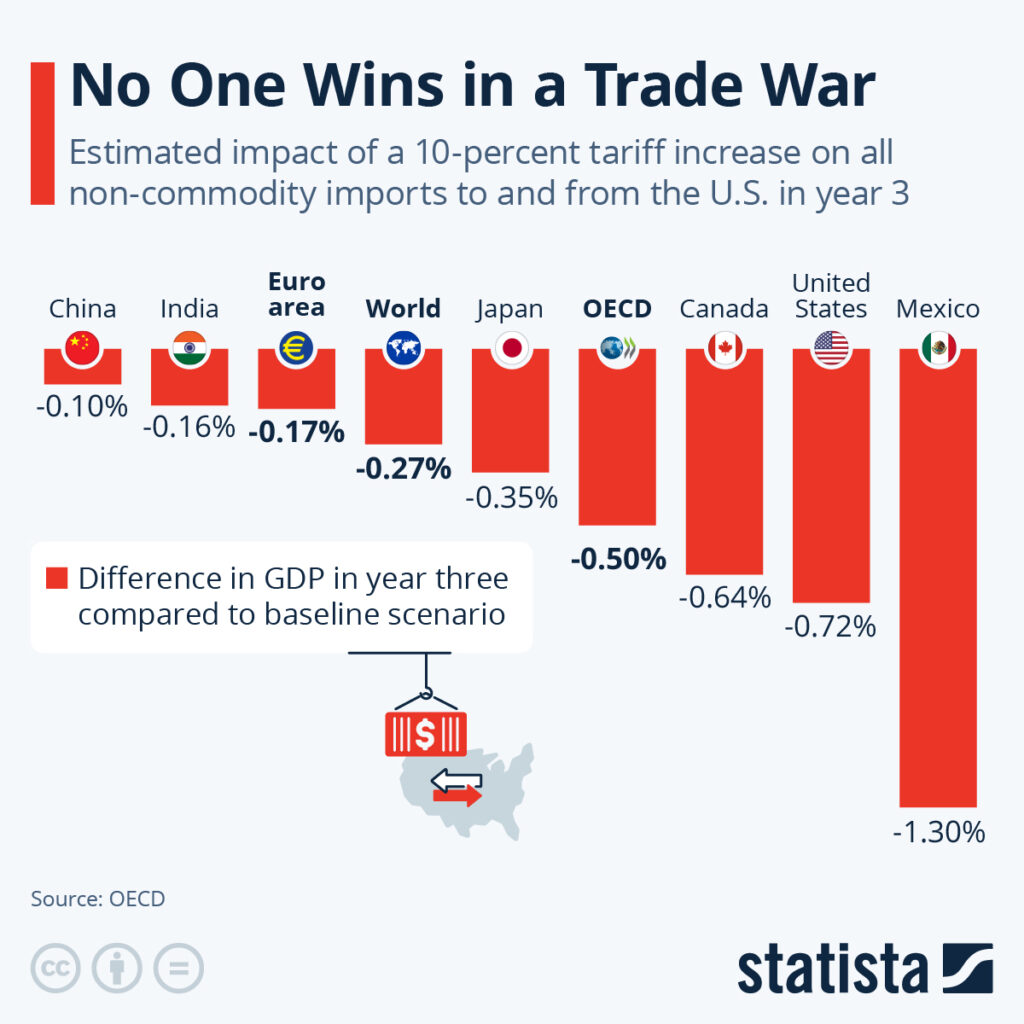
Others warn that trade wars rarely produce clear winners. The interconnected nature of the global economy means that disruptions can have widespread unintended consequences.
Key risks to watch include:
- Escalation of retaliatory tariffs
- Prolonged inflation pressures
- Slower global economic growth
- Increased market volatility
On the positive side, there are potential opportunities. Companies that adapt quickly to new supply chains or focus on domestic markets may emerge stronger.
Investors and businesses should closely monitor policy developments and remain flexible in their strategies.
Navigating Uncertainty in a Changing Trade Landscape
The resurgence of trade war risks in 2026 is more than just a political issue—it is a defining economic challenge that could shape jobs, prices, and financial markets for years to come.
For American consumers, this means preparing for potential price increases and economic uncertainty. For workers, it highlights the importance of industry shifts and job market resilience. And for investors, it underscores the need for careful risk management and diversification.
While the full impact of new tariffs is still unfolding, one thing is clear: global trade dynamics are entering a new phase. Staying informed and adapting to these changes will be critical for navigating the evolving economic landscape.
Subscribe to trusted news sites like USnewsSphere.com for continuous updates.