Israel War Protests Trigger Global Market Uncertainty: What Investors Need to Know — this headline is no longer just about political unrest; it represents a growing financial concern that is influencing global markets, investor sentiment, and economic stability. As thousands of citizens across Israel take to the streets demanding an end to the ongoing conflict, the ripple effects are already being felt across oil prices, stock markets, and safe-haven assets like gold.
Recent developments show that geopolitical tensions are once again becoming a key driver of financial volatility. Investors worldwide, especially in the United States and Europe, are closely monitoring the situation as uncertainty grows. Historically, such events have triggered sharp movements in commodities and equities, and the current scenario appears no different.
Rising Geopolitical Tensions and Market Sentiment Shift
The surge in protests across Israel reflects deeper instability within the region. While the demonstrations are primarily political and social in nature, financial markets interpret them as signals of prolonged uncertainty. When internal unrest coincides with external conflict, the risk premium across global markets increases significantly.
Investor sentiment has already begun shifting toward caution. Large institutional investors tend to reduce exposure to high-risk assets during such times, reallocating capital into safer investments. This shift creates downward pressure on equities while boosting demand for assets like gold and government bonds.
Additionally, volatility indices often spike during geopolitical unrest. This indicates that traders are pricing in higher risk, leading to increased market fluctuations. For retail investors, this environment can be both an opportunity and a threat, depending on strategy and risk management.
Oil Prices React to Middle East Instability

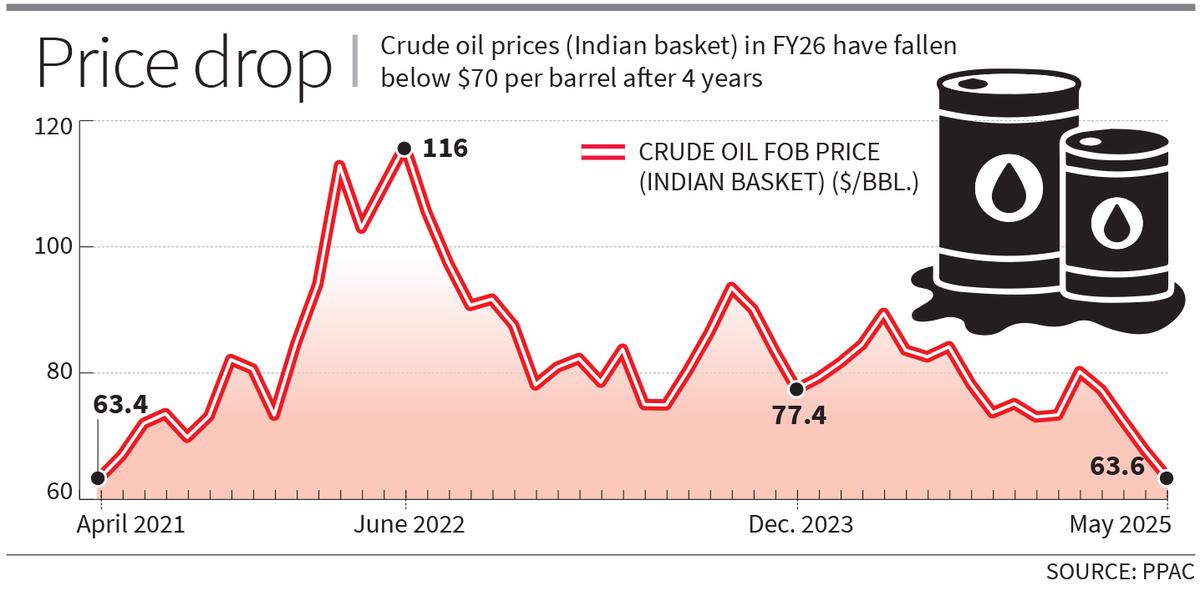
One of the most immediate financial impacts of the Israel protests and broader conflict is seen in the oil market. The Middle East plays a crucial role in global energy supply, and any instability in the region raises concerns about potential disruptions.
Recent data suggests that oil prices have shown upward momentum as traders anticipate possible supply constraints. Even the perception of risk can push prices higher, as markets tend to react quickly to geopolitical signals. Brent crude and WTI benchmarks often surge during such periods, affecting everything from transportation costs to inflation.
For the U.S. economy, rising oil prices can lead to increased fuel costs, which in turn impact consumer spending and corporate profitability. This creates a chain reaction that influences stock market performance, especially in sectors like airlines, logistics, and manufacturing.
Gold and Safe-Haven Assets See Increased Demand
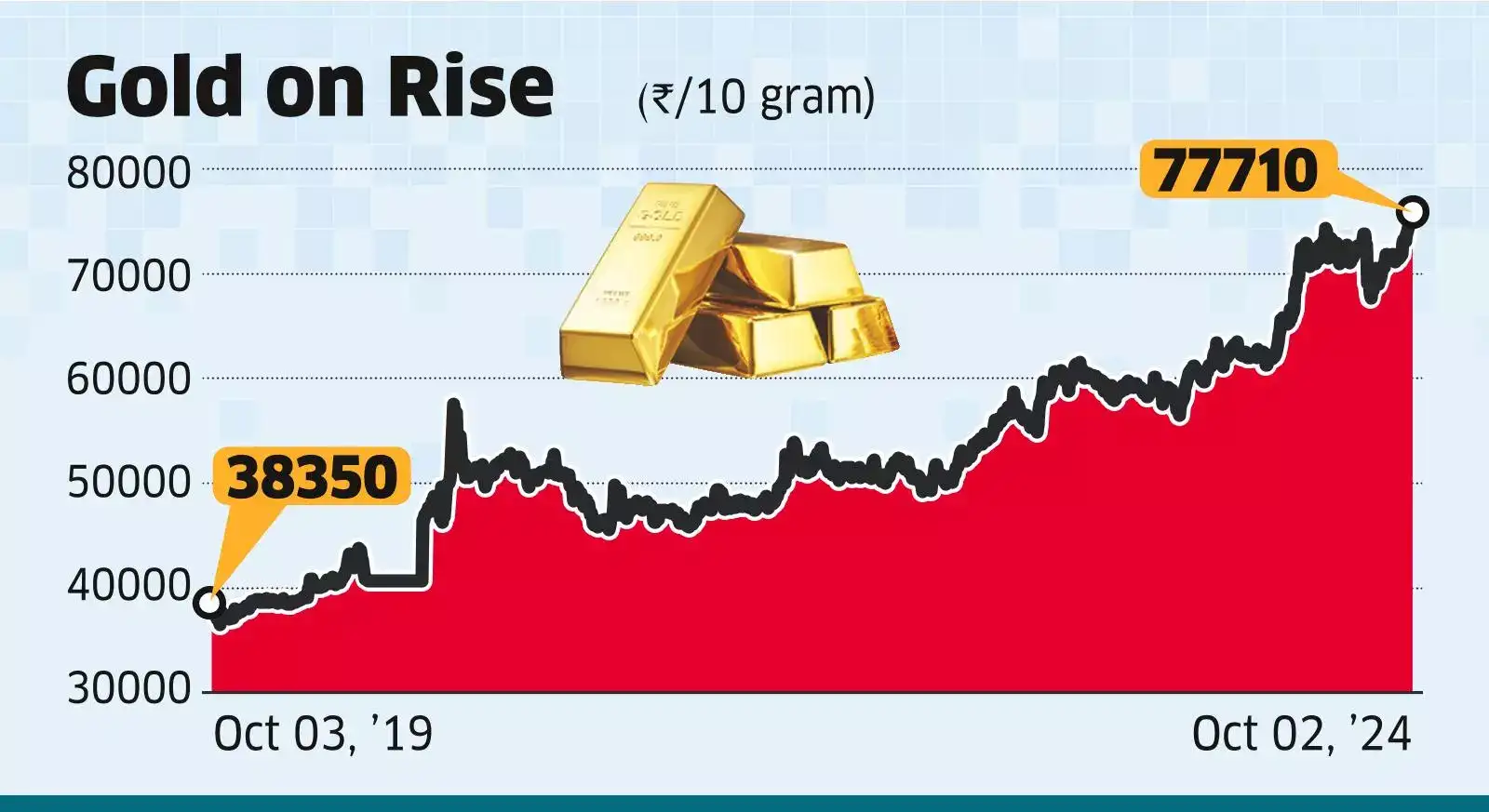


Whenever uncertainty rises, investors traditionally turn to safe-haven assets, and gold remains at the top of that list. The current situation is no exception. As protests intensify and geopolitical risks increase, gold prices have started gaining traction.
This movement is driven by the need to preserve capital during volatile times. Unlike equities, which can be highly sensitive to market sentiment, gold is viewed as a stable store of value. Central banks and institutional investors often increase their gold holdings during such periods, further driving demand.
Apart from gold, other safe-haven assets such as the U.S. dollar and Treasury bonds are also experiencing increased interest. This shift highlights a broader trend where investors prioritize security over growth during uncertain times.
Stock Market Volatility and Sector-Wise Impact
Global stock markets are reacting cautiously to the unfolding situation. While there hasn’t been a full-scale market crash, volatility levels have increased, and certain sectors are more affected than others.
Energy stocks, for instance, often benefit from rising oil prices. Companies involved in oil production and exploration may see short-term gains. On the other hand, sectors like travel, aviation, and retail tend to suffer due to higher costs and reduced consumer confidence.
Technology stocks, which are typically growth-oriented, may also face pressure as investors shift toward safer investments. This rotation from growth to value and defensive sectors is a common pattern during geopolitical crises.
In the United States, indices like the S&P 500 and Nasdaq are closely tied to global sentiment. Any escalation in the Israel situation could lead to sharper corrections, especially if combined with other macroeconomic factors like inflation or interest rate changes.
Historical Patterns: How Markets React to War and Protests
Looking at historical data, geopolitical conflicts have consistently influenced financial markets. Events such as the Gulf War, the Iraq War, and more recent tensions in Eastern Europe have all triggered similar market reactions.
Typically, the initial phase of conflict leads to a spike in volatility and a drop in equities. This is followed by a stabilization period where markets adjust to the new reality. In some cases, markets even recover quickly once uncertainty begins to decline.
For example, during past Middle East conflicts, oil prices often surged by 10% to 25% within short periods. Gold prices also experienced significant upward movement as investors sought safety. These patterns provide valuable insights for current investors trying to navigate the present situation.
Understanding these historical trends can help investors make informed decisions rather than reacting emotionally to market fluctuations.
What Investors Should Do Now: Strategy and Risk Management
In times of geopolitical uncertainty, having a clear investment strategy is crucial. The current situation calls for a balanced approach that combines risk management with opportunity identification.
Diversification remains one of the most effective strategies. Investors should avoid overexposure to a single asset class or region. Allocating funds across equities, commodities, and fixed-income assets can help reduce overall risk.
Short-term traders may find opportunities in volatility, particularly in commodities like oil and gold. However, this requires careful timing and a strong understanding of market dynamics. Long-term investors, on the other hand, should focus on fundamentally strong assets that can withstand temporary disruptions.
Risk management tools such as stop-loss orders and portfolio rebalancing are essential in volatile environments. Investors should also stay informed through credible sources and avoid making impulsive decisions based on headlines alone.
Global Market Outlook and Key Risks Ahead
The future trajectory of global markets will largely depend on how the situation in Israel unfolds. If protests lead to de-escalation and peace negotiations, markets may stabilize quickly. However, if tensions escalate further, the impact could be more severe.
Key risks to watch include potential disruptions in oil supply, broader regional instability, and shifts in global economic policies. Central banks may also adjust their strategies in response to rising inflation or market volatility.
For investors in the U.S. and Europe, the interconnected nature of global markets means that even distant conflicts can have direct financial implications. Staying informed and prepared is essential in navigating this complex landscape.
Turning Uncertainty into Opportunity
The ongoing protests in Israel are more than just a political development—they are a significant factor influencing global financial markets. From rising oil prices to increased demand for gold and shifting stock market dynamics, the impact is widespread and evolving.
For investors, this environment presents both challenges and opportunities. Those who understand market trends, manage risk effectively, and remain disciplined in their approach are more likely to navigate uncertainty successfully.
As history has shown, markets eventually adapt to geopolitical events. The key lies in staying informed, making data-driven decisions, and maintaining a long-term perspective.
Subscribe to trusted news sites like USnewsSphere.com for continuous updates.