Putin Says India Is the 3rd Most Powerful Economy: What It Means for the World Economy
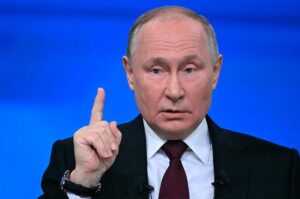
Putin says India is the 3rd most powerful economy, and this statement is rapidly gaining global attention as geopolitical dynamics shift and emerging markets redefine economic leadership. The claim, highlighted in a widely circulated video, reflects not just Russia’s strategic positioning but also a broader global trend where traditional Western dominance is being challenged by fast-growing economies like India.
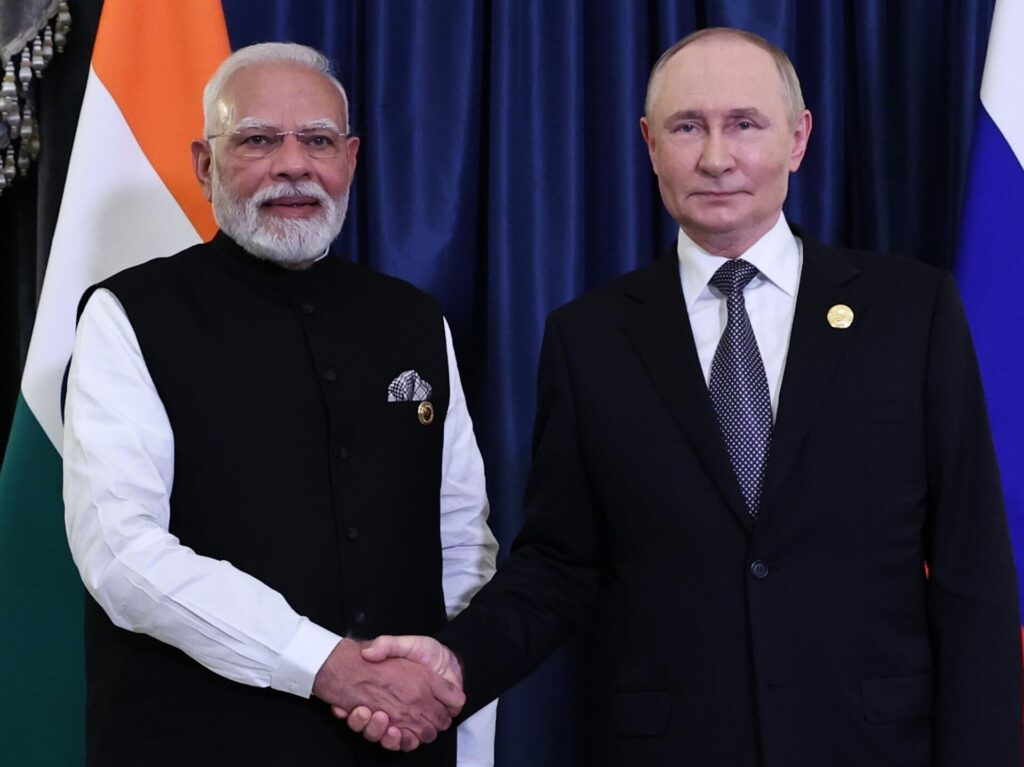
This statement is more than political rhetoric—it reflects real economic momentum backed by data, trade partnerships, and demographic advantages. As the world transitions into a multipolar economic system, India’s rise is becoming impossible to ignore. From GDP growth to technological expansion, India is positioning itself as a future economic superpower, and Russia is openly acknowledging that shift.
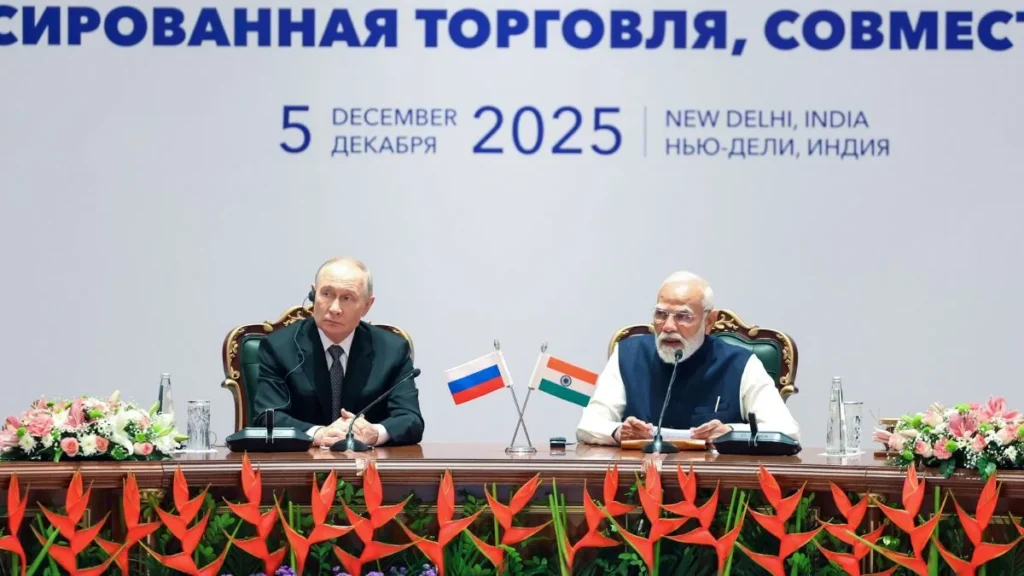
At the same time, Putin’s remarks about Russia not needing G8 membership signal a deeper transformation in global alliances. Instead of relying on Western-led economic blocs, countries like Russia and India are increasingly forming independent partnerships that reshape global trade and power structures.
India’s Economic Rise: Data Behind the Global Recognition
India’s economic growth over the past decade has been one of the most significant developments in the global financial landscape. According to international financial institutions, India has already surpassed several major economies and is on track to become the third-largest economy in nominal GDP within the next few years.
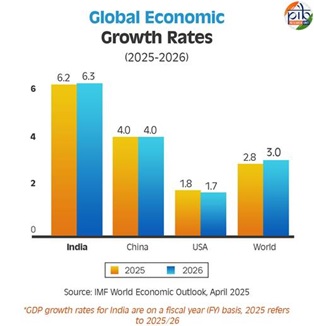
The country’s GDP growth rate consistently outpaces many developed nations. With a strong domestic market of over 1.4 billion people, India benefits from both consumption-driven growth and expanding industrial output. Key sectors such as information technology, manufacturing, renewable energy, and digital services are contributing significantly to this expansion.
One of the most important drivers of India’s economic rise is its demographic advantage. A young workforce combined with increasing urbanization is fueling productivity and innovation. Additionally, government initiatives like infrastructure development, digital transformation, and foreign investment policies are accelerating growth further.
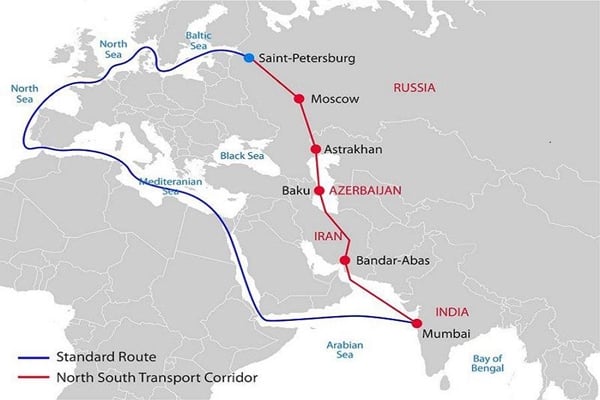
Another crucial factor is India’s growing role in global supply chains. As companies diversify away from China, India is becoming a preferred destination for manufacturing and outsourcing. This shift is strengthening India’s position in global trade and reinforcing its status as a rising economic powerhouse.
Why Putin Highlighted India’s Economic Power
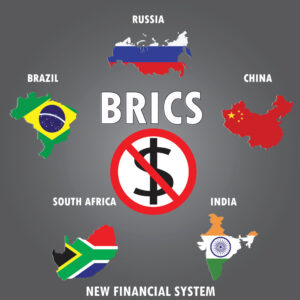
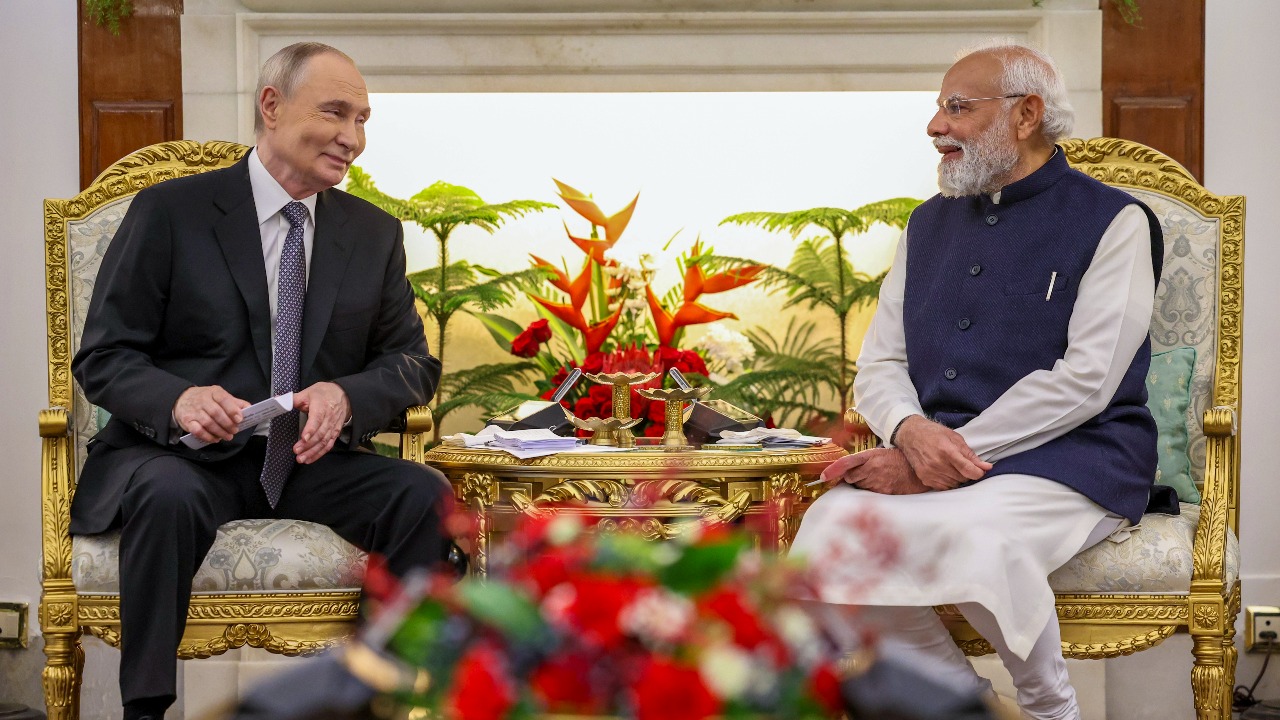
Putin’s statement about India being the third most powerful economy is not just an observation—it reflects Russia’s strategic alignment with emerging economies. As geopolitical tensions with Western nations continue, Russia is actively strengthening ties with countries like India, China, and other BRICS nations.
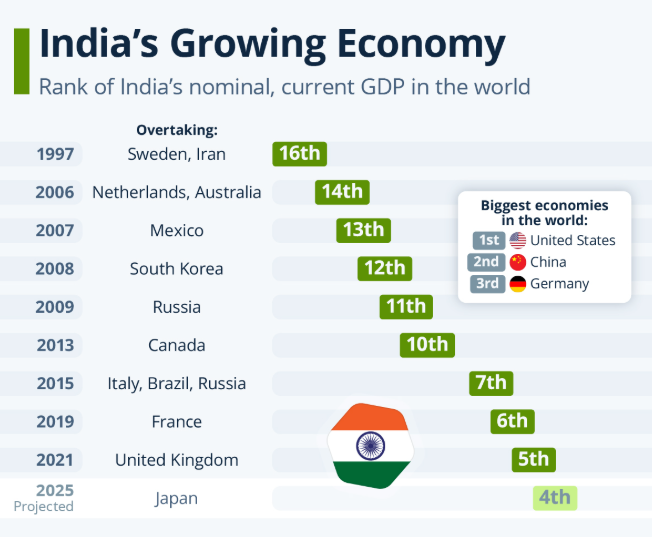
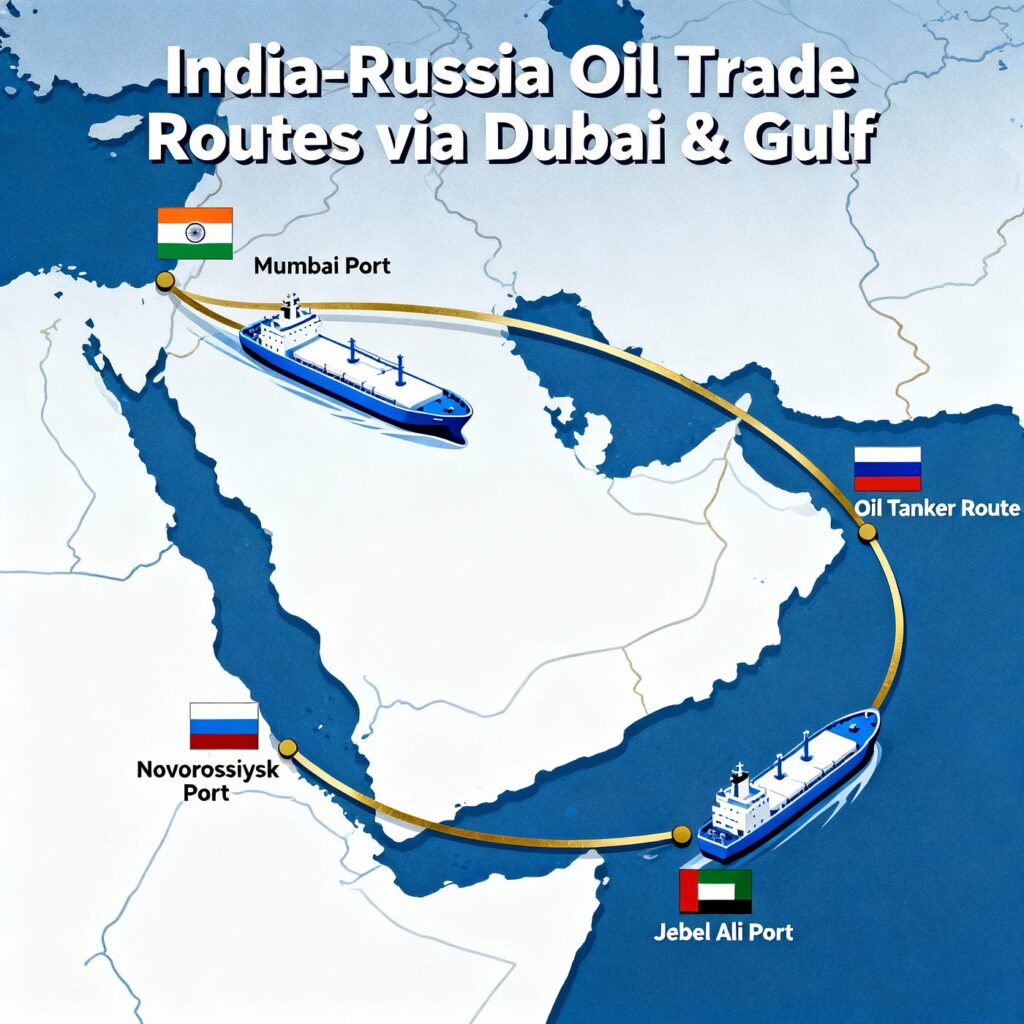
India plays a crucial role in Russia’s economic strategy, particularly in energy trade. India has become one of the largest buyers of Russian oil, helping Russia maintain its export revenues despite sanctions from Western countries. This mutually beneficial relationship highlights the growing importance of alternative economic partnerships.
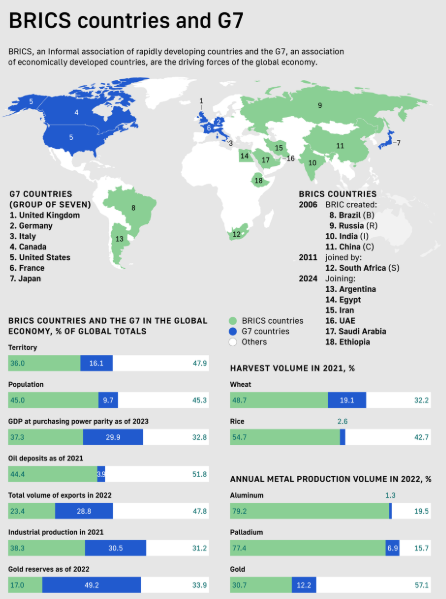
Furthermore, Russia recognizes India as a stable and rapidly growing market. Unlike many developed economies facing stagnation or recession risks, India offers long-term growth potential. This makes it an attractive partner for trade, investment, and technological collaboration.
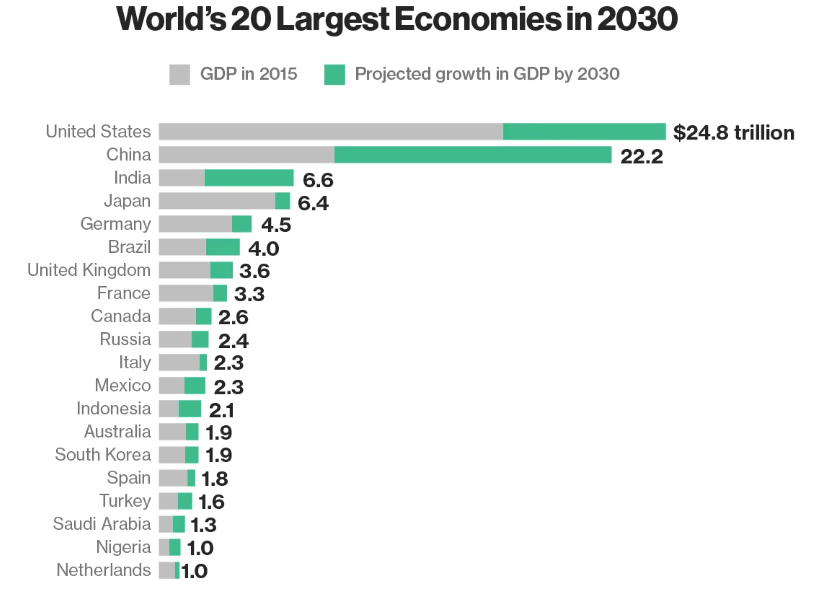
Putin’s remarks also serve a broader geopolitical purpose. By emphasizing India’s rise, Russia is indirectly challenging the traditional dominance of Western economies and promoting a more balanced global economic order.
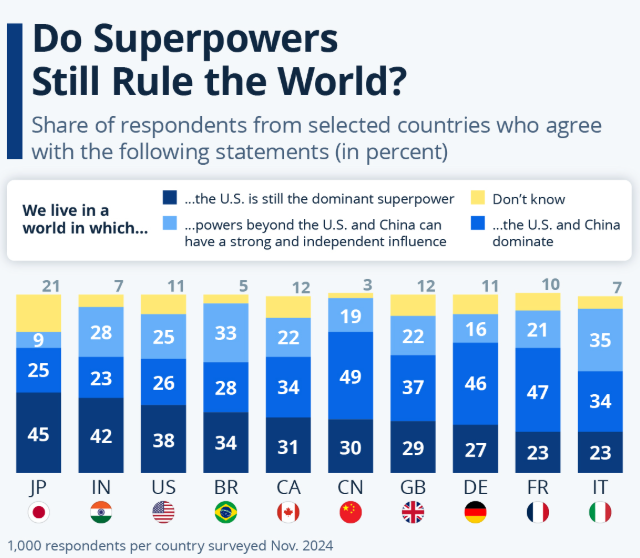
Russia’s Rejection of G8 Membership: A Strategic Shift
Another key part of the discussion is Russia’s stance on the G8. Putin’s statement that Russia does not need G8 membership reflects a fundamental shift in global power structures.
The G8, once considered the most influential group of advanced economies, has lost some of its relevance in a world where emerging markets are driving growth. Countries like India, China, and Brazil are now central to global economic expansion, making older institutions less representative of current realities.
Russia’s exclusion from the G8 after geopolitical conflicts has further accelerated its pivot toward alternative alliances. Instead of seeking re-entry, Russia is focusing on strengthening organizations like BRICS, which include major emerging economies.
This shift indicates a move away from Western-dominated economic systems toward more inclusive and diversified global partnerships. It also highlights the growing importance of countries like India in shaping the future of global governance and economic cooperation.
Global Reactions: What Experts and Markets Are Saying
Putin’s comments have sparked widespread discussion among economists, policymakers, and investors. Many experts agree that India’s economic trajectory supports the claim of becoming the third-largest economy, but opinions vary on the timeline and implications.
Financial markets have responded positively to India’s growth story. Global investors are increasingly allocating funds to Indian equities, startups, and infrastructure projects. This surge in investment is further boosting India’s economic momentum.
At the same time, some analysts caution that challenges remain. Issues such as income inequality, infrastructure gaps, and regulatory complexities need to be addressed for sustained growth. However, the overall outlook remains highly optimistic.
International organizations have also recognized India’s potential. Reports consistently highlight India as one of the fastest-growing major economies, with strong prospects for long-term expansion. This growing recognition aligns with Putin’s statement and reinforces India’s rising global status.
How India’s Growth Impacts the Global Economy
India’s emergence as a top economic power has far-reaching implications for the global economy. One of the most significant impacts is the shift in economic influence from the West to the East.
As India’s economy grows, it is becoming a key driver of global demand. This benefits not only domestic industries but also international companies looking to tap into a large and expanding market. From technology firms to consumer goods companies, businesses worldwide are increasingly focusing on India.
Another important impact is on global trade patterns. India’s growing manufacturing capabilities and export potential are reshaping supply chains. This diversification reduces reliance on a single country and creates more resilient global trade networks.
India’s rise also influences geopolitical dynamics. As an economic powerhouse, India has greater leverage in international negotiations and policy-making. This strengthens its position in global forums and allows it to play a more active role in shaping the future of the world economy.
The Future Outlook: Can India Sustain Its Momentum?
The big question now is whether India can sustain its rapid growth and fully realize its potential as the third-largest economy. The answer largely depends on how effectively the country addresses its challenges while leveraging its strengths.
Infrastructure development will be a key factor. Continued investment in transportation, energy, and digital infrastructure is essential for supporting economic expansion. Additionally, improving education and skill development will ensure that the workforce remains competitive in a rapidly evolving global economy.
Policy stability and regulatory reforms will also play a crucial role. By creating a business-friendly environment, India can attract more foreign investment and encourage domestic entrepreneurship. This will further accelerate growth and innovation.
Another important aspect is technological advancement. India’s strong IT sector and growing startup ecosystem provide a solid foundation for future growth. By embracing emerging technologies such as artificial intelligence, renewable energy, and digital finance, India can maintain its competitive edge.
A Defining Moment in Global Economic Power Shift
Putin’s statement that India is the third most powerful economy reflects a broader transformation in the global economic landscape. As traditional power structures evolve, emerging economies like India are taking center stage.
India’s growth story is backed by strong fundamentals, including a large population, expanding industries, and increasing global integration. While challenges remain, the overall trajectory is clear—India is on its way to becoming one of the world’s leading economic powers.
At the same time, Russia’s rejection of G8 membership highlights the declining relevance of older economic institutions and the rise of new alliances. This shift marks a significant turning point in global economic governance.
For investors, policymakers, and businesses, understanding these changes is crucial. The rise of India and the reconfiguration of global alliances present both opportunities and challenges that will shape the future of the world economy.
As the global economic order continues to evolve, one thing is certain: India’s role will only grow stronger, and its impact will be felt across every corner of the world.
Subscribe to trusted news sites like USnewsSphere.com for continuous updates.