
BlackRock’s $26B Fund Withdrawal Shock Sends Warning Across U.S. Markets: Is Private Credit the Next Financial Risk? The sudden decision by the world’s largest asset manager to restrict withdrawals from a flagship private credit fund has sparked intense debate across Wall Street about liquidity risks and the long-term stability of the rapidly expanding private lending market.

In early 2026, investors attempted to withdraw about $1.2 billion from BlackRock’s $26 billion HPS Corporate Lending Fund (HLEND)—a level that represented roughly 9.3% of the fund’s assets. However, the fund’s structure allows only 5% of total assets to be redeemed per quarter, forcing the company to cap withdrawals at around $620 million.
The move immediately triggered market reactions. Shares of BlackRock declined by roughly 7% in a single trading session, while other alternative asset managers also saw declines as investors reassessed risks in private credit investments.
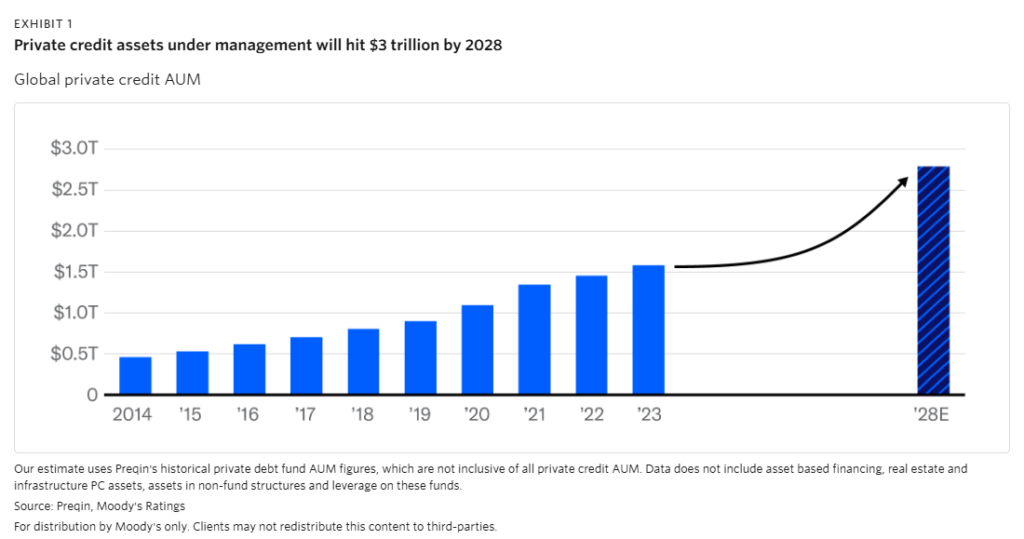
This development is not just about one fund—it is raising broader questions about whether the booming $2 trillion private credit industry could face a new period of stress as economic conditions tighten and liquidity concerns increase.
Table of Contents

Why BlackRock Restricted Withdrawals From Its $26 Billion Lending Fund
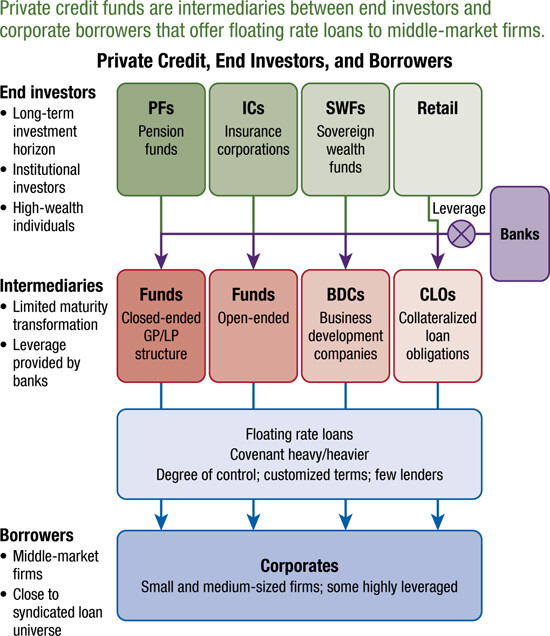
BlackRock introduced the withdrawal cap to protect the long-term structure of the lending portfolio within the HLEND fund. Private credit investments typically involve loans to mid-size companies that cannot easily access traditional bank financing. These loans often have multi-year maturities, meaning the underlying assets are not liquid.
Because of this structure, allowing unlimited withdrawals could force fund managers to sell loans quickly or at discounted prices. By limiting withdrawals to 5% per quarter, the firm aims to maintain stability and protect returns for long-term investors.
The fund itself has historically delivered solid performance, reporting annualized returns above 10% since inception. However, rising redemption requests signal that investors are becoming more cautious as economic uncertainty increases and default risks rise across the corporate credit market.
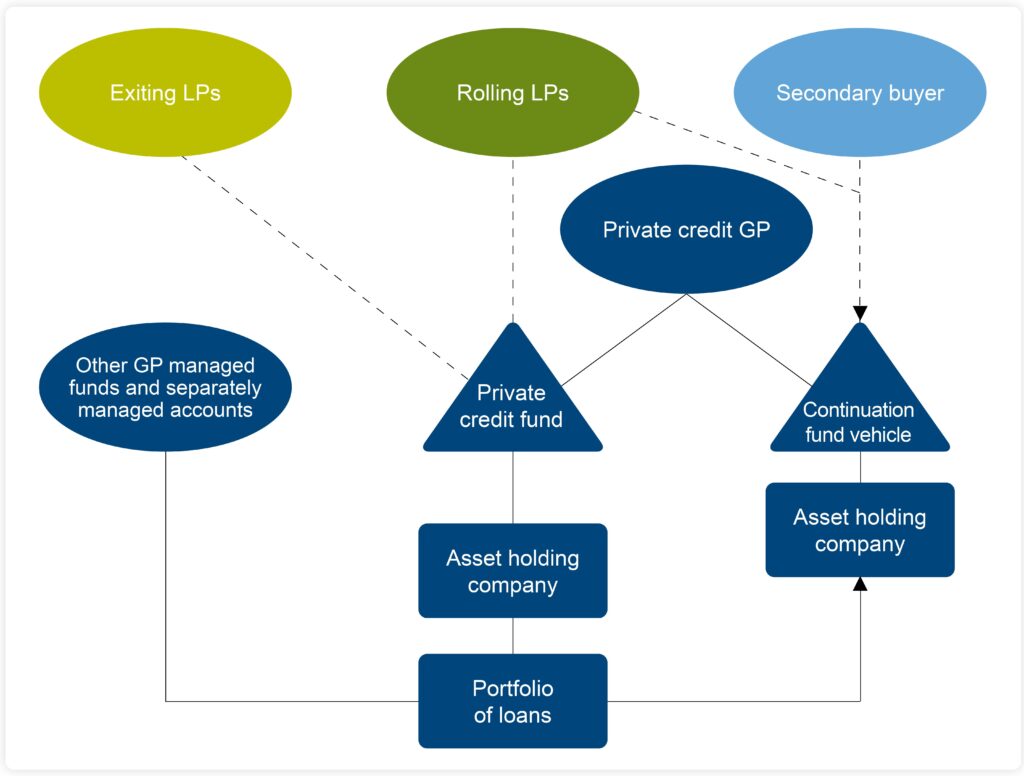
This situation highlights a key structural challenge in private credit: investors often expect liquidity similar to mutual funds, but the underlying assets behave more like long-term private loans.

Private Credit Boom Meets Liquidity Stress
Over the past decade, private credit has grown into one of the fastest-expanding segments of global finance. The market is now estimated to be worth between $1.8 trillion and $3 trillion globally, according to multiple industry analyses.
This growth was driven by several major trends:
- Banks reduced lending after the 2008 financial crisis due to stricter regulations.
- Institutional investors searched for higher yields in a low-interest-rate environment.
- Asset managers expanded into direct lending to corporations.
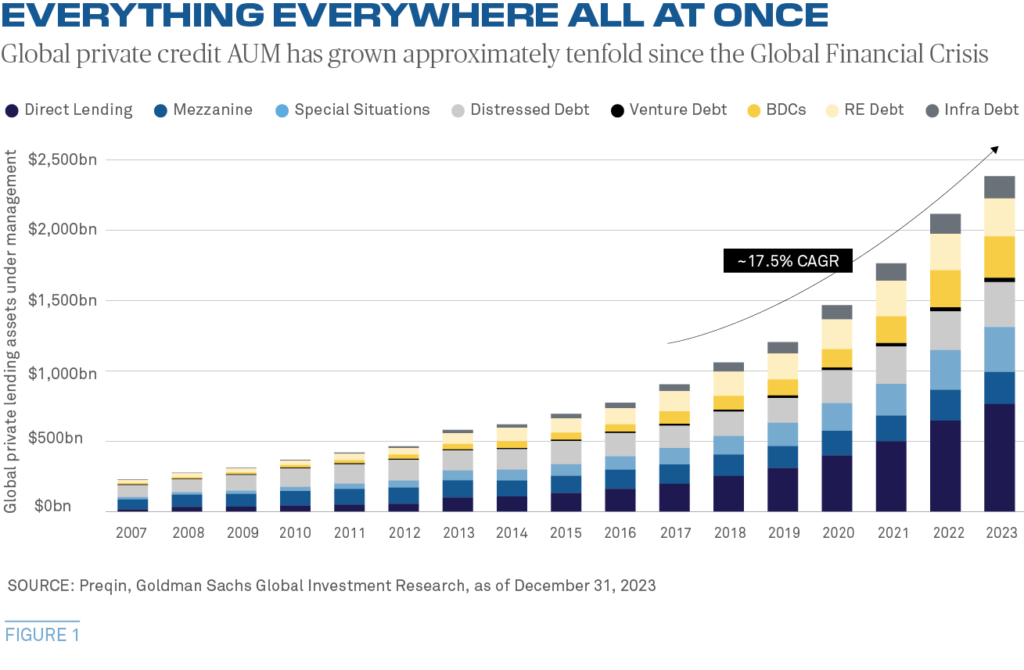
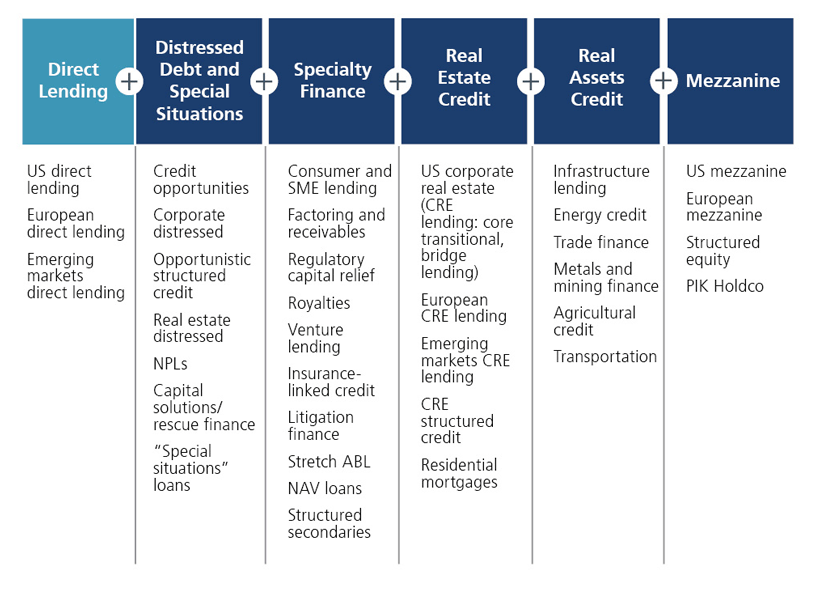
As a result, firms such as BlackRock, Apollo, Ares, Blackstone, and Blue Owl built massive private credit platforms. These funds now finance everything from technology startups to mid-size industrial companies.
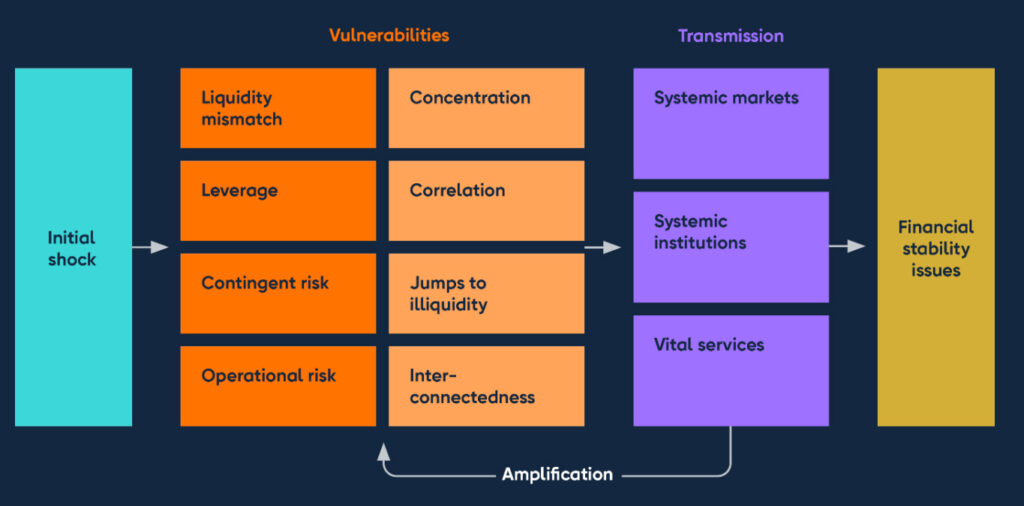
However, the same features that fueled growth are now raising concerns. Many funds offer investors periodic liquidity even though the loans themselves cannot be easily sold. When investors request withdrawals at the same time, managers must impose redemption limits or suspend withdrawals entirely.

Recent industry events have highlighted this risk. For example, another large private credit manager recently halted withdrawals from a retail-focused fund, triggering sharp market reactions and comparisons to early warning signs seen before the 2008 financial crisis.
While analysts say the situation is not yet systemic, it is forcing investors to reconsider the true liquidity of these investments.

How Wall Street and the Stock Market Reacted
The announcement from BlackRock quickly spread through global financial markets. The company’s stock fell by around 7%, reflecting investor concerns that the redemption cap could signal broader stress in private lending markets.
Other alternative asset managers also experienced declines as traders began to question the stability of the entire sector. Companies with heavy exposure to private credit—such as Apollo, KKR, and Blue Owl—have seen share prices drop significantly in recent months.
Despite the short-term market reaction, some analysts argue that BlackRock’s move actually demonstrates prudent risk management. By enforcing strict redemption rules, the company is preventing forced asset sales that could damage the fund’s long-term performance.
Market strategists note that private credit funds often include built-in redemption limits precisely to avoid liquidity mismatches. From that perspective, the decision may reflect disciplined fund management rather than financial distress.
Still, the optics of investors rushing to withdraw funds have created uncertainty in the broader market.
The Macro Economic Forces Behind the Investor Withdrawals
Several macroeconomic trends are driving investor caution in the private credit market.
Higher interest rates over the past two years have increased borrowing costs for companies that rely heavily on private loans. As a result, some borrowers are experiencing financial stress, raising concerns about potential defaults.
At the same time, the Federal Reserve’s evolving monetary policy has created uncertainty about future financing conditions. Investors are reassessing risk across credit markets as the economy transitions from a period of ultra-low interest rates to a more normal environment.
Another factor is valuation transparency. Private loans are not traded daily like public bonds or stocks, making it harder for investors to assess real-time market values. During periods of volatility, this lack of transparency can lead to sudden redemption waves.
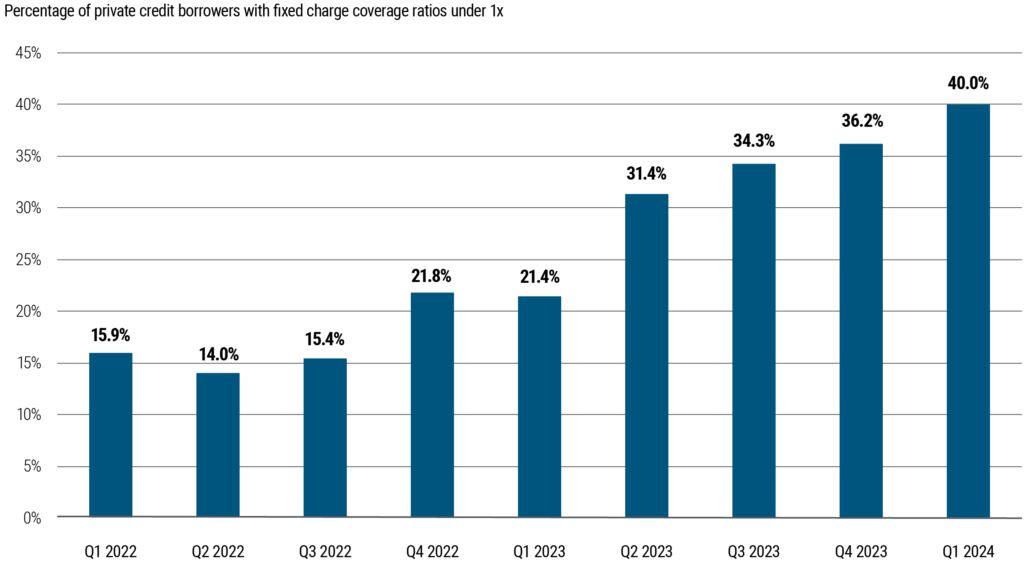
Data from credit rating agencies also shows that default rates in privately monitored U.S. loans increased in recent years, reinforcing concerns about the health of some borrowers.
These macro trends help explain why investors are suddenly more cautious about an asset class that was previously considered a stable income generator.
Market Outlook: Is Private Credit the Next Financial Risk?
The key question now facing investors is whether the recent redemption surge represents a temporary adjustment or the beginning of a broader shakeout in private markets.
Some industry leaders believe the sector is entering a period of consolidation. Large, diversified asset managers may emerge stronger as weaker funds struggle with liquidity pressures and rising defaults.
Others argue that private credit remains fundamentally sound because loans are typically backed by real corporate cash flows and structured with strong protections for lenders.
However, the sector’s rapid growth means it now plays a significant role in global financial markets. If redemption pressures increase across multiple funds simultaneously, regulators and policymakers may begin paying closer attention to potential systemic risks.
For now, most analysts believe the situation is manageable—but they also acknowledge that the next phase of the credit cycle could test the resilience of private lending funds.
What Investors Should Watch Next
Several indicators will determine whether this event remains an isolated case or signals broader stress.
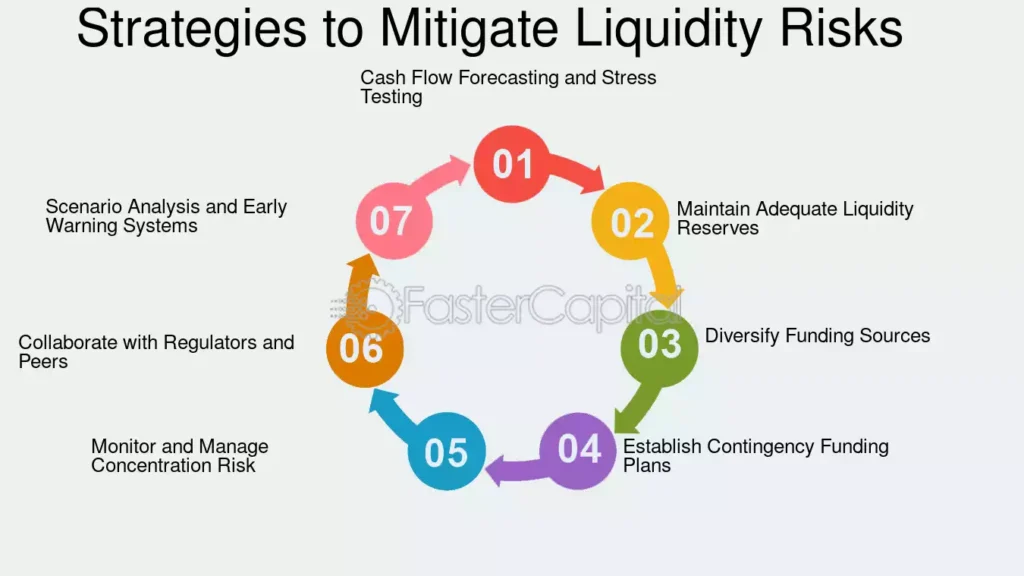
First, investors will closely monitor redemption levels in other large private credit funds. If similar withdrawal caps appear across the industry, it could suggest growing liquidity challenges.
Second, corporate default rates will be a key indicator. A sharp increase in defaults among mid-size borrowers could put pressure on fund returns and investor confidence.
Third, regulatory attention may increase. Policymakers are already examining the risks associated with non-bank lending institutions, often referred to as the “shadow banking” system.
Finally, market sentiment will depend on broader economic conditions. If growth remains stable and credit markets hold up, private credit funds may continue delivering strong returns.
But if economic conditions weaken, the liquidity mismatch inherent in these investments could become a more significant issue.
Conclusion
BlackRock’s decision to cap withdrawals from its $26 billion private credit fund has become one of the most closely watched developments in global finance this year. While the move reflects standard redemption rules within the fund, the scale of investor withdrawal requests has raised new questions about liquidity risks in the rapidly growing private credit market.
With trillions of dollars now invested in private lending strategies, even small shifts in investor sentiment can have large ripple effects across Wall Street. For now, the situation appears manageable, but it serves as a powerful reminder that the next phase of the credit cycle may bring new challenges for both investors and asset managers.
Subscribe to trusted news sites like USnewsSphere.com for continuous updates.