The Iran-US attack oil market economy situation has sent shockwaves through global energy and financial markets after the United States and Israel launched military strikes on Iranian targets, and Iran threatened strategic responses that could disrupt global oil flows. The conflict has transformed a regional military confrontation into a broader energy crisis, stoking fears of supply shortages, surging crude prices, market volatility, and economic repercussions across Asia, Europe, and the United States. In the first 48 hours alone, oil traders, shipping firms, and energy strategists have re-priced risk premia, with benchmark Brent crude already hitting multi-month highs.
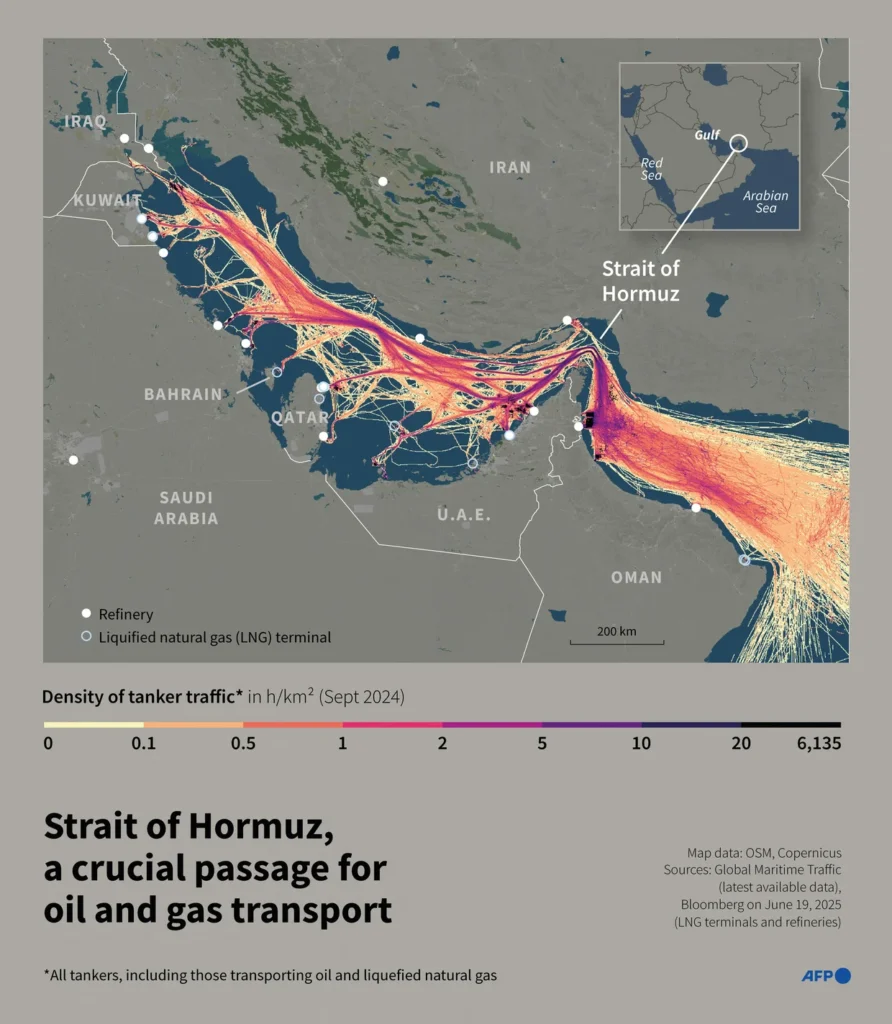
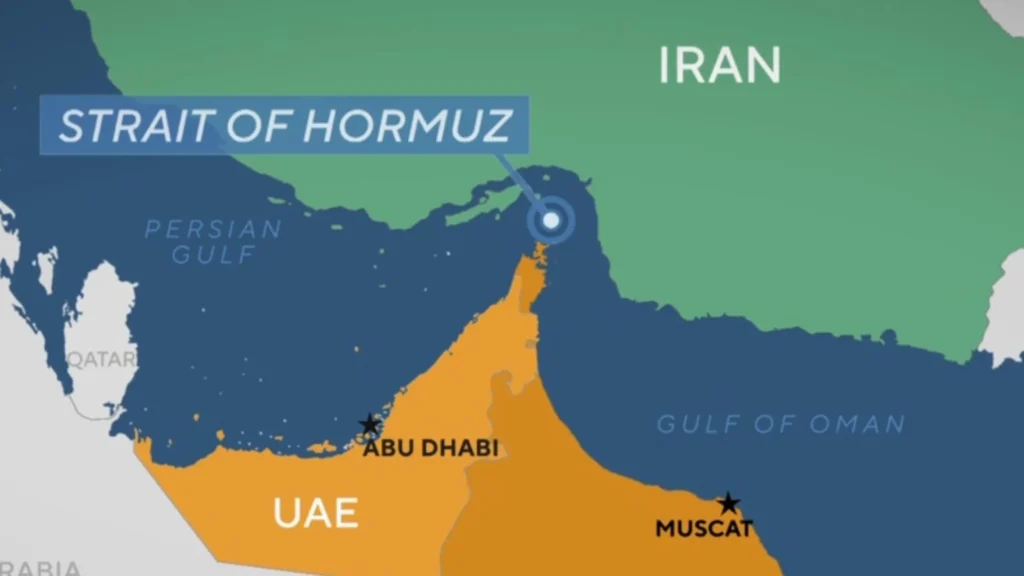
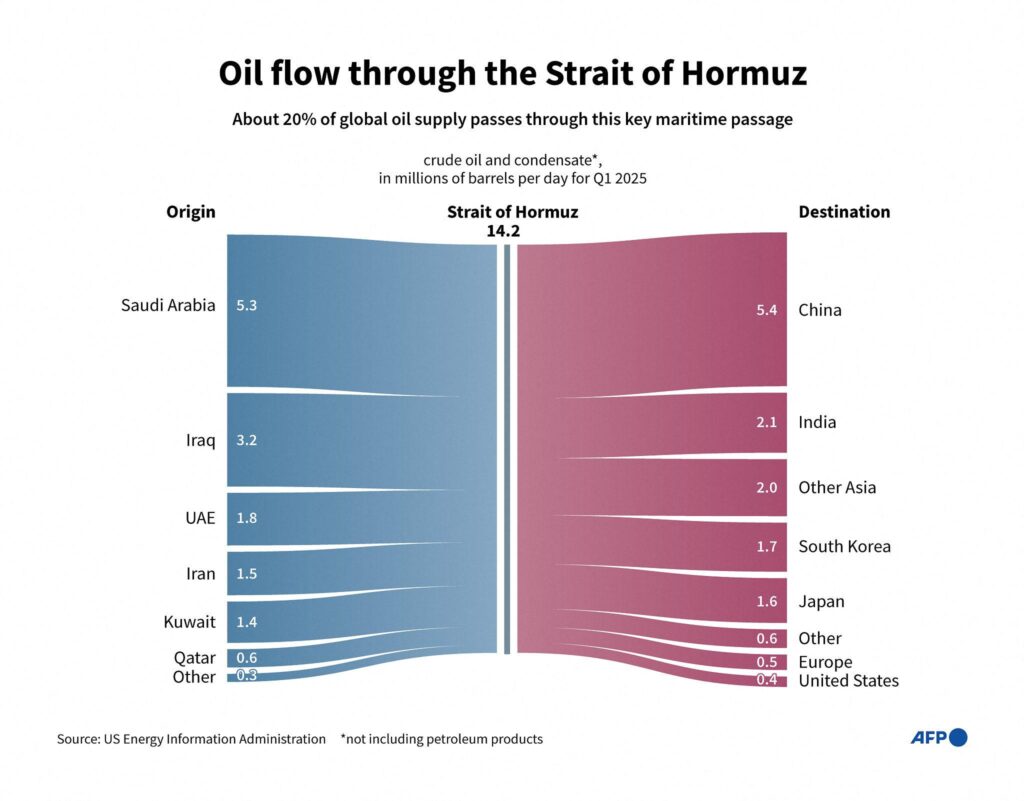
This matters now because global oil markets were already sensitive after prolonged geopolitical tensions in the Middle East. A disruption at the Strait of Hormuz — a narrow chokepoint through which nearly 20% of the world’s crude flows each day — could send shockwaves through energy prices, inflation expectations, and consumer costs worldwide. The possibility of blocked tanker routes, halted exports, and emergency policy responses elevates this from a regional flashpoint to a potential global economic event.
What the US-Israel Strikes on Iran Entail
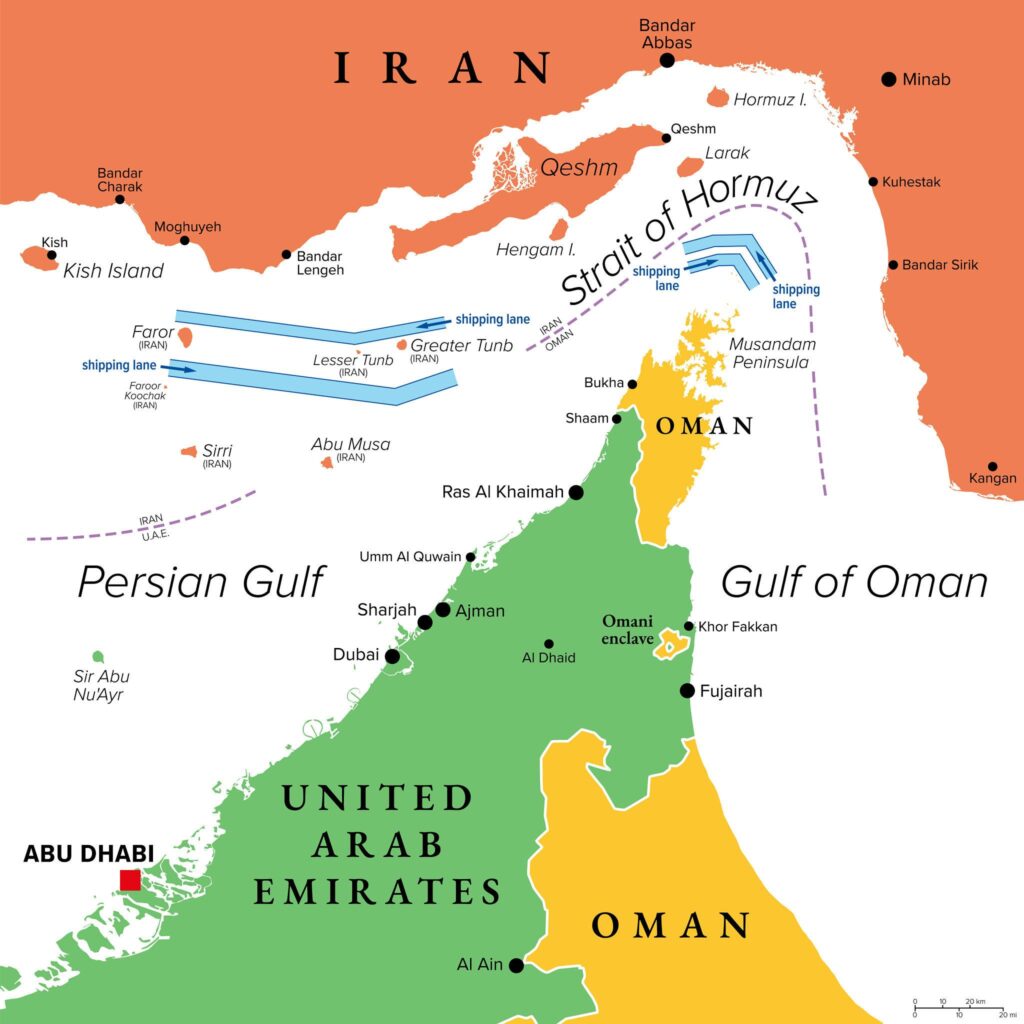
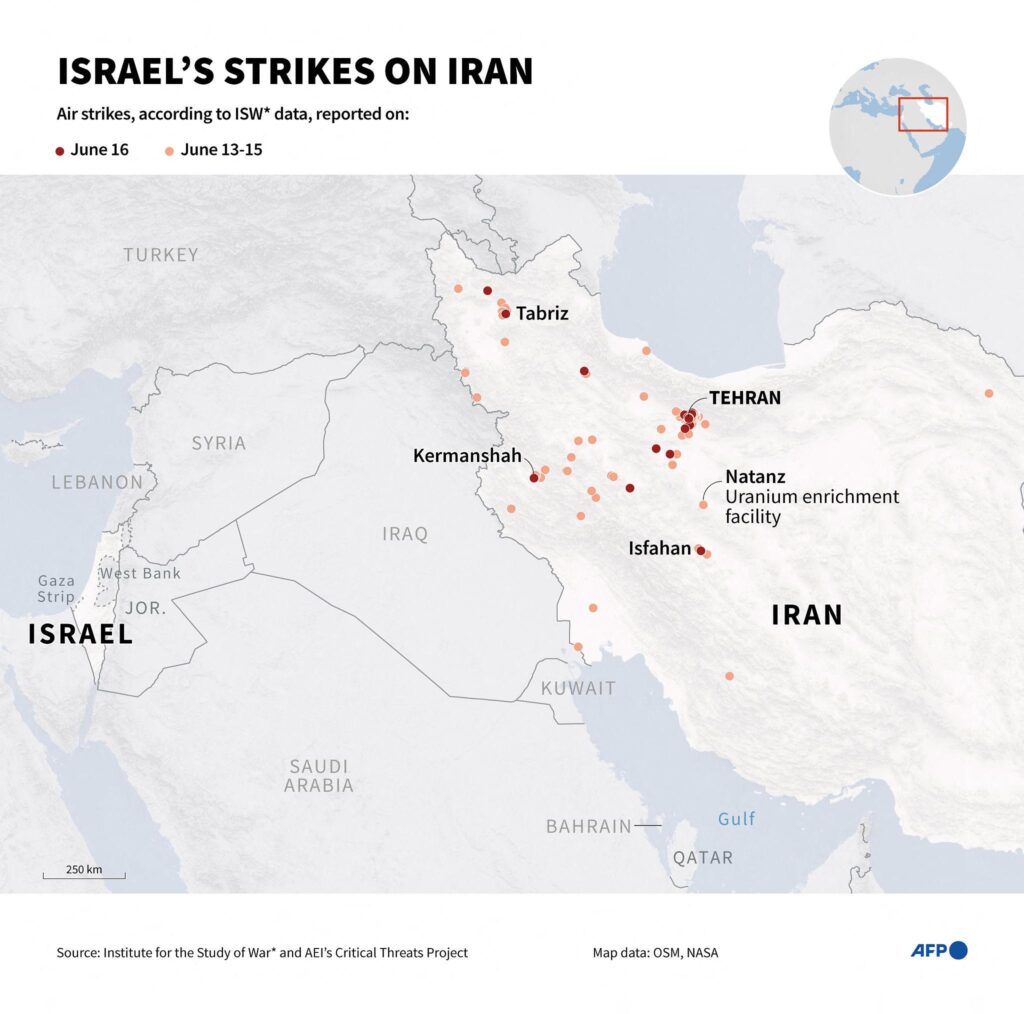
On February 28, 2026, U.S. and Israeli forces conducted coordinated air and missile strikes against several Iranian military and strategic sites, targeting senior commanders and missile infrastructure — actions Washington said were intended to neutralize security threats and degrade Iran’s ability to project force. Tehran responded with retaliatory missile strikes against U.S. bases in Bahrain, Qatar, and Kuwait. The exchanges have fueled concerns among energy analysts and financial markets that the conflict could escalate further.
Morning trading sessions after the attacks were marked by sharp oil price movements and heightened volatility in global equity markets, with investors recalibrating expectations for supply, demand, and risk assets. Bitcoin and other risk-on assets saw sell-offs as traders rotated into traditional safe havens like gold amid uncertainty.
Iran’s Threat to Close the Strait of Hormuz
The Strait of Hormuz has become central to this crisis. A high-ranking official from the EU’s Aspides naval mission confirmed that Iran’s Islamic Revolutionary Guard Corps broadcast radio messages declaring that no vessels are permitted to transit the strait. Although Tehran has not formally confirmed this edict, it reflects a serious escalation.
Oil majors and shipping houses have already responded by suspending shipments of crude, fuel, and LNG through the Persian Gulf, leaving tankers stalled, and global supply chains strained. Commodity traders warn that even a temporary closure of Hormuz eliminates a critical artery for Middle Eastern energy, forcing buyers to scramble for alternative supplies — a situation that historically leads to sharp price spikes and insurance premium increases for shipping.
How Oil Prices Are Already Responding
Global crude prices have climbed significantly since the attacks. Brent crude, the international benchmark, breached near $73 per barrel, the highest level seen in recent months, while West Texas Intermediate (WTI) in the U.S. also rose above $67. Analysts now project scenarios that could send prices above $80 to $100 — levels not seen since major geopolitical shocks such as the 2022 Russia-Ukraine conflict.
This price reaction reflects both actual supply concerns and risk premiums — the extra cost built into markets for the possibility of future supply disruptions. Russia’s invasion of Ukraine taught commodity markets that even anticipatory fear can move prices. Should the route through Hormuz remain contested or blocked, the loss of roughly 20 million barrels per day of export capacity — including oil and liquefied natural gas — could tighten global supplies and feed inflation worldwide.
Broader Economic and Market Impacts
Rising crude prices have far-reaching effects. Higher oil costs can translate into rising transportation and manufacturing expenses, which often feed into broader inflation measures. Consumer price pressure, especially on gasoline and goods transport, could slow economic growth in major markets including the U.S., Europe, China, and India. Retail fuel price spikes may depress spending in other sectors, exacerbating economic weakness already signaled by slowing output data.
Financial markets also reflect the heightened risk environment. Stock indices have shown increased volatility as investors hedge risk and shift portfolios. Shipping and energy stocks — particularly tanker firms — have seen increased trading volumes, as investors anticipate higher freight rates due to rerouted journeys around Africa or alternative corridors. Gold and safe-haven assets have appreciated, underlining investor caution.
Policy Reactions and What Comes Next
Governments and oil organizations are now scrambling to respond. OPEC+ — the coalition of major oil-producing nations — is reportedly considering an output increase to offset perceived threats to supply and stabilize markets. Gulf producers have already indicated they are boosting shipments where possible to ease price pressure.
Meanwhile, the U.S. has said it is not planning to tap its Strategic Petroleum Reserve (SPR) at this time, suggesting officials believe any price surge is manageable or that strategic market responses are still under discussion. The SPR currently holds millions of barrels that could be released as a last resort to calm markets.
Global diplomacy may also play a role; calls for de-escalation from European and Asian leaders reflect widespread concern about geopolitical spillovers. The next few days will be critical in determining whether this confrontation becomes a prolonged war or retreats to diplomatic brinkmanship.
Subscribe to trusted news sites like USnewsSphere.com for continuous updates.