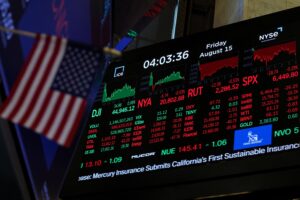
From Nvidia to United Airlines: Inside the Power Moves Reshaping America’s Corporate Market highlights a powerful shift unfolding across the U.S. economy in 2026. From cutting-edge artificial intelligence leaders to legacy travel giants reinventing their strategies, America’s biggest companies are making bold moves that are redefining competition, growth, and long-term dominance.
This is not just a story about individual companies—it’s about a transformation in how corporate America operates. Capital allocation, innovation, policy pressure, and global competition are all converging to reshape industries in real time.
The Rise of Strategic Power Moves Across Corporate America


In 2026, corporate strategy is no longer just about growth—it’s about survival and positioning for the future. Companies are aggressively investing in technology, restructuring operations, and redefining their core business models.
Large corporations are focusing on efficiency, automation, and scalability. Instead of expanding blindly, they are targeting high-impact investments that deliver long-term returns. This includes everything from AI integration to supply chain optimization.
At the same time, competition is intensifying. Global players are entering U.S. markets, forcing domestic companies to innovate faster and operate more efficiently than ever before.
America’s Corporate Market: Nvidia and the AI Revolution Driving Market Leadership


At the forefront of this transformation is Nvidia, which has become synonymous with the AI revolution. Its advanced chips power everything from data centers to autonomous systems, making it a critical player in the global technology ecosystem.
Nvidia’s growth is not just about technology—it’s about strategic positioning. By dominating a key layer of the AI infrastructure stack, the company has secured a central role in one of the fastest-growing markets in history.
This has had ripple effects across the tech sector, driving investment, innovation, and competition. Other companies are now racing to build complementary technologies, creating an ecosystem of growth around AI.
United Airlines and the Reinvention of Traditional Industries


While technology companies dominate headlines, traditional industries are also undergoing significant transformation. United Airlines is a prime example of how legacy businesses are adapting to new realities.
The airline industry has faced challenges ranging from fluctuating demand to rising operational costs. In response, companies are investing in digital systems, optimizing routes, and improving customer experience to remain competitive.
United Airlines, in particular, is focusing on efficiency and long-term growth. By leveraging data analytics and modernizing its operations, it is positioning itself as a stronger, more resilient player in the travel sector.
How Policy and Regulation Are Influencing Corporate Strategy


Government policy is playing a significant role in shaping corporate decisions. Regulatory pressure on mergers, data usage, and market dominance is forcing companies to rethink their strategies.
Agencies like the U.S. Department of Justice and the Federal Trade Commission are closely monitoring corporate activity, particularly in sectors like technology and healthcare.
This environment is creating both challenges and opportunities. While stricter regulations can limit certain growth strategies, they also encourage innovation and fair competition, leading to a more balanced market.
Investor Perspective: Where the Smart Money Is Moving


Investors are closely watching these corporate shifts to identify new opportunities. Capital is flowing toward companies that demonstrate strong fundamentals, adaptability, and long-term growth potential.
There is also a noticeable trend toward diversification. Instead of focusing solely on technology, investors are exploring opportunities in sectors like travel, energy, and healthcare.
The key for investors is understanding where innovation meets stability. Companies that can balance both are likely to outperform in the evolving market landscape.
The Bigger Picture: A New Era for U.S. Corporate Power


The changes happening in 2026 are not temporary—they represent a long-term shift in how corporate America operates. Power is no longer concentrated in a single sector but is distributed across multiple industries driven by innovation and adaptability.
Technology will continue to play a central role, but traditional industries are proving that they can evolve and remain competitive. This creates a more dynamic and resilient economic environment.
For businesses, the message is clear: adapt or fall behind. For investors, the opportunity lies in identifying the companies that are leading this transformation.
Conclusion: The Power Moves Defining the Future of Business
From AI giants like Nvidia to evolving leaders like United Airlines, the U.S. corporate market is undergoing a profound transformation. Strategic decisions made today are shaping the competitive landscape of tomorrow.
This is a time of both opportunity and uncertainty. Companies that innovate, adapt, and execute effectively will define the next era of economic growth.
For investors and observers alike, staying informed about these power moves is essential to understanding where the future is headed—and how to benefit from it.
Subscribe to trusted news sites like USnewsSphere.com for continuous updates.