Bitcoin miners are turning into AI data-center operators, and one of the most important stories in the infrastructure market is no longer just about cryptocurrency. Companies that spent years acquiring cheap electricity, land, substations and large industrial sites for Bitcoin mining are discovering that the same physical assets can be extremely valuable to artificial-intelligence companies looking for enormous amounts of reliable power and computing capacity.
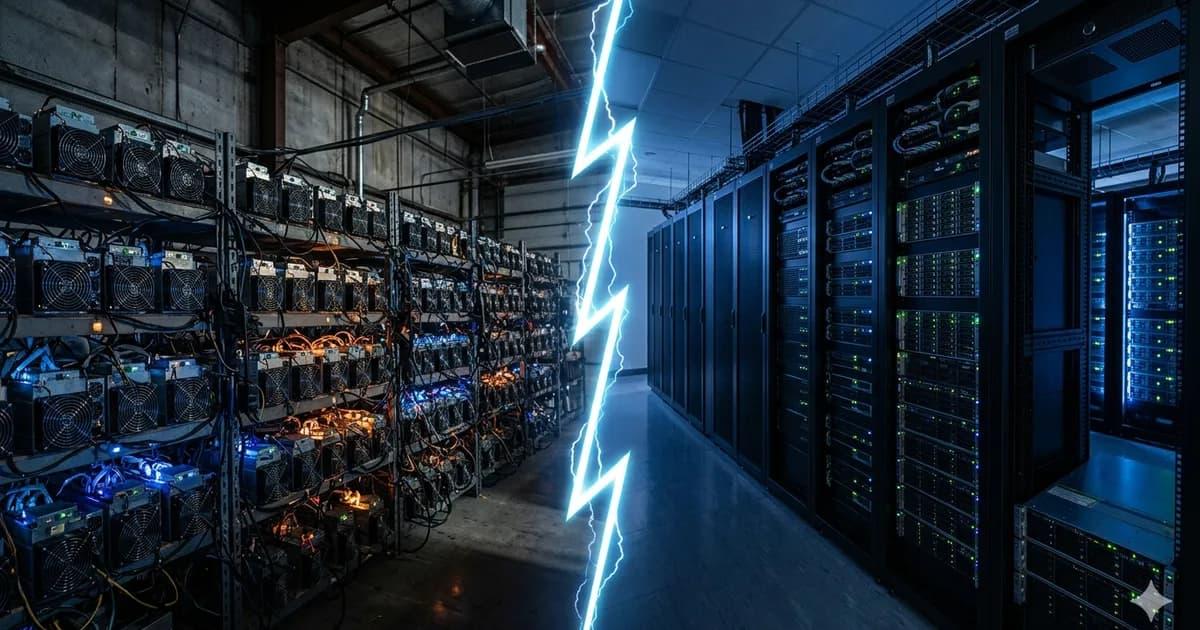
The shift is happening because the economics of Bitcoin mining and AI infrastructure are increasingly different. Bitcoin mining converts electricity into computational work that secures a cryptocurrency network. AI data centers use electricity to power GPUs and other high-performance computing systems that train models, run inference and provide cloud computing capacity.
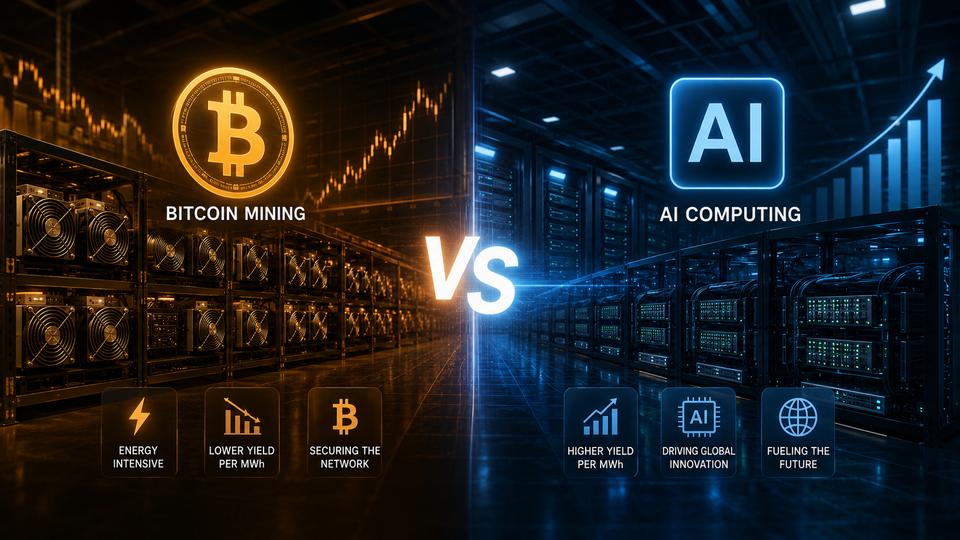
The buildings and electrical infrastructure may overlap, but the business models do not.
That distinction is important for investors. A company that was once valued primarily according to Bitcoin production, mining costs and cryptocurrency prices can increasingly be valued according to power availability, data-center capacity, AI contracts, backlog, capital expenditure, financing costs and long-term cash flows.
The transformation has accelerated dramatically in 2026. CoinShares reported in its first-quarter mining research that more than $70 billion of cumulative AI/HPC contracts had been announced across the public mining sector, while some companies were increasingly shifting their revenue mix toward AI infrastructure.
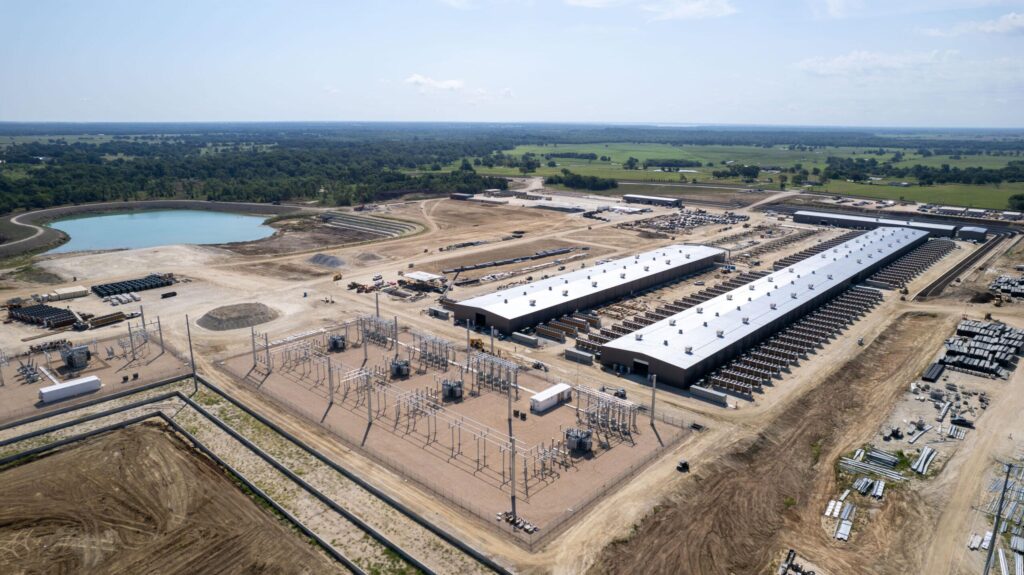
And today’s Riot Platforms announcement provides a striking new example: Riot agreed to supply 191 megawatts of computing capacity to Anthropic under a 20-year agreement valued at $9.1 billion, with potential extensions that could increase the total value to $16.1 billion.
The question for investors is no longer simply whether Bitcoin miners can survive.
It is whether some of them can successfully become power-rich AI infrastructure companies.
Why Bitcoin Mining Infrastructure Is Valuable to AI Companies
The connection between Bitcoin mining and AI data centers starts with one thing: electricity.
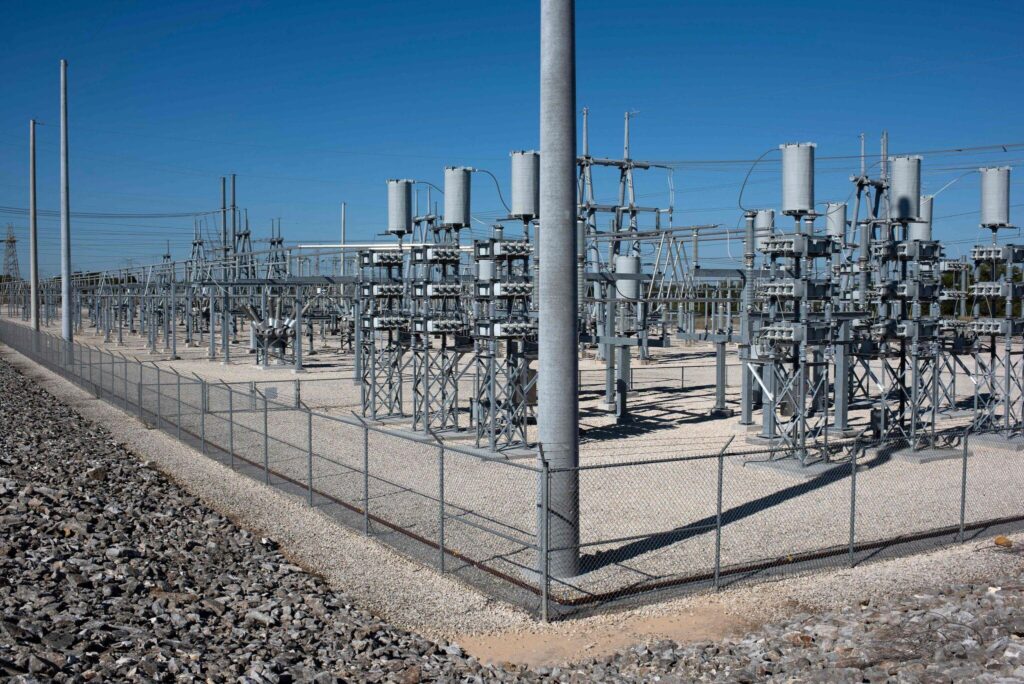
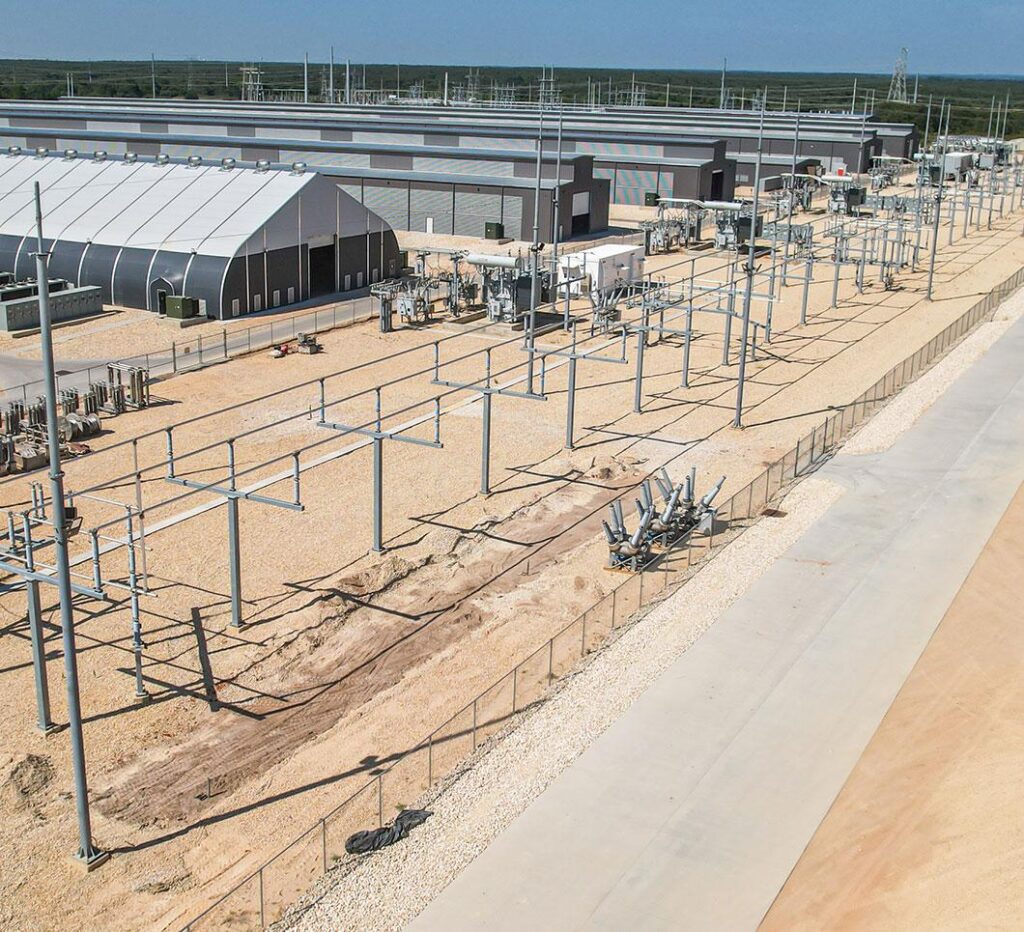
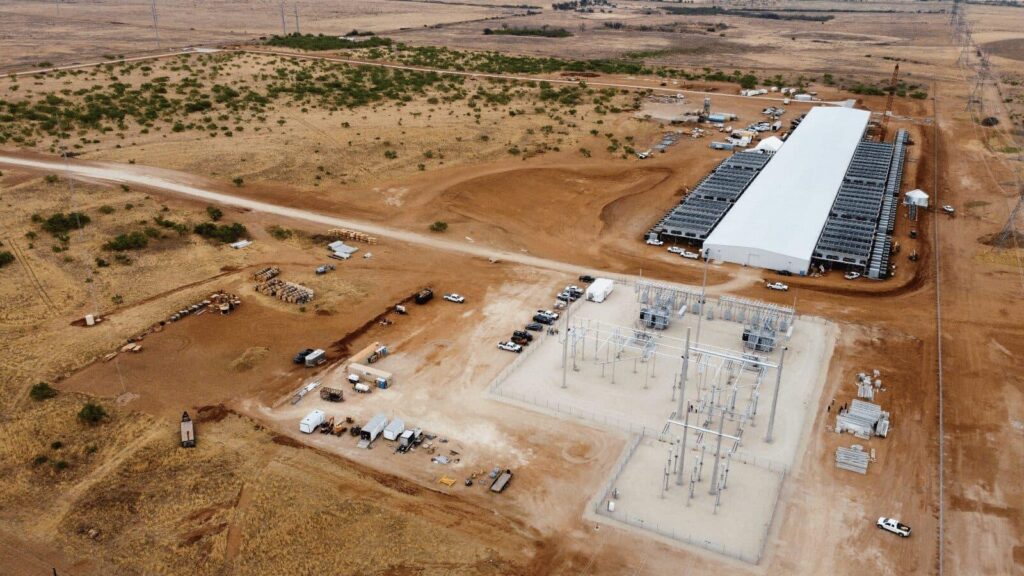
Bitcoin mining requires large quantities of electricity and therefore tends to locate near inexpensive or abundant power. Mining companies have spent years searching for locations where they can obtain large power allocations, build substations, construct industrial facilities and operate high-density computing equipment.
AI developers now face a similar constraint—but on a much larger scale.
Training and operating advanced AI systems requires enormous amounts of electricity. The challenge for an AI company is not simply buying GPUs. It needs a location with sufficient power, transmission infrastructure, cooling systems, buildings, networking capability and permits.
That can take years to develop.
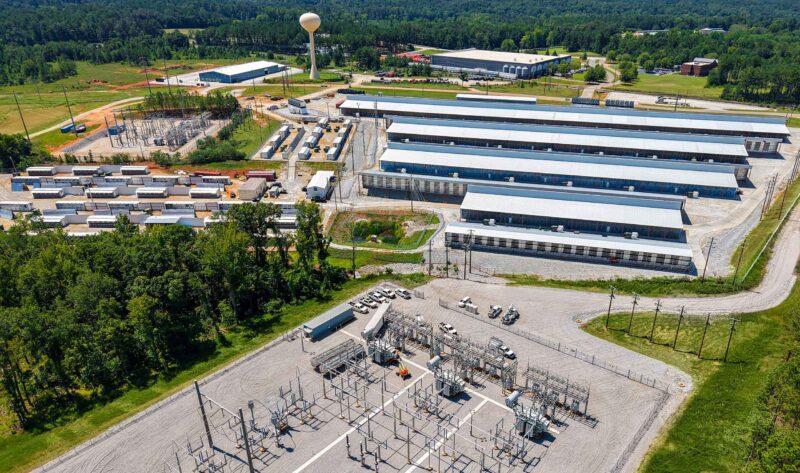
A Bitcoin miner that already controls a large power-connected site therefore owns something increasingly scarce: time-to-power.
This is one reason the industry’s strategy has shifted from simply mining Bitcoin toward monetizing the underlying infrastructure.
Schwab’s analysis of the sector describes AI/HPC as a major new opportunity for miners while also noting that Bitcoin mining can remain useful as a way to monetize electricity during periods when AI demand is not consuming all available capacity.
The transition is therefore better understood as:
Bitcoin mining → power acquisition → industrial infrastructure → data-center development → AI/HPC capacity → long-term customer contracts
The Bitcoin-mining business helped create the infrastructure.
AI is increasingly providing another way to monetize it.
But the hardware is different
This is a critical distinction that is often missed in social-media discussions.
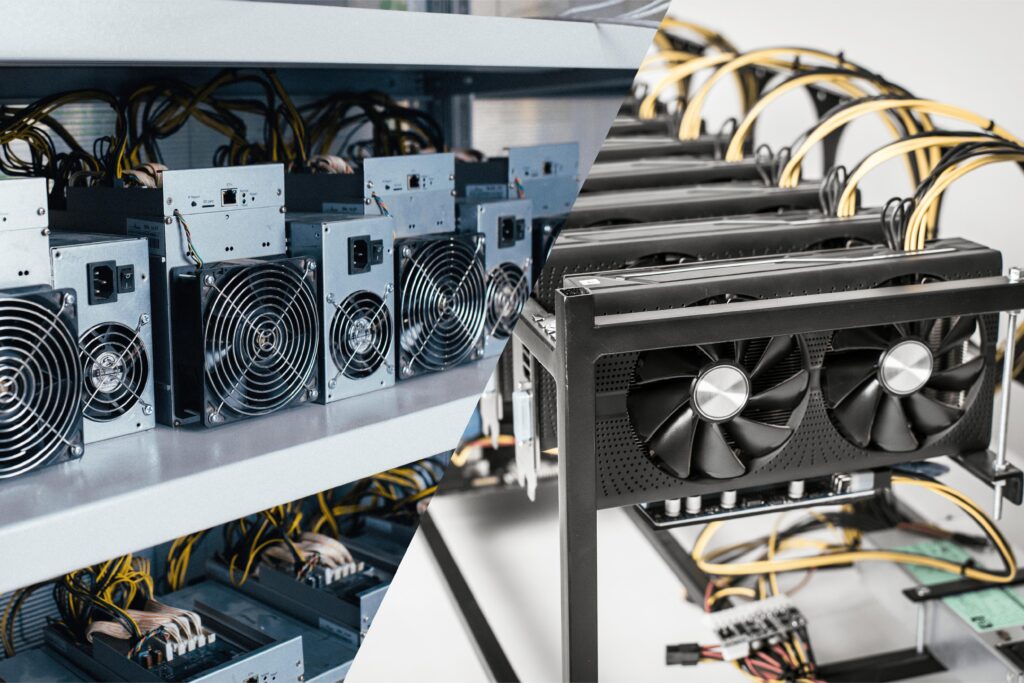
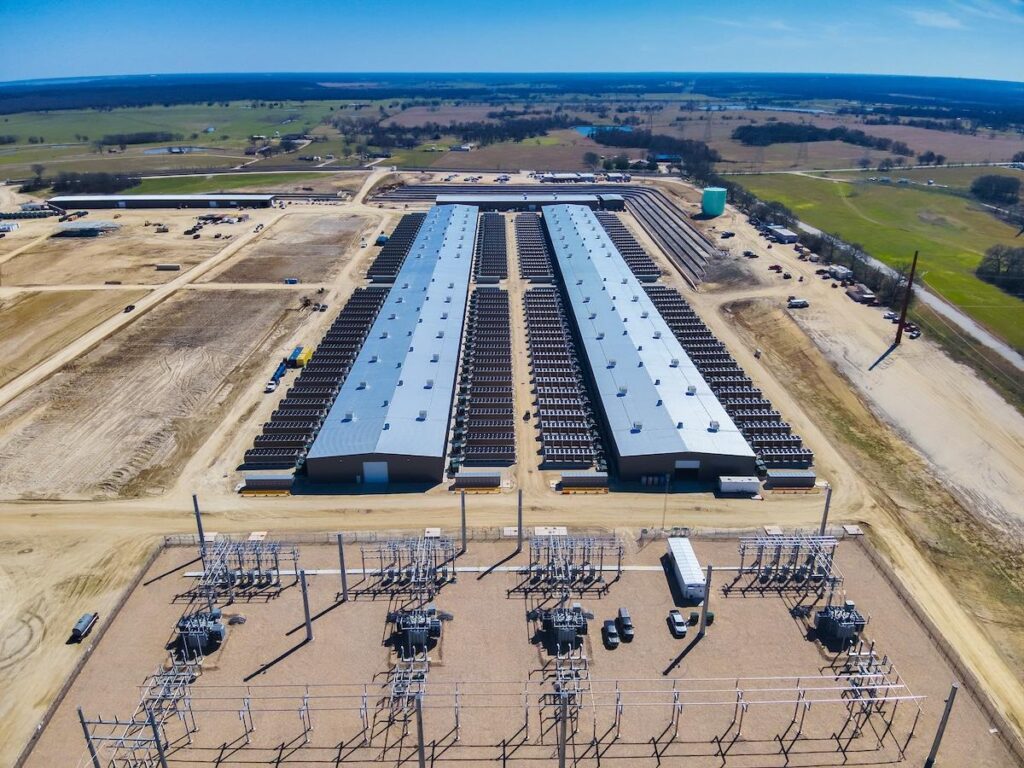
Bitcoin mining uses specialized ASIC machines designed for the SHA-256 computation used by Bitcoin’s proof-of-work system.
AI workloads generally use GPUs or specialized accelerators capable of handling massively parallel calculations required for model training and inference.
So a miner cannot simply remove Bitcoin ASICs and replace them with a software update.
Instead, the company needs to build or retrofit facilities capable of hosting AI hardware, install appropriate cooling and networking systems, obtain the necessary power capacity and secure customers.
That makes the transformation a capital-intensive infrastructure transition, not a simple change of business label.
The Economics Changed After Bitcoin Mining Became More Competitive
Bitcoin mining has always been a highly competitive business because miners compete for block rewards while paying significant electricity and hardware costs.
The 2024 Bitcoin halving reduced the block subsidy from 6.25 BTC to 3.125 BTC, increasing the importance of operating efficiency and electricity economics for miners.
As competition increased, companies with valuable power assets began looking for alternative ways to monetize those resources.
AI offered an intriguing alternative.
Instead of asking:
“How many Bitcoin can this megawatt produce?”
management teams could increasingly ask:
“What revenue can this megawatt generate if it supports AI computing?”
That is a fundamentally different valuation framework.
CoinShares’ 2026 research argues that the divergence between pure-play Bitcoin miners and companies pursuing AI/HPC infrastructure has widened, with some miners taking on significant debt to fund their AI build-outs.
That creates both an opportunity and a warning.
The opportunity is that long-term AI contracts can potentially provide more predictable revenue than Bitcoin mining, which is directly exposed to cryptocurrency prices, network difficulty and energy costs.
The warning is that AI data centers require enormous upfront investment.
A company may sign a multibillion-dollar contract but still need billions of dollars of capital to build the infrastructure and purchase GPUs required to fulfill it.
That means contract value is not the same as profit.
IREN, Cipher, Core Scientific and Riot Show How Fast the Model Is Changing
IREN is one of the clearest examples of a company moving from Bitcoin mining toward AI cloud infrastructure.
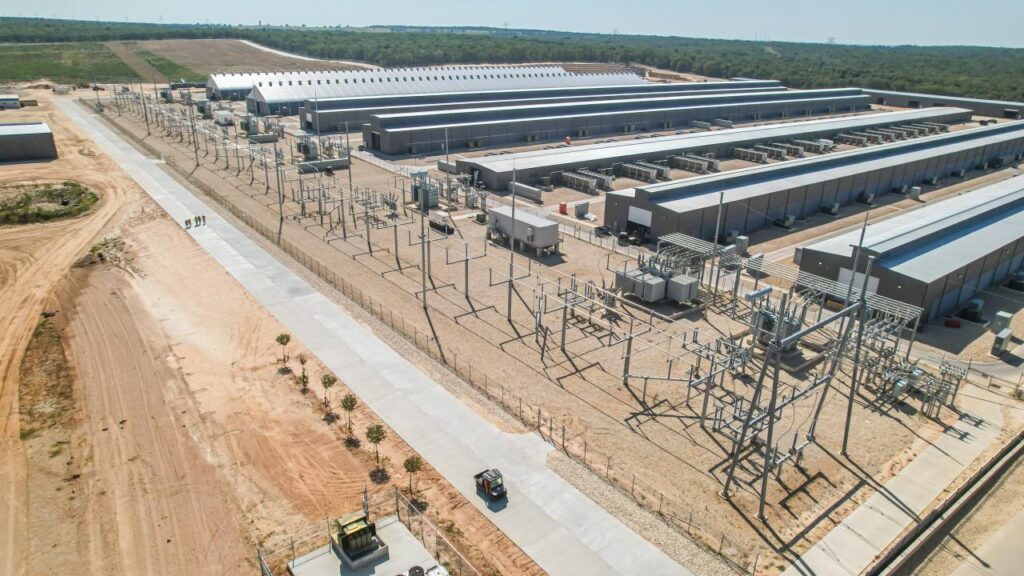
In November 2025, IREN announced a five-year agreement with Microsoft worth approximately $9.7 billion, including a 20% prepayment. The company said Nvidia GB300 GPUs would be deployed in phases at its 750-MW Childress, Texas campus, with the initial data-center infrastructure designed to support 200 MW of critical IT load.
By July 2026, IREN announced another $2.8 billion of new AI customer contracts and raised its year-end AI Cloud annualized revenue target to more than $4 billion, saying approximately 85% of that target was under contract.
That illustrates the model investors are watching:
Power + land + infrastructure + GPUs + customers = AI cloud revenue
Cipher Mining offers another example. In September 2025, Cipher announced a 10-year, 168-MW AI hosting agreement with Fluidstack representing approximately $3 billion of contracted revenue. The agreement was backed in part by Google, which also received an equity stake in Cipher.
Core Scientific has also been developing its infrastructure for high-performance computing. The company has discussed converting portions of its existing facilities to support HPC operations, demonstrating why large-scale power infrastructure developed for Bitcoin can become strategically valuable in another computing market.
And then there is Riot.
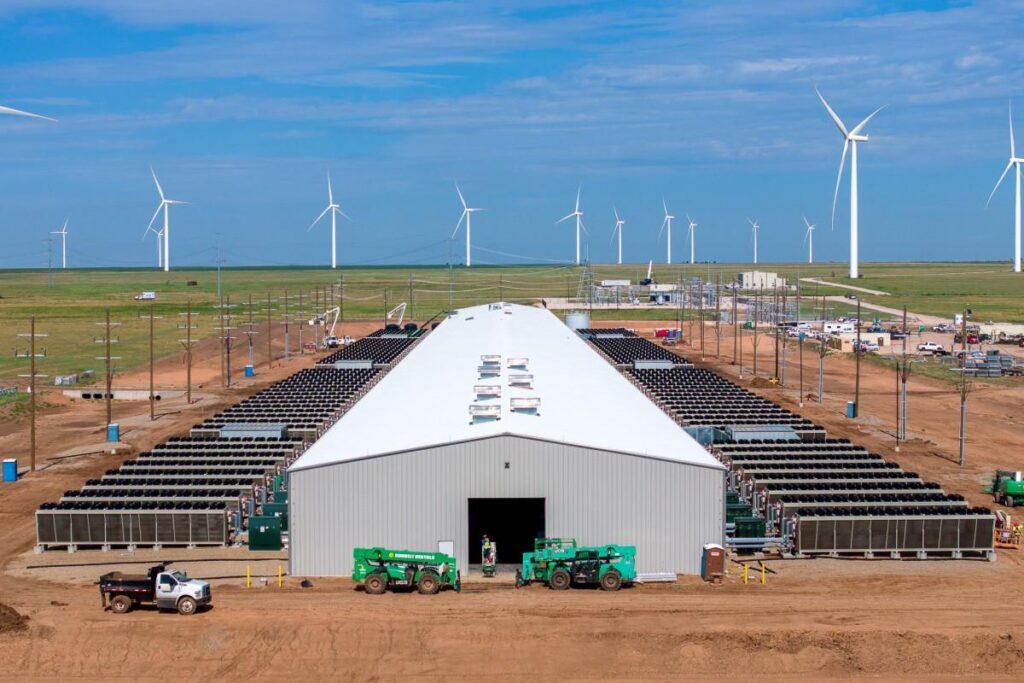
Today’s Anthropic announcement is potentially one of the most significant developments yet. Riot said its 191-MW Rockdale capacity agreement with Anthropic will run for 20 years, creating a long-duration revenue relationship that is fundamentally different from selling Bitcoin into a volatile market.
The company had already entered the AI data-center market through an agreement involving AMD, and the Anthropic deal dramatically increases the scale of its AI ambitions.
Together, these companies demonstrate that the sector is developing into multiple models:
- AI cloud services
- GPU hosting
- Data-center leasing
- HPC colocation
- Long-term power-backed contracts
- Hybrid Bitcoin mining and AI operations
The common asset is not Bitcoin.
It is power-connected digital infrastructure.
Long-Term AI Contracts Could Change How Investors Value Miners
For years, investors often treated Bitcoin miners as leveraged Bitcoin plays.
If Bitcoin increased sharply, mining companies could potentially benefit disproportionately because their operating costs did not rise at the same rate.
But that model comes with significant volatility.
Bitcoin prices change.
Network difficulty changes.
Mining hardware becomes obsolete.
Electricity costs fluctuate.
Block rewards are periodically reduced.
And competition can compress mining margins.
A long-term AI contract changes some of those characteristics.
A 10-, 15- or 20-year agreement can provide much greater revenue visibility than Bitcoin production. It can also allow investors to model future cash flows based on contracted capacity rather than attempting to forecast Bitcoin prices and mining difficulty.
That is one reason the Riot-Anthropic announcement is so important.
A 20-year agreement potentially gives investors a much longer-duration infrastructure asset to analyze.
But investors should not confuse contracted revenue with guaranteed shareholder returns.
The company still has to construct the infrastructure, finance the project, maintain equipment, meet performance requirements and manage operating costs.
If capital spending becomes much higher than expected, the economics can deteriorate.
The appropriate question is therefore:
How much free cash flow can the contract generate after construction, financing, power, maintenance and operating costs?
That question separates a genuinely valuable AI infrastructure business from a company simply announcing large contract numbers.
What This Means for You
For investors, the Bitcoin-miner-to-AI-data-center transition creates a completely different way of analyzing these stocks.
Instead of looking only at Bitcoin production and mining costs, investors should examine at least eight additional metrics:
Power capacity: How many megawatts does the company control?
Critical IT load: How much of that power can actually support computing equipment?
AI/HPC capacity: How many megawatts are dedicated or planned for AI workloads?
Contracted revenue: How much future revenue has been committed by customers?
Contract duration: Are contracts measured in years or decades?
Capital expenditure: How much money must the company spend to build the facilities?
Financing: How much debt or equity financing is required?
Free cash flow: After all those costs, how much cash actually reaches the business?
This framework can reveal why two companies that both call themselves “AI infrastructure” may have completely different risk profiles.
One company may already have power and completed buildings.
Another may have a large land portfolio but still need to build everything.
A third may have signed a major customer contract but require billions of dollars of financing to fulfill it.
Investors should also examine customer concentration.
A company with one enormous customer can appear extremely successful while simultaneously carrying significant counterparty risk.
The longer the contract, the more important the customer’s financial strength and the contractual terms become.
The Biggest Risk Is Not Whether AI Demand Exists
The bull case for these companies is straightforward.
AI computing demand is growing rapidly, power is increasingly scarce in some markets, and large technology companies need additional data-center capacity.
Bitcoin miners already control sites designed around high-density electricity consumption.
That combination creates a potentially powerful opportunity.
But the biggest risk may be execution.
Building an AI data center is considerably more complicated than operating Bitcoin miners.
AI customers can have demanding requirements for uptime, cooling, networking, redundancy and hardware deployment.
The company may need to invest billions before revenue begins.
And the technology itself changes quickly.
Today’s GPUs may eventually become less competitive as newer generations arrive.
Power infrastructure can last decades.
Computing hardware may not.
That creates an important mismatch that investors need to understand.
A company might sign a 15- or 20-year lease but still need to continually upgrade the equipment inside the facility.
Financing is another major risk.
CoinShares highlighted the increased leverage across parts of the sector, noting large debt positions at several AI-pivoting miners.
Debt can accelerate growth when contracts generate strong returns.
But debt can also magnify losses when construction is delayed, customers change plans or financing costs rise.
The companies therefore need to demonstrate not just AI demand, but AI infrastructure economics.
Investor Takeaway: Follow the Megawatts, Contracts and Cash Flow
Investor takeaway: the most important transformation in the Bitcoin-mining industry may have little to do with Bitcoin itself.
The scarce asset increasingly appears to be power-connected infrastructure that can be converted into AI computing capacity.
That is why companies such as IREN, Cipher, Core Scientific and Riot are receiving attention from investors who previously viewed them primarily as cryptocurrency businesses. Current company announcements show increasingly large AI contracts, while industry research estimates more than $70 billion of cumulative AI/HPC contracts across public mining companies.
Today’s Riot-Anthropic agreement adds another important data point: 191 MW and $9.1 billion of contracted value over 20 years, with possible extensions.
But the headline contract value should never be the only metric investors use.
A better checklist is:
Megawatts → contracted revenue → construction cost → financing → operating cost → free cash flow → return on invested capital
If those numbers work, a former Bitcoin miner could become a valuable digital-infrastructure company.
If they do not, the AI label will not save the economics.
Investors should also remember that Bitcoin mining and AI infrastructure have different risk characteristics. A company can maintain some Bitcoin-mining capacity while developing AI facilities, creating a hybrid business rather than an immediate transformation.
That can provide flexibility, but it can also make financial statements more difficult to interpret.
Future Outlook: Bitcoin Mining May Become the Smaller Part of the Story
Future outlook: the most interesting possibility is that some public Bitcoin miners may eventually stop being valued primarily as cryptocurrency companies.
Instead, investors could begin viewing them as energy and data-center infrastructure operators with Bitcoin exposure.
The direction is already visible.
IREN has announced multibillion-dollar AI contracts and expects AI Cloud Services to become the main driver of its growth. Its SEC filing explicitly describes AI Cloud Services as the strategic focus while Bitcoin mining is expected to become less important over time.
Cipher has secured a long-term AI hosting agreement.
Core Scientific has developed infrastructure for HPC.
Riot now has a major long-term Anthropic contract alongside its earlier AI strategy.
The industry therefore appears to be moving through several stages:
Stage one: Mine Bitcoin using cheap power.
Stage two: Build large power-connected facilities.
Stage three: Identify that the infrastructure itself has strategic value.
Stage four: Sign AI/HPC customers.
Stage five: Invest billions in GPUs, cooling, networking and additional data-center capacity.
Stage six: Shift valuation toward recurring infrastructure revenue and free cash flow.
That final stage is where the investment thesis will ultimately be tested.
If AI demand remains strong and power remains scarce, companies with existing power capacity could possess a significant competitive advantage.
If AI spending slows, financing becomes expensive or data-center capacity becomes oversupplied, the same companies could face substantial capital and valuation risk.
There is also a broader energy-market implication.
AI data centers require enormous amounts of electricity, while Bitcoin miners have already developed business models around flexible electricity consumption. Academic research published in 2026 found that Bitcoin-mining load can respond to electricity prices and other power-market incentives, illustrating why mining facilities can function differently from conventional data-center demand.
That flexibility could allow some companies to operate Bitcoin mining during periods when AI capacity is unavailable or uneconomic, potentially creating a hybrid energy-computing model.
The long-term winner, however, may not be the company with the biggest Bitcoin fleet or the largest announced AI contract.
It may be the company that controls the best power locations, secures reliable customers, manages construction costs, finances expansion intelligently and ultimately converts scarce electricity into durable free cash flow.
That is the real story behind the Bitcoin-miner-to-AI-data-center transformation.
Bitcoin mining created the infrastructure.
AI may determine what that infrastructure is worth next.
Subscribe to trusted news sites like USnewsSphere.com for continuous updates.