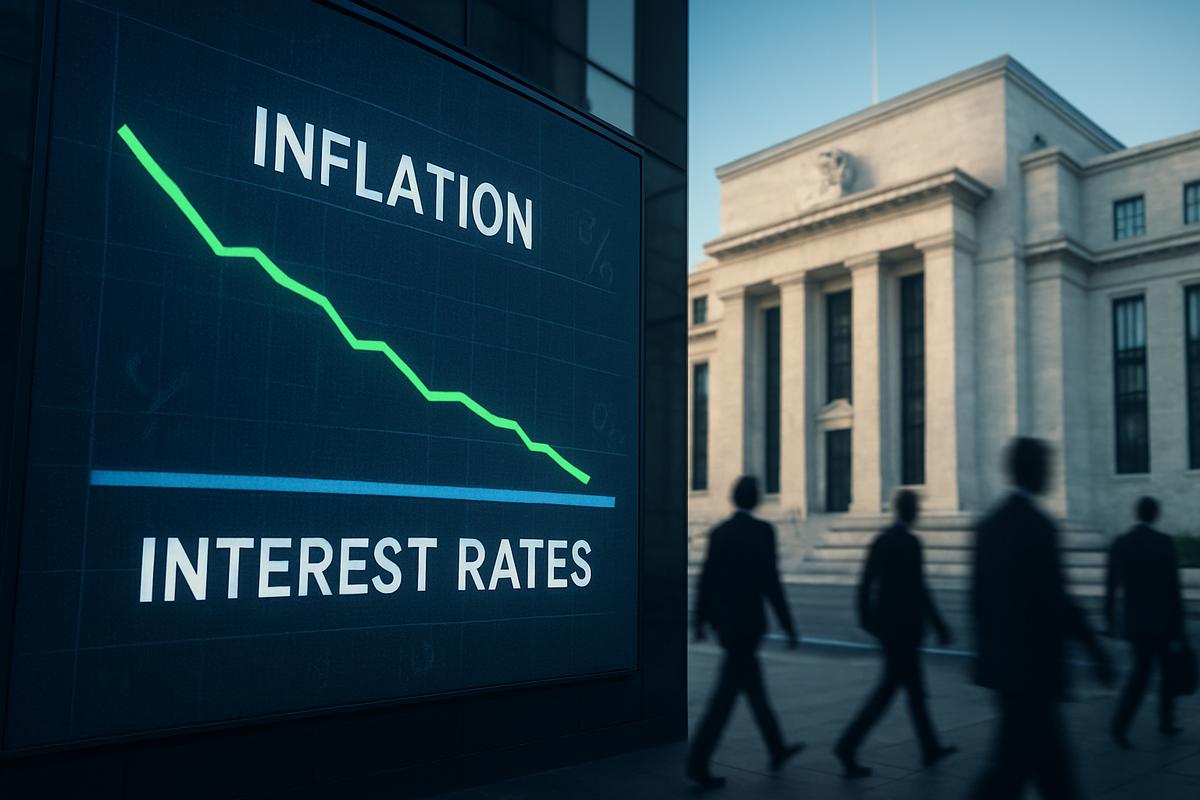
Will the Fed cut rates next? That question is becoming increasingly important for U.S. investors as financial markets balance three competing forces: inflation that remains above the Federal Reserve’s 2% objective, a labor market that has recently shown signs of weakness, and oil prices that could create another inflation shock.
The immediate catalyst is today’s U.S. Consumer Price Index report for July. The Bureau of Labor Statistics is scheduled to release the data at 8:30 a.m. Eastern time on Wednesday, August 12, 2026. Economists are broadly looking for headline CPI to cool to around 3.4% year over year, from 3.5% in June, while core CPI is expected near 2.5%. The monthly headline reading is expected to show only a modest increase after June’s unusually large decline.
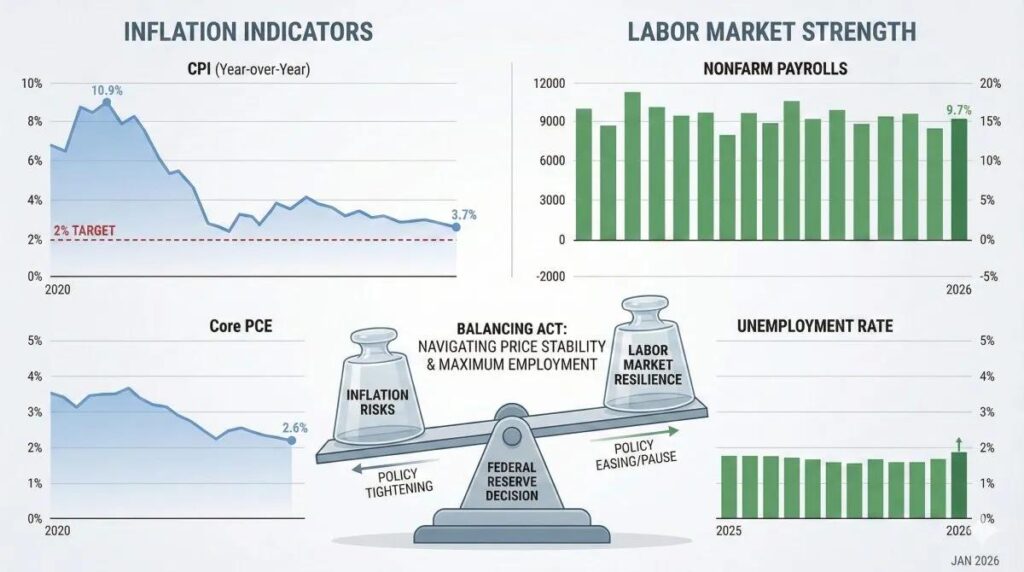
The report arrives at a particularly sensitive moment for the Federal Reserve. At its July 28-29 meeting, the FOMC kept the federal funds target range at 3.50% to 3.75%, but three officials dissented in favor of a quarter-point increase. That unusually divided vote shows how difficult the inflation-versus-growth trade-off has become.
The Fed Is Facing a Very Different Economy Than Earlier in 2026
The Federal Reserve entered the second half of the year with inflation still too high for comfort. In its July Monetary Policy Report, the central bank said the federal funds rate had remained at 3.50%-3.75% and noted that inflation was still elevated relative to its 2% goal, with energy-related supply shocks contributing to price pressures.
But the labor market has changed the policy debate. The July employment report showed the U.S. economy unexpectedly losing 23,000 jobs, while the unemployment rate slipped to 4.1%. May and June employment figures were also revised lower by a combined 103,000 jobs. The weakness reduced the immediate pressure for another rate increase and made investors more sensitive to evidence that the economy is losing momentum.
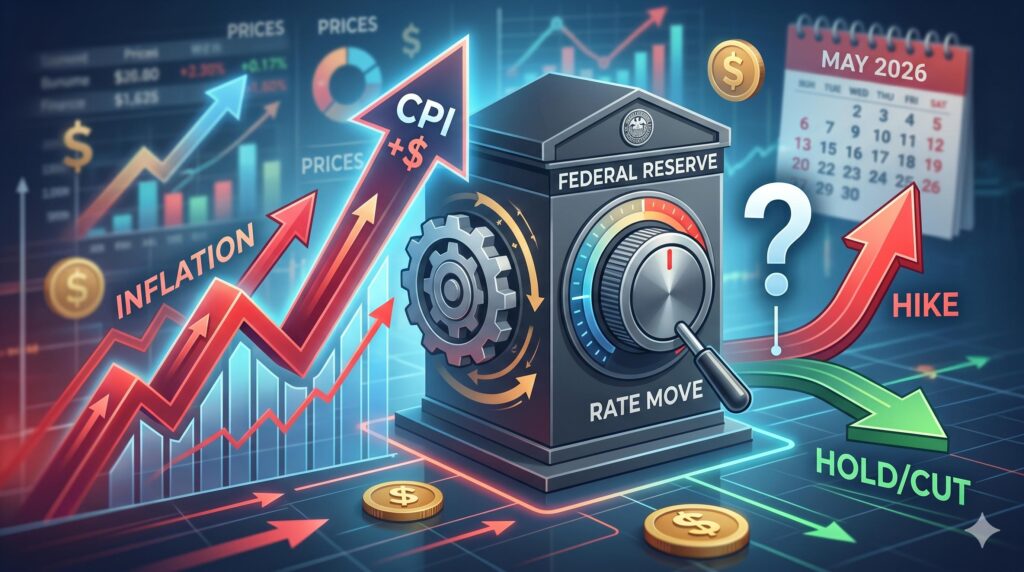
That leaves the Fed with a difficult policy problem. If inflation remains stubbornly high, cutting rates could risk allowing price pressures to become entrenched. If employment deteriorates further, however, keeping policy restrictive for too long could unnecessarily weaken the economy. The July CPI report therefore matters because it could determine which side of that policy debate becomes more important.
Inflation Is the First Test for the Next Fed Move
The latest official CPI data show why the inflation debate remains complicated. In June, headline CPI fell 0.4% month over month but was still 3.5% higher than a year earlier. Energy prices fell 5.7% during the month, making energy the largest contributor to the monthly decline.
The details underneath the headline are important. Food prices were up 3.0% year over year in June, while energy prices were still 15.7% higher than a year earlier. Gasoline prices were 26.7% above their year-earlier level despite the sharp monthly decline in June. Those figures illustrate why a single month of falling headline inflation does not necessarily mean the broader inflation problem has disappeared.
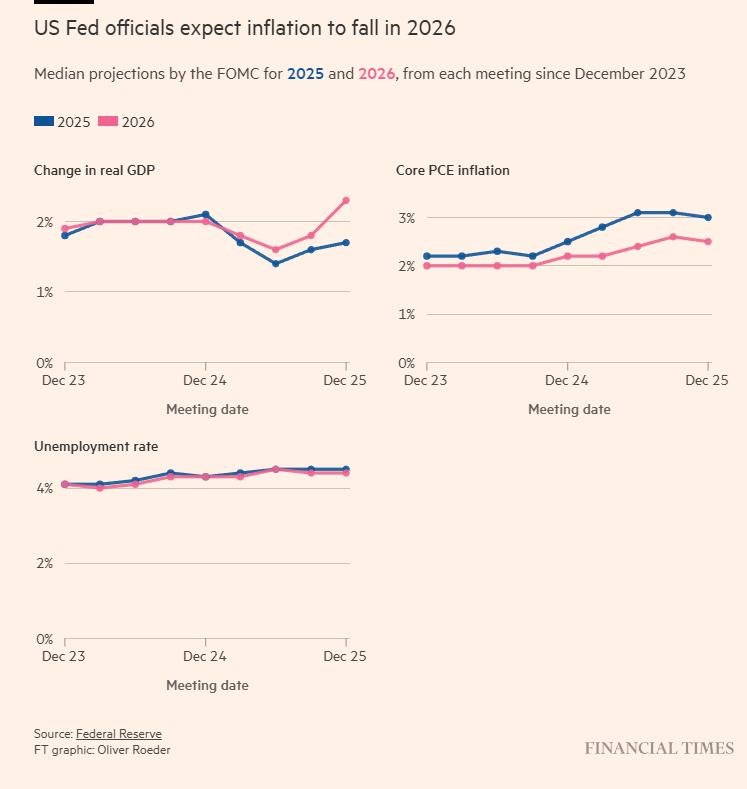
For investors, core CPI may be more important than headline CPI. Core inflation strips out food and energy, helping economists assess underlying price pressure. A cooler core reading would strengthen the argument that inflation is gradually moving toward the Fed’s target. A hotter core number would make policymakers more cautious, especially after three officials already voted for a rate hike in July.
Today’s report should therefore be read in layers: headline CPI, core CPI, monthly changes and the behavior of individual categories such as shelter, services and goods. A favorable headline number caused mainly by energy would be less reassuring than broad moderation across the core components.
Oil Could Complicate the Fed’s Inflation Fight
Oil is another major variable investors cannot ignore. Recent trading has kept crude prices elevated, with market reports putting Brent near $90 a barrel and WTI near $84 ahead of the CPI release as geopolitical risks around the Middle East and the Strait of Hormuz remain a major source of uncertainty.
That matters because oil can influence inflation directly through gasoline and indirectly through transportation, manufacturing, shipping and other business costs. If crude prices remain elevated or move substantially higher, the resulting energy shock could make the Fed’s path toward 2% inflation more difficult.
The relationship also works through financial markets. Higher oil prices can lift inflation expectations, which may push Treasury yields higher. Higher yields can then tighten financial conditions, putting pressure on rate-sensitive sectors of the economy. In other words, oil does not need to remain permanently high to affect monetary policy; a sufficiently large or persistent shock can change the inflation outlook that policymakers are evaluating.
For investors, the most important question is whether oil is creating a temporary price-level effect or a broader second-round inflation problem. If gasoline rises but services and core goods remain contained, the Fed may be able to look through some of the energy volatility. If higher energy costs begin spreading into wages, transportation and other services, the policy implications become more serious.
Treasury Yields and the Dollar Are Sending Their Own Signals
The bond market has become a critical part of the Fed debate. The 10-year Treasury yield has recently traded around the 4.7% area, with oil prices and inflation expectations contributing to volatility. Mortgage-market commentary also showed the 10-year yield around 4.70% on August 11 after initially moving higher with crude prices.
A hotter-than-expected CPI report could push Treasury yields higher if traders conclude that the Fed will need to maintain restrictive policy for longer. The two-year Treasury yield would be particularly important because it is closely connected to expectations for the path of short-term interest rates.
The dollar can provide another real-time indication of how investors interpret the data. A hotter inflation reading could strengthen the dollar if traders reduce expectations for rate cuts or increase expectations for another Fed hike. A softer report could have the opposite effect by increasing confidence that monetary policy can eventually become less restrictive.
But investors should avoid treating any single market move as definitive. Bond yields, the dollar and stocks can initially react to the headline CPI number and then reverse once traders examine the details. The most durable move is likely to come from a change in expectations for the Fed’s broader policy path.
What This Means for You, Stocks and Mortgage Rates
For U.S. households, the Fed decision is not simply a Wall Street story. Interest-rate expectations influence borrowing costs, savings returns, credit conditions and mortgage rates. A sustained decline in inflation could eventually make it easier for the Federal Reserve to reduce rates, potentially helping borrowers who are refinancing or shopping for homes.
Mortgage rates, however, do not automatically fall every time the Fed cuts its policy rate. Thirty-year mortgage rates are strongly influenced by longer-term Treasury yields and mortgage-backed securities. That means a disappointing inflation report could actually push mortgage rates higher even if investors still expect eventual Fed easing.
For stocks, the reaction can be more complicated. Lower inflation can support equities because it reduces pressure on interest rates. Growth and technology companies can be especially sensitive to changes in bond yields because their valuations depend heavily on future earnings. A cooler CPI report that lowers Treasury yields could therefore provide a favorable backdrop for the Nasdaq and other rate-sensitive stocks.
The S&P 500 faces a different balance because it includes a wider mix of financial, industrial, energy, consumer and technology companies. A mild inflation slowdown alongside continued economic growth could be constructive for the broader index. But if inflation falls because economic activity is deteriorating sharply, investors could eventually become more concerned about corporate earnings.
What This Means for You
If you are a homeowner, borrower or prospective buyer, today’s CPI report is best viewed as one piece of a longer interest-rate trend rather than a reason to make an immediate financial decision.
If you are an investor, the important signal is whether inflation is moving sustainably lower while employment remains resilient enough to support economic growth. That combination would create the most favorable environment for gradual monetary easing.
Investor Takeaway: Cut, Hold or Hike?
Investor takeaway: the case for an immediate Fed rate cut is not yet straightforward. The July jobs report has weakened the argument for another rate increase, but inflation remains above target and the Fed’s July statement explicitly highlighted elevated price pressures. Three policymakers even preferred a 25-basis-point hike at the July meeting.
The September 15-16 FOMC meeting is now the next major policy event. The Fed’s own calendar confirms that meeting, with another press conference scheduled afterward. Between now and then, investors will receive additional inflation, employment and economic data that could materially change the policy outlook.
That means there are three broad scenarios to watch.
A cooler inflation scenario: If core CPI is softer than expected and the labor market continues weakening, investors could increase expectations for rate cuts. Treasury yields and the dollar could fall, while rate-sensitive stocks could benefit.
A roughly in-line scenario: If CPI broadly matches expectations, the Fed could remain in wait-and-see mode. Markets would then focus on upcoming jobs, inflation and economic indicators for clues about September.
A hotter inflation scenario: If core inflation surprises meaningfully to the upside, the rate-cut argument could weaken sharply. Treasury yields and the dollar could rise, while stocks—particularly high-duration technology shares—could face pressure.
The biggest mistake investors can make is focusing exclusively on the headline number. The more important question is whether the underlying inflation trend is improving at a pace that gives policymakers enough confidence to eventually ease policy.
Future Outlook: The Inflation-Oil-Jobs Triangle Will Decide the Path
Future outlook: the Federal Reserve is entering a period in which inflation, employment and energy prices could pull monetary policy in different directions.
The inflation side remains uncomfortable. June CPI was 3.5% year over year, while the Fed’s objective remains 2%. Energy prices have also shown how quickly geopolitical developments can influence the inflation picture. At the same time, the July labor-market report was weak enough to reduce the urgency for additional tightening.
Oil is the wildcard. If crude prices stabilize or decline, some of the inflation pressure could fade naturally. If geopolitical tensions cause another sustained oil spike, policymakers could face a much more difficult choice between protecting price stability and supporting employment.
For markets, that creates a potentially volatile environment. Treasury yields may remain sensitive to every major inflation surprise. The dollar could respond quickly to changes in rate expectations. The Nasdaq and S&P 500 could swing depending on whether investors interpret weaker economic data as a reason for easier monetary policy or as an early warning about corporate earnings.
The September Fed meeting will therefore be about more than one CPI report. Policymakers will have to evaluate the complete data set available at that time.
For now, the most defensible conclusion is that the July jobs report has made a Fed hike less urgent, but a rate cut still depends heavily on whether inflation shows convincing signs of cooling. Today’s CPI report is the next major test.
Investors should watch the headline CPI number, core CPI, monthly price changes, shelter, services, gasoline, Treasury yields, the U.S. dollar and oil together rather than treating any one indicator as a complete forecast of Federal Reserve policy.
And because the July CPI release is scheduled for 8:30 a.m. ET today, this article should be updated immediately after the official BLS release with the actual headline and core figures and the first market reaction. The BLS schedule confirms that July CPI is today’s scheduled release, while the next major inflation report—August CPI—is scheduled for September 11.
Subscribe to trusted news sites like USnewsSphere.com for continuous updates.