Iran’s Tehran protest death toll has become the central focus of global concern as fresh reports indicate that Iran’s ruling authorities are intensifying their crackdown on nationwide demonstrations, leading to a growing number of civilian deaths, mass arrests, and widespread human rights violations. As protests continue across major cities and smaller provinces alike, international observers warn that Iran may be entering one of its most violent internal political crises in decades.

Growing Death Toll Signals Escalating Violence
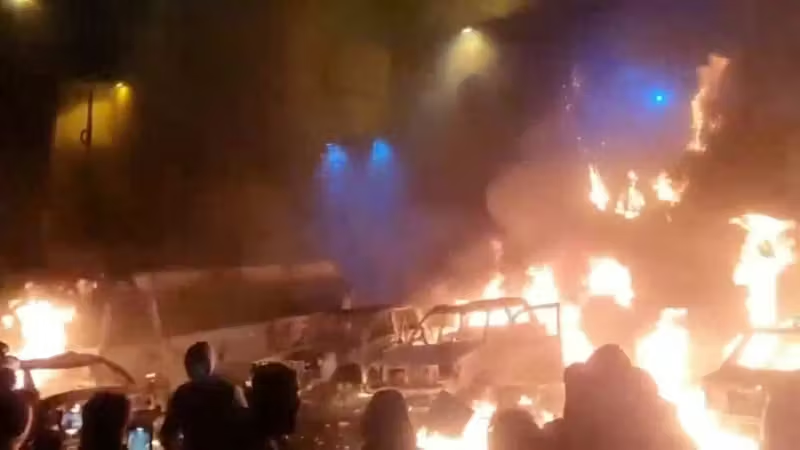
The Iran protests death toll has steadily increased as security forces respond to public demonstrations with lethal force, according to multiple human rights organizations and independent monitoring groups. While official Iranian authorities continue to dispute casualty figures, external assessments suggest that hundreds of civilians may have been killed since protests reignited, with thousands more injured or detained.
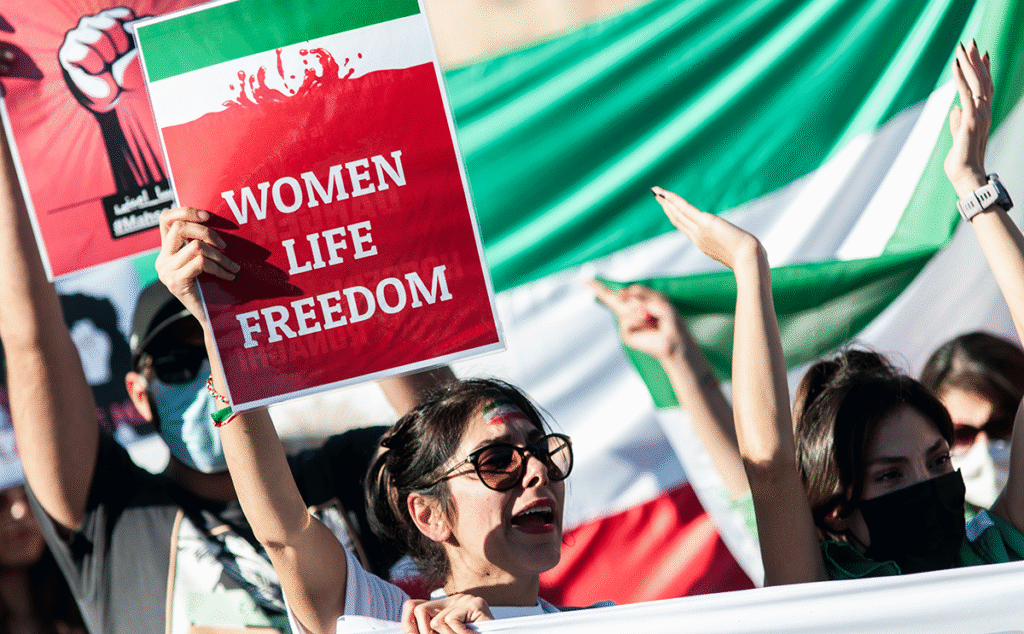
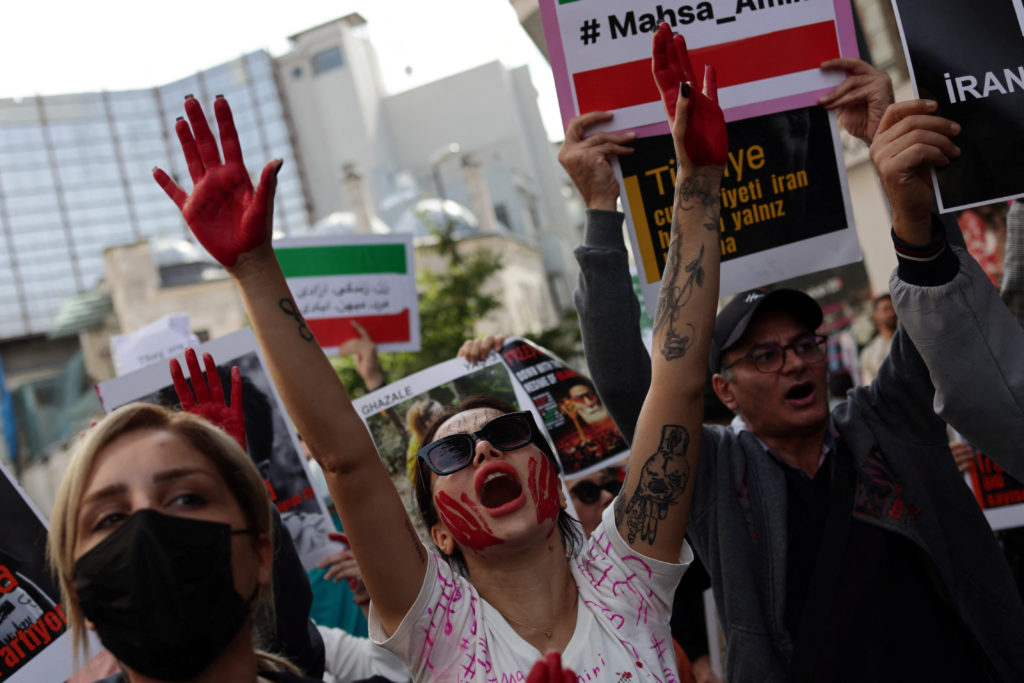
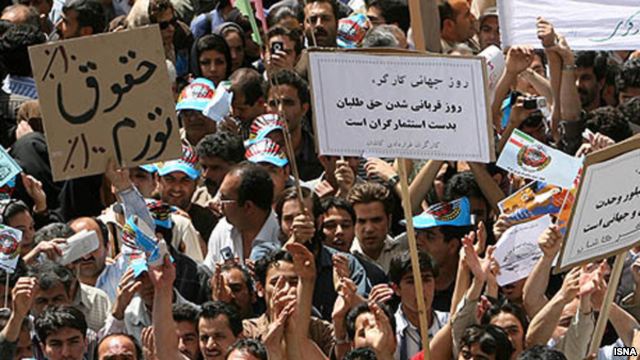
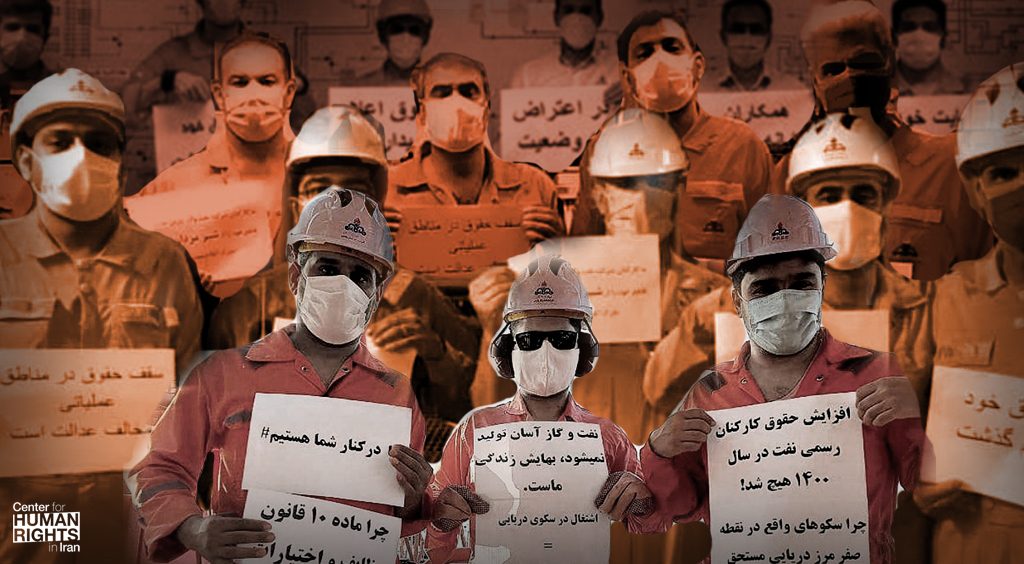
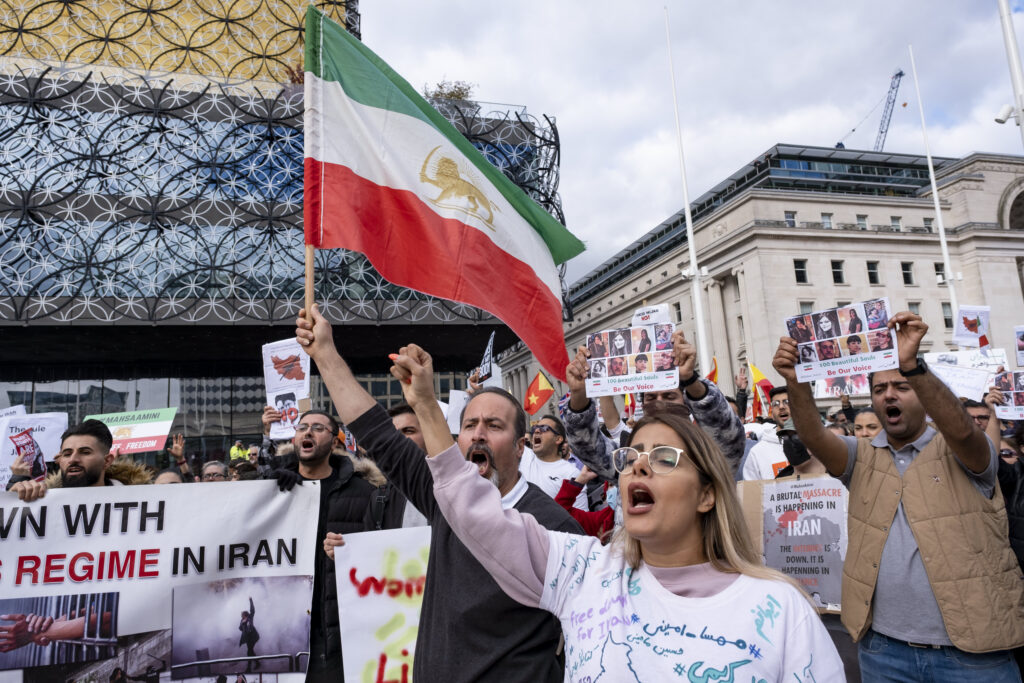
Reports indicate that security forces, including the Islamic Revolutionary Guard Corps (IRGC) and paramilitary units, have used live ammunition, mass surveillance, and targeted arrests to suppress dissent. Protesters include students, women’s rights activists, labor unions, and families of those previously killed during demonstrations.
Human rights researchers note that internet blackouts and media restrictions make it difficult to verify exact numbers, but patterns from hospital records, eyewitness accounts, and leaked internal documents suggest a far higher death toll than acknowledged publicly by the Iranian government.
Why Protests Continue Despite the Crackdown
Public anger fueling the demonstrations goes far beyond a single incident. Protesters cite long-standing grievances, including economic collapse, inflation, unemployment, corruption, gender-based restrictions, and political repression. The Iran protests death toll has, paradoxically, intensified public outrage rather than silenced dissent.
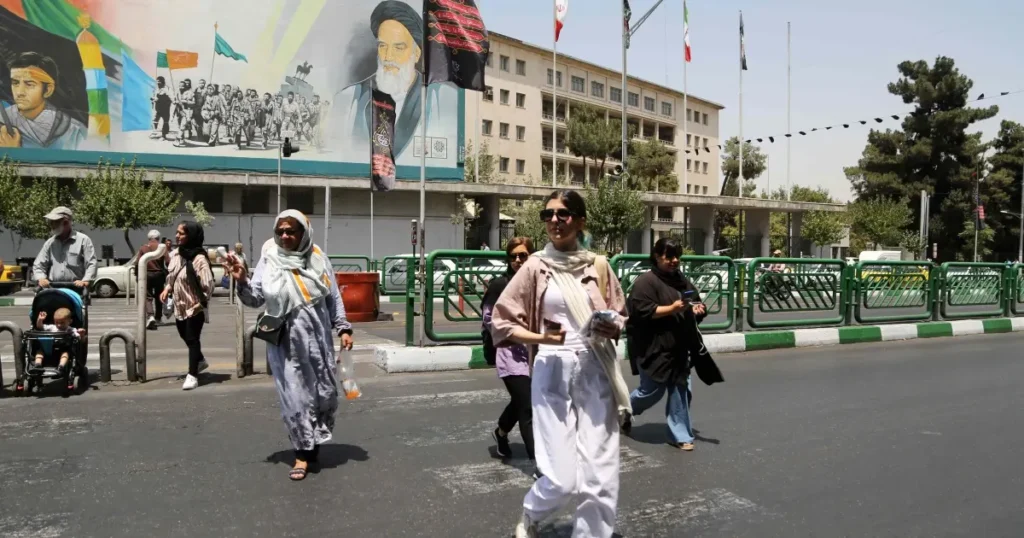
In recent weeks, demonstrations have spread to university campuses, oil-producing regions, and traditionally conservative areas. Women have played a leading role, openly defying state-mandated dress codes and organizing digital resistance campaigns despite the risks involved.
Economic pressures have worsened daily life for millions of Iranians. Currency devaluation, rising food prices, and reduced employment opportunities have left many citizens with little to lose, analysts say, creating a climate where fear no longer outweighs frustration.


Government Response and Security Strategy
Iranian authorities have described the protests as “foreign-backed unrest,” a claim frequently used by the regime to justify harsh security measures. Officials insist that actions taken by police and security forces are necessary to preserve national stability.
However, leaked communications and testimony from defectors suggest a coordinated strategy aimed at dismantling protest networks rather than crowd control. Surveillance technology, facial recognition, and mobile tracking have reportedly been deployed to identify organizers, leading to nighttime arrests and forced confessions.
Legal experts warn that emergency trials and harsh sentencing, including long prison terms and potential death penalties, are being used as deterrents. The rising Iran protests death toll underscores concerns that the state is prioritizing suppression over reconciliation.
International Reaction and Human Rights Pressure
Global reaction to the growing Iran protests death toll has intensified. The United Nations, European governments, and multiple international rights organizations have called for independent investigations and accountability for alleged abuses.
Sanctions targeting Iranian officials linked to the crackdown have expanded, while diplomatic pressure continues to mount. Several governments have summoned Iranian diplomats to demand explanations regarding civilian deaths and mass detentions.
According to documentation published by Amnesty International, evidence points to systematic use of excessive force, arbitrary detention, and denial of medical treatment to injured protesters. These findings reinforce calls for international legal mechanisms to intervene if domestic accountability remains absent.
Information Blackouts and Digital Resistance
One of the most significant challenges in assessing the true Iran protests death toll is the government’s repeated use of internet shutdowns. Social media platforms, messaging apps, and independent news sites are often blocked during peak protest periods.
Despite these measures, digital resistance has evolved. Protesters use virtual private networks (VPNs), encrypted messaging, and satellite connections to share footage and testimonies with the outside world. Diaspora communities play a crucial role in amplifying verified information and countering state narratives.
Technology analysts note that while censorship slows information flow, it has not stopped it. Instead, it has created decentralized reporting networks that are increasingly difficult for authorities to fully suppress.

What Comes Next for Iran
As the Iran protests death toll continues to rise, the country faces an uncertain future. Political analysts believe Iran is approaching a critical crossroads where sustained unrest could reshape governance, either through reform, prolonged repression, or internal fragmentation.
While the ruling establishment still maintains control over the military and judiciary, cracks are visible. Reports of dissent within lower-level security forces and public criticism from former officials suggest internal pressure is growing.
For many Iranians, the protests are no longer about isolated demands but about dignity, representation, and long-term change. Whether the movement leads to systemic transformation remains uncertain, but its impact on Iranian society is already profound and irreversible.
Conclusion: A Defining Moment for Iran
The rising Iran protests death toll marks one of the most serious internal crises the country has faced in recent years. As demonstrations persist and state responses harden, the human cost continues to climb, drawing global scrutiny and condemnation.
What happens next will depend on whether authorities choose dialogue over force and whether international pressure translates into meaningful accountability. For now, Iranians continue to protest despite immense risks, signaling that fear alone may no longer be enough to maintain the status quo.
Subscribe to trusted news sites like USnewsSphere.com for continuous updates.