Europe Heatwave August 2026 Intensifies Across the Continent
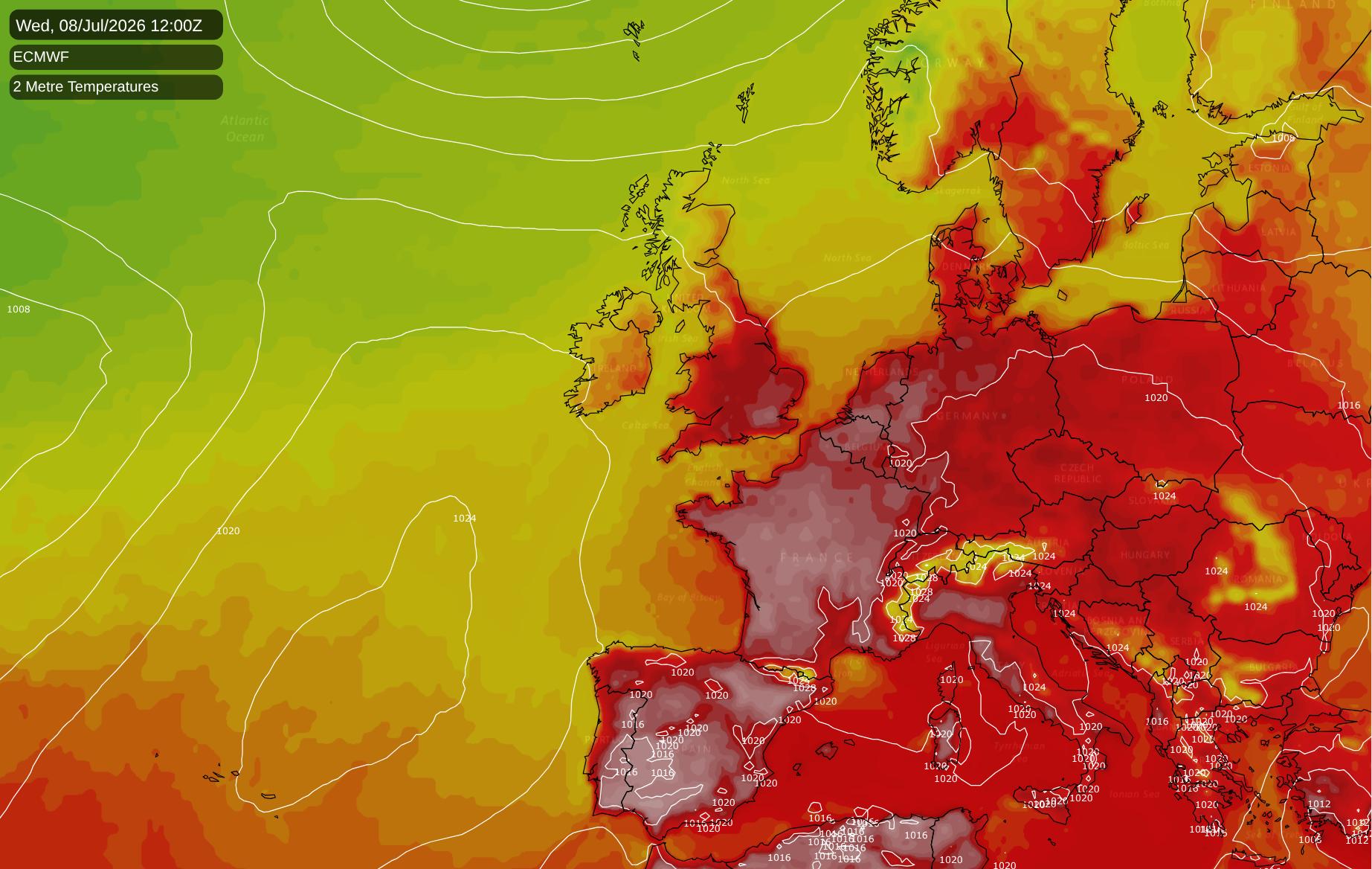
Europe heatwave August 2026 conditions are intensifying as a powerful area of high pressure expands across Western and Central Europe, bringing another round of dangerous summer heat to millions of people. Forecasts indicate that temperatures could reach the low-to-mid 40s Celsius in parts of Spain and France, while England could approach 38–39°C. The event is being described by weather forecasters as the fifth major heatwave of the 2026 European summer. The immediate concern is not just daytime temperatures but also unusually warm nights, drought, wildfire danger and pressure on infrastructure.
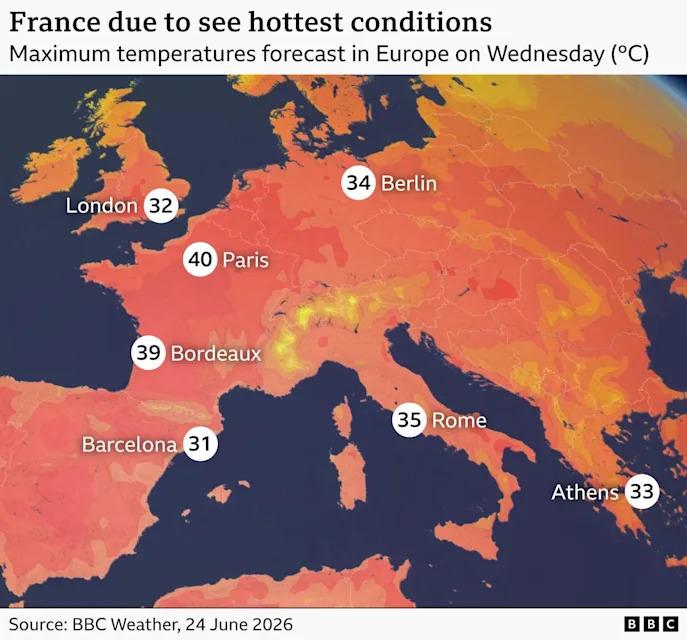
The heat is expected to be most intense across France, Spain, Portugal, southern England and parts of the Benelux before the pattern shifts toward Central Europe later in the week. Recent heat episodes have already left parts of Europe unusually dry and heat-stressed, making this latest surge particularly important for residents, travelers, agriculture and emergency services.
Why This Heat Dome Is Developing Now
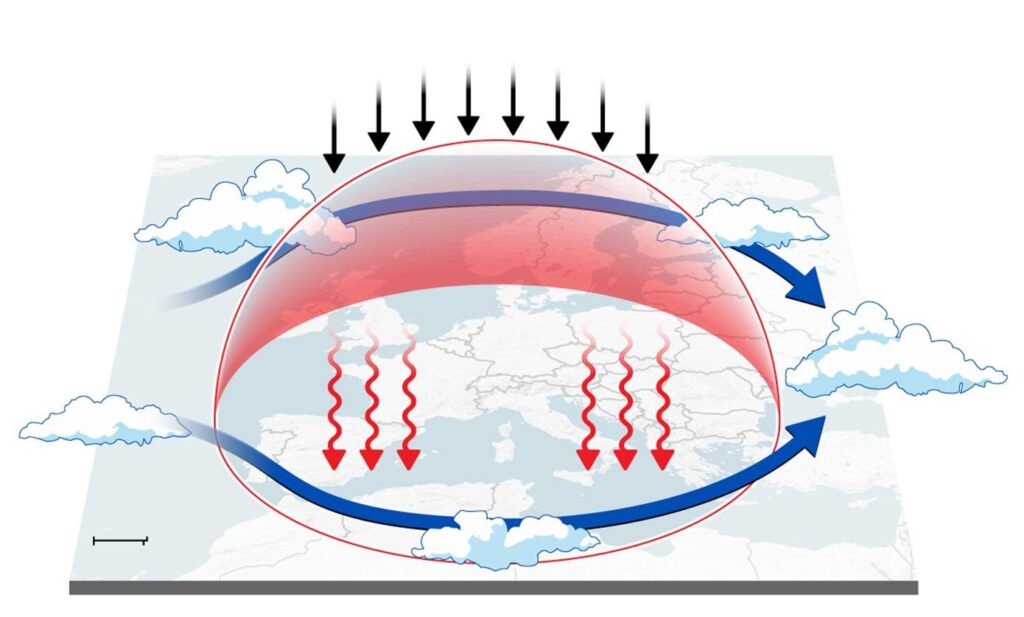
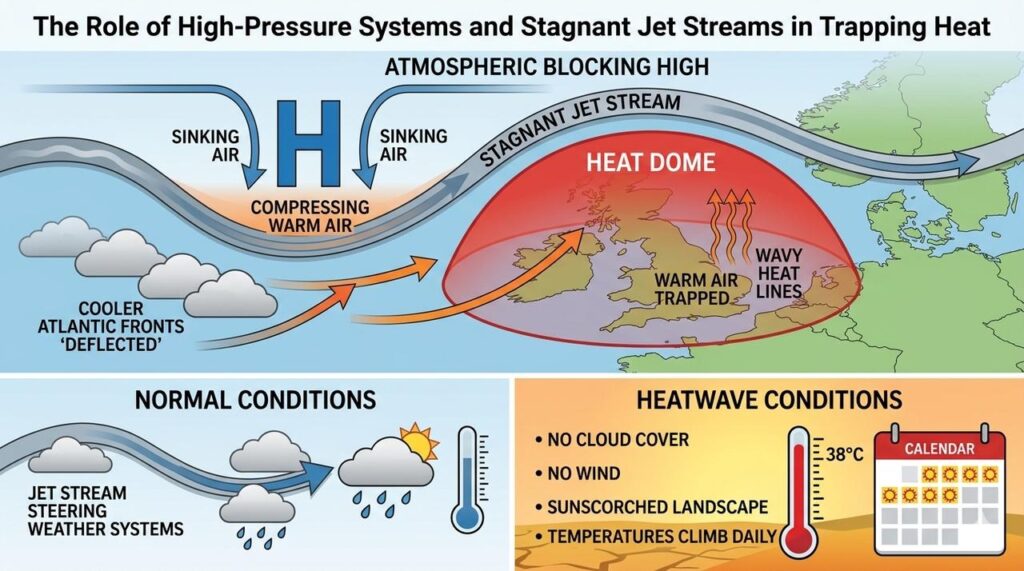
A heat dome develops when a broad and persistent area of high pressure settles over a region. Air sinks beneath the high-pressure system, compresses and warms, while the stable atmospheric pattern limits cloud formation and rainfall. When the system remains in place for several days, heat can accumulate near the surface rather than being quickly dispersed.
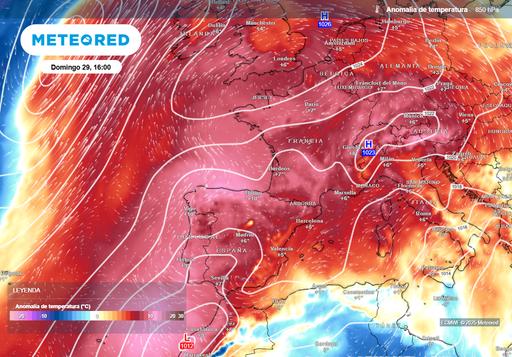
For this mid-August event, the atmospheric ridge is forecast to strengthen over Western Europe before gradually shifting eastward. Severe Weather Europe says the warmest part of the pattern will initially stretch from the Iberian Peninsula through France toward England and the Benelux, with the heat dome later becoming more influential over Germany, the Alpine region, Italy and parts of the Balkans.
France and Spain Face the Highest Temperatures
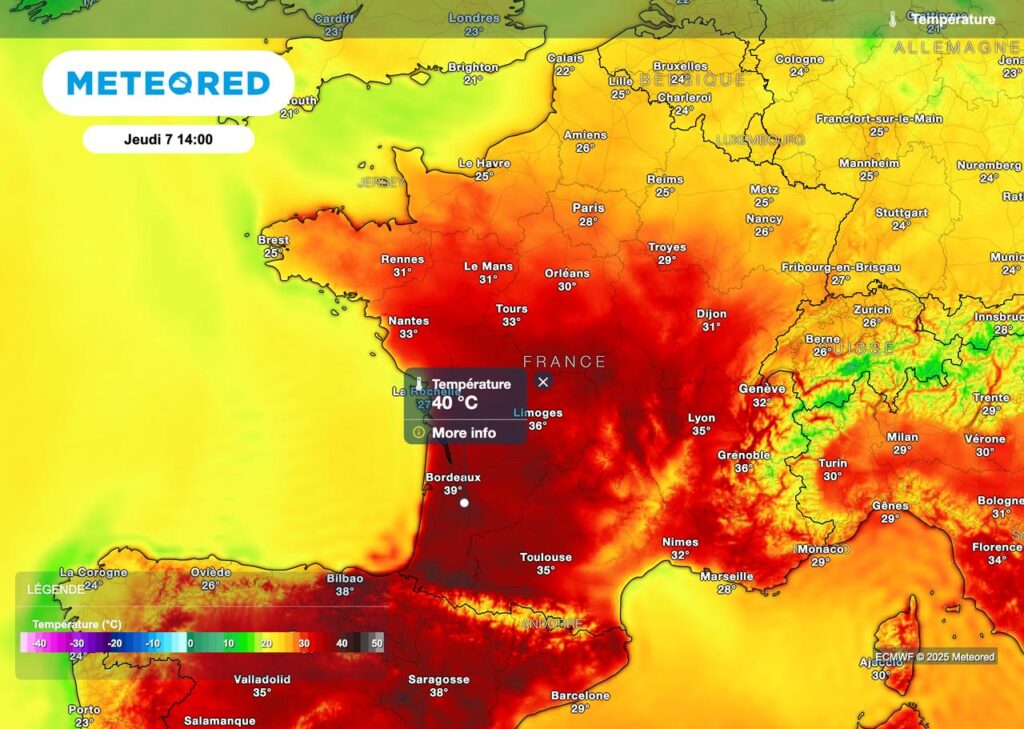
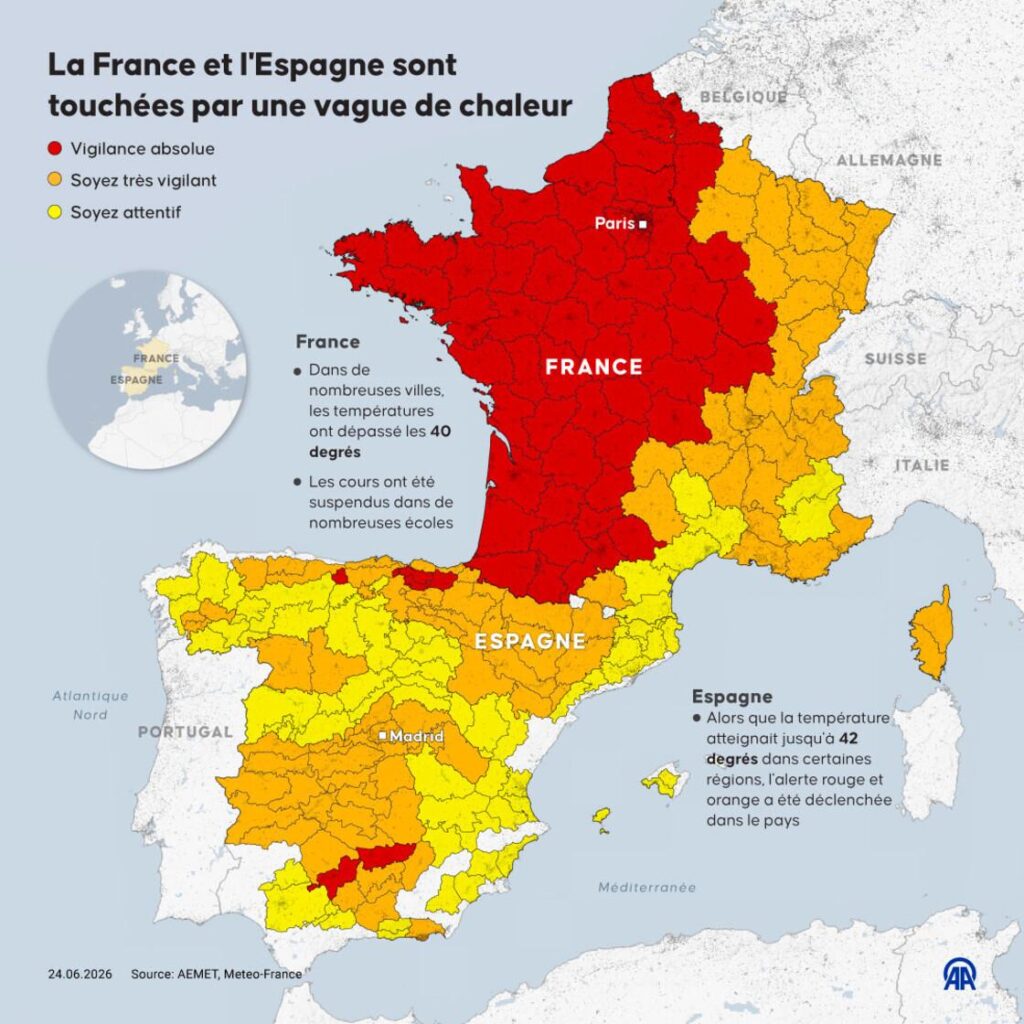
France is among the countries facing the most intense temperatures during the peak of the event. Forecast guidance cited by Severe Weather Europe indicates that western, central and southwestern France could see temperatures around 42–43°C on Thursday, with many locations remaining above 40°C on Friday. These temperatures would represent a major heat threat, particularly in areas where people are not accustomed to prolonged extreme heat.
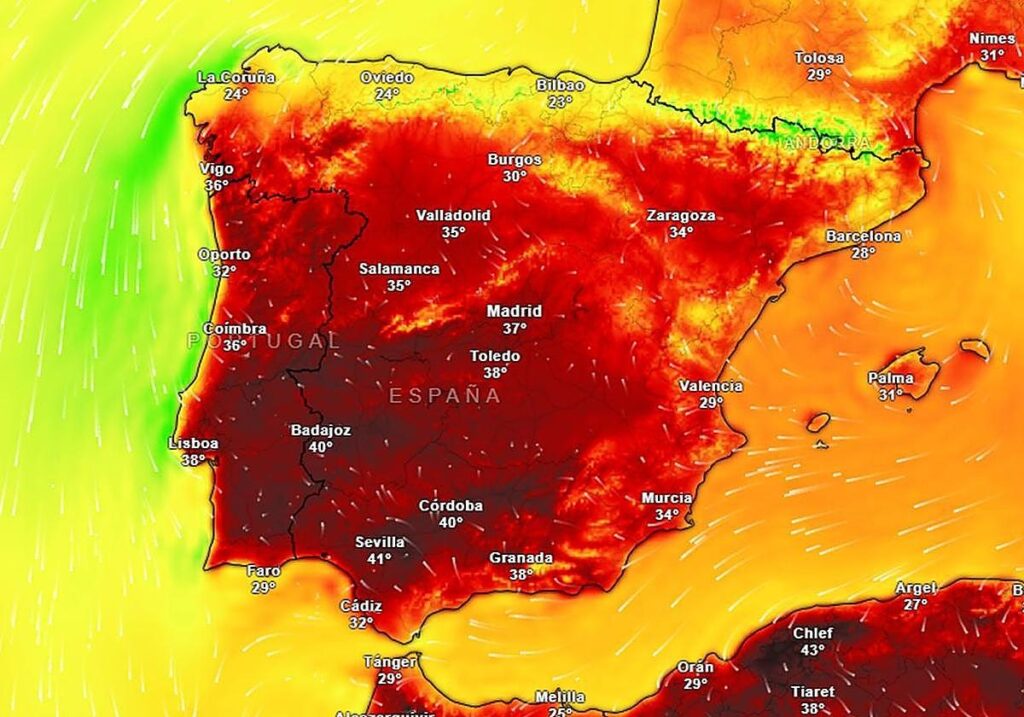
Spain and Portugal are also expected to experience exceptional heat. Southern Spain could reach approximately 42–44°C in some heat-prone valleys on Thursday and Friday, while parts of the Ebro Valley could also approach the low 40s. South-central Portugal is forecast to reach roughly 37–40°C. The combination of intense sunlight, dry conditions and persistent heat can rapidly increase fire danger.
UK Heatwave Could Push England Toward 39°C
The United Kingdom is also being drawn into the latest European heat event. Forecasts indicate that England could see temperatures between 36°C and 39°C on Thursday, with parts of Wales potentially reaching the low-to-mid 30s. Scotland and Ireland are expected to remain considerably cooler, although warm conditions can still develop in some locations.
The Weather Channel similarly identifies Wednesday through Saturday as the peak period of this fifth heatwave, with London potentially approaching 100°F on Thursday. Its forecast also suggests that Paris could approach 100°F for several consecutive days, illustrating how unusual the temperature pattern could become compared with normal mid-August conditions.
Why This Heatwave Matters Now
The most important issue is that Europe is entering this latest heat episode after repeated periods of extreme temperatures. France’s national weather service reported that a July heatwave lasted 16 days and was among the country’s longest heatwaves, while another episode in late July produced temperatures of 40–42°C in parts of France.
Recent conditions elsewhere in Europe show why the consequences can extend beyond uncomfortable weather. The Guardian reported that Austria reached 41.2°C, Slovakia reached 42.2°C and Hungary reached 41.8°C during an earlier August heat episode. Persistent heat has contributed to dry vegetation and wildfire conditions, while very low Danube water levels have created problems for shipping and some power-generation facilities.
Heat, Wildfires and Health Risks Could Increase
Extreme heat becomes especially dangerous when temperatures remain high overnight. A normal nighttime cooldown gives the human body an opportunity to recover from daytime heat. During this event, some urban areas could experience minimum temperatures in the 20s Celsius, creating additional stress for people without effective cooling.
Older adults, young children, people with certain medical conditions and outdoor workers are particularly vulnerable during prolonged heat. Travelers should also take the forecast seriously because European cities can have buildings, transportation systems and homes that were not designed for repeated periods of extreme temperatures. The Weather Channel notes that Europe’s limited air-conditioning availability and aging infrastructure can increase the consequences of temperatures that might be more routinely experienced in some parts of the United States.
What Happens Next Across Europe
The heat is not expected to remain concentrated in Western Europe. Forecast guidance indicates that the heat dome will gradually shift eastward during the weekend, increasing temperatures across Germany, Denmark, southern Sweden, Poland, the Czech Republic, the Alpine region, Italy and northern parts of the Balkans. At the same time, Atlantic air is expected to bring some relief to Ireland, the UK, France and the Iberian Peninsula.
That shift means the end of the heat in one country will not necessarily mean the end of the broader European heat episode. The location of the hottest air mass can change rapidly as the high-pressure pattern moves. Weather models also indicate that conditions could become less extreme across much of Europe next week, although the exact timing and intensity of the relief will depend on how the atmospheric pattern evolves.
Europe’s repeated heatwaves this summer also provide a broader warning about the continent’s vulnerability to extreme heat. The European State of the Climate report from the Copernicus Climate Change Service and ECMWF says Europe has experienced increasingly significant heat stress and above-average temperatures in recent years.
For now, the immediate priority is preparation: staying hydrated, limiting strenuous outdoor activity during the hottest hours, following local heat warnings and paying close attention to wildfire restrictions. With temperatures potentially reaching 40°C or higher across several regions, the latest Europe heatwave is more than a forecast headline—it is a significant weather event with potential consequences for health, travel, agriculture, water supplies and infrastructure.
Subscribe to trusted news sites like USnewsSphere.com for continuous updates.