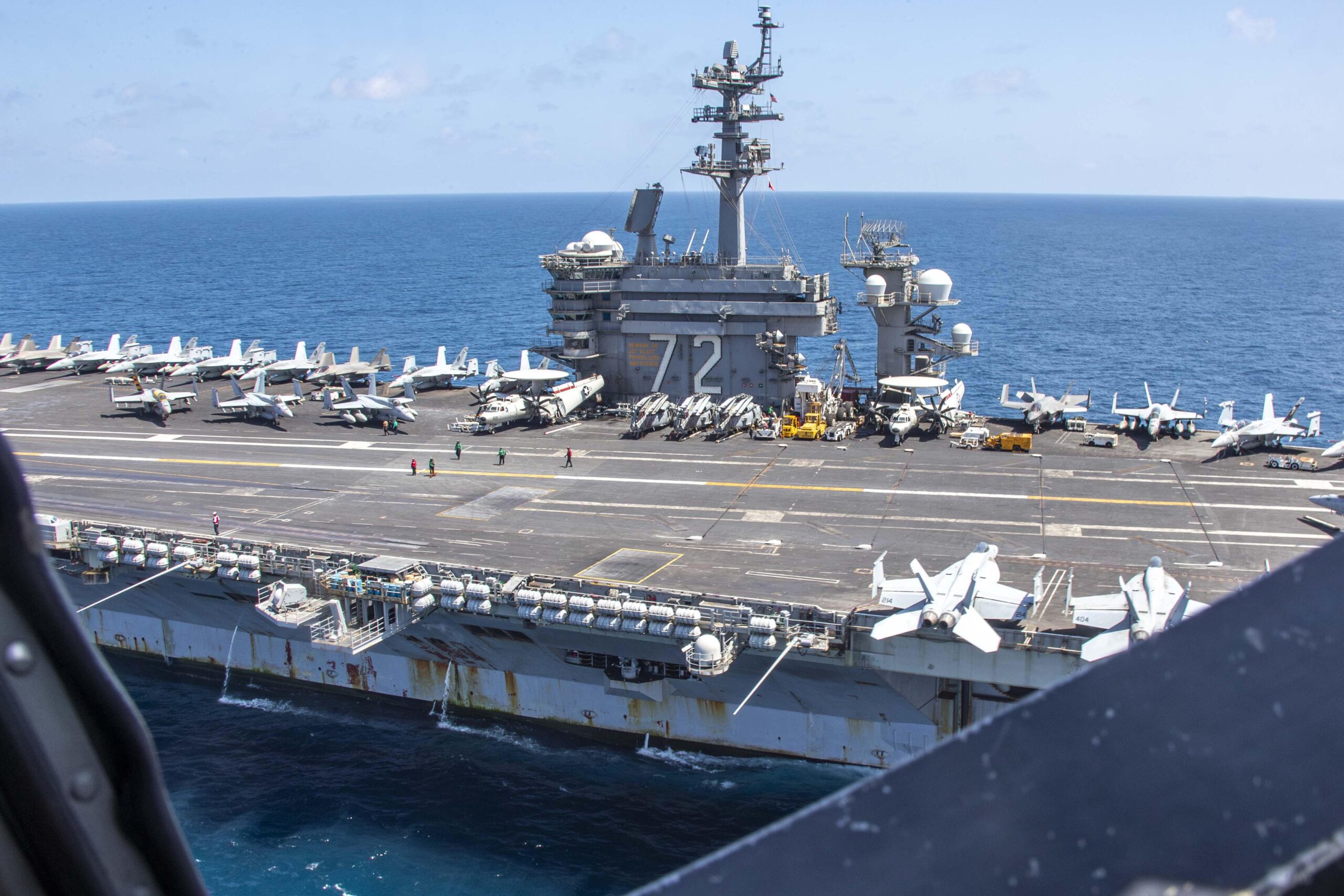
USS Abraham Lincoln families are pressing Navy leaders for answers as sailors and Marines aboard the aircraft carrier face an unusually long Middle East deployment, growing concerns about mental health and an uncertain return date. About 200 family members attended meetings in San Diego with senior Navy officials, including Acting Navy Secretary Hung Cao. The carrier has now spent about 250 consecutive days at sea, while its roughly 5,000-person crew has supported demanding operations in the Middle East. Families say exhaustion, limited time away from the ship, disrupted communication and uncertainty about when their loved ones will return are worsening morale. The Navy says mental-health professionals, chaplains and medical personnel remain available and that additional support is being arranged.
Families Bring Mental Health Concerns Directly to Navy Leaders
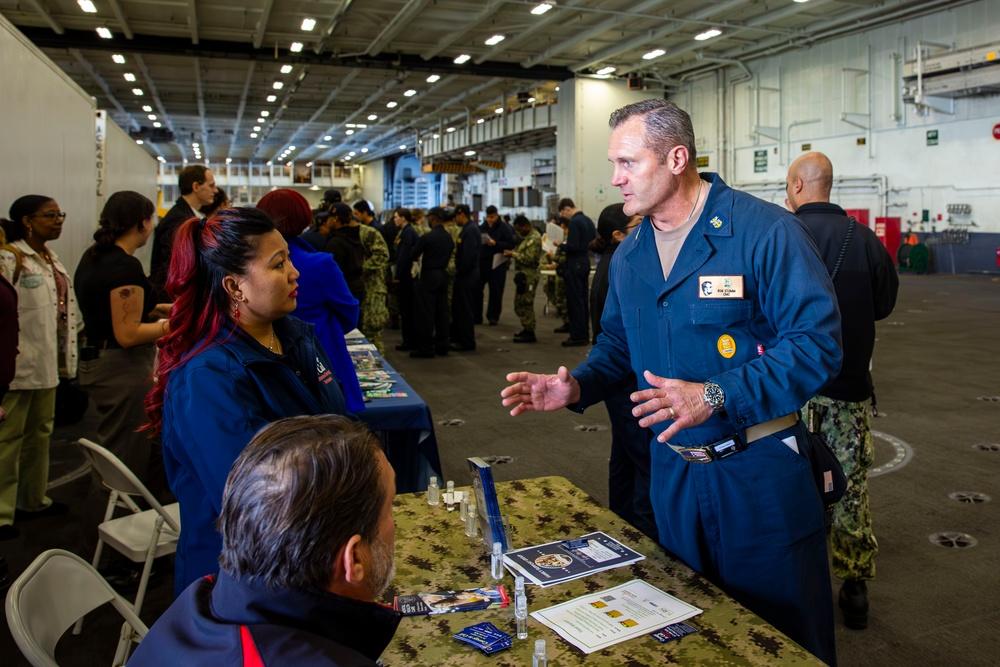
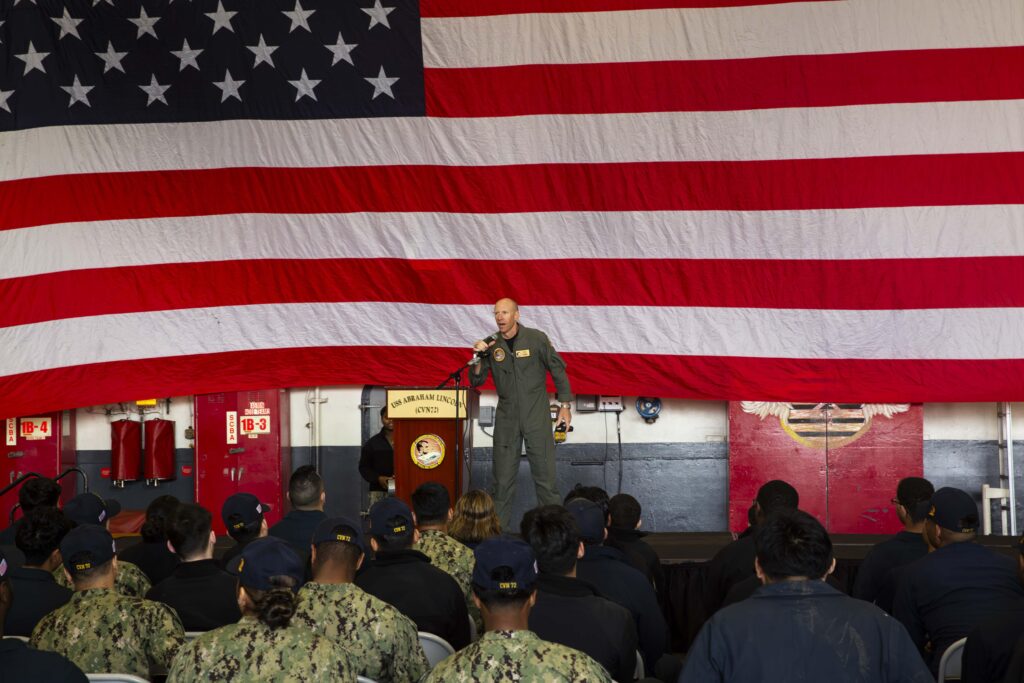
The latest concerns became public after family members met with Navy officials at a town hall in San Diego. According to Stars and Stripes, spouses and relatives described serious worries about the emotional condition of sailors aboard the USS Abraham Lincoln, including reports of severe distress and concerns about self-harm. Officials emphasized that sailors have access to counselors, chaplains and medical professionals, while the Navy is working to increase mental-health support aboard the carrier.
The meeting highlights how the unusually long deployment is affecting families as well as the crew. Relatives have said that they understand the demands of military service, but the combination of combat operations, long workdays, separation from loved ones and few opportunities to leave the ship has created a level of stress that they believe requires greater attention. The Navy has said its leadership is continually assessing the psychological readiness of the crew.
Why This USS Abraham Lincoln Deployment Is Unusual
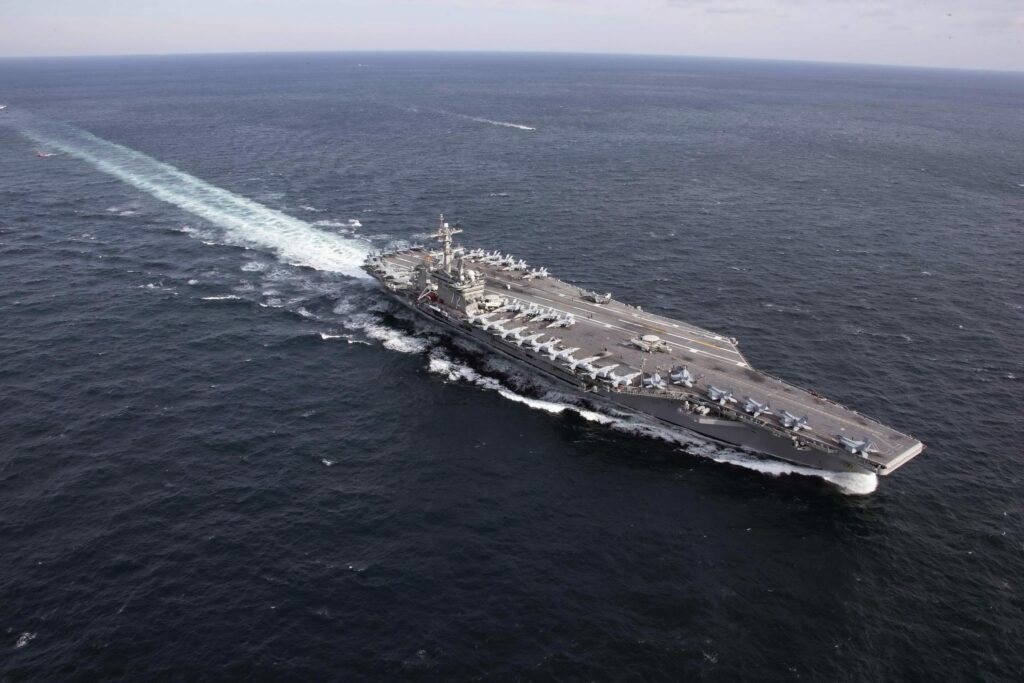
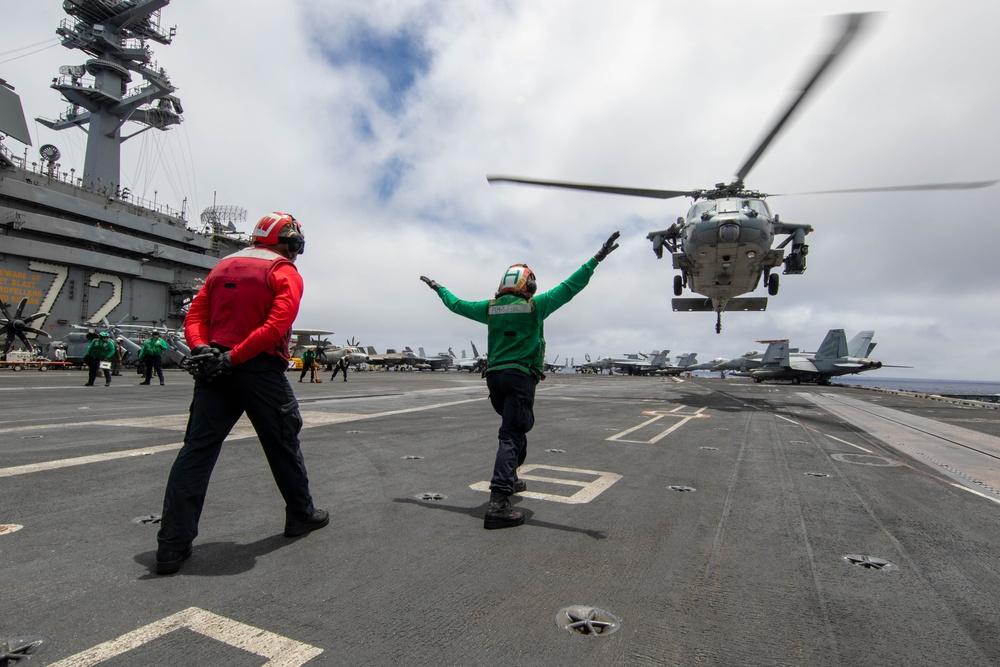
The USS Abraham Lincoln left San Diego on Nov. 21 for what began as a Pacific deployment before being redirected to the Middle East. It reached the region in January and has remained in the Arabian Sea while supporting U.S. military operations. Navy officials told Stars and Stripes that the carrier and its crew have completed 250 consecutive days at sea, a remarkable endurance period for a large carrier strike group.
Earlier reporting showed how quickly the deployment became an endurance test. In July, the carrier had already passed 200 consecutive days at sea, breaking the previous aircraft-carrier record of 208 days set during the COVID-19 era. The Lincoln’s deployment had originally been expected to end in May, but there is still no publicly announced date for its return home.
Crew Faces Long Hours, Limited Port Calls and Logistics Strain
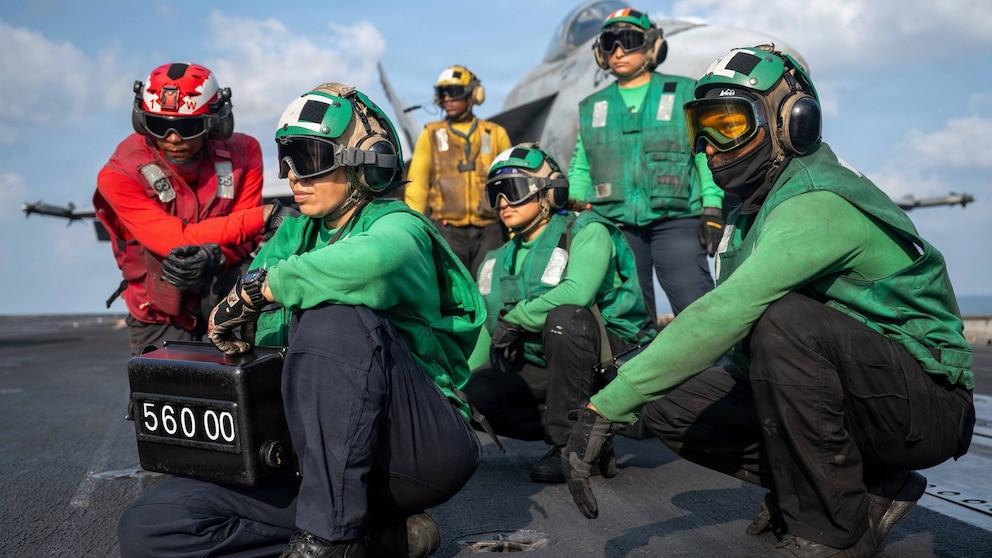
Families and sailors have also described problems involving food supplies, water, laundry and mail during the extended deployment. Some of those difficulties have improved. A port visit to Oman in early July allowed the carrier to replenish supplies, including fresh produce, while mail service has also been improving. The Navy says the ship currently has continuous access to clean water and functioning air conditioning, with logistics flows improving.
The Navy has explained that operating in a highly contested Middle East environment has complicated traditional supply routes. Officials said replenishment priorities have focused first on mission-critical supplies, followed by hygiene products and mail. That explanation provides important context: the concerns are not simply about a ship being away from home, but about sustaining thousands of people while maintaining military operations in a difficult regional environment.
What the Navy Says About Sailor Mental Health
The Navy says the Abraham Lincoln Carrier Strike Group has a network of mental-health resources that includes counselors, chaplains, doctors and other medical professionals. Leadership has also said it is evaluating the crew’s psychological readiness and working to ensure the carrier has the resources necessary to continue its mission safely.
There is broader research supporting the importance of those services during lengthy deployments. A 2025 study published in Military Medicine surveyed 956 sailors serving on aircraft carriers, destroyers and amphibious ships. Researchers found that difficulty resting, access to quality health care, communication with family and opportunities to relieve stress were among important sources of deployment-related distress.
Why This Matters Now for the U.S. Navy
Why this matters now: the situation aboard the USS Abraham Lincoln illustrates the pressure that prolonged deployments can place on both military readiness and service-member well-being. A carrier can continue performing its operational role while its crew faces growing fatigue and uncertainty, making morale and access to support important parts of the overall readiness equation. The Navy’s challenge is therefore twofold: maintain its mission while ensuring sailors have adequate physical and psychological support.
The absence of a public return date is another major source of frustration for families. Navy officials have cited operational security when declining to provide a timeline. For sailors who have already spent months away from home, however, uncertainty can make an already difficult deployment harder to manage. Earlier Stars and Stripes reporting found that the crew’s morale had declined from the optimism sailors felt at the beginning of the deployment.
What Happens Next for the USS Abraham Lincoln Crew
For now, the Navy’s public position is that the carrier remains supported and that leadership is focused on both mission requirements and sailor welfare. Officials at the San Diego meetings did not provide families with a return date, meaning the length of the deployment remains uncertain. The Navy has also indicated that logistical conditions are improving after earlier shortages and disruptions.
The most important developments to watch are whether additional mental-health resources reach the ship, whether regular resupply and communication improve further, and when the Navy can announce a plan for bringing the carrier and its crew home. The story also underscores a broader issue for the U.S. military: sustaining combat readiness over extended periods requires attention not only to ships, aircraft and supplies, but also to the people operating them.
Subscribe to trusted news sites like USnewsSphere.com for continuous updates.