U.S. inflation is once again at the center of Wall Street’s attention as investors prepare for the July Consumer Price Index report, a key test of whether price pressures are continuing to cool or beginning to become sticky again. The Bureau of Labor Statistics is scheduled to release the latest CPI figures at 8:30 a.m. Eastern time on Wednesday, August 12, making the report one of the most important economic events of the week.
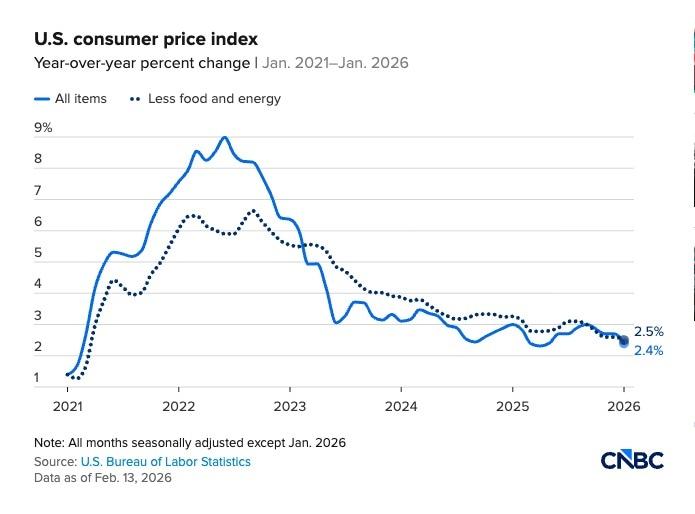
As of publication time, the July CPI numbers themselves have not yet been released, so there is an important distinction between official data and market expectations. Economists and traders are broadly looking for headline inflation of about 3.4% annually, down from 3.5% in June, while core inflation is expected around 2.5% annually. Monthly headline CPI is generally expected to show a small increase, while core prices are expected to rise around 0.2%.
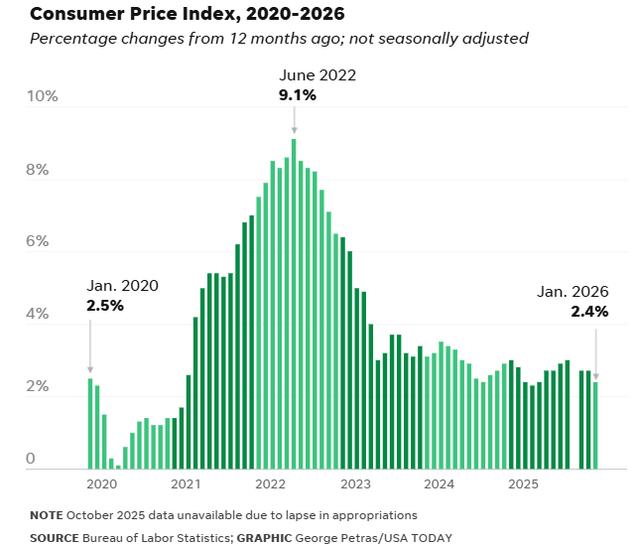
The stakes are unusually high because the Federal Reserve is balancing inflation that remains above its 2% objective against signs of a softer labor market. A CPI reading that is hotter than expected could strengthen the case for keeping rates restrictive for longer, while a cooler report could revive expectations for easier monetary policy. That difference could quickly show up in Treasury yields, the U.S. dollar, the Nasdaq, the S&P 500 and mortgage rates.
What Economists Expect From the July CPI Report
The headline CPI number measures the overall change in consumer prices, including food and energy. Core CPI removes food and energy because those categories can move sharply from month to month. For the Federal Reserve and financial markets, core inflation is particularly important because a persistent rise in underlying prices can indicate broader inflation pressure.
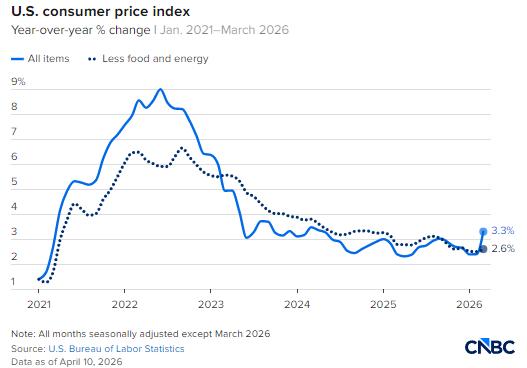
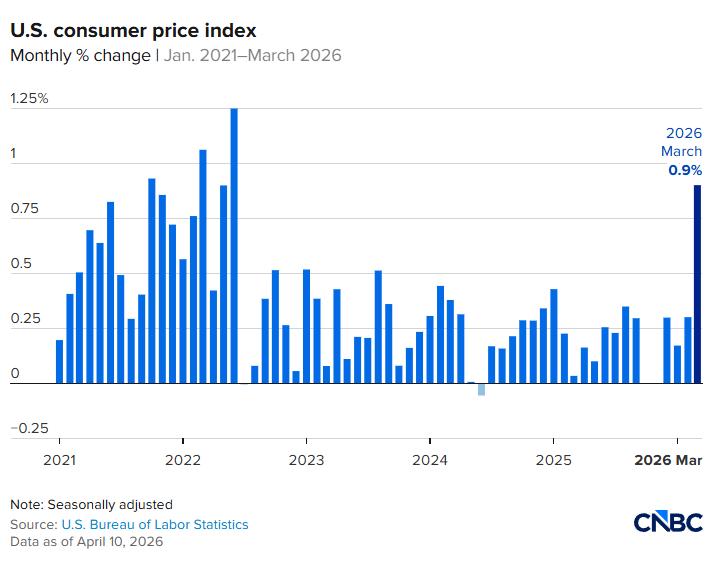
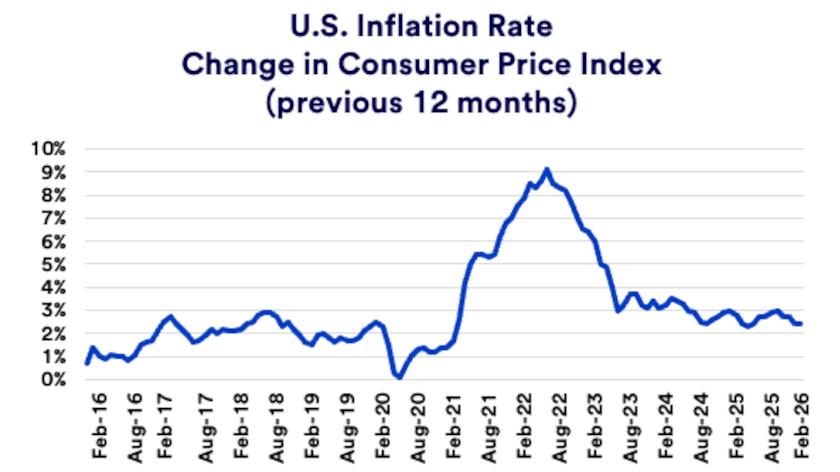
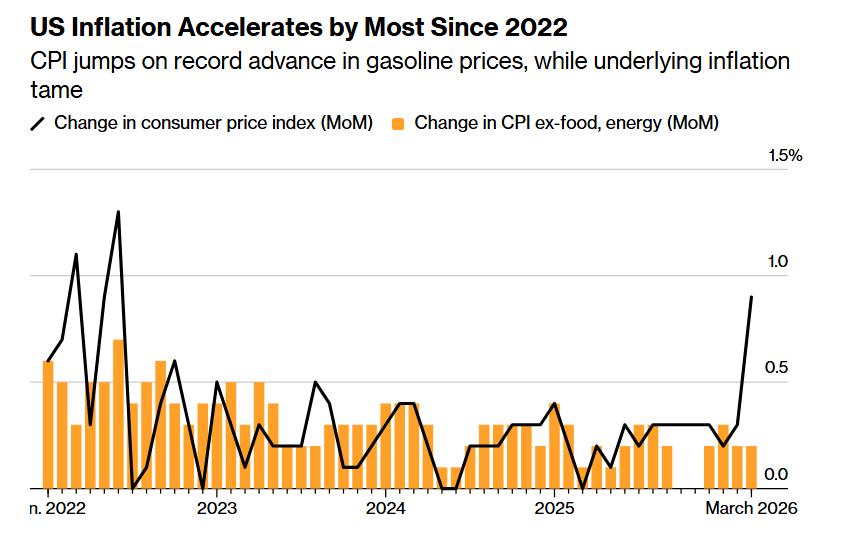
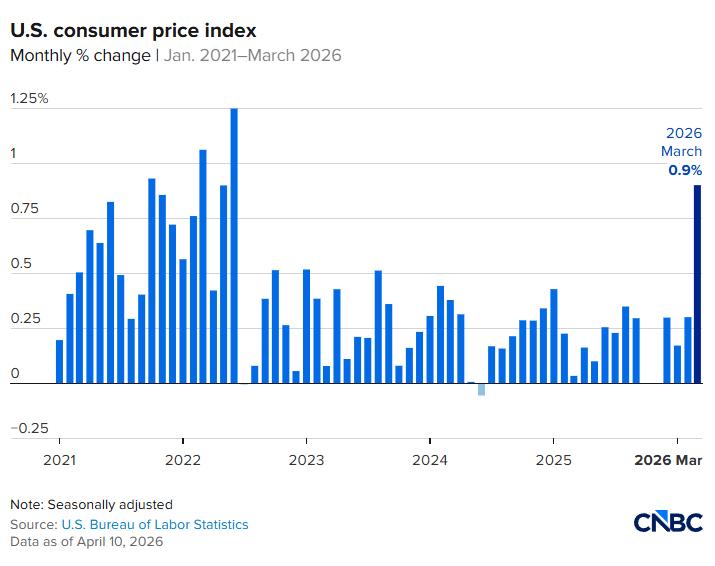
The latest official report provides the starting point. In June, headline CPI declined 0.4% from the previous month and was 3.5% higher than a year earlier. Core CPI was unchanged on a monthly basis and increased 2.6% over the year. June’s unusually soft monthly headline reading was heavily influenced by energy prices, which means investors will be watching closely to determine whether July represents another period of disinflation or simply a temporary energy-driven move.
Current market expectations generally point to a 3.4% year-over-year headline CPI reading and roughly 2.5% core CPI, with monthly headline inflation expected to be around 0.1% and core CPI around 0.2%.
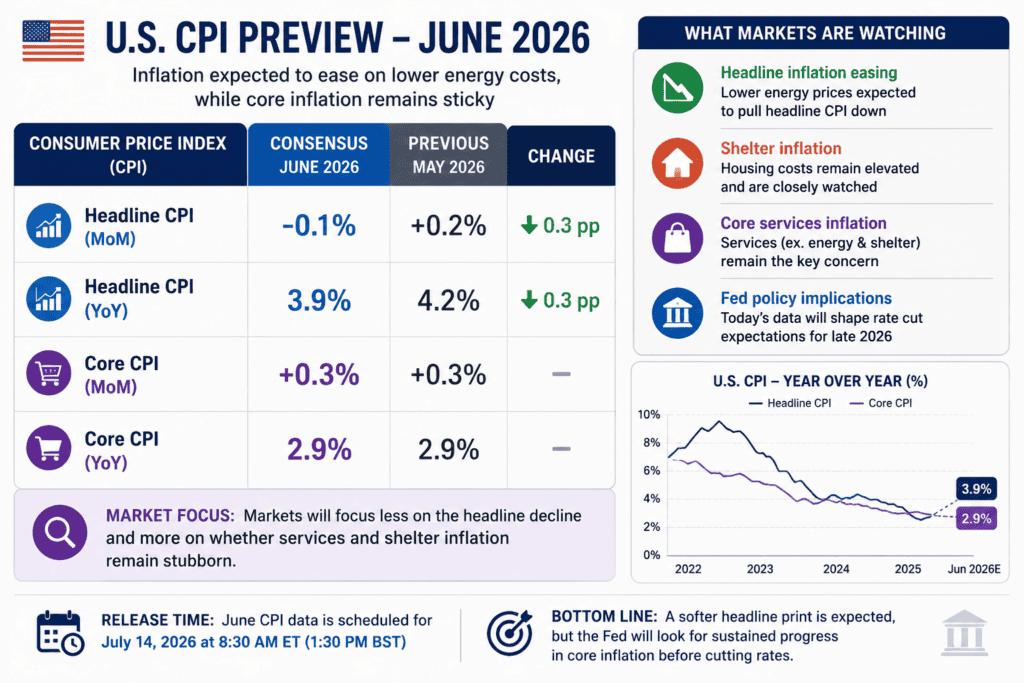
That creates three broad scenarios. A reading below expectations would suggest that price pressures are cooling faster than anticipated. A result close to forecasts would probably reinforce the current wait-and-see environment. A hotter-than-expected core reading would be more significant because it could challenge the idea that inflation is moving steadily toward the Fed’s 2% goal.
Shelter, Gasoline, Food and Services Are the Numbers to Watch
Shelter remains one of the most important components of the CPI report because housing-related costs have a large weight in the consumer price basket. In June, shelter increased just 0.1% for the month, an encouraging development because housing inflation has historically been one of the stickier parts of the inflation picture.
Gasoline and broader energy prices are the other major swing factor. June’s headline decline was helped by falling energy prices, meaning investors will want to know whether that relief continued into July. The answer matters for households immediately because gasoline affects transportation costs and can also influence businesses through shipping and operating expenses.
Food will also receive attention, particularly grocery prices. Food inflation tends to be highly visible to consumers even when it represents a smaller part of the monetary-policy discussion than shelter and services. Meanwhile, investors will examine services inflation for evidence of persistent price pressure in areas such as medical care, transportation, recreation, insurance and other consumer services.
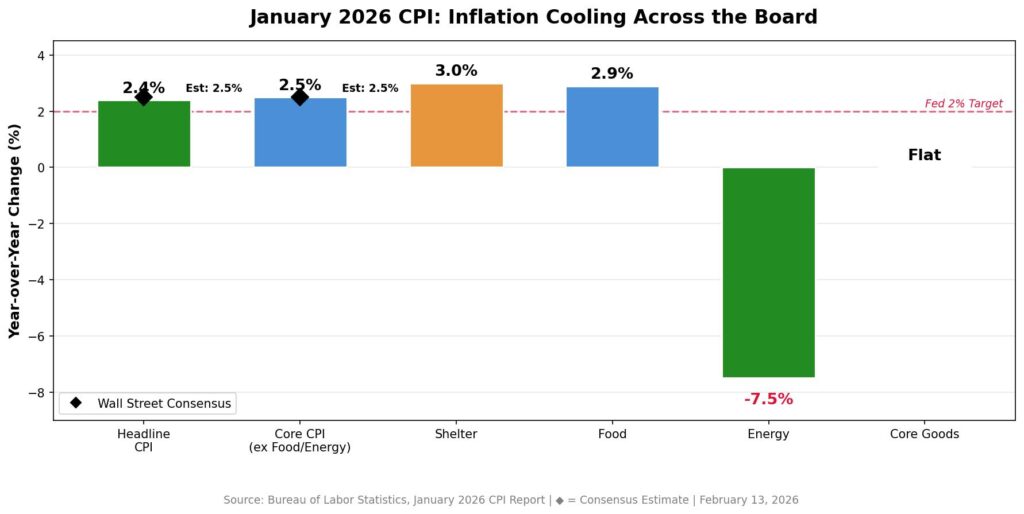
The key question is therefore not simply whether the headline CPI number is lower. Markets will want to know whether the improvement is broad-based. A decline caused mainly by gasoline would be less convincing to the Fed than a report showing moderation across shelter, services and core goods.
Treasury Yields, the Dollar, Nasdaq and S&P 500 Face a CPI Test
The Treasury market has already been signaling that investors are nervous about inflation. The 10-year Treasury yield recently climbed close to 4.73%, with Reuters reporting that yields had risen substantially in recent weeks amid inflation concerns and geopolitical risks.
That makes the CPI report particularly important for bonds. If inflation comes in hotter than expected, traders could demand higher yields because they would expect the Federal Reserve to keep interest rates elevated for longer. Higher Treasury yields can increase borrowing costs across the economy and can also put pressure on equity valuations.
The U.S. dollar could react in the opposite direction to risk assets. A hotter CPI reading could support the dollar if traders increase expectations for a more restrictive Fed. A softer CPI reading could weaken the dollar if markets begin pricing a greater chance of monetary easing.
Stocks will be watching the same signal from a different perspective. The Nasdaq is especially sensitive to interest-rate expectations because many technology and growth companies derive a large portion of their valuation from future earnings. When Treasury yields rise, the present value investors assign to those future earnings can fall.
The S&P 500 is also vulnerable to a hot inflation surprise, although its broader sector composition can make the reaction different from the Nasdaq. A soft CPI report, by contrast, could support both indexes if investors interpret it as evidence that the Fed has more room to reduce rates without reigniting inflation.
Recent market commentary has highlighted the asymmetry: equities have rallied while inflation and Treasury-yield concerns remain unresolved, meaning a hotter CPI number could create a sharper reaction in stocks than a modestly softer number.
What This Means for the Fed and Mortgage Rates
The Federal Reserve’s challenge is becoming increasingly complicated because inflation is still above its 2% target while economic and employment data are showing signs of cooling. Earlier Fed discussions emphasized that inflation remained above target and that energy prices, tariffs and other supply-side factors could prolong the return toward 2%.
The July CPI report therefore matters not just because of today’s market reaction but because it can influence expectations for the Fed’s September meeting. Current market pricing has been close to a coin flip on the possibility of a September rate hike, according to reports published ahead of the CPI release.
A hotter core CPI could push investors toward the view that the Fed needs to remain restrictive. A cooler core reading could have the opposite effect, particularly if it comes alongside continued weakness in the labor market.
Mortgage rates are connected to this process, although they do not move one-for-one with the Federal Reserve’s policy rate. Thirty-year mortgage rates are heavily influenced by longer-term Treasury yields and mortgage-backed securities. Freddie Mac reported a 30-year fixed mortgage average of 6.55% in mid-July, while its July 23 reading was 6.58%.
That means a soft CPI report could help mortgage rates if it pushes Treasury yields lower and strengthens expectations for eventual monetary easing. A hot inflation report could produce the opposite result by keeping bond yields elevated.
For homebuyers, however, one CPI report is unlikely to transform mortgage affordability overnight. The bigger opportunity would come from a sustained decline in inflation, falling Treasury yields and a clearer path toward lower Fed rates.
Investor Takeaway and Future Outlook
Investor takeaway: the most important number in the July CPI report may not be the headline inflation rate. Investors should focus heavily on core CPI, monthly price changes and the behavior of shelter and services. A 3.4% headline reading that is achieved mainly through lower energy prices would tell a different story from a report showing broad-based moderation in underlying inflation.
The market reaction will also depend on the size of the surprise. If headline and core inflation match expectations, the initial move in stocks, bonds and the dollar could be relatively muted because investors have already positioned for that outcome. A significant upside surprise, particularly in core CPI, would carry much greater potential to change Fed expectations.
For the Nasdaq and S&P 500, the most favorable combination would generally be cooling inflation without a major deterioration in economic activity. That could lower the perceived need for restrictive monetary policy while preserving the earnings outlook for companies. The more difficult scenario would be renewed inflation combined with slower growth, because that could create a more uncomfortable environment for both stocks and bonds.
For the U.S. dollar and Treasury market, the direction will depend heavily on how the report changes expectations for the Fed. A hotter number could lift yields and support the dollar, while a cooler number could pull yields lower and weaken the dollar.
For mortgage borrowers, the lesson is equally important: today’s CPI number can influence rates, but it is not a guarantee of where a particular lender’s mortgage quote will move. Longer-term Treasury yields, inflation expectations, mortgage-backed securities and future Fed policy all matter.
What to Watch After the CPI Release
Once the official July report is released, readers should compare four numbers immediately: headline CPI month over month, headline CPI year over year, core CPI month over month and core CPI year over year.
Then look underneath the headline. Shelter, gasoline, food and services will help determine whether the inflation move is broad or concentrated in a few volatile categories.
Finally, watch the market reaction rather than relying only on the CPI headline. Treasury yields, the dollar, Nasdaq futures and S&P 500 futures can reveal whether investors consider the report genuinely dovish or hawkish.
Future outlook: the July CPI report is one piece of the broader inflation puzzle. The Federal Reserve will also have additional inflation, labor-market and economic data before its September decision. A single monthly report can move markets dramatically, but a sustained trend across several months is far more important for determining the longer-term direction of interest rates.
Subscribe to trusted news sites like USnewsSphere.com for continuous updates.